Learning to Surf in Bali: A Beginner's Honest Guide to Schools, Spots & What to Expect
An honest, first-hand beginner's guide to learning to surf in Bali — the gentle sandy-bottom beaches, real lesson and board-hire prices, when the swell behaves, and the reef etiquette nobody warns you about.
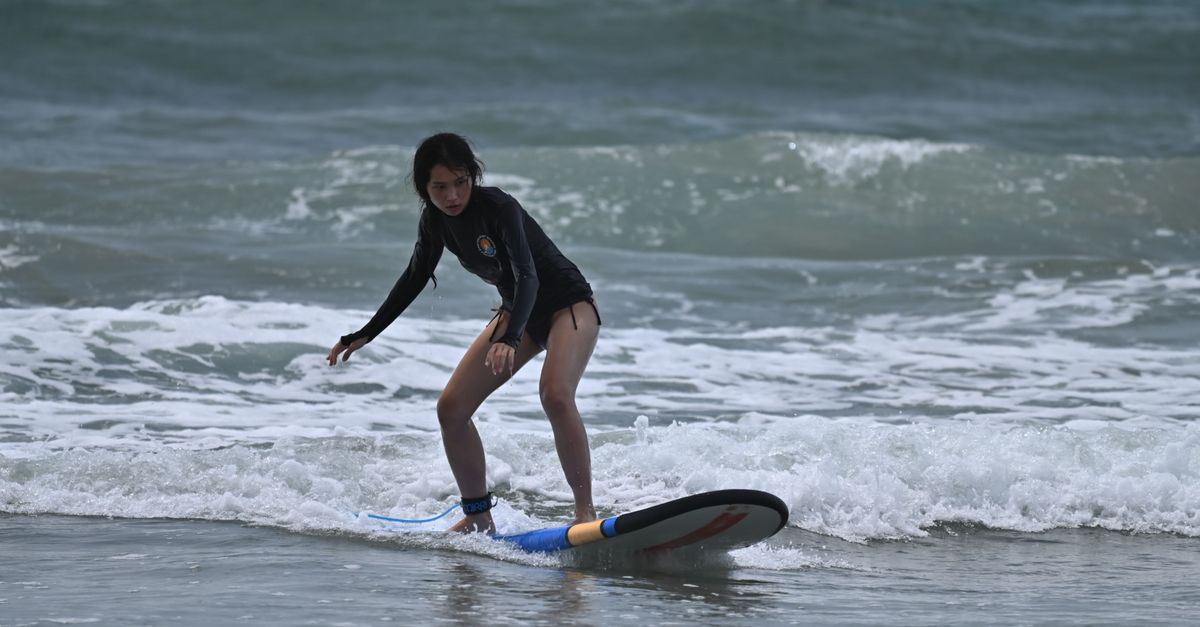
My first proper wave in Bali came at Batu Bolong, knee-deep, on a battered foam longboard the colour of an old highlighter pen. I’d been pushed into about four white-water rollers that morning, swallowed half the Indian Ocean, and stood up for roughly the length of a sneeze — but I stood up. That’s the thing about learning to surf in Bali: the bar for a moment of pure joy is gloriously low, and the island is set up to hand you those moments cheaply and warmly. Years on, I still send first-timers here without hesitation.
But I also send them with caveats, because not every beach with a board-hire shack is a good place to start, and “Bali surfing” covers everything from a gentle sandy-bottom shore-break to a heaving reef wave that will genuinely hurt you. The gap between those two is enormous, and tourists fall into it all the time. So this is the honest version — where to actually begin, what a lesson really costs in rupiah, when the waves behave, and the bits of reef etiquette and safety nobody mentions until you’ve already broken the rules. No gatekeeping, no surf-bro mystique. Just what I wish someone had told me before that highlighter board.
The best beginner surf spots in Bali (and the sandy bottoms that forgive you)
Start where falling off doesn’t cost you skin. For absolute beginners that means a sandy bottom, and Kuta Beach is still the obvious one — a long, gently sloping beach where the white water keeps running for ages, giving you ride after ride without a reef underneath. Kuta’s a bit unfashionable now that everyone’s gone to Canggu, which honestly works in your favour: thinner line-ups, more space to flail. Seminyak, just up the sand, offers the same forgiving waves with fewer people and a flat white that does a decent espresso for when your arms give out.
Then there’s Canggu. Batu Bolong and the next-door Old Man’s are the friendliest waves in that whole stretch — soft, reformed, made for a long board and long rides. The catch I always flag: these break over a mix of sand and flat reef rather than pure sand, and there’s no easy channel, so you’ll be paddling through broken white water to get back out, which is knackering on day one. It’s still very doable, just tiring. My honest steer for a true first-timer is Kuta or Seminyak first, then graduate to Batu Bolong once you can actually paddle.
Why Uluwatu and Padang Padang are not where you learn
Here’s where I get protective. Scroll Instagram and Bali surfing looks like one long turquoise barrel peeling off a cliff at Uluwatu. It’s real — and it’s absolutely not for you yet. Uluwatu, Padang Padang (the famous “left”, not the gentle Baby Padang inside it), Bingin and Impossibles are advanced reef breaks: powerful, crowded, breaking over sharp, shallow coral that does not care about your holiday.
A reef break means the wave breaks over rock, not sand. Fall awkwardly and you don’t get a soft sandy cushion — you get coral cuts that sting, scar and infect fast in tropical water. The line-ups are full of locals and seasoned travellers who know exactly when and where the wave breaks, and dropping in on them out of ignorance is both rude and genuinely dangerous. I’ve watched beginners paddle out at Uluwatu “just to try”, get caught inside, and have a properly frightening afternoon. The view from the cliff-top warungs is one of my favourites in Bali — go, order a Bintang, watch the experts. Just keep your board on the sand.
Surf lessons and board hire: what it actually costs
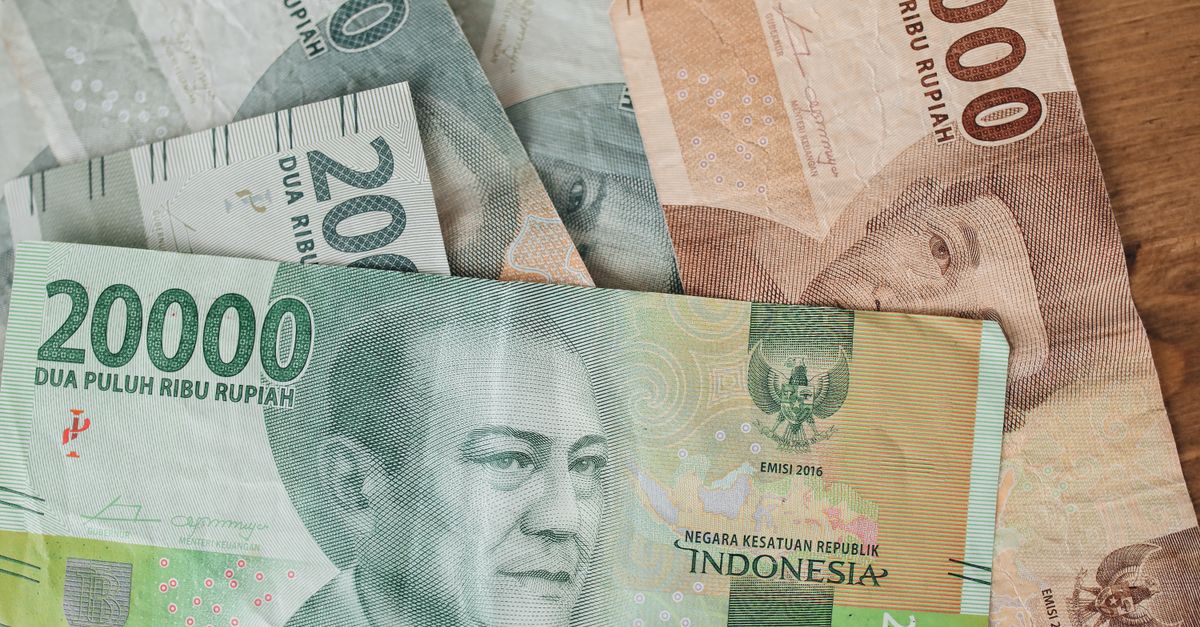
The maths here is friendlier than almost anywhere else in the world, which is half the reason Bali is such a good classroom. A beginner group surf lesson in Canggu or Kuta typically runs around IDR 400,000 to 650,000 — roughly £20 to £40 — for a 1.5 to 2 hour session, and that usually includes the board, a rash guard, water, sunscreen and a free shower afterwards. Buy a pack of five and the per-lesson price drops noticeably; one Canggu school I rate does five for about IDR 1,750,000.
I’d genuinely pay for at least one or two lessons even if you’ve surfed elsewhere, purely so a local reads the conditions for you. A good instructor positions you, picks your waves and stops you paddling out somewhere stupid. If you fancy booking ahead from home, a beginner session like a Kuta Beach surf lesson takes the guesswork out of your first morning.
Once you can catch white water solo, surfboard rental is where Bali shines: a soft-top is about IDR 50,000 an hour, from IDR 200,000 a day, or roughly IDR 1,000,000 for the week. Stick to foam soft-tops while learning — they float you, they don’t ding the reef, and they hurt far less when they inevitably bonk you on the head.
When to surf: the dry season, swell size and warm water
Timing matters more than beginners expect. Bali’s dry season runs roughly April to October, when the wind blows offshore and the swell is consistent — the classic postcard window. The flip side is that consistent swell can also mean bigger swell. July brings the biggest waves of the year, commonly four to ten feet, which is brilliant for advanced surfers and miserable for a first-timer.
So as a beginner I actually prefer the shoulders. May and late September into October give you clean, organised waves without the peak-season size or the peak-season crowds, and prices ease off too. Whenever you come, the protected beginner beaches stay manageable — the big swells hammer the exposed Bukit cliffs far harder than they do mellow Kuta.
The lovely part: you don’t need a wetsuit. Water temperature sits around 26–28°C through the dry season — easing a touch in the peak July and August months — so it’s boardshorts or a swimsuit and a rash guard, the rash guard’s for sun and board-chafe, not warmth. I learned that the burnt way; reef-safe sunscreen and a long-sleeve rashie save your whole trip.
Staying safe: rip currents, reef cuts and surf etiquette
The ocean here is warm and welcoming and occasionally tries to drag you out, so respect it. Rip currents are the number-one cause of trouble, and the single rule that matters is this: if you’re being pulled out, don’t fight it head-on. Stay calm, paddle or swim parallel to the beach until you’re out of the pull, then come in at an angle. Panicking and battling straight back is what exhausts people. Surf near a lifeguard flag, never surf a spot you can’t see clearly, and if you’re new, don’t paddle out alone.
On reef, treat every cut seriously — clean it properly the same day, because coral grazes get infected quickly in the tropics. And learn the etiquette before you’re in a busy line-up. The surfer closest to the breaking peak has priority on a wave; paddling in front of them — “dropping in” — is the cardinal sin and causes real collisions. Respect local surfers, wait your turn, smile, apologise if you mess up. Beginners who blunder in “by image”, picking a spot off a photo without understanding how it breaks, are exactly who the locals worry about. Be the humble one in the cheap foam board and you’ll be welcomed everywhere.
A few honest final thoughts before you paddle out
Learning to surf in Bali is one of the warmest, cheapest, most forgiving introductions to the sport anywhere — start on Kuta or Seminyak’s sand, take a lesson or two, save Uluwatu for your eyes, and the island will hand you that first wobbly wave faster than you’d believe.
I’m still tweaking my own list of favourite breaks and the little warungs I’d send you to between sessions — so tell me where you’re heading and when, and I’ll point you at the right sand. Reply and let me know if it’s your very first time or your fifth trip; the more I hear back, the better this guide gets. My list is never finished.
FAQs
Is Bali good for learning to surf as a complete beginner? Yes — it’s one of the best beginner surf destinations in the world. The combination of warm water, cheap lessons, soft-top hire and gentle sandy-bottom beaches like Kuta and Seminyak makes the learning curve gentle. Just start on sand, not on the famous reef breaks.
Where should a beginner surf in Bali? Kuta Beach and Seminyak for absolute first-timers, then Batu Bolong and Old Man’s in Canggu as you improve. These have slower, more forgiving waves. Avoid Uluwatu, Padang Padang, Bingin and Impossibles until you’re genuinely confident — they’re sharp, shallow reef breaks for advanced surfers.
How much does a surf lesson cost in Bali? A beginner group lesson is roughly IDR 400,000–650,000 (about £20–£40) for 1.5 to 2 hours, usually including board, rash guard, water and a shower. Multi-lesson packages bring the per-session price down, and private lessons cost more.
How much is it to hire a surfboard in Bali? A soft-top board is around IDR 50,000 per hour, from about IDR 200,000 per day, and roughly IDR 1,000,000 for a week. Beginners should rent foam soft-tops — they float well, hurt less and are kinder to the reef.
Do I need a wetsuit to surf in Bali? No. The water stays around 26–28°C through the dry season, so boardshorts or a swimsuit plus a rash guard is all you need. The rash guard is for sun protection and board chafe, not warmth.
When is the best time to learn to surf in Bali? The dry season, roughly April to October, has the cleanest, most consistent conditions. For beginners I’d lean towards May or late September into October — clean waves without July’s big peak-season swell or the heaviest crowds.
Is surfing in Bali dangerous? It can be if you ignore the basics. Rip currents are the main risk, and reef breaks add cuts and crowding. Stick to lifeguarded beginner beaches, take a lesson, never surf alone or somewhere you can’t read, and you’ll be fine.
What do I do if I get caught in a rip current? Don’t fight it. Stay calm, paddle or swim parallel to the shore until you’re out of the current’s pull, then head back in at an angle. Trying to swim straight back against a rip is what exhausts and frightens people.
What is surf etiquette and why does it matter? The surfer closest to the breaking part of the wave has priority — paddling in front of them (“dropping in”) is rude and can cause collisions. Wait your turn, respect local surfers, and don’t paddle into busy advanced line-ups as a beginner.
How many lessons does it take to stand up surfing in Bali? Most people stand up in white water during their first lesson — it’s the easy bit. Comfortably catching unbroken green waves takes longer; a few lessons plus regular practice over a week or two will get most beginners genuinely independent on the smaller beach waves.
Before you go — I wrote this in 2026 and double-checked every price, fee, opening time and rule I could, but Bali changes fast. Treat the figures here as a guide and confirm the latest details before you book or travel.
Some of the links in this article are affiliate links: if you book through them I may earn a small commission at no extra cost to you. I only ever recommend things I would happily send a friend to.