Hiking Mount Batur: A Fitness Enthusiast's Guide to Conquering Bali's Active Volcano
Hiking Mount Batur Bali: a first-hand guide to the sunrise trek with real difficulty levels, 2026 costs in IDR, training tips, and what to bring.

Hiking Mount Batur: A Fitness Enthusiast’s Guide to Conquering Bali’s Active Volcano
The alarm went off at 1:45 AM and I seriously considered pretending I hadn’t heard it. I was three weeks into my first proper Bali trip, tanned and well-fed and slightly too comfortable in my Ubud guesthouse. But I’d committed to hiking Mount Batur, Bali’s most famous active volcano, and somewhere between my second Bintang the night before and now, the reality of a pre-dawn start had become terrifyingly concrete.
That was back in 2019. I’ve done the Mount Batur sunrise trek three times since, and each time I’ve been glad I dragged myself out of bed. But here’s the thing nobody tells you on Instagram: this hike rewards preparation. If you’re someone who already trains (runs, lifts, does CrossFit, whatever your thing is), you’ll have a completely different experience to the tourists who rock up in flip-flops expecting a gentle stroll. This guide is for you. It covers the real difficulty of hiking Mount Batur Bali, how to train for it specifically, what the trail actually looks like at 4 AM, and exactly what it’ll cost you in 2026.

Why Mount Batur Should Be on Every Fitness Lover’s Bali Bucket List
I’ll be straight with you: when someone first suggested I hike Mount Batur, I nearly dismissed it as a tourist trap. Every second Instagram Reel from Bali features that sunrise shot with the clouds below you, and I assumed it would be an overcrowded, underwhelming slog. I was wrong.
Standing at 1,717 metres with the sun cracking open across Lake Batur and Mount Agung looming behind you, it’s one of those moments that justifies every terrible 2 AM alarm you’ve ever set. The caldera view alone is worth the effort. But what made it special for me, as someone who loves pushing my body, was the physicality of it. This isn’t a paved nature walk. You’re scrambling up volcanic rock in the dark, your headlamp picking out loose scree and tree roots, your calves burning on a gradient that doesn’t let up for the final 20 minutes.
And that’s exactly why it’s brilliant. If you’ve spent months building fitness and you want a Bali experience that uses it (rather than just another beach day), the Mount Batur sunrise trek delivers. It’s achievable for most people, but it rewards those who’ve trained for it with a faster, more enjoyable ascent and the energy to actually soak in the summit rather than just collapsing at the top.
What to Expect on the Mount Batur Sunrise Trek: Difficulty, Distance, and Elevation
Let me give you the real numbers, because the difficulty level of Mount Batur gets wildly misrepresented online. Some sites call it “easy.” It isn’t. Others make it sound like Everest base camp. It isn’t that either.
The summit sits at 1,717 metres above sea level. You’ll start from a trailhead at roughly 1,000 metres, which gives you around 700 metres of elevation gain over approximately 3.5 kilometres one way, about 7 km round trip. The ascent takes most people between 1.5 and 2 hours. Coming down is quicker, roughly an hour to an hour and a half, but the loose volcanic gravel makes it surprisingly technical on tired legs.
The first two-thirds are manageable. A steady uphill through a mix of dirt track and rocky paths, dark and quiet at 4 AM, with your guide’s torch bobbing ahead. Then the final third steepens sharply. The terrain shifts to loose volcanic scree (small, slidey rocks that make every step feel like two), and the gradient is relentless. This is where fitness makes the difference. I’ve watched people stop every 30 seconds on this section, completely gassed. If you’ve been training your legs and your cardiovascular system, you’ll power through it and arrive at the summit with breath to spare.

One thing that catches people off guard: the temperature. At the summit before sunrise, it drops to 10–15°C. Coming from 30-degree Bali heat, that feels properly cold, especially when you’re sweating from the climb and the wind picks up. More on what to wear below.
How to Prepare Your Body for Hiking Mount Batur
You don’t need to be a marathon runner, but a bit of targeted training in the weeks before your trip makes a real difference to how much you enjoy hiking Mount Batur Bali.
Focus on two things: cardiovascular endurance and leg strength. For cardio, anything that gets your heart rate up for sustained periods works: running, cycling, the rowing machine, even brisk uphill walking on a treadmill set to a 10–15% incline. I’d suggest at least three sessions a week for the month before you go. You’re not training for a race; you’re training to sustain effort on a steep gradient for 90 minutes without needing to stop every few minutes.
For legs, squats and lunges are your friends. Step-ups onto a bench mimic the trail surprisingly well. Don’t neglect your calves. Calf raises will save you on the descent when you’re braking against loose rock on steep ground. And if you can train in the shoes you’ll actually hike in, do it. Breaking in new boots on the morning of the trek is a blister waiting to happen.
One thing worth mentioning: Bali’s heat and humidity take a toll even on fit people. If you arrive from a colder climate, give yourself at least three or four days to acclimatise before attempting the hike. I made the mistake of booking it for day two of my first trip and spent the ascent feeling far more winded than I should have. The altitude itself is modest (1,717 metres won’t cause altitude sickness), but the combination of jet lag, heat adjustment, and a 2 AM wake-up can leave you flatter than expected.
What to Bring (and What to Leave Behind) for the Mount Batur Bali Trek
I’ve refined my Mount Batur packing list over four hikes. Here’s what actually matters:
Wear breathable layers. A moisture-wicking base layer, a light long-sleeve top, and a windproof jacket you can stuff in your bag once the sun’s up. Leggings or lightweight hiking trousers, not shorts, because the volcanic rock scrapes your shins if you slip. Proper hiking shoes or trail runners with decent grip. I’ve seen people attempt this in Birkenstocks. Don’t be that person.
Bring at least 1.5 litres of water. You’ll sweat more than you think, even in the dark. A small backpack, nothing huge, just enough for your water, a headlamp (essential, since you’re hiking in complete darkness), a buff or scarf for the summit wind, sunscreen for the descent, and your phone. Cash in small notes for tips and any extras. Leave the drone at home unless you’ve checked current regulations. Enforcement at the summit is unpredictable.

The biggest mistake I see? People dressing for Bali’s daytime heat. At 4 AM on a volcano at 1,717 metres, you’ll want that extra layer. I was shivering at the summit in a t-shirt the first time. Bring the jacket. You can always take it off.
Mount Batur Trekking Costs, Guides, and Logistics in 2026
All hikers must use a registered guide: this is enforced by the Kintamani trekking association, and there are checkpoints at the base. You cannot hike Mount Batur independently, no matter how experienced you are. And honestly, in the dark on an unfamiliar volcano, you wouldn’t want to.
Here’s what you’ll pay as of 2026:
The trekking permit costs IDR 100,000 per person (around £5). A shared group tour, which typically includes hotel pickup and return, the guide, the permit, and a basic breakfast cooked at the summit, runs between IDR 600,000 and IDR 800,000 per person (roughly £30–40). If you’d prefer a private guide, expect to pay IDR 1,000,000 to IDR 1,500,000 for two people, plus transport separately. Tipping your guide IDR 50,000 to IDR 100,000 is standard and always appreciated. These guides do this hike daily.
Most tours pick you up between 1:30 AM and 2:30 AM, depending on where you’re staying. From Ubud, it’s about 1.5 to 2 hours to the trailhead. From Canggu or Seminyak, add another 30–45 minutes. You’ll be at the trailhead by around 3:30–4:00 AM and start hiking immediately.
Book through a reputable local operator rather than the cheapest deal on a comparison site. A good guide makes or breaks this experience: they set the pace, point out the best photo spots, and keep you safe on the scree sections. I’ve had guides who practically sprinted up, and guides who paced the group perfectly. Ask your accommodation for a recommendation; they usually know who’s reliable.
After the Summit: Hot Springs, Breakfast, and the Comedown
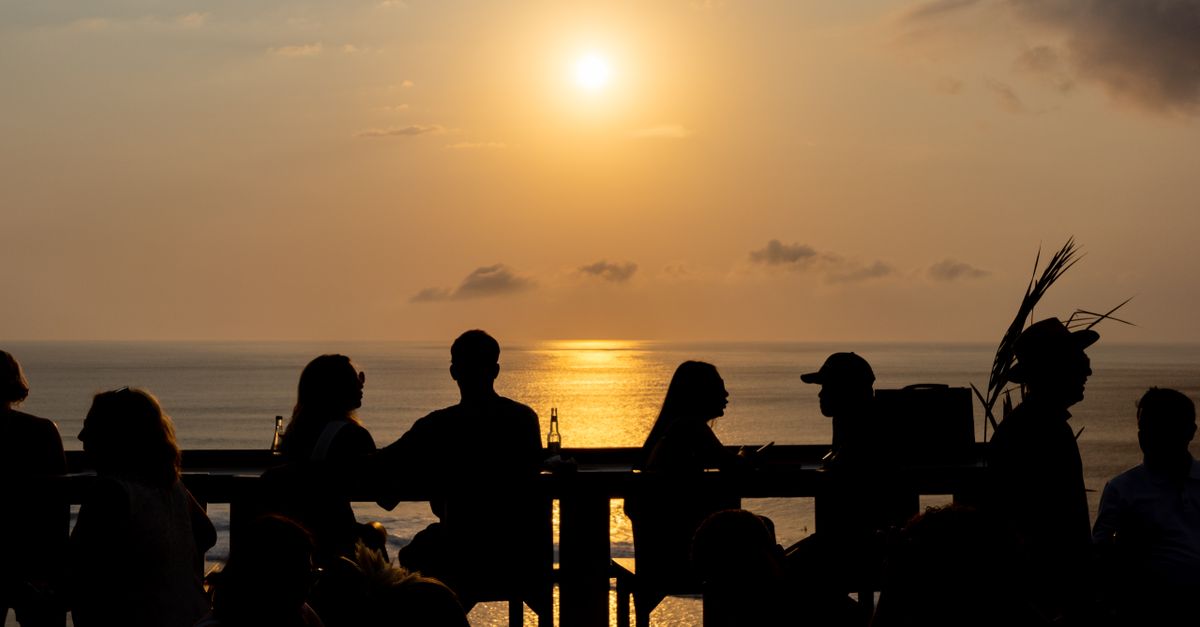
You’ve made it to the top. The sunrise is doing its thing: oranges and pinks bleeding across the sky, the clouds sitting below you like cotton wool, Mount Agung standing enormous on the horizon. Your legs are burning. Your hands are cold. And your guide is already cracking eggs on a volcanic steam vent.
That summit breakfast is a proper Bali moment. Banana sandwiches, boiled eggs cooked in the mountain’s own geothermal heat, toast, and sweet Indonesian coffee. It’s basic, but sitting at 1,717 metres watching the sun come up while eating eggs literally cooked by a volcano. It doesn’t get more Bali than that.
The descent is quicker but demands concentration. The loose scree that was merely annoying on the way up becomes properly slippery going down, especially once the sun dries it out. Take your time, use trekking poles if your guide offers them, and let your quads do the work rather than your knees. This is where those squat sessions pay off.
If you’ve any energy left, many tours offer a stop at the natural hot springs near Toya Devasya at the base of Mount Batur (entry around IDR 300,000). After a pre-dawn hike up an active volcano, sinking into hot mineral water with views of the caldera is about as good as recovery gets. I’d recommend it, especially if your legs are talking to you. Most people are back at their accommodation by midday, which leaves the rest of the day for a well-earned nap (or, if you’re truly mad, a sunset session at one of Bali’s beach clubs).
Hiking Mount Batur isn’t the hardest thing you’ll ever do, but it’s one of the most rewarding mornings you’ll have in Bali, especially if you arrive prepared. Train your legs and your lungs in the weeks before, pack the right layers, book a decent guide, and embrace the absurdity of setting an alarm for 1:45 AM on holiday.
The sunrise from 1,717 metres is everything the Instagram photos promise, and then some. The volcanic breakfast is brilliantly bizarre. And the satisfaction of standing on top of an active volcano, knowing your body got you there comfortably, stays with you long after the tan fades.
FAQs
How hard is hiking Mount Batur for a beginner?
Mount Batur is a moderate hike suitable for anyone with a reasonable level of fitness. The trail covers around 7 km round trip with 700 metres of elevation gain. The final third is the toughest section, with steep loose volcanic scree. If you can walk uphill briskly for 90 minutes without stopping, you’ll manage it, but some leg training beforehand makes it much more enjoyable.
How long does the Mount Batur sunrise trek take?
The ascent takes 1.5 to 2 hours, depending on your fitness and the group’s pace. You’ll spend about an hour at the summit for sunrise and breakfast, then 1 to 1.5 hours coming down. With travel time from your hotel, expect to give up around 8 hours of your day, most of it before lunch.
Do you need a guide to hike Mount Batur?
Yes, a registered guide is mandatory. The Kintamani trekking association enforces this with checkpoints at the trailhead. You cannot hike independently. In my experience, a good guide is worth every rupiah: they know the trail in the dark, set an appropriate pace, and handle all the logistics.
How much does it cost to hike Mount Batur in 2026?
A shared group tour costs IDR 600,000–800,000 per person (roughly £30–40), which typically includes hotel pickup, guide, trekking permit (IDR 100,000), and summit breakfast. Private guides run IDR 1,000,000–1,500,000 for two people, plus transport. Budget an extra IDR 50,000–100,000 for a guide tip.
What should I wear for the Mount Batur hike?
Dress in breathable layers: a moisture-wicking base, a long-sleeve top, and a windproof jacket. Leggings or lightweight trousers (not shorts). Sturdy hiking shoes or trail runners with good grip, never sandals. The summit temperature drops to 10–15°C before sunrise, so you’ll want that jacket even though Bali is tropical.
What is the best time of year to hike Mount Batur?
April to October (the dry season) offers the clearest skies and most reliable sunrise views. November to March is the rainy season: the trail becomes slippery and cloud cover can obscure the sunrise. I’ve hiked in both and would strongly recommend dry season for your first attempt.
Can I hike Mount Batur if I’m not very fit?
Most reasonably healthy people can complete the hike, but how much you enjoy it depends on your preparation. The final section is steep and the early morning start is tiring. If you’re not confident, a few weeks of walking, stair climbing, or light jogging before your trip will help. There’s also a jeep tour option for those who want the sunrise without the hike.
What do you eat for breakfast at the top of Mount Batur?
Most guides prepare a basic breakfast using volcanic steam vents at the summit. Expect banana sandwiches, boiled eggs, toast, and Indonesian coffee or tea. It’s simple but surprisingly satisfying after the climb. Bring your own snacks if you want something more substantial (I always pack a protein bar).
Are the hot springs near Mount Batur worth visiting after the hike?
Yes, and I’d say they’re well worth it. The natural hot springs at Toya Devasya, near the base of Mount Batur, are brilliant for post-hike recovery. Entry costs around IDR 300,000. Soaking in hot mineral water with views of the caldera after scrambling up a volcano for two hours is one of those perfectly Bali combinations. Most tour operators offer this as an add-on.
How far in advance should I book the Mount Batur sunrise trek?
During peak season (June to August), I’d book at least a week in advance to secure your preferred date and a reputable operator. In shoulder season, two or three days is usually fine. Booking through your accommodation often gets you a reliable local guide rather than a faceless comparison-site operator. Always confirm what’s included: pickup, permit, breakfast, and whether the hot springs stop is part of the package.