The Art of Balinese Massage: Traditional Techniques for Modern Stress Relief
What a traditional Balinese spa treatment actually involves: the techniques, the history, and where to find an authentic Balinese massage in Bali.
The first proper Balinese massage I had wasn’t in a fancy spa. It was in a tiny open-fronted place down a Ubud lane, ceiling fan ticking overhead, a grandmother-aged therapist who took one look at my hunched laptop shoulders and sighed knowingly. An hour later I floated out feeling like someone had quietly reassembled me. That’s when I understood that a traditional Balinese spa treatment isn’t a luxury add-on to a holiday here — it’s woven into how the island actually lives.
We tend to lump it in with every other “massage” on a spa menu. But Balinese massage is its own thing, with deep roots and a particular rhythm, and once you know what’s happening under those warm, oiled hands, you appreciate it on a completely different level. So this is the guide I wish someone had handed me on day one: where it comes from, what the therapist is actually doing, the scrubs and pastes that go with it, what to expect when you lie down, and how to find the real thing rather than a rushed tourist version. Whether you’re booking your first or your fiftieth, there’s more going on here than relaxation.
What is a Balinese massage, exactly?
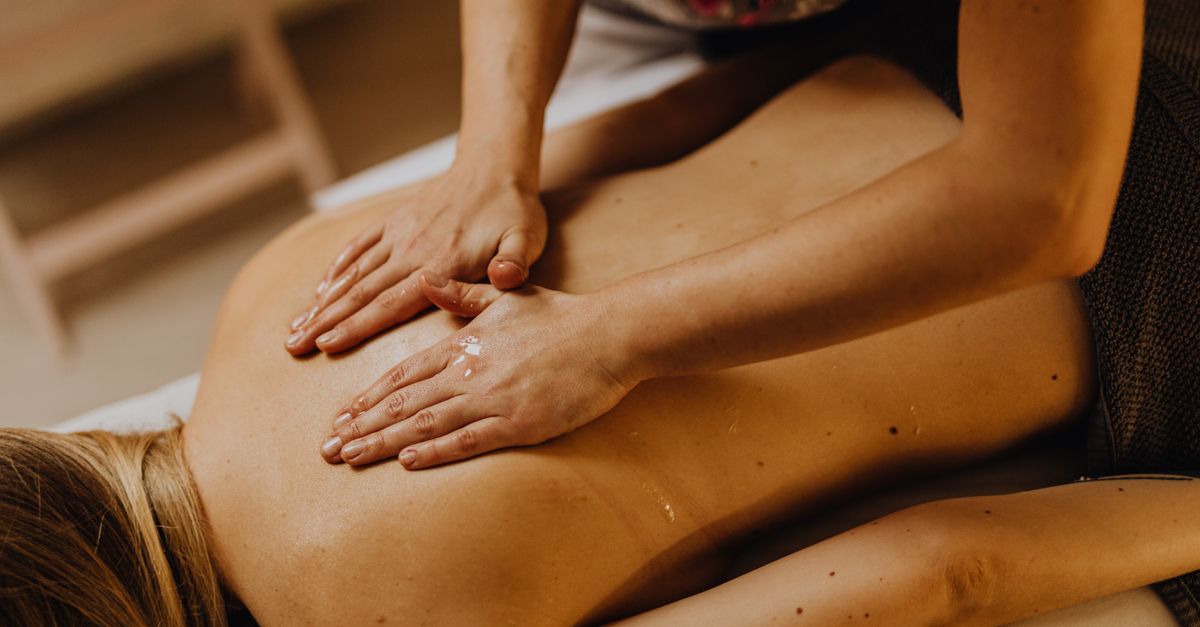
A Balinese massage is a full-body treatment that blends acupressure, gentle stretching, skin rolling and long flowing strokes with aromatic oils, designed to move energy as much as to ease muscle. That’s the short, snippet-friendly answer — but it undersells it.
Unlike a brisk Swedish massage or the pulled-about stretches of a Thai one, a balinese massage alternates firm and soft. A therapist might press deeply into a knotted shoulder using palm and thumb, then switch to long, slow sweeps down the back, then a feather-light flick. The idea, drawn from older healing traditions, is to clear blocked energy pathways while physically working the muscle. It’s holistic by design: most sessions also include your feet, your scalp and your hands, so you leave loosened head to toe rather than just down the spine. It is, in my experience, the single most reliable cure for the stiffness of long-haul flights and longer days hunched over a screen.
Where the tradition actually comes from
This is where it gets interesting. Balinese massage isn’t a single invented technique — it’s a centuries-old crossroads. Historians trace the arrival of South-East Asian massage to roughly 600–800 AD, around the same time Hinduism and Buddhism spread through the islands.
What landed in Bali was a blend: warm-oil work and the concept of energy balance from Indian Ayurveda, pressure-point and meridian theory from traditional Chinese medicine, and Bali’s own herbal and temple-inspired practices layered on top. That heritage is why a proper session can feel almost ceremonial — the mindfulness isn’t marketing, it’s baked in. Understanding this also explains why no two Balinese massages feel identical: every therapist carries a slightly different lineage of technique, often passed down within a family. When people talk about a balinese spa retreat being “spiritual”, this is what they mean — the practice was never purely physical.
The techniques that set it apart
If you pay attention during a session, you’ll notice the therapist working through a real repertoire rather than just rubbing. The signatures of authentic balinese massage technique include acupressure — firm, sustained pressure on specific points to stimulate energy flow — alongside skin rolling, friction, rhythmic percussion (those gentle karate-chop taps), and the characteristic palm-pressure glide, where they roll from the knuckles down to the heel of the hand along your muscles.
It’s this variety that makes it feel so thorough. The percussion wakes up circulation; the deep acupressure targets the actual knots; the long strokes spread the oil and calm the nervous system. A good therapist reads your body and adjusts — more depth where you’re tight, lighter where you flinch. Don’t be shy about saying “lebih keras” (harder) or “pelan” (softer); they’d far rather you spoke up. The best ones I’ve met work almost intuitively, and you can feel the difference between someone going through the motions and someone who genuinely knows the map of a tense back.
Lulur, boreh and the wider traditional Balinese spa treatment
The massage is often just the opening act. A full traditional balinese spa treatment usually pairs it with one of two island classics. Lulur is a body scrub with royal Javanese roots — turmeric, rice powder and spices buffed over the skin after the massage to exfoliate and leave you glowing, traditionally part of a Javanese bride’s pre-wedding ritual.
Boreh is the earthier cousin: a warming paste of cinnamon, cloves, ginger, rice powder and coconut oil that Balinese rice farmers invented to soothe aching muscles and ward off chills after a day in the paddies. Smoothed on and left to work, it creates a deep, comforting heat — wonderful if you’ve overdone the surfing or the volcano hikes. Many spa packages finish the whole ritual with a flower bath: a warm soak strewn with frangipani petals. Add it all together — massage, scrub, paste, bath — and a couple of hours disappear. This is the version worth booking when you want the full experience rather than a quick fix.
What to expect on the table
If it’s your first time, here’s the honest run-through. A session usually lasts 60, 90 or 120 minutes and often opens with a foot bath and foot massage before any full-body work. You’ll undress to your comfort level — disposable underwear is normally provided — and lie under a sarong or towel, with only the area being worked on uncovered.
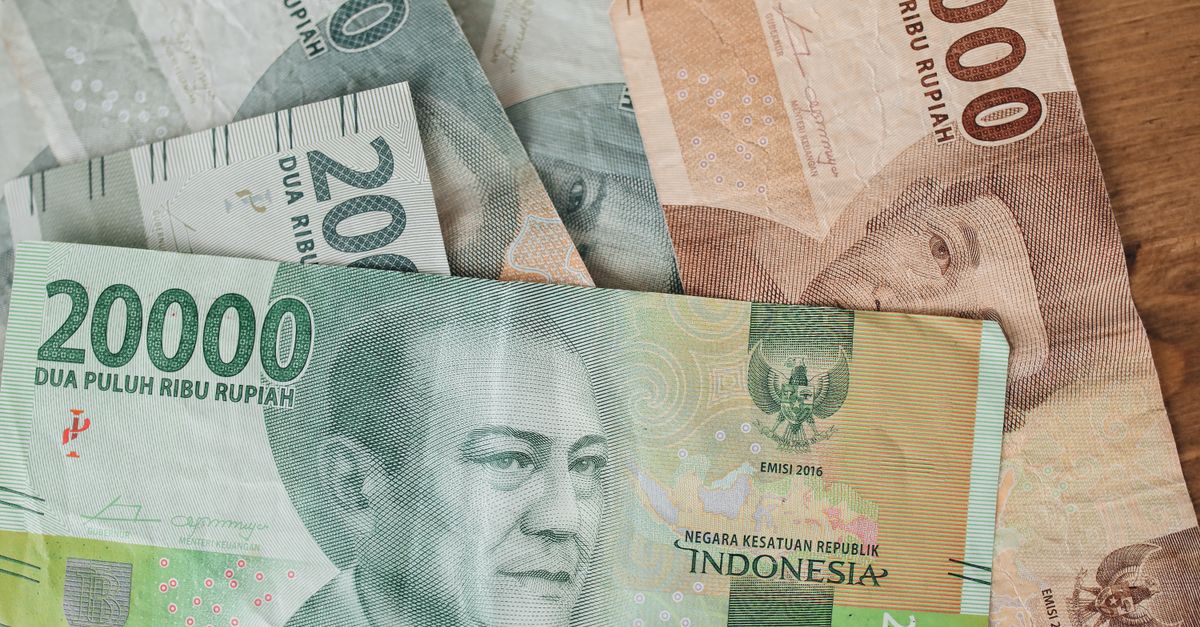
The oils are part of the pleasure: expect sandalwood, lemongrass, frangipani, jasmine or pandan, chosen to relax rather than energise. Lights low, soft gamelan or birdsong in the background, and a therapist who’ll usually check your pressure preference early on. Afterwards, drink water and don’t leap straight onto a scooter — give yourself a slow half-hour. As for cost, a 60-minute balinese massage price ranges from around Rp 100,000 at a simple local spot to Rp 1,000,000-plus at a luxury resort, with roughly Rp 400,000 a fair mid-range and 90 minutes nearer Rp 550,000. Tipping isn’t required but is appreciated — I usually leave around 10% in cash.
Where to find an authentic Balinese massage
You don’t need a five-star budget for the real thing — some of the best hands I’ve found work in modest spaces. In Ubud, long-running spots like Sang Spa (going since 2007) and the rice-field hideaway of Karsa Spa deliver genuinely skilled, traditional work at fair prices, while Taksu Healing Haven does a more ceremonial version with lulur and a flower bath. Across the island, look for places with recent, specific reviews mentioning the therapists by name — that’s usually the tell.
One tip I swear by: if you’re arriving jet-lagged or flying out stiff, a massage at the airport transit spa, Jasmine Aromatic House, is a small act of self-kindness that makes the whole journey civilised. Wherever you go, book ahead, arrive a few minutes early, and treat it as more than a tick-box treat — done properly, a Balinese massage is one of the most grounding things this island offers.
If you try one, I’d love to hear which spot won you over. And if you want to turn it into a whole afternoon, my guide to Ubud’s hidden spa retreats is the natural next read.
❓ FAQs
What is a traditional Balinese massage?
It’s a full-body treatment combining acupressure, skin rolling, percussion and long oiled strokes, rooted in Ayurvedic, Chinese and local Balinese healing. It aims to move energy and relax muscle at the same time, and usually includes the feet, hands and scalp as well as the back.
How is Balinese massage different from Thai massage?
Balinese massage uses warm oils and flowing, pressure-based strokes while you lie still. Thai massage is oil-free and involves the therapist stretching and folding your body into yoga-like positions. Balinese tends to feel more soothing; Thai feels more like assisted exercise.
How much does a Balinese massage cost in Bali?
Anywhere from around Rp 100,000 for a 60-minute massage at a simple local spa to over Rp 1,000,000 at a high-end resort. A good mid-range spa is usually around Rp 400,000 for an hour, or roughly Rp 550,000 for 90 minutes (2026 figures — always confirm when booking).
How long should a Balinese massage be?
Sixty minutes is plenty for a general unwind, but if your shoulders and back are genuinely tight, book 90 minutes so the therapist isn’t rushing. Full ritual packages with a scrub and flower bath run two hours or more.
What is lulur?
Lulur is a traditional body scrub of turmeric, rice powder and spices, applied after the massage to exfoliate and brighten the skin. It comes from the royal courts of Java and was historically part of a bride’s pre-wedding preparation.
What is boreh?
Boreh is a warming herbal paste — cinnamon, cloves, ginger, rice powder and coconut oil — created by Balinese rice farmers to ease tired muscles and warm the body. Spread on the skin, it produces a comforting heat that’s lovely after strenuous activity.
Is Balinese massage painful?
It shouldn’t be. It can be firm, especially during the acupressure on knotted areas, but a good therapist works to your tolerance. Say “pelan” for softer or “lebih keras” for firmer — communicating is completely normal and welcomed.
What should I wear for a Balinese massage?
Wear something easy to change out of. You’ll usually be given disposable underwear and covered with a sarong, undressing only to your comfort level. For a package that includes a flower bath, bring or request swimwear.
Is Balinese massage safe during pregnancy?
Many spas offer a modified prenatal massage, but you must tell them you’re pregnant when booking so they avoid certain pressure points and positions. If in any doubt, check with your doctor first, particularly in the first trimester.
Where can I get the most authentic Balinese massage?
Ubud is the spiritual home of Balinese healing, with long-established spas and skilled local therapists. Look for places with recent reviews that name individual therapists, and don’t assume pricier means better — some of the finest treatments come from small, unassuming spots.
Before you go — I wrote this in 2026 and double-checked every price, fee, opening time and rule I could, but Bali changes fast. Treat the figures here as a guide and confirm the latest details before you book or travel.
Some of the links in this article are affiliate links: if you book through them I may earn a small commission at no extra cost to you. I only ever recommend things I would happily send a friend to.