Umalas Bali: The Expat Gem Between Canggu and Seminyak That Tourists Are Finally Discovering
Where to stay in Umalas Bali: the quiet expat gem between Canggu and Seminyak, with villas, rental costs, cafes and who it suits.
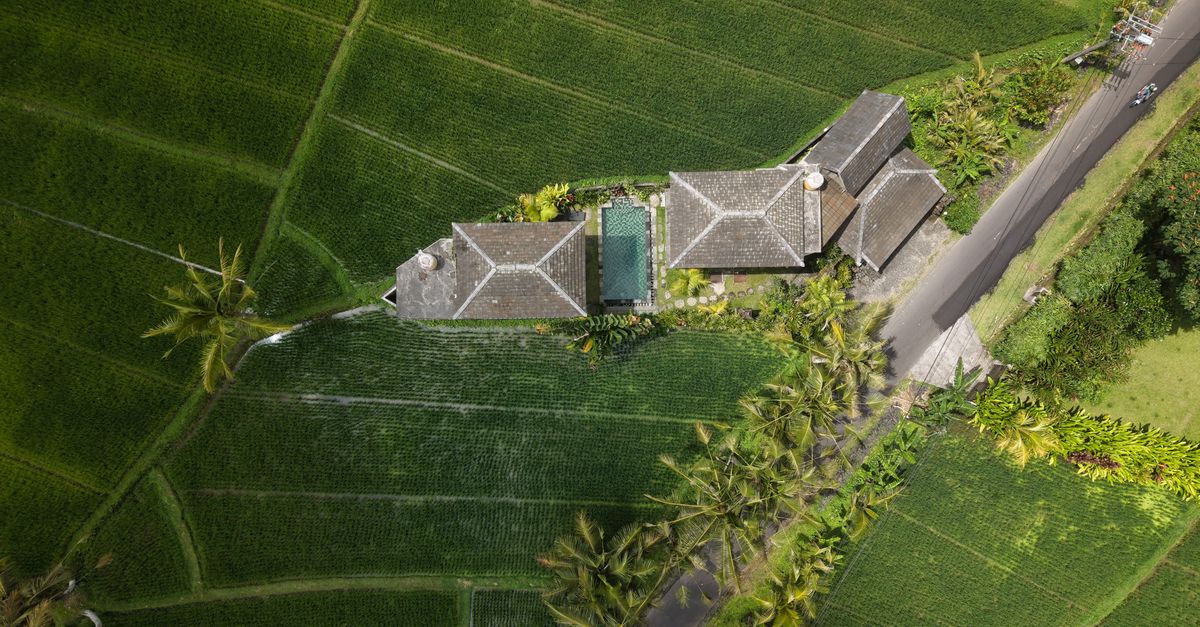
I came to Bali meaning to spend six months in Canggu. By month three I’d quietly moved to Umalas, and I’ve never really looked back. It wasn’t a grand plan. I just kept driving through this pocket of rice paddies and villas on my way to somewhere louder, and one day it dawned on me that the calm bit in the middle was where I actually wanted to be.
If you’re weighing up where to stay in Umalas Bali versus the areas either side of it, this is the honest version I wish someone had handed me. Umalas is that neighbourhood you pass through without registering. It’s wedged between Seminyak, which everyone knows, and Canggu, which everyone’s heard of: full of tree-lined lanes, working rice fields, and cafés that don’t need a viral moment to stay busy. Long-term expats have known about it for years. Lately, more families, more remote workers and more restaurants are arriving, and the secret is leaking. Here’s where it is, what it’s like to actually stay here, and who it suits, trade-offs and all.
Where Umalas Is and How to Get Around
Umalas isn’t a beach town or a postcard destination: it’s a residential triangle in South Bali, and its whole appeal is being close to everything without being in any of it. Seminyak sits to the south (a 10-minute drive on a good day), Canggu to the east (10–15 minutes), and Kerobokan wraps around the north. Batu Belig beach and Berawa are both about five minutes away by scooter. From Ngurah Rai airport, budget 45 minutes to an hour depending on traffic, which in this part of Bali is never a given.
Here’s the practical bit people underestimate: Umalas is not walkable in the way Seminyak or central Canggu are. The lanes wind, pavements come and go, and the good stuff is spread out. You’ll want wheels. My honest advice on how to get around Umalas:
- Gojek or Grab for most trips: open the app, a scooter or car turns up in minutes, and a hop across the neighbourhood runs around IDR 20,000–50,000. This is what I use most.
- Scooter hire if you’re confident: roughly IDR 70,000–100,000 a day and it buys real freedom. You can arrange one through a Bali scooter rental and have it dropped to your villa.
- A private driver for day trips or if two wheels aren’t your thing: around IDR 500,000–700,000 for a car and driver for the day. Booking a private car charter ahead takes the haggling out of it.
One safety note, because Bali roads bite: the urban speed limit here is 50 km/h, helmets are non-negotiable, and if you’ve never ridden a scooter, Umalas’s quiet lanes are honestly not the worst place to learn, but a lesson first is money well spent.
The Vibe: Quiet Lanes, Villas and Café Culture
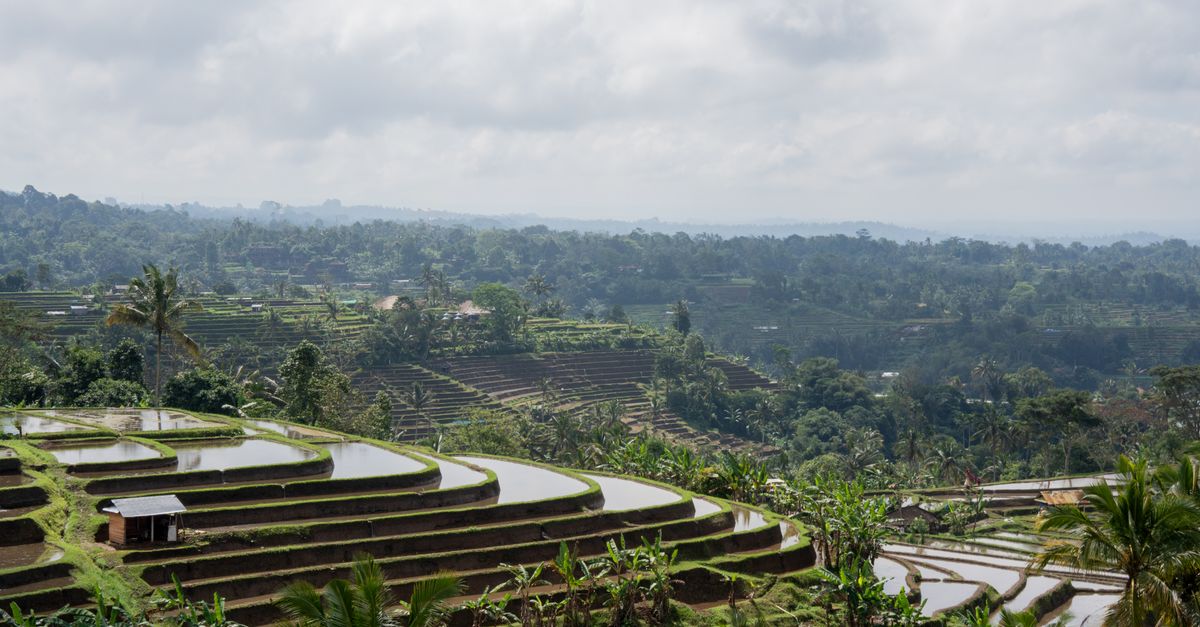
If Canggu is a party you can hear three streets away, Umalas is the neighbourhood where you can hear the frogs at night. That’s the trade in a sentence. There are no mega beach clubs, no wall-to-wall hotels, no crowds queuing for a selfie outside a café. What there is instead: residential calm, working rice paddies you can walk past before the heat sets in, and a café culture that feels genuinely lived-in.
The character here is villa-and-café, with a strong wellness and expat undercurrent. Mornings are for slow coffee and a Pilates class; evenings are for a long dinner with friends rather than a night out. You’ll overhear Balinese spoken as much as English, and (a quirk that surprises people) a fair bit of French. The Lycée Français de Bali is nearby, which has drawn a real French community over the years: French bakeries, a certain unhurried sensibility, one long-term resident telling me it reminded her of “Provence before the tourists ruined it.”
It’s not undiscovered anymore, and I won’t pretend otherwise. Five years ago this was mostly paddies and villas; now the cafés are multiplying and the rents are climbing. But the development has been gradual rather than the gold rush that reshaped Canggu. The rice fields are still here. The quiet lanes are still quiet. For now, Umalas reads as a proper neighbourhood that happens to have very good coffee, which, if you’re choosing a base in Bali, is a rare and underrated thing.
Where to Stay in Umalas: Villas and Rough Costs
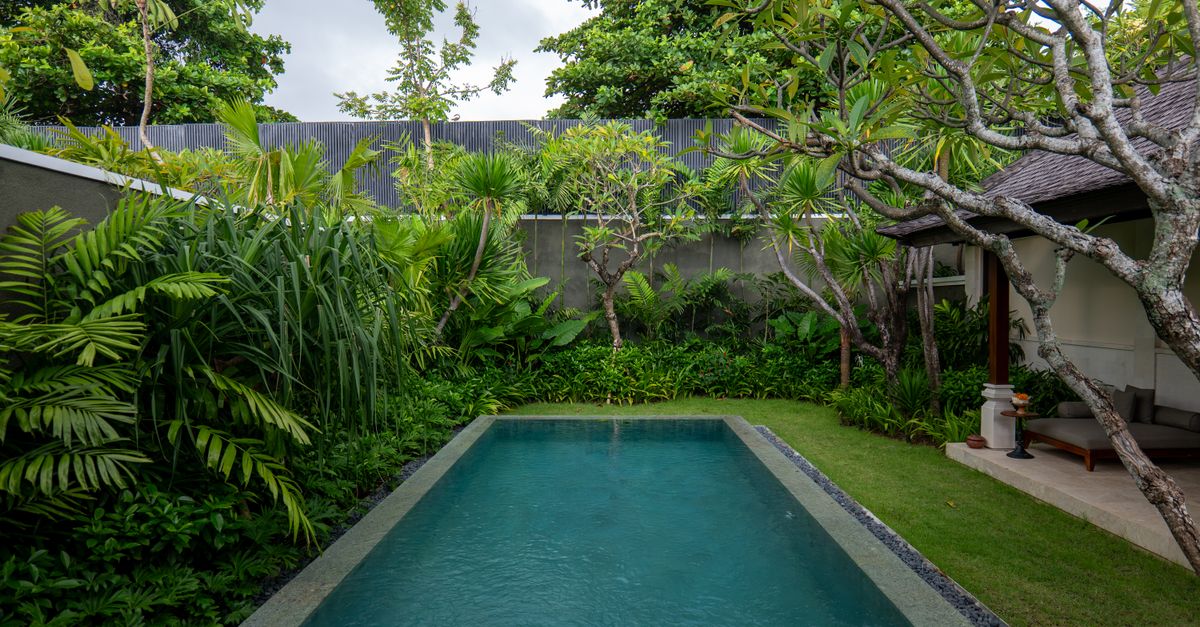
Unlike Canggu or Seminyak, Umalas doesn’t do big hotels. What it does is private villas (from four-bedroom family compounds to one-bed boltholes tucked behind a paddy) plus a handful of boutique stays. If you’re deciding where to stay in Umalas Bali for a holiday rather than a move, a villa for a few nights is the way to feel the place out.
A few I’d point you to, all trading in 2026:
- Own Villa: the neighbourhood’s most talked-about property. An eco-lodge of standalone thatched pavilions (the design nods to Batak architecture from North Sumatra) arranged around a pool, with an in-villa spa and its own restaurant, Own Table, doing Indonesian-meets-Italian home cooking that non-guests can book ahead. It feels like staying in someone’s beautifully curated home rather than a resort.
- El Barrio: a retro-tropical boutique hotel and bar with a fun, colourful streak. Good if you want a little buzz and a cocktail on your doorstep without decamping to Seminyak.
- The Apartments Umalas: clean, well-priced and popular with nomads and longer-stay visitors. Not luxe, but solid and reliable.
On money: villa rental in Umalas typically runs 15–25% cheaper than comparable places in central Canggu or Seminyak, which adds up fast over a month. As of 2026, monthly villa rentals start around USD 2,100 (roughly IDR 34 million) for a two-bedroom, and yearly leases from about USD 22,685 for the same, though the range is enormous depending on pool, size and how new the build is. For short stays, it’s worth comparing what’s live on a Bali villa search against direct villa-management sites, since availability and pricing swing hard with the season. Whatever you book, verify ownership and use a secure platform: rental scams do exist here.
Eating Well: Cafés, Bakeries and Kerobokan Warungs
The food is genuinely one of the best reasons to base yourself here, and it splits neatly into two worlds: the expat café scene, and the local warungs a short ride north.
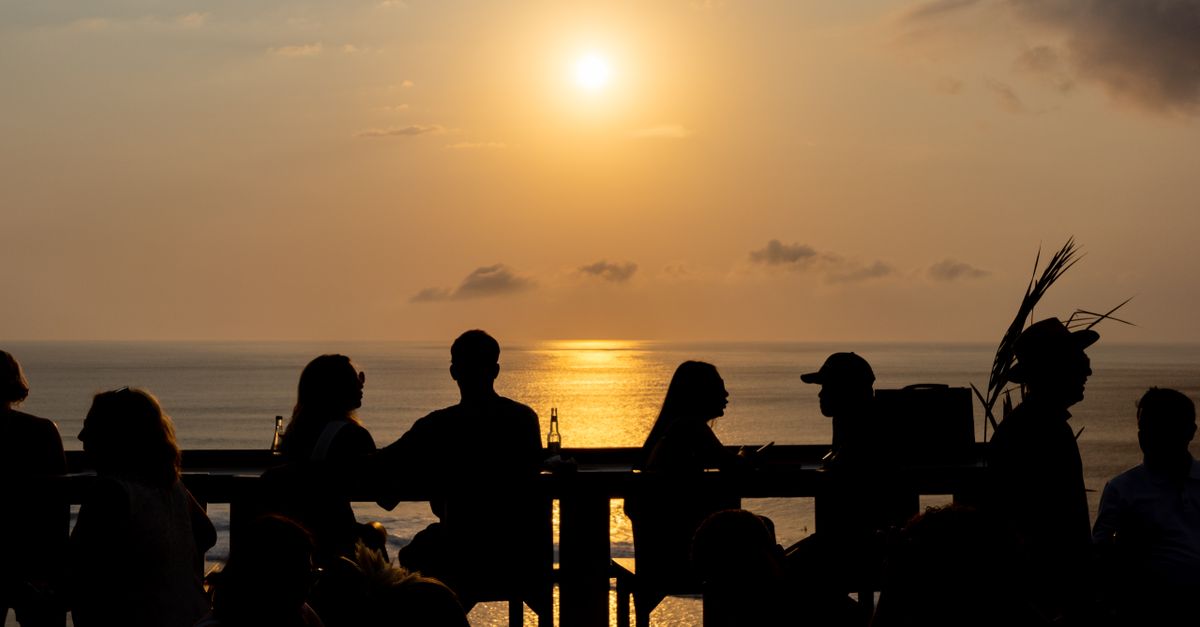
On the café side, 7AM Bakers Club is the one I send everyone to first: a French-run bakery doing proper bread, croissants and coffee, open early and closing by late afternoon because it’s run by people who care more about the bake than the footfall. Monsieur Spoon, a Parisian-family bakery going since 2012, is the other reliable croissant fix. For a longer sit-down, Nook is the classic: a rustic pavilion perched over rice fields, open late morning through the evening, doing smoothie bowls, Indonesian plates and a sundowner cocktail with a view that still stops me mid-sentence.
But the real value (and the real Bali) is in the warungs of neighbouring Kerobokan, five minutes north. These are small, family-run spots feeding local workers, where a full meal runs IDR 40,000–80,000 and tastes better than most of what you’ll pay triple for in Seminyak. Look for a Rumah Makan Padang, where you order rice and then pick from a spread of curries and vegetables (IDR 50,000–100,000 for a feast), or flag down a bakso cart for meatball soup at IDR 15,000–25,000 a bowl. My genuine advice: split your eating between the two worlds. Café breakfasts, warung lunches. Your stomach and your wallet will both thank you.
Who Umalas Suits (and Who It Won’t)
I’ll be blunt, because choosing the wrong area in Bali is an expensive mistake. Umalas suits some people beautifully and bores others rigid.
It’s a natural fit for families: the streets are quiet and safe, there are international schools within reach (the Lycée Français de Bali chief among them), and you’re not stepping over anyone’s big night out at 11pm. It suits longer-stay digital nomads who’ve done the party circuit and want stability: reliable-enough internet, a coworking option in ROU Coffee & Coworking, good food, and Seminyak’s beaches fifteen minutes away when you want them. And it suits wellness-minded people: Umalas Pilates Studio, Maja Healing and a scatter of gyms and yoga spaces keep the mornings honest.
Who it won’t suit? If you’re young, single and here for nightlife, Umalas will feel dead after 11pm. Canggu or Seminyak are your places. If you need to walk everywhere, the spread-out layout will frustrate you. And if you’re chasing “undiscovered,” you’re a few years late; it’s quieter than Canggu, but the secret’s out. There are also the ordinary Bali realities: the occasional power cut, patchy internet in older villas, and a dawn chorus of roosters and dogs that no amount of rent will silence. None of that put me off. But you should know it going in.
Conclusion
Umalas is where you land when you’re ready to treat Bali as a place to live rather than a place to photograph. You can wake in a villa with a pool, walk past real rice fields before breakfast, eat a warung lunch for a couple of pounds, and still be at a Seminyak beach club by mid-afternoon if the mood takes you, all without living inside the noise. That balance of calm, access and genuine local texture is rarer than it sounds.
If a quieter, more grounded base appeals more than a front-row seat to the party, put Umalas high on your list. And go soon, while the rice fields are still winning. If you’ve stayed here yourself, I’d love to know which café you claimed as your local; and if you’re deciding between areas, my guide to nearby neighbourhoods is a good next read.
FAQs
Is Umalas a good area to stay in Bali?
Yes, especially for families, longer-stay nomads and anyone who prefers calm over crowds. It’s quiet and residential, close to Seminyak and Canggu, and better value than either, but it’s not the pick if you want nightlife or to walk everywhere.
Where exactly is Umalas?
It’s a residential area in South Bali between Seminyak (about 10 minutes south) and Canggu (10–15 minutes east), bordering Kerobokan to the north, roughly five minutes from Batu Belig beach and around 45–60 minutes from the airport.
Is Umalas cheaper than Seminyak or Canggu?
Generally yes, villa rentals tend to run about 15–25% less than comparable places in central Seminyak or Canggu, and local food is cheaper too. Prices are rising as the area develops, so verify current figures before booking.
How much does it cost to rent a villa in Umalas?
As of 2026, monthly rentals start around USD 2,100 (roughly IDR 34 million) for a two-bedroom villa, with yearly leases from about USD 22,685. The range is wide depending on size, pool and how new the villa is, always confirm current pricing directly.
Do I need a scooter in Umalas?
It helps a lot. The area is spread out and not very walkable, so you’ll want a scooter, Gojek/Grab rides, or a private driver to move between cafés and beaches. Only ride if you’re confident, and always wear a helmet.
Is Umalas walkable?
Only partly. Some cafés and restaurants cluster within walking distance if you pick your villa well, but most trips need transport. Don’t count on walking as your main way around.
What are the best cafés and restaurants in Umalas?
7AM Bakers Club and Monsieur Spoon for French bakery and coffee, Nook for a rice-field dinner, and Own Table (inside Own Villa) if you book ahead. For local food and better value, head five minutes north to the warungs of Kerobokan.
Is Umalas good for families?
Very. The quiet, safe streets, international schools like the Lycée Français de Bali, and calmer pace make it one of the more family-friendly bases in South Bali.
Is Umalas safe?
It’s considered one of Bali’s calmer, safer residential areas, with low crime. Use the usual precautions (don’t flash valuables, take care on the roads at night), but it’s a comfortable place to base yourself.
Will Umalas stay quiet or become the next Canggu?
It’s changing (more cafés, more visitors, rising rents), but the development has been gradual rather than a boom, and the rice fields and residential feel are still very much intact. It’s unlikely to match Canggu’s intensity soon, though it won’t stay a secret forever.
Before you go: I wrote this in 2026 and double-checked every price, fee, opening time and rule I could, but Bali changes fast. Treat the figures here as a guide and confirm the latest details before you book or travel.
Some of the links in this article are affiliate links: if you book through them I may earn a small commission at no extra cost to you. I only ever recommend things I would happily send a friend to.