Where to Live in Bali: Canggu vs Ubud vs Sanur (An Honest Comparison)
An honest, lived-in comparison of Canggu, Ubud and Sanur for remote workers deciding where to actually base themselves in Bali, not just visit.

The first time I tried to ride the Shortcut in Canggu at 5pm, I sat behind a cement lorry for twenty minutes to travel about 800 metres. That afternoon taught me more about where to live in Bali than any blog had. The question isn’t really which area is prettiest. It’s which version of daily life you can actually sustain while holding down work, wifi calls and some semblance of a routine.
I’ve based myself in all three of the usual contenders (Canggu, Ubud and Sanur) at different stretches over the years, and I’ve watched a lot of people arrive certain they wanted one, then quietly move to another within a month. Visiting Bali and living in Bali are different sports. A place that’s magic for a two-week holiday can be exhausting as a base, and somewhere that feels too sleepy on day three becomes the thing that saves your sanity by week six.
So this is the honest comparison I wish I’d had: not a glossy listicle, but the trade-offs that actually shape your week: rent, traffic, wifi, the people you’ll meet, and how knackered you’ll be by Friday. I’ll be specific about what each place costs and what it takes from you, downsides included.
Canggu: the remote-work capital that comes at a price
Canggu is where most people picture themselves, and I understand why. It’s the obvious answer to “Canggu remote work”: cafés with fast fibre and flat whites, a coworking scene that actually has community, surf five minutes away, and a gym for every body-type fad you can name. Dojo Bali sits a minute from the beach and runs day passes from around IDR 200,000, climbing to roughly IDR 2,500,000 a month for unlimited access. You’ll never be short of a desk or a networking event.
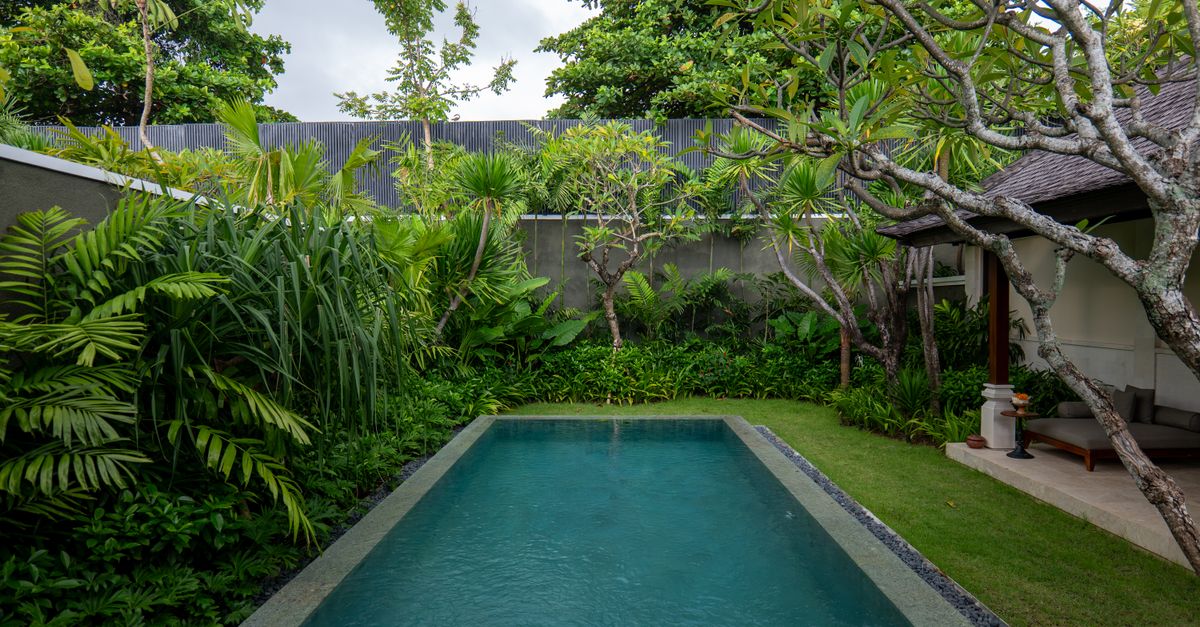
But living in Canggu is the most expensive of the three by a clear margin: a three-bedroom villa can run toward USD 3,500 a month, and even a modest one-bed with a plunge pool isn’t cheap anymore. The traffic is the real tax, though. The Shortcut and Batu Bolong at rush hour are a slow-motion scrum of scooters, and getting a scooter is less a lifestyle choice than a survival requirement. If your idea of a base is buzzy, social and you’re fine paying for it, Canggu delivers. If you want calm, read on.
Ubud: green, grounding, and quietly excellent for focus
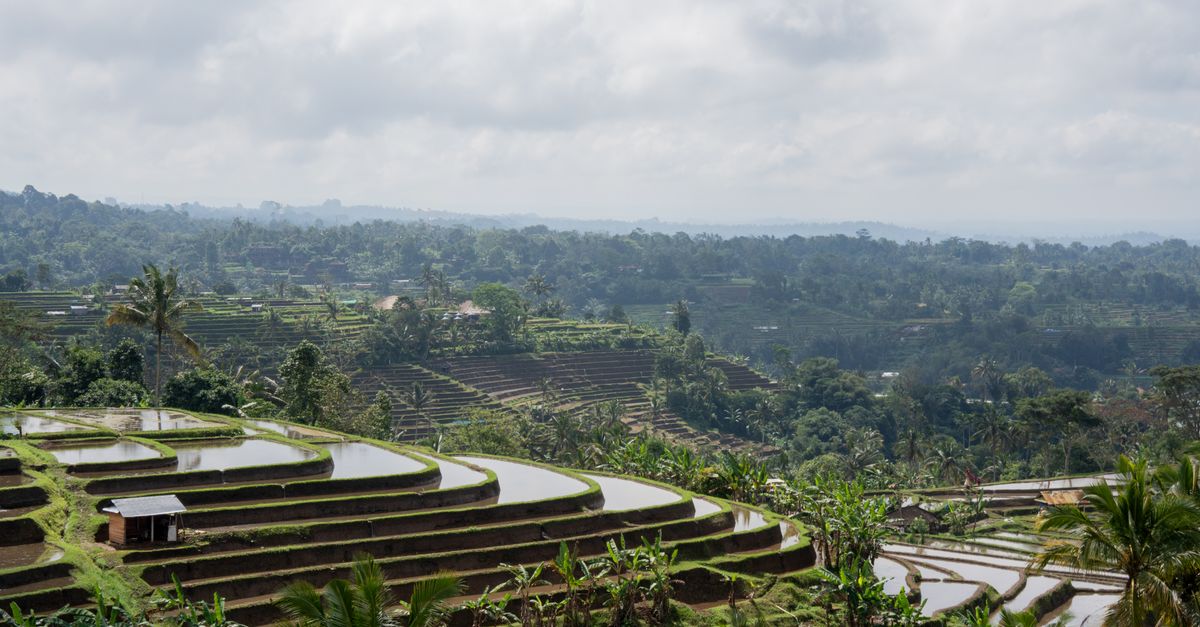
Ubud sits inland among the rice terraces, and the shift in air is immediate: cooler, greener, slower. It’s become one of the most underrated Bali nomad neighbourhoods for people who actually need to get deep work done rather than just be seen doing it. Outpost runs a lovely coworking and coliving setup over in Penestanan, and the cafés feel built for laptops and long mornings rather than influencer photoshoots.
Living in Ubud is also gentler on the wallet than Canggu: comfortable private villas on the outskirts land closer to USD 1,800–2,500 a month, and your day-to-day spending drops too. What you trade is energy and edge. There’s no surf, the nightlife is essentially a smoothie bowl and an early night, and the wellness-retreat intensity can tip into a bit much: there are only so many sound baths a person needs. The Hindu temple ceremonies woven through daily life here are genuinely special to witness, and worth being respectful and quiet around. Ubud suits writers, builders, anyone whose work rewards stillness.
Sanur: the quiet base everyone overlooks
Sanur is the one people skip on the way to somewhere flashier, and it’s precisely why I keep recommending it. It’s the calmest of the three: a long, calm-water beach on the east coast, a flat seafront path you can actually cycle, and a pace that’s closer to a coastal town than a scene. As one of the quiet places to live in Bali, it’s long been popular with older expats and families, which tells you everything about how steady it is.
Living in Sanur costs roughly what Ubud does and well under Canggu, and the practical wins are real: the airport is a short, mostly painless hop, and the fast boats to the Nusa Islands and the Gilis leave from here. For Sanur for families Bali, it’s hard to beat: gentle sea, less scooter chaos, proper supermarkets. The honest downside is that the digital-nomad community is thinner; you’ll work more on your own and seek out company more deliberately. If you’ve already done your noisy season and want somewhere to settle, Sanur is the grown-up choice.
What it actually costs to live in each area
Numbers cut through the romance, so here’s the shape of it for 2026. Canggu is the priciest base; Ubud and Sanur are noticeably cheaper, both for Bali villa rent monthly and for everyday living. A comfortable private villa in Sanur or the Ubud outskirts sits around USD 1,800–2,500 a month, while an equivalent Canggu villa pushes far higher: three-bed places nudging USD 3,500.
Beyond rent, the differences are smaller but add up: Canggu cafés and gyms charge a premium, Ubud and Sanur don’t, though wherever you base yourself, eating at local warungs rather than cafés keeps food costs low across all three. Across all the Bali remote work areas you’ll budget for a scooter or, if you don’t ride, a private car and driver for longer trips and airport runs. And factor the one-off bits everyone forgets: the IDR 150,000 tourist levy per entry, plus visa costs. My rule of thumb: whatever a holiday in Canggu cost you per week, living there well costs more than you’d guess, and Ubud or Sanur quietly give you back a third of it.
Visas, wifi and the practical stuff before you commit
Before you fall for a villa, sort the boring scaffolding. If you’re working remotely long-term, the E33G Remote Worker KITAS is the proper route, but it asks for proof of around USD 60,000 annual income and a USD 2,000 bank balance, with self-processed fees of roughly USD 530–700. It’s not a casual visa, so be honest about whether you qualify before you build a life around it.
On wifi: villa connections vary wildly, so I never rely on home internet alone. Bali coworking spaces are the safety net (Dojo and Outpost in Canggu, Outpost in Ubud), and even in Sanur you’ll find quiet cafés with solid fibre. My advice for deciding where to base in Bali is unglamorous: rent month-to-month first, in two different areas if you can, and let your actual routine tell you the answer. The villa photos lie; your Tuesday afternoon doesn’t.
So, which one is right for you?
If I had to compress years of moving house into one line: Canggu for buzz and connection, Ubud for focus and calm, Sanur for steadiness and family life. Most people are happier than they expect once they stop chasing the loudest option. Don’t choose the area Instagram chose for you; choose the one that matches the week you actually want to live.
I’m still tweaking my own answer: I drifted from Canggu to Sanur and I’m not entirely sure I’m finished. If you’re weighing this up, reply and tell me what your non-negotiables are (surf, quiet, community, a school run), and I’ll tell you honestly where I’d point you. My list is never finished, and I genuinely love these messages.
Before you go: I wrote this in 2026 and double-checked every price, fee, opening time and rule I could, but Bali changes fast. Treat the figures here as a guide and confirm the latest details before you book or travel.
Some of the links in this article are affiliate links: if you book through them I may earn a small commission at no extra cost to you. I only ever recommend things I would happily send a friend to.
FAQs
Where is the best place to live in Bali for remote work? Canggu is the most popular base for remote workers thanks to its coworking scene and community. That said, Ubud suits people who want quiet and focus, and Sanur suits those who want calm and family-friendly living. The “best” area depends on whether you prioritise buzz, deep work or steadiness.
Is Canggu or Ubud better for digital nomads? Canggu is better for socialising, surfing and a fast-paced nomad scene, while Ubud is better for cheaper living and getting deep work done. Canggu has more coworking energy and nightlife; Ubud has rice fields, cooler air and a calmer rhythm. Many people start in Canggu and move to Ubud once they crave quiet.
How much does it cost to live in Bali per month in 2026? A comfortable remote-work lifestyle runs roughly USD 1,500–3,000 a month depending on area. Sanur and Ubud sit at the lower end with villas around USD 1,800–2,500, while Canggu pushes higher, with larger villas reaching about USD 3,500. Add scooter, food, coworking and visa costs on top.
Is Sanur a good place to live in Bali? Yes, Sanur is one of the calmest and most family-friendly areas in Bali. It has a gentle beach, a flat seafront path, easy airport access and fast boats to the Nusa Islands. The trade-off is a smaller digital-nomad community than Canggu.
Do I need a visa to live in Bali as a remote worker? Yes, the proper route is the E33G Remote Worker KITAS, a limited-stay permit for people working for companies outside Indonesia. It requires proof of around USD 60,000 annual income and a USD 2,000 bank balance. Self-processed fees are roughly USD 530–700.
Which area of Bali has the best wifi? Canggu generally has the most reliable infrastructure and the widest choice of coworking spaces, but villa wifi varies everywhere. Ubud and Sanur also have solid coworking options like Outpost and good cafés. Never rely solely on home internet: always have a coworking backup.
Is Canggu too crowded to live in now? Canggu has become genuinely busy, especially the main lanes at rush hour where traffic crawls. It’s still vibrant and well-served, but the congestion is a real daily factor. If crowds drain you, Ubud or Sanur will feel like relief.
What is the Bali tourist levy and do residents pay it? The Bali tourist levy is IDR 150,000 (about £8) per foreign visitor, paid once per entry via the official Love Bali portal. It funds cultural and environmental work on the island. It applies to tourists rather than Indonesian citizens, and is separate from your visa.
Is Ubud or Sanur cheaper to live in? Ubud and Sanur are similarly priced and both noticeably cheaper than Canggu. Comfortable villas in either area sit around USD 1,800–2,500 a month. Day-to-day costs (food, cafés, gyms) also tend to be lower than in Canggu.
Should I rent long-term before deciding where to live in Bali? Yes, rent month-to-month first, ideally trying two areas before committing. Villa photos rarely reflect the daily reality of traffic, noise and routine. Letting your actual working week guide the decision saves a lot of money and regret.