Balinese Shadow Puppetry: Experiencing Wayang Kulit Performances
My honest guide to Bali's centuries-old shadow puppet tradition: where to watch a dalang perform, what to expect, and why it's worth seeking out.
I sat cross-legged on a woven mat in a candlelit courtyard in Ubud, not entirely sure what I’d signed up for. The air smelled of clove cigarettes and frangipani. Then the lamp flickered behind a stretched white screen, and these extraordinary leather figures started to move, casting shadows that seemed far too alive for something controlled by a single pair of hands. I was watching wayang kulit in Bali for the first time, and honestly, it floored me.
Shadow puppetry isn’t one of those cultural experiences tourists stumble across easily. Most visitors to Bali see the Kecak fire dance or a Legong performance at Ubud Palace, and those are brilliant. But wayang kulit, this centuries-old art of leather puppets, flickering lamplight, and epic Hindu storytelling, sits in a quieter corner of Balinese culture. It’s harder to find, less Instagrammable, and infinitely more rewarding once you know what you’re watching.
If you’re the kind of traveller who wants to understand a place rather than just photograph it, this is one experience I’d genuinely urge you not to miss. Here’s everything I’ve learnt about finding, understanding, and properly appreciating wayang kulit performances across Bali.
What Wayang Kulit Actually Is (and Why You Should Care)
The name itself tells you a lot. “Wayang” means shadow or spirit in Javanese. “Kulit” means skin: specifically, the animal hide the puppets are carved from. So wayang kulit is, at its most literal, shadow skin. And that’s a surprisingly poetic description of what happens in practice: flat leather figures brought to life through light and shadow, telling stories that have been passed down for centuries.
Balinese shadow puppetry draws almost entirely from two Hindu epics: the Ramayana and the Mahabharata. If you’ve spent any time around Balinese art, you’ll recognise the characters. Rama, Sita, Hanuman, Arjuna: the same heroes and demons carved into temple walls and painted onto palace ceilings are the ones dancing behind the screen.
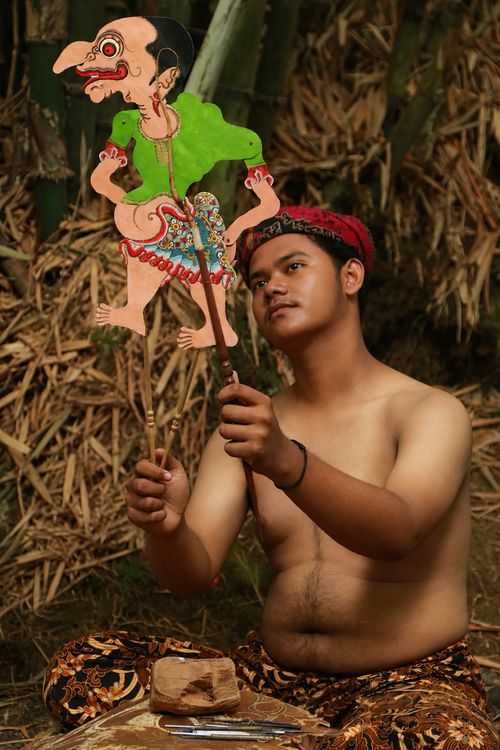
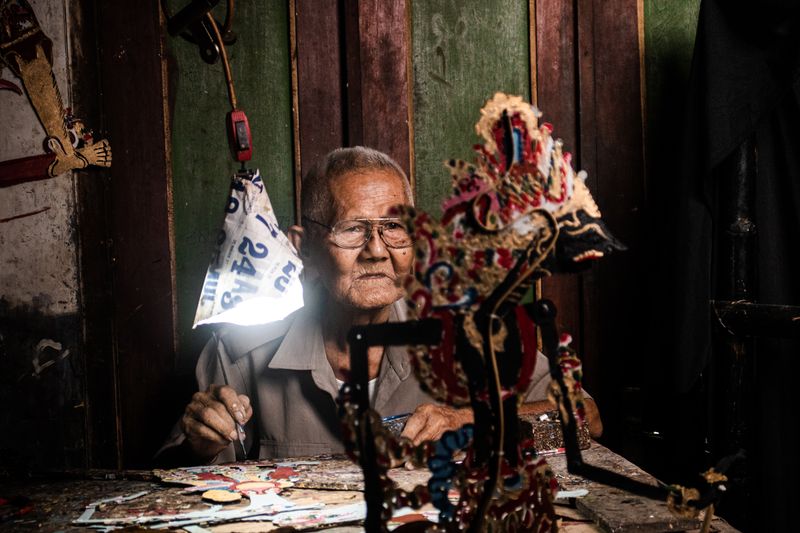
The puppets themselves are genuinely beautiful objects. Each one is hand-carved from water buffalo or goat hide, sometimes taking months to complete. The hide is stretched, scraped thin, then painstakingly perforated and painted with natural pigments. Premium puppets use young female buffalo hide that’s been cured for up to a decade before a blade even touches it. Gold leaf and bronze accents catch the lamplight during performances, and yes, you’ll notice.
What strikes me most is that wayang kulit was never just entertainment. It’s been part of Balinese Hindu temple ceremonies for centuries. Performances happen during odalan (temple anniversaries), cremation rituals, and other sacred occasions. UNESCO clearly agreed it mattered: they proclaimed wayang puppet theatre a Masterpiece of the Oral and Intangible Heritage of Humanity in 2003, and it was formally inscribed on the Representative List in 2008.
This isn’t a tourist show bolted on for visitors. It’s a living spiritual practice that happens to welcome an audience.
The Dalang: Bali’s Most Underrated Master Storytellers
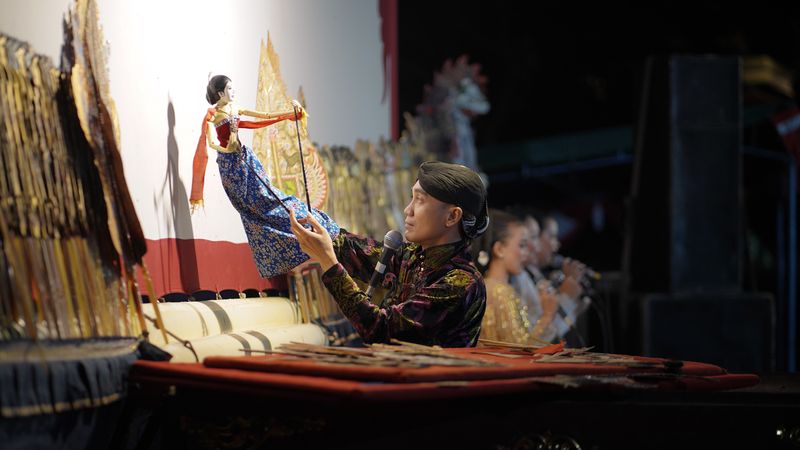
The dalang is the reason a wayang kulit performance works, and calling them a “puppeteer” doesn’t remotely do them justice. The dalang is narrator, voice actor, comedian, philosopher, orchestra conductor, and spiritual medium, all at once, all evening, often for four or five hours straight.
A single dalang typically manages between 125 and 130 individual puppets during a full performance. Each character has a distinct voice: heroes speak in refined, measured tones while demons snarl and roar. The dalang provides every single one. They also need fluency in Kawi, the ancient Javanese literary language that most modern Balinese people don’t speak conversationally. It’s the language of the epics, and hearing it spoken aloud during a performance is genuinely stirring, even when you can’t understand a word.
Two assistants called ketekong sit on either side, passing puppets onto the stage and removing them as characters exit. Behind the dalang, four gamelan musicians provide a constant musical score that shifts from gentle and melodic to urgent and percussive depending on the drama unfolding on screen. The whole thing moves as one living organism.
What I didn’t expect was the humour. Between the epic battle scenes and moral lessons, the dalang weaves in jokes, often topical, sometimes quite sharp. They’ll poke fun at local politics, tourist behaviour, or village gossip. The Balinese audience members around me were laughing at things I had no hope of catching, which somehow made the whole experience feel even more authentic. You’re watching something created for this community, not packaged for you.
Where to Watch Wayang Kulit in Bali
This is where it gets tricky, because wayang kulit performances aren’t listed on TripAdvisor next to your sunset cocktail cruise. They exist in a different Bali: the one that requires a bit of effort and a willingness to show up without knowing exactly what you’ll find.
Oka Kartini, Ubud. This is the most accessible option for visitors, and it’s where I’d start. Located at Gang Beji No. 35 in central Ubud, Oka Kartini offers regular shadow puppet performances most evenings from around 7:00 to 9:30 PM. The setting is intimate (a small family compound rather than a polished theatre), and the dalang typically provides a brief English introduction before the performance begins, which makes a real difference if you’re new to the stories. Ring ahead on +62 896 7321 2905 to confirm the schedule, because it does shift.
Ubud Palace (Puri Saren Agung): the palace runs nightly dance performances at 7:30 PM (IDR 100,000 per ticket), and while most evenings feature Legong or Barong dance, they occasionally programme wayang kulit. Worth asking when you arrive in Ubud.
Temple ceremonies. If you’re lucky enough to be in Bali during an odalan at a local temple, you may witness wayang kulit as part of the ceremony. These are not tourist events. They’re religious occasions, but foreigners are generally welcome if dressed respectfully (sarong and sash required). Batubulan village and Blahbatuh are both known for their dalang traditions.
Taman Nusa Cultural Park, Gianyar: A broader cultural park that includes wayang kulit alongside other Indonesian cultural exhibitions. More curated than a village performance, but a solid option if you want context before seeing the real thing.
What to Expect at Your First Performance
Forget everything you know about going to the theatre. Wayang kulit is a sensory experience before it’s a narrative one.
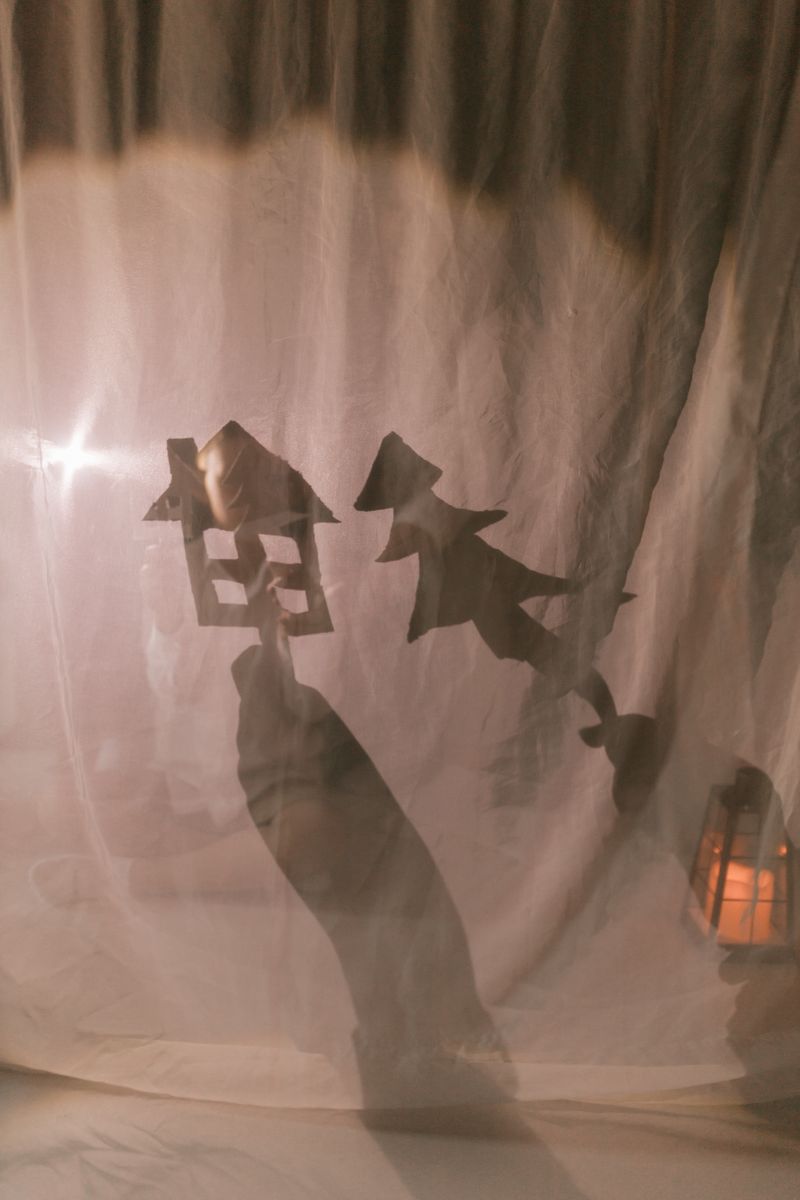
You’ll sit on the floor, or on a low bench if the venue provides them. The screen is a stretched piece of white linen, backlit by a single lamp, traditionally a coconut oil flame, though many modern performances use electric light now. The puppets move between the lamp and the screen, casting shadows that dance and shimmer in a way that photographs never quite capture.
The gamelan music is constant and physical. You feel the bronze percussion in your chest. It rises during battle scenes and softens during dialogue, and after an hour or so, you stop consciously hearing it. It just becomes the texture of the evening.
Performances can run anywhere from two hours for a shortened tourist-friendly show to six hours for a full ceremonial performance. I’d honestly recommend staying for at least two hours, even if you don’t follow every plot twist. The rhythm of the thing is part of the experience: there’s a meditative quality to watching shadows move against a screen while gamelan washes over you.
A few practical things worth knowing: bring a cushion or sarong to sit on if you’re attending a temple ceremony, because stone floors get uncomfortable quickly. Arrive early enough to sit near the front, since the shadow detail is extraordinary up close. And don’t stress about understanding the plot. Just watch the movements, listen to the dalang’s voice shift between characters, and let the gamelan carry you. There’ll be moments where it clicks, and those moments are worth every minute of confusion that came before.
Why This Ancient Art Still Matters in Modern Bali
Here’s the honest bit. Wayang kulit is struggling. UNESCO flagged it years ago: modern entertainment is pulling audiences away, and younger Balinese are more likely to reach for their phones than sit through a five-hour puppet performance. Some dalang have started adding pop music or shortening stories to compete, which traditionalists understandably find painful.
But what I’ve seen gives me cautious optimism. In villages like Blahbatuh, families are still training children in the art. There are workshops in Ubud too. Bali Culture Workshop on Jalan Raya Ubud runs shadow puppet making classes where you can learn to carve and paint your own wayang figure from leather. It’s genuinely absorbing work, and it gives you an appreciation for the skill involved that watching alone doesn’t quite provide.
The deeper truth is that wayang kulit isn’t preserved as a museum piece in Bali. It’s still woven into the fabric of religious life. As long as temples hold ceremonies and communities mark important occasions, the dalang will be called. That’s what makes Balinese wayang kulit different from shadow puppet traditions elsewhere in Southeast Asia. It has a living context.
If you visit Bali and only see beaches and rice terraces, you’ll have a lovely holiday. But if you make the effort to find a wayang kulit performance (sit in the dark, listen to the gamelan, watch those leather figures come alive behind the screen), you’ll leave understanding something about this island that most visitors never touch.
Wayang kulit in Bali is one of those experiences that stays with you long after you’ve left the island. Not because it’s flashy or Instagrammable (it’s neither), but because it connects you to something genuinely old and genuinely sacred in a way that most tourist experiences simply can’t.
Start at Oka Kartini if you want an accessible introduction. Stay through the confusion and the unfamiliar language. Let the gamelan music do its work. And if you get the chance to attend a temple ceremony where a full performance unfolds over hours under the stars, take it: it’s one of the most extraordinary evenings Bali can offer.
I’d love to hear from anyone who’s experienced wayang kulit in Bali: where did you watch it, and what was your reaction? Drop me a reply or find me on Instagram @destinedfor.bali. And if you’re planning your own cultural deep-dive, subscribe to Destined for Bali for more guides like this, delivered straight to your inbox every week.
FAQs
What is wayang kulit in Bali?
Wayang kulit is the traditional art of shadow puppetry, using hand-carved leather puppets backlit against a white screen. In Bali, performances draw on Hindu epics (the Ramayana and Mahabharata) and are led by a master puppeteer called a dalang. UNESCO recognised wayang puppet theatre as an Intangible Cultural Heritage of Humanity in 2003.
Where can I watch wayang kulit in Bali?
The most accessible venue is Oka Kartini in Ubud (Gang Beji No. 35), which runs regular evening shadow puppet performances from around 7 PM. You can also see wayang kulit at temple ceremonies, in villages like Batubulan and Blahbatuh, and at Taman Nusa Cultural Park in Gianyar.
How long does a wayang kulit performance last?
A full ceremonial performance can last between three and six hours. Tourist-friendly shows at dedicated venues typically run for around two to two and a half hours. Even at shorter performances, the experience is immersive enough to warrant arriving early and staying the full duration.
Do I need to understand Indonesian to enjoy wayang kulit?
Not at all. While the dalang often speaks in Kawi (an ancient Javanese literary language), the physical storytelling (shadows, movement, gamelan music) communicates powerfully without translation. At venues like Oka Kartini, a brief English introduction is provided before the performance begins.
What are wayang kulit puppets made from?
Traditional wayang kulit puppets are carved from water buffalo or goat hide, mounted on bamboo or horn sticks. Premium puppets use young female buffalo hide cured for up to a decade, then painstakingly perforated, painted with natural pigments, and detailed with gold leaf or bronze accents.
Is wayang kulit a religious ceremony or entertainment?
In Bali, it’s genuinely both. Wayang kulit performances are integral to Balinese Hindu temple ceremonies, cremation rituals, and other sacred occasions. At the same time, they’re open to audiences and include humour, social commentary, and dramatic storytelling that functions as entertainment.
How much does it cost to see wayang kulit in Bali?
At temple ceremonies, there’s typically no formal entry fee, though a donation is appreciated. Dedicated venues like Oka Kartini charge a modest fee (contact them directly for current prices). Performances at Ubud Palace are IDR 100,000, though wayang kulit isn’t on the nightly schedule.
What is a dalang in Balinese shadow puppetry?
The dalang is the master puppeteer who controls every aspect of a wayang kulit performance. They manipulate up to 130 puppets, voice every character, narrate the story in Kawi, direct the gamelan musicians, and improvise jokes, all in a single performance that can last several hours.
Can I learn to make wayang kulit puppets in Bali?
Yes. Bali Culture Workshop on Jalan Raya Ubud offers shadow puppet making classes where visitors carve and paint their own leather puppet. The workshops give you a hands-on appreciation for the extraordinary craftsmanship involved and make a meaningful souvenir to take home.
Is wayang kulit the same across Indonesia?
Not entirely. While the tradition exists across Java, Bali, Lombok, and other islands, Balinese wayang kulit is distinctive because it’s directly tied to Hindu religious practice. Javanese wayang kulit evolved differently after Java’s conversion to Islam, and the stories, puppet styles, and performance contexts vary significantly between regions.