Bali Wellness Retreats 2026: The Best Yoga, Meditation & Healing Experiences on the Island
An honest 2026 guide to the best yoga retreats in Ubud Bali, with real prices, honest reviews and how to pick the right Ubud wellness retreat for you.
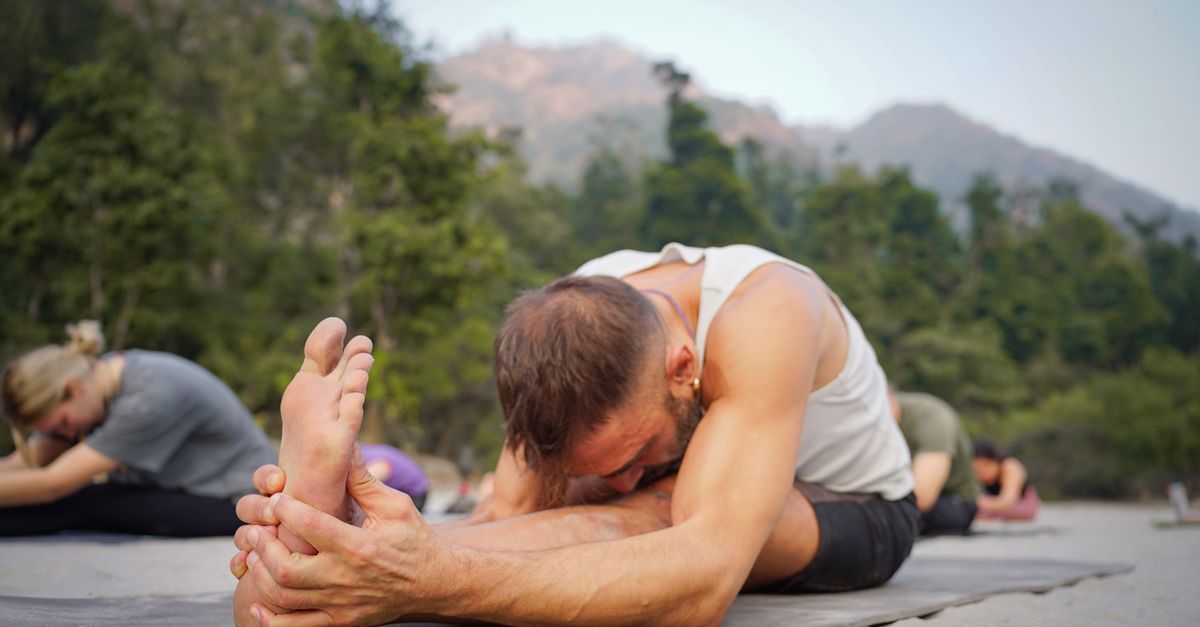
I’m sitting in a screened bamboo pavilion above the Ayung River at six in the morning, incense smoke catching the first light, and my yoga teacher still hasn’t said a word. Around me, seven strangers are silently unrolling their mats: one healing from burnout, another quietly grieving, most just chasing something they can’t quite name. By day three we’ll be talking. By day seven we’ll have changed. This is Ubud, and it’s exactly why an Ubud wellness retreat has become the thing I recommend more than any other single experience in Bali.
The scene here has grown up. It’s no longer only ashram silence and incense (though that still exists, and it’s still glorious). Ubud now holds everything from clinical Ayurvedic Panchakarma to river-side food-as-medicine sanctuaries and Rp 165,000 drop-in yoga you can wander into off the street. I’ve spent the better part of a decade moving between these places, and in this guide I’ll walk you through the best yoga retreats in Ubud Bali honestly: who each one actually suits, what you’ll really spend in rupiah, and how to avoid the marketing nonsense. Ubud is where the demand and the depth both concentrate, so that’s where we’ll spend most of our time before looking just beyond it.
Why Ubud Is Bali’s Wellness Heart (And Why 2026 Is the Year)
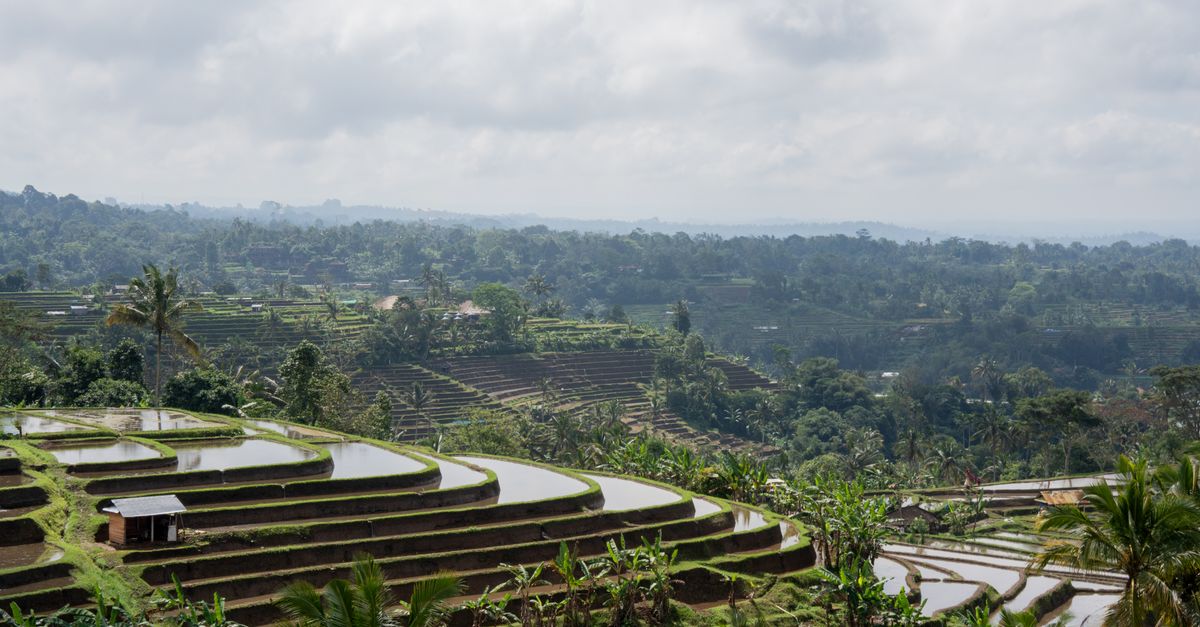
If you type “yoga retreat Ubud” into any search bar, you’ll see why this one town dominates. Ubud is Bali’s cultural interior (rice terraces, temples, river gorges), and wellness here isn’t a bolt-on. Balinese philosophy, Tri Hita Karana, teaches harmony between people, nature and the divine. It’s not a spa slogan; it’s lived, daily, in the offerings on every doorstep. You feel the difference the moment you slow down.
There’s a practical pull too. The exchange rate stretches a British budget a long way: a week of daily yoga, meditation, treatments and beautiful vegetarian food that would cost a fortune in Byron Bay lands far cheaper here. And Ubud has genuine range: a serious Ayurveda retreat Ubud programme, a gentle rice-field yoga week, or a single restorative sound bath, all within a fifteen-minute scooter ride.
Why 2026 specifically? Demand has surged and the best places book out early, especially across the dry season (roughly April to October). If you want June to September dates at a bali wellness retreat worth the money, you’re realistically booking two to three months ahead. May and September are my quiet favourites: the light is gorgeous and the crowds thinner.
The Best Yoga Retreats in Ubud Bali (My Honest Picks)
These aren’t the most Instagram-famous by default: they’re the ones I’ve either done myself or trust from people I believe. Real detail, real prices, honest caveats.
Fivelements Retreat (Mambal, Ubud side): food-as-medicine meets sacred healing on the Ayung River. Five structured programmes, daily yoga in a riverside shala, Balinese water-purification ceremonies and consultations with on-site nutritionists. It’s premium and it feels it; each stay includes a Rp 2,000,000 wellness credit. Book it for the ceremony and the setting, which is genuinely extraordinary.
Oneworld Ayurveda (Jl. Suweta, Ubud): the real thing, not spa-Ayurveda. BAMS-qualified physicians actually diagnose your constitution before prescribing treatment. Authentic 7, 14 or 21-night Panchakarma starting each Sunday, from Rp 34,000,000 single / Rp 25,500,000 double for a week (watch for the July–September promo at Rp 28,900,000). If you’ve been curious about Ayurveda, start here.
The Yoga Barn (central Ubud): not a packaged retreat so much as a community you drop into. Over 180 classes a week across eight studios, from Rp 165,000 a class, plus ecstatic dance, kirtan and sound healing. This is where I send friends who want to deepen a yoga retreat Ubud experience on their own terms and their own budget.
Wherever you base yourself, a rented scooter makes Ubud feel small (I use a straightforward Bali scooter rental) or, if you’d rather not ride, a car with a driver for the day.
Retreat Types Decoded: Which Ubud Programme Suits You?
Not all retreats do the same work, and picking the wrong type is the commonest mistake I see.
Yoga-focused. Two to three hours of practice daily, often split morning and evening, plus pranayama and the odd workshop. Best if you already have a practice or want to build one properly. The Yoga Barn and the many rice-field yoga weeks around Ubud live here.
Meditation and digital detox. Longer sits, sometimes silent, phones handed in. Best if you’re burnt out and need to break the scroll. You’ll come out quieter and sleeping better, not magic, but powerful.
Ayurvedic healing. Dosha consultations, daily oil massage, herbal steams, a diet tuned to your constitution. Best for chronic digestive, hormonal or stress issues and anyone who prefers a medical model to wellness fluff. Oneworld is the benchmark.
Sound healing and energy work. Gong baths, singing bowls, breathwork. Ubud’s Pyramids of Chi runs Ancient Sound Healing sessions at Rp 350,000 for ninety minutes, six times a day: a brilliant, low-commitment way to test whether vibration does anything for you before you commit to a week.
What a Bali Wellness Retreat Actually Costs (Real Rupiah)
Forget “is it expensive?” The better question is “what am I paying for?” Here’s roughly how it breaks down for an Ubud wellness retreat, priced in rupiah so there are no surprises at checkout.
Budget: under Rp 8,000,000/week. Fan-cooled or simple ensuite room, one or two daily classes, good vegetarian meals, maybe one treatment. Drop-in yoga at Rp 165,000 a class stacks up cheaply if you self-cater accommodation. Great for solo travellers, yoga teachers and first-timers. You won’t be pampered, but you’ll be taught properly.
Mid-range: Rp 8,000,000–Rp 30,000,000/week. Private or high-quality shared rooms, full daily programme, all meals, two or three treatments, small-group consultations. This is where most genuinely good retreats sit, and where a week’s Panchakarma at Oneworld begins.
Luxury: Rp 30,000,000+/week. Private villas, personalised meal plans, private consultations with physicians or healers, sometimes off-site excursions. Fivelements and the higher-end Ubud sanctuaries live here. You’re paying for privacy and personalisation, not just nicer rooms.
Two honest notes. First, always confirm the current rupiah rate before you transfer: retreats often quote in USD and the exchange moves. Second, “cheap luxury” is a red flag: a private villa with yoga, spa and all meals for a couple of million rupiah a week isn’t a bargain, it’s a warning.
Beyond Ubud: Canggu, Coast and Women-Only Retreats
Ubud owns the healing crown, but it isn’t the whole island. If you want ocean instead of rice fields, look coastward. And if you want a women-only space, look to Canggu.
Escape Haven (Canggu) is Bali’s most awarded women’s wellness retreat and, for many first-timers, the gentlest way in. It runs Saturday to Friday every week of the year, blending yoga, surf lessons, spa, Ayurveda and life-coaching, with women’s circles that genuinely shift the dynamic: people arrive guarded and leave open. Pricing starts around USD 2,595 for a private room and USD 2,295 twin share, with up to USD 700 off if you pay in full. Popular months sell out, so treat “sold out” on their calendar as a nudge to book earlier next time.
You don’t have to make it purely internal, either. Some of my best retreat weeks ended with a day out in the culture: a private Ubud highlights tour to the temples and terraces, a Balinese cooking class in Ubud to carry the food philosophy home, or a quiet morning at the Sacred Monkey Forest. And whatever you book, sort your cover first: I never travel to Bali without travel and medical insurance, because a scooter graze or a dodgy stomach shouldn’t derail a healing week.
How to Spot a Real Retreat (And Dodge the Duds)
The wellness world attracts brilliant practitioners and the occasional chancer. A few honest filters.
Be wary of anything promising to “heal everything” in seven days: real change is slower and legitimate places make modest claims. Insist on named facilitators with visible credentials; if the “wellness doctor” or the yoga lineage isn’t explained, walk away. Watch teacher-to-guest ratios (1:8 is lovely, 1:20 is a class, not a retreat). And avoid any programme that shames food or bodies, or leans on before-and-after weight-loss photos: that’s disordered thinking dressed as wellness.
Before you pay, ask five things: Who exactly teaches, and what’s their training? What’s the ratio? How much is structured versus free time? What’s the cancellation policy? And have they run at this location for two-plus years? Transparent answers signal confidence. Vague ones signal a pop-up.
Conclusion
The best retreat isn’t the priciest or the most photogenic: it’s the one that meets you where you actually are. Burnt out and craving quiet? Escape Haven or a gentle rice-field week. Want to go deeper into a practice? The Yoga Barn. Battling your gut or your hormones? Oneworld’s Panchakarma. Want the full sanctuary treatment? Fivelements on the river.
I came to Ubud for the yoga and stayed for the way transformation quietly happens when you step out of ordinary life for a week. Book earlier than feels necessary: the dry season fills fast, and the sooner you commit, the more real it becomes. If you do go, come back and tell me which one you chose; I read every reply, and I love hearing how these weeks land. I’ll see you on the mat, or in the silence, or floating somewhere in a gong bath.
FAQs
1. Which is the best area in Bali for a wellness retreat?
Ubud, for most people. It’s Bali’s cultural and healing heart, with the deepest concentration of yoga, meditation and Ayurvedic retreats. Choose Canggu instead if you want ocean, surf and a livelier scene.
2. How much does a yoga retreat in Ubud cost?
Budget weeks run under Rp 8,000,000, mid-range Rp 8–30 million, and luxury Rp 30 million and up. Drop-in yoga at The Yoga Barn starts around Rp 165,000 (~USD 10) a class if you’d rather build your own week.
3. How far in advance should I book an Ubud wellness retreat?
For sought-after places like Fivelements or Escape Haven, book 8–12 weeks ahead in dry season (April–October). Mid-range Ubud retreats are usually fine at 4–8 weeks; drop-in studios take you almost any time.
4. What’s the best length for a first retreat?
Five to seven nights. It’s long enough to move past the initial awkwardness and settle in, but short enough not to feel overwhelming if unplugging makes you nervous.
5. Is Oneworld Ayurveda’s Panchakarma actually medical?
Yes. Their Ubud centre uses BAMS-qualified Ayurvedic physicians who assess your constitution before prescribing treatment, rather than giving everyone the same generic “detox”. Programmes run 7, 14 or 21 nights, starting Sundays.
6. Will I be alone if I travel solo?
No, retreats are built for communal experience, with group practice and shared meals, plus private-room options at higher budgets. Solo travel to Ubud retreats is completely normal.
7. I’m not flexible. Can I still do yoga?
Absolutely. Yoga meets your body where it is, and good Ubud teachers offer modifications for every level. Start where you are, not where Instagram is.
8. When is the best time of year for a Bali retreat?
The dry season, roughly April to October, is peak retreat time: better weather and fuller programmes. May, June and September are my picks for good conditions with fewer crowds; the wet season (around November–March) is quieter and cheaper but can disrupt outdoor sessions.
9. Can I combine a retreat with normal travel?
Yes. A dedicated retreat trip usually yields deeper results, but pairing a shorter Ubud retreat with a few days of temples, terraces and a cooking class works well: just book your insurance and transport for the non-retreat days.
10. How do I know a retreat is legitimate?
Check for an established presence (two-plus years), reviews across several platforms, named and credentialed facilitators, transparent pricing and a clear cancellation policy. Real centres don’t hide behind vague marketing.
Before you go: I wrote this in 2026 and double-checked every price, fee, opening time and rule I could, but Bali changes fast. Treat the figures here as a guide and confirm the latest details before you book or travel.
Some of the links in this article are affiliate links: if you book through them I may earn a small commission at no extra cost to you. I only ever recommend things I would happily send a friend to.