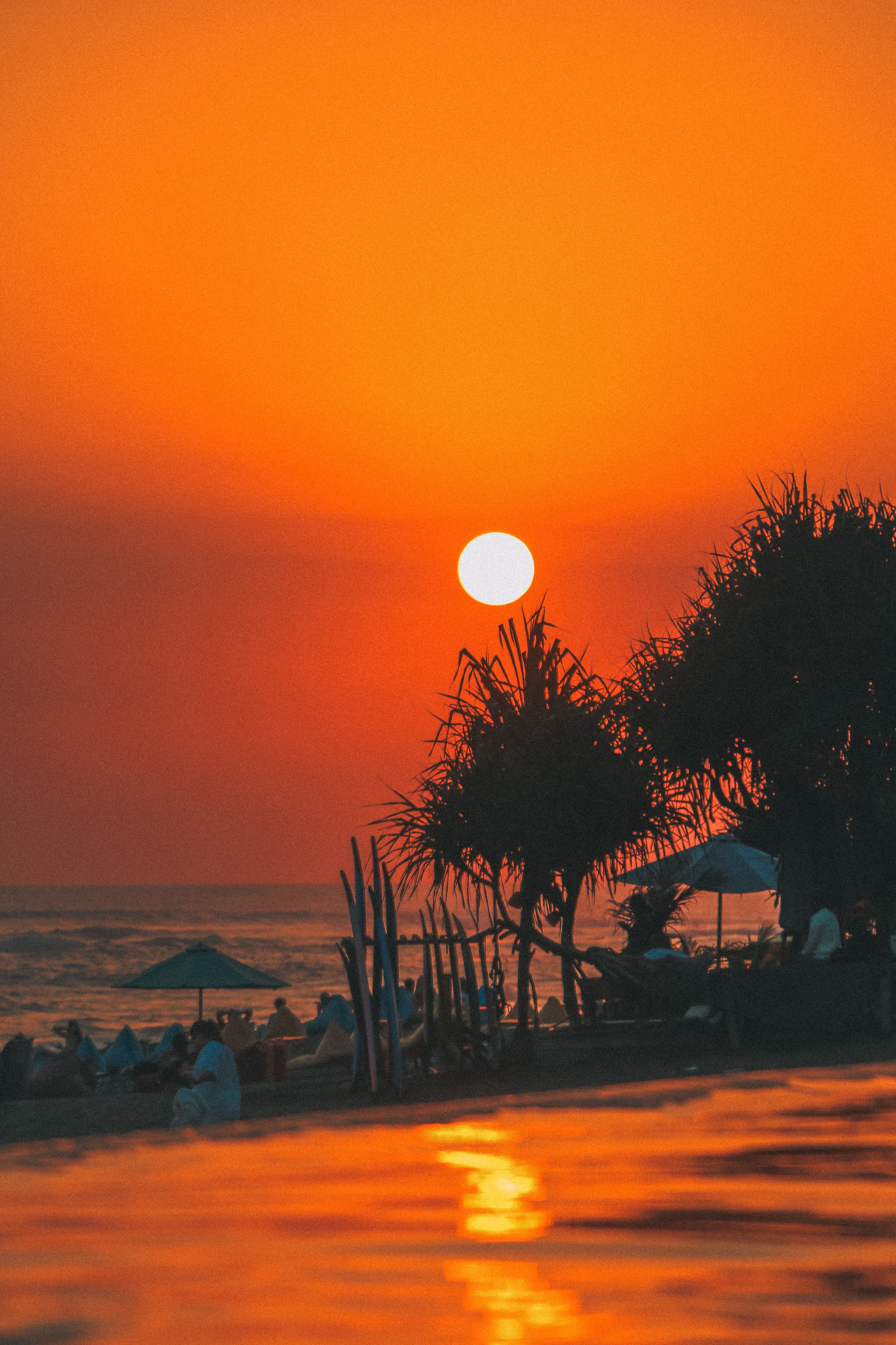
Things to Do in Canggu: Beyond the Cafes and Beach Clubs
Canggu is more than smoothie bowls and beach clubs. Here are the things to do in Canggu I actually send friends to: surf lessons, quiet sunsets, rice-field walks, Sunday markets and day trips within easy reach.
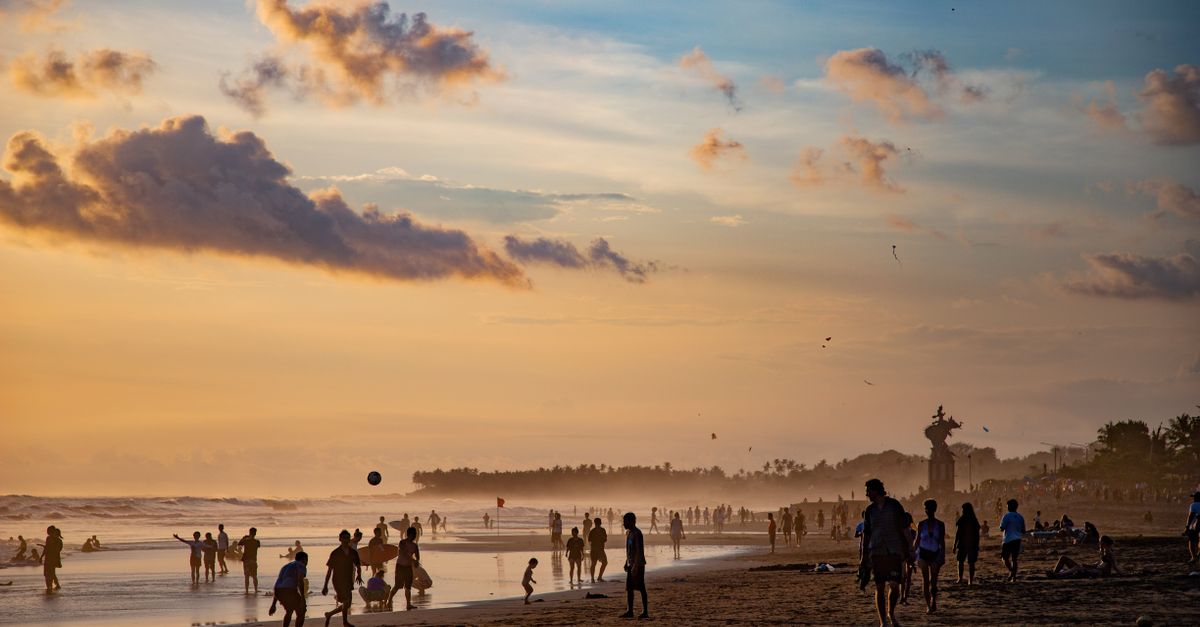
My favourite ordinary morning in Canggu starts before the traffic wakes up. It’s just gone six, the black sand at Batu Bolong is still cool, and there are maybe a dozen surfers out: a few beginners flailing happily, a couple of locals making it look easy. I buy a coffee from a warung that has been there longer than any of the co-working cafes, and I watch the light come up over the water. An hour later the scooters will be nose-to-tail and the smoothie-bowl queues will be forming, but right now it’s quiet, and this is the Canggu I keep coming back for.
I say that because if you only read Instagram, you’d think the only things to do in Canggu are photograph a smoothie bowl and pay for a daybed at a beach club. Those things are fun (I’ve done both, many times), but they’re a thin slice of the place. Canggu is a proper surf town wrapped around a few villages, edged with rice fields and within easy reach of some of Bali’s best day trips. It’s also, I’ll be honest with you upfront, one of the busiest and most traffic-clogged corners of the island. Manage that, and there’s a lot more to do here than the feed lets on.
Here’s my honest, been-there list of things to do in Canggu that go beyond the cafes and beach clubs.
Learn to Surf (This Is Still a Surf Town at Heart)
Before Canggu was a wellness-and-flat-white town, it was a surf town, and that’s still the truest thing about it. The three main beaches sit on one connected stretch of black sand, and each has a different personality. Batu Bolong is where almost everyone starts: the waves are soft and forgiving, there’s a sandy-bottomed take-off, and surf schools line the sand. Berawa is a step up, good once you’re moving from beginner to intermediate. Echo Beach has the strongest, punchier waves and is best left to confident surfers.
If you’ve never stood up on a board, Canggu is one of the friendliest places in the world to try. A group beginner lesson at Batu Bolong or nearby is genuinely one of the best things you can do here. You’ll almost certainly catch a whitewater wave on your first go. If you’d rather have it sorted before you arrive, you can book a Surfing Lesson at Kuta Beach by 27 Surf Bali and turn up knowing you’ve got a board and an instructor waiting. For a fuller rundown of breaks, boards and etiquette, my guide to learning to surf in Bali walks through it all.
A tip from experience: book the early session. By mid-morning the line-up is crowded, the sun is fierce, and you’ll spend more time dodging other beginners than surfing.
Chase the Sunset (Beyond the Beach Club Daybed)
Sunset is the daily event in Canggu, roughly between 6:10 and 6:30pm most of the year, and you do not need to buy a daybed to enjoy it.
My favourite approach is to simply walk. Start at Batu Bolong and stroll north along the sand towards Echo Beach as the light softens, and you’ll pass surfers coming in, warungs firing up grills, and dogs doing victory laps. Echo Beach is widely considered the best sunset spot in Canggu, and you can sit on the sea wall with a cold Bintang from a warung for a fraction of a beach-club minimum spend.
If you do want the polished version, the big clubs deliver it. La Brisa at Echo Beach (built from reclaimed fishing-boat wood, so it has a lovely rustic-bohemian feel at the time of writing) frames the sunset beautifully, and Finns over on Berawa is the big, pools-and-DJ experience. Both are worth doing once. Just know that clubs here rebrand and reopen constantly, so check current status before you set your heart on a specific one.
Slow Down: Rice-Field Walks, Yoga and Wellness
For all its buzz, Canggu hides pockets of genuine calm, and seeking them out is one of the more underrated things to do here.
The rice-field walks are the easiest win. There are still paddies threaded through Canggu and neighbouring Pererenan, and an early-morning wander along the field paths (cool air, herons, the odd farmer) is a completely different Bali to the one on the main strip. Go before about 8am and you’ll have it largely to yourself.
Canggu also has one of the highest densities of yoga studios anywhere in Asia. Established spots like The Practice and Samadi Bali run drop-in classes for all levels, with popular sessions from around 7am. You don’t need to commit to a retreat, just turn up and pay for a single class. Beyond yoga, the wider wellness scene runs deep: ice baths, sound healing, breathwork and massage are all easy to find, and many places take walk-ins.
Get Hands-On: Markets, Shopping and Creative Workshops
This is the side of Canggu that surprises people, and it’s my pick for a rainy afternoon or a break from the beach.
The markets are a genuine pleasure. Love Anchor is a permanent art market where you can browse handmade crafts, jewellery, clothing and homeware from local makers. On Sundays, the Samadi Bali Sunday Market brings out organic produce, natural skincare and small-batch food: it’s as much a social event as a shop. Both are good places to buy something with a story rather than another mass-made souvenir.
Beyond shopping, Canggu has grown a real appetite for creative workshops. Ceramics and pottery-painting studios, jewellery-making sessions and similar hands-on classes have popped up across the area, a lovely way to spend a couple of hours and go home with something you actually made. There’s also been a surge in padel courts (a few sit right by the rice fields near Batu Bolong) if you fancy something more active. These newer venues change fast, so treat specific names as a starting point and check they’re still going.
Quick List: The Top Things to Do in Canggu
Short on time? Here’s the snapshot I’d hand a first-timer:
- Surf at Batu Bolong: gentle beginner waves and surf schools on the sand
- Walk the beach to Echo at sunset: no daybed required
- Early-morning rice-field walk in Canggu or Pererenan
- Drop into a yoga class at The Practice or Samadi
- Browse Love Anchor and the Samadi Sunday Market
- Try a creative workshop: ceramics or jewellery
- Do one big day trip: Tanah Lot at dawn is the easy classic
Escape the Traffic: Easy Day Trips From Canggu
Some of the best things to do “in Canggu” actually involve leaving it for a few hours: partly for the sights, partly for the sanity, because Canggu traffic is no joke. The strip around Batu Bolong and Berawa clogs badly in the late afternoon (roughly 4:30–8pm is the worst), and the famous Canggu Shortcut, built to bypass it, has become its own bottleneck. Plan around that and life is much easier.
Tanah Lot is the obvious first trip: a dramatic sea temple only about a 20-minute drive away. Go at dawn and you’ll have the place almost to yourself, with mist over the rice fields on the approach; go at sunset and you’ll share it with coachloads. I’ll always vote for the quiet morning version.
For a bigger day, Ubud is around 1.5 hours away and gives you rice terraces, temples, the art market and a completely different, greener pace. The single most useful thing you can sort before any of this is transport: work out whether you want a scooter for freedom or a driver for a full day out. My honest breakdown of getting around Bali, scooter versus driver covers the trade-offs. If you’d rather explore Canggu itself on two wheels, sorting a Motorbike Rental in Bali Area is the classic move, just ride cautiously and always wear a helmet.
When the Sun Goes Down: Canggu After Dark
Canggu’s nightlife is famous, and it’s fun, but you can shape it to whatever mood you’re in. There’s the full loud-and-late version: the Berawa strip and Pererenan have the bars and clubs that keep going past midnight. And there’s the gentler version, which is honestly my preference most nights: a sunset drink at a warung, dinner at a beachfront table, and an early night before a dawn surf.
Between the two extremes there’s a lot of good live music, casual open-air bars and cheap-and-cheerful warungs where the food is better than anything on the main tourist strip. And when you inevitably need to recover the next morning, Canggu’s café scene is genuinely world-class. I’ve rounded up my favourites in the best cafes in Bali and, for the caffeine-serious, the best coffee in Bali.
Is Canggu Worth It? My Honest Take
Yes, but go in with clear eyes. Canggu is busy, it’s built-up in places, and the traffic can genuinely sour a day if you don’t plan around it. What redeems it, every time, is that surf-town heart: the dawn line-up, the rice paths five minutes off the main road, the markets full of local makers, and a string of proper day trips on the doorstep.
My advice is simple. Get up early, at least once: that’s when Canggu is at its best and least crowded. Mix the obvious (a beach-club sunset, a smoothie bowl) with the quieter things on this list. Use the middle of the day, when the roads and beaches are busiest, for something indoors like a workshop or a long lunch. Do all that, and you’ll come away understanding why so many people come to Canggu for a week and end up staying for a season. There’s far more to do here than the cafes and beach clubs. You just have to look slightly past the feed.
FAQs
What is Canggu known for?
Canggu is known for surfing, its beach clubs and café culture, a big wellness and yoga scene, and lively nightlife, all set along a black-sand coast with rice fields behind it. It’s one of the most popular bases in Bali for longer-stay travellers and digital nomads.
What are the best things to do in Canggu beyond the cafes and beach clubs?
Learn to surf at Batu Bolong, walk the beach to Echo for sunset, do an early rice-field walk, drop into a yoga class, browse Love Anchor and the Samadi Sunday Market, try a ceramics or jewellery workshop, and take a day trip to Tanah Lot or Ubud.
Is Canggu good for beginner surfers?
Yes. Batu Bolong is one of the friendliest beginner beaches in Bali, with soft waves and plenty of surf schools on the sand. Most first-timers catch a whitewater wave on their very first lesson.
How bad is the traffic in Canggu?
It’s genuinely heavy, especially around Batu Bolong and Berawa in the late afternoon (roughly 4:30–8pm). The Canggu Shortcut helps a little but is often jammed itself. Plan trips for early morning and you’ll avoid the worst of it.
When is sunset in Canggu?
Sunset in Canggu falls roughly between 6:10 and 6:30pm for most of the year. Echo Beach is widely rated the best spot, and you can enjoy it from the sea wall with a warung drink rather than paying a beach-club minimum spend.
Do I need a scooter in Canggu?
A scooter gives you the most freedom to explore Canggu and reach quieter beaches and rice fields, but the traffic is intense, so ride cautiously and always wear a helmet. For longer day trips, hiring a driver is often more relaxing than riding.
What day trips can I do from Canggu?
Tanah Lot temple is about 20 minutes away and best at dawn. Ubud, with its rice terraces and art market, is around 1.5 hours. Both make excellent escapes from Canggu’s crowds and traffic for a few hours or a full day.
Are there markets in Canggu?
Yes. Love Anchor is a permanent art market with handmade crafts, jewellery and clothing, and the Samadi Bali Sunday Market sells organic produce, natural skincare and small-batch food. Both are great for local, story-rich souvenirs.
Is Canggu good for wellness and yoga?
Very. Canggu has one of the highest densities of yoga studios in Asia, with established spots like The Practice and Samadi Bali offering drop-in classes for all levels, plus ice baths, sound healing, breathwork and massage across the area.
How many days do you need in Canggu?
Three to four days lets you surf, catch a couple of sunsets, do a rice-field walk, hit a market and take one day trip without rushing. Many people plan a few days and end up extending, Canggu has a way of getting under your skin.
Before you go: I wrote this in 2026 and double-checked every price, fee, opening time and rule I could, but Bali changes fast. Treat the figures here as a guide and confirm the latest details before you book or travel.
Some of the links in this article are affiliate links: if you book through them I may earn a small commission at no extra cost to you. I only ever recommend things I would happily send a friend to.