The Best Warungs in Bali: Where Locals Actually Eat (Not Just Tourists)
Skip the tourist cafes. These are the best warungs in Bali where locals actually eat: authentic, affordable, and worth seeking out across the island.
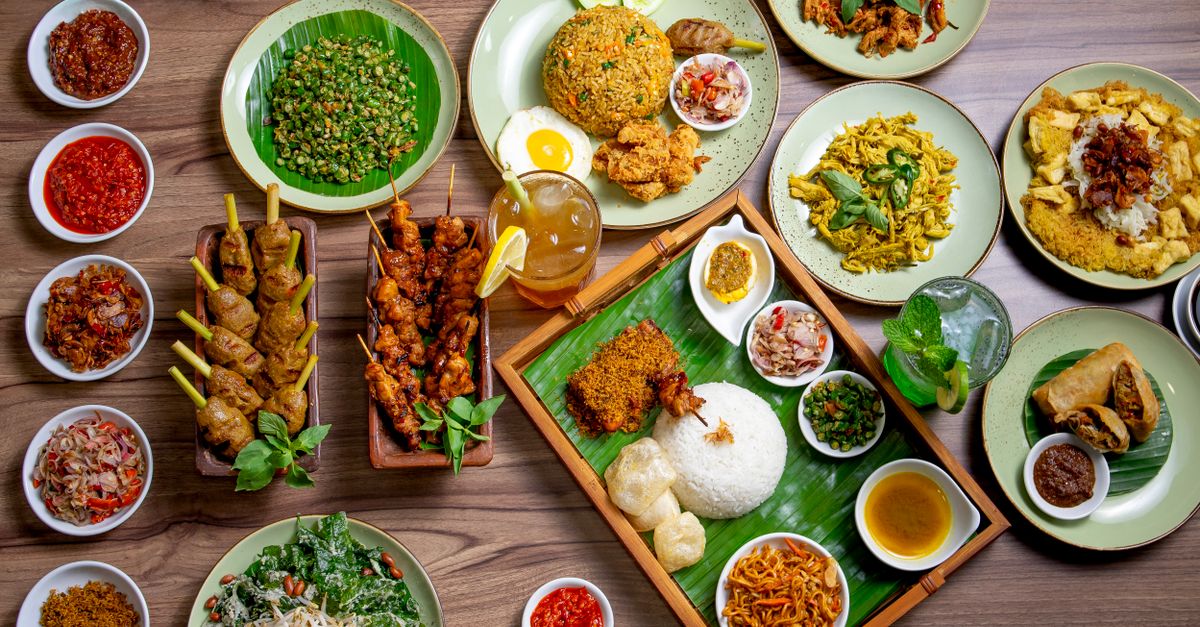
I’m sitting on a plastic stool at the edge of a rice field somewhere between Ubud and Tegallalang, and I’ve just been handed a plate of nasi campur so good I genuinely want to cry. There’s no menu. No Wi-Fi password scrawled on a chalkboard. The woman running this warung doesn’t know what Instagram is, and frankly, that’s part of the magic.
If you’re looking for the best warungs in Bali, the places where Balinese people actually eat, not the “local experience” cafes charging 85k for a smoothie bowl, then you need to leave the main road. I’ve spent years doing exactly that, and the warungs I keep going back to aren’t the ones you’ll find on most tourist blogs. They’re the ones my Balinese friends took me to. The ones where I was, for a long time, the only foreigner in the room.
This guide covers my personal favourites across Ubud, Canggu, Sanur, Seminyak, and the Bukit, with actual prices, actual dish names, and the kind of detail that only comes from having eaten at these places dozens of times.
What Even Is a Warung? (And Why You Should Care)
The difference between a warung and a restaurant
A warung is, at its simplest, a small family-run eatery. Some are open-air shacks with corrugated roofs. Others are front rooms of someone’s house with a few tables dragged onto the street. The food is almost always cooked by one person (often the owner’s mother or grandmother), and the menu (if there is one) is short. That’s the point.
Warungs aren’t trying to be everything to everyone. They do two or three things, and they do them brilliantly. A warung that serves nasi campur has been perfecting that recipe for decades. The sambal is made fresh every morning. The chicken has been marinating since yesterday. You’re not paying for ambience; you’re paying for someone’s life’s work on a plate.
Why the best food in Bali costs under £2
Here’s the thing that still catches me off guard: a full meal at a proper warung (rice, two or three sides, sambal, maybe a fried egg on top) costs between IDR 20,000 and IDR 45,000. That’s roughly £1 to £2.20. Even in 2026, with prices creeping up everywhere, warungs remain absurdly affordable because overheads are low, ingredients are local, and nobody’s factoring in “aesthetic lighting” to the bill.
Compare that to a tourist cafe in Canggu charging IDR 95,000 for nasi goreng with a flower on top, and you start to understand why every Balinese person I know finds the whole thing a bit funny.
The Best Warungs in Ubud & the Highlands
Warung Babi Guling Ibu Oka: the one everyone argues about
Yes, Ibu Oka is famous. Yes, Anthony Bourdain ate here. And yes, it’s still worth going, but go to the right one. Ibu Oka now has three branches around central Ubud. The original (Ibu Oka 1, near Ubud Palace on Jalan Suweta) gets rammed with tour groups by 11am. I prefer Ibu Oka 3 on Jalan Tegal Sari: it’s quieter, the babi guling (Balinese suckling pig) is from the same kitchen, and you can actually sit down without a twenty-minute wait.
A plate of babi guling with rice, lawar, and crispy skin runs about IDR 50,000–65,000. Is it touristy? A bit. Is the pork still exceptional? Absolutely. The skin shatters like glass, and the lawar (a spiced mix of minced meat, grated coconut, and vegetables) alongside it is the real star.
Nasi Ayam Kedewatan Ibu Mangku Is Worth the Queue
Up the road towards Kedewatan, Ibu Mangku has been serving nasi ayam (chicken rice) from the same spot on Jalan Raya Kedewatan for years. It’s the kind of warung where you queue alongside Balinese families and motorbike drivers on their lunch break, which tells you everything.
The chicken is shredded, seasoned with basa genep (a Balinese spice paste), and piled onto rice with a boiled egg, peanuts, and a sambal that builds heat slowly. A plate is around IDR 25,000–35,000. Get there before 1pm, as they often sell out.
Warung Teges: the nasi campur that ruined me for all others
Warung Teges sits on Jalan Cok Rai Pudak in Peliatan (technically just south of central Ubud, but everyone calls it Ubud). It’s a blink-and-you-miss-it place: a glass display case of dishes, a few plastic tables, and a woman who piles your plate with more food than seems structurally possible.
The nasi campur here is extraordinary. You point at what you want, she adds it to the rice, and you end up with this towering plate of sate lilit, lawar, shredded chicken, sayur urap (steamed vegetables in spiced coconut), fried tempeh, and sambal matah. All for IDR 25,000–40,000. I’ve eaten here more times than I can count, and I’m still not bored.
If these flavours hook you the way they hooked me, a Balinese cooking class in Ubud is genuinely worth it: you’ll visit a morning market, learn to make basa genep from scratch, and eat everything you cook. It was one of the best mornings I’ve had on the island.
The Best Warungs in Canggu & Berawa
Warung Bu Mi, the Canggu Warung That Actually Feels Like Bali
Canggu has changed enormously (understatement of the decade), but Warung Bu Mi on the road between Batu Bolong and Berawa has held its ground. It’s a proper Balinese warung surrounded by rice paddies, and the nasi campur is some of the best in the area. Crispy fried chicken, sambal matah, long beans, and a portion size that borders on aggressive.
Expect to pay IDR 25,000–40,000 for a heaping plate. The vibe is no-frills (metal tables, fluorescent lighting) and you’ll be eating alongside construction workers and local families. That’s how you know.
Warung Dandelion, Hidden Behind the Villas
Tucked away on a side street that most people drive straight past, Warung Dandelion serves honest Indonesian food at prices that feel almost apologetic. Their nasi campur and mie goreng are both solid, and the portions are generous. It’s the kind of place where the owner remembers your order after your second visit.
Mains from IDR 20,000–35,000. No English menu last time I went, just point and smile.
Warung Sika: the one the surfers know
Warung Sika has been a Canggu fixture for years, and it’s earned its reputation. The ayam goreng (fried chicken) is properly crispy, the sambal has genuine kick, and the nasi campur comes with enough variety to keep things interesting. It’s slightly more “discovered” than the others on this list (you’ll see a few laptops), but the food hasn’t suffered for it. Plates from IDR 30,000–45,000.
The Best Warungs in Sanur, Seminyak & the South
Warung Mak Beng, Sanur: Fish and Rice, No Questions Asked
Warung Mak Beng has been serving exactly one meal since 1941. One. You sit down, and you get deep-fried fish, rice, sambal, and a bowl of fish soup. No menu, no choices, no substitutions. It’s on Jalan Hang Tuah No. 45 in Sanur, and the queue at lunchtime regularly snakes out the door.
The fish, usually barramundi, is fried whole, skin-on, with a batter that’s crispy without being greasy. The sambal is searingly hot. The whole thing costs around IDR 50,000–65,000 per person. It’s become more well-known over the years (it’d be dishonest to pretend otherwise), but the crowd is still predominantly local. Go mid-morning to skip the worst of the rush.
Uluwatu & the Bukit: the warungs the surf crowd guard jealously
The Bukit peninsula is scattered with small warungs serving cheap nasi campur and mie goreng to the surf community. They don’t have clever names or websites. Look for the handwritten signs along the roads between Bingin, Padang Padang, and Uluwatu, the ones with clusters of motorbikes parked outside at lunchtime.
Warung-warung in this area typically serve nasi campur for IDR 20,000–35,000, and the quality ranges from perfectly good to genuinely brilliant. Ask any surf instructor where they eat lunch, and they’ll point you somewhere that doesn’t appear on Google Maps. That’s the Bukit in a nutshell. If you’d rather not navigate the Bukit’s steep cliff roads on a scooter, a private car with driver for the day makes it easy to hit several warungs across the peninsula without the white-knuckle cliff roads.
How to Eat at a Warung Like a Local (Not a Tourist)
The unspoken rules
First: don’t ask for a fork. Warungs provide spoons and, sometimes, forks, but many Balinese people eat with their right hand. You don’t have to, but reaching for cutlery with an air of mild panic marks you out immediately. Second: if the warung uses a glass display case (most nasi campur places do), walk up and point at what you want. Don’t sit and wait to be served: that’s not how it works.
Third (and this is important), wash your hands before eating. Most warungs have a basin or a tap near the entrance. Carrying antibacterial hand wipes is a sensible backup for places where handwashing isn’t practical. In Indonesian, the phrase is “cuci tangan” (wash hands), and using it shows respect. Also: don’t leave food on your plate. Wasting food is considered poor form.
Useful phrases that’ll change your experience
You don’t need fluent Indonesian, but a few words go a very long way:
- “Nasi campur satu, Bu”: one mixed rice, please (Bu is a respectful term for an older woman)
- “Tidak pedas”: not spicy (though where’s the fun in that?)
- “Tambah sambal”: extra sambal
- “Berapa?”: how much?
- “Enak sekali!”: delicious! (Say this. They’ll love you for it.)
The Warung Dishes You Absolutely Have to Try
The essential Balinese warung order
If you try nothing else, eat these:
- Nasi campur: mixed rice with small portions of meat, veg, sambal, and whatever else is going. The Balinese version typically includes lawar, sate lilit, and shredded chicken.
- Babi guling: suckling pig, slow-roasted over coconut husks. Crispy skin, tender meat, served with lawar and steamed rice. (Note: this is a Hindu Balinese dish, so Muslim-owned warungs won’t serve it.)
- Sate lilit: minced fish or chicken blended with coconut, lemongrass, and spices, wrapped around a lemongrass stalk and grilled. Completely different from the skewered sate you get everywhere else in Indonesia.
- Ayam betutu: whole chicken stuffed with spice paste and slow-cooked in banana leaves for hours. The flesh falls apart, and the flavour is deep, earthy, and incredibly rich.
Dishes most visitors never think to ask for
- Lawar: often served as a side with babi guling, but brilliant on its own. There are dozens of variations: lawar merah (with blood, the traditional version), lawar putih (without), lawar nangka (made with jackfruit).
- Nasi jinggo: tiny parcels of rice wrapped in banana leaf with a bit of sambal, shredded chicken, and fried noodles. They cost IDR 5,000–10,000 each (about 25–50p) and are sold from roadside stalls, especially in the evening. Buy three.
- Sayur urap: steamed vegetables (long beans, bean sprouts, grated coconut) mixed with a spiced coconut dressing. It sounds simple. It isn’t.
- Pepes ikan: fish (usually mackerel or tuna) mixed with spice paste, wrapped in banana leaf, and steamed or grilled. Fragrant, tender, and criminally underrated.
The truth is, the best meal I’ve ever had in Bali cost about the same as a flat white in Canggu. It was a plate of nasi campur from a warung I can’t even name (it didn’t have a sign), served by a woman who’d been cooking the same dishes since before I was born. That’s the thing about warungs: the ones that really get it right don’t need branding or a filtered feed. They just need to keep doing what they’ve always done.
If you’re coming to Bali and you spend the entire trip eating at cafes with “bowl” in the name, you’re missing the whole point. Get on a rented scooter, follow the motorbikes, sit on a plastic stool, and eat what the locals eat. Your taste buds (and your wallet) will thank you.
I’ll keep updating this list as I discover new favourites, and trust me, I’m always looking.
Want more honest Bali food guides? Subscribe to Destined for Bali for weekly recommendations, insider tips, and the kind of detail you won’t find in a guidebook.
FAQs
What is a warung in Bali?
A warung is a small, family-run eatery in Bali, typically serving Indonesian and Balinese dishes at very low prices. They range from simple roadside stalls to modest open-air restaurants. Most serve nasi campur (mixed rice), nasi goreng, and other local staples, cooked fresh daily by the owner.
How much does a meal at a warung cost in Bali in 2026?
A full meal at a local warung in Bali typically costs between IDR 20,000 and IDR 45,000 (roughly £1–£2.20 GBP or $1.30–$2.80 USD). Even in tourist-heavy areas like Canggu, warung prices remain significantly cheaper than Western-style cafes.
What should I order at a warung for the first time?
Start with nasi campur: mixed rice with small portions of meat, vegetables, sambal, and sides. It gives you a taste of several Balinese dishes at once. Point at what looks good in the glass display case, and the server will build your plate.
Are warungs safe to eat at for tourists?
Yes. Warungs with high turnover (lots of customers, food replenished regularly) are generally safe. Look for places where locals are eating: that’s always a reliable indicator. Avoid warungs where food has been sitting in the display case uncovered for hours. That said, having decent travel and health insurance is sensible regardless: I use SafetyWing, and it covers medical treatment if Bali belly does catch up with you.
What is babi guling and where can I try it?
Babi guling is Balinese suckling pig, slow-roasted over coconut husks until the skin turns shattering crispy. The most famous spot is Warung Babi Guling Ibu Oka in Ubud (try branch 3 on Jalan Tegal Sari for fewer crowds). A plate with rice and lawar costs about IDR 50,000–65,000.
What is the difference between a warung and a restaurant in Bali?
Warungs are smaller, family-run, with limited menus and low prices. Restaurants tend to be larger, have printed menus (often in English), and charge more. The food quality at a great warung can easily surpass a mid-range restaurant: you’re paying for the recipe, not the decor.
Do warungs in Bali serve vegetarian food?
Many do, especially nasi campur warungs where you can choose your own sides. Dishes like sayur urap (steamed vegetables with spiced coconut), tempeh goreng (fried tempeh), and gado-gado (vegetables with peanut sauce) are naturally vegetarian and widely available.
What is nasi jinggo?
Nasi jinggo is a tiny parcel of rice wrapped in banana leaf with sambal, shredded chicken, and fried noodles. It’s Bali’s cheapest meal, usually IDR 5,000–10,000 (about 25–50p), sold from roadside stalls, particularly in the evening. Locals buy several at a time.
Do I need to speak Indonesian to eat at a warung?
Not at all, but a few phrases help enormously. “Nasi campur satu” (one mixed rice), “berapa?” (how much?), and “enak sekali!” (delicious!) will get you far. At nasi campur warungs, you can simply point at what you want in the display case.
What are the best areas in Bali to find authentic warungs?
Ubud and surrounding villages (Peliatan, Kedewatan) have excellent traditional warungs. Sanur is home to legendary spots like Warung Mak Beng. Even in Canggu, if you step off the main streets, you’ll find genuine local warungs between the rice paddies. The Bukit peninsula near Uluwatu also has brilliant, under-the-radar options.