Staying Healthy in Bali: A No-Nonsense Guide to Avoiding the Nasties (2026)
A no-nonsense, first-hand guide to staying healthy in Bali: avoiding Bali belly, dengue and sunburn, the one water rule that matters, and the pharmacies and clinics worth saving in your phone.

I’ll be upfront: I spent the better part of my first week in Bali curled up in a villa bathroom, deeply regretting a street-side nasi goreng I’d eaten at 11 p.m. after two Bintangs. It was nobody’s fault but my own. I’d done zero research on food safety, assumed my stomach was invincible, and paid for it with four days of misery that I will spare you the details of.
The thing about Bali health advice is that most of it is either terrifyingly alarmist (“you’ll get dengue and die”) or dismissively casual (“just don’t drink the tap water, you’ll be fine”). Neither is particularly helpful. The truth sits somewhere in the middle: Bali is safe for travellers who take a handful of basic precautions, and genuinely unpleasant for those who don’t.
This guide is everything I’ve learned across multiple extended stays: the food rules that actually prevent Bali belly, the mosquito strategies that work (and the ones that don’t), the clinics to save in your phone, and the small pharmacy items that can rescue a trip. None of it is complicated. Most of it costs less than a smoothie bowl in Canggu. And all of it will make the difference between a trip you remember for the rice terraces and one you remember for the bathroom tiles.

Bali Belly: What It Actually Is and How to Dodge It
Bali belly isn’t one specific illness. It’s a catch-all term for the gastro symptoms that hit travellers when their gut meets unfamiliar bacteria. Most cases are mild: cramps, nausea, diarrhoea that lasts two to four days. Occasionally it’s more serious: a bacterial or parasitic infection that needs antibiotics. Either way, it’s the single most common health issue tourists face in Bali, and the most preventable.
The Food Rules That Work
I’m not going to tell you to avoid street food entirely. Some of the best meals I’ve had in Bali came from a warung with plastic chairs and no menu. But there are patterns. Eat where there’s high turnover: a busy warung means fresh food. Avoid anything that’s been sitting at room temperature for hours, particularly rice dishes and anything with coconut milk. If raw salads or unpeeled fruit make you nervous, skip them for the first few days while your gut adjusts.
Cooked food served hot is almost always safe. The hotter and fresher, the better. And wash your hands before eating, properly, with soap, not just a quick rinse. Antibacterial hand wipes in your bag are a sensible backup for places where handwashing isn’t easy.
Your Stomach Survival Kit
Pack these before you fly, because you won’t want to hunt for a pharmacy when you’re already ill. Imodium (loperamide) stops the worst symptoms fast. It won’t cure anything, but it buys you time to get to a clinic. Oral rehydration sachets are genuinely essential; dehydration from diarrhoea in tropical heat can escalate quickly. A compact travel first aid kit with antiseptic wipes and plasters rounds out the basics: Bali’s pavements are uneven, coral cuts are common, and small wounds in humid climates infect easily if left untreated.
Water in Bali: The One Rule You Can’t Break
This is the simplest and most important health rule in Bali: do not drink the tap water. Not in your hotel, not in a villa, not in a five-star resort. The water infrastructure across Bali doesn’t guarantee potable water at the tap, and the bacterial load is enough to cause problems for anyone not acclimatised.
Drinking, Brushing, Ice
The obvious bit is drinking: use bottled or filtered water only. The less obvious bit is brushing your teeth: I’d recommend using bottled water for this too, at least for your first visit. Some long-term expats brush with tap water without issues, but your gut flora hasn’t had years to adjust.
Ice is the one everyone worries about. In tourist-facing restaurants and cafés (anywhere that serves smoothie bowls and lattes), the ice is made from purified water and shaped into uniform tubes or crescents. It’s safe. The ice to be cautious about is the rough-chipped kind you might see at very small warungs or market stalls, which could be made from tap water.
Purification Options
Rather than buying dozens of single-use plastic bottles, consider a GRAYL UltraPress purifier bottle. It filters bacteria, viruses, and particulates from tap water in about 10 seconds. I’ve used mine for years and it’s one of the best travel purchases I’ve made. A LifeStraw filtered water bottle is a lighter, cheaper alternative. Many cafés and coworking spaces now have refill stations too, always worth asking.
Dengue, Mosquitoes, and What Actually Keeps Them Away
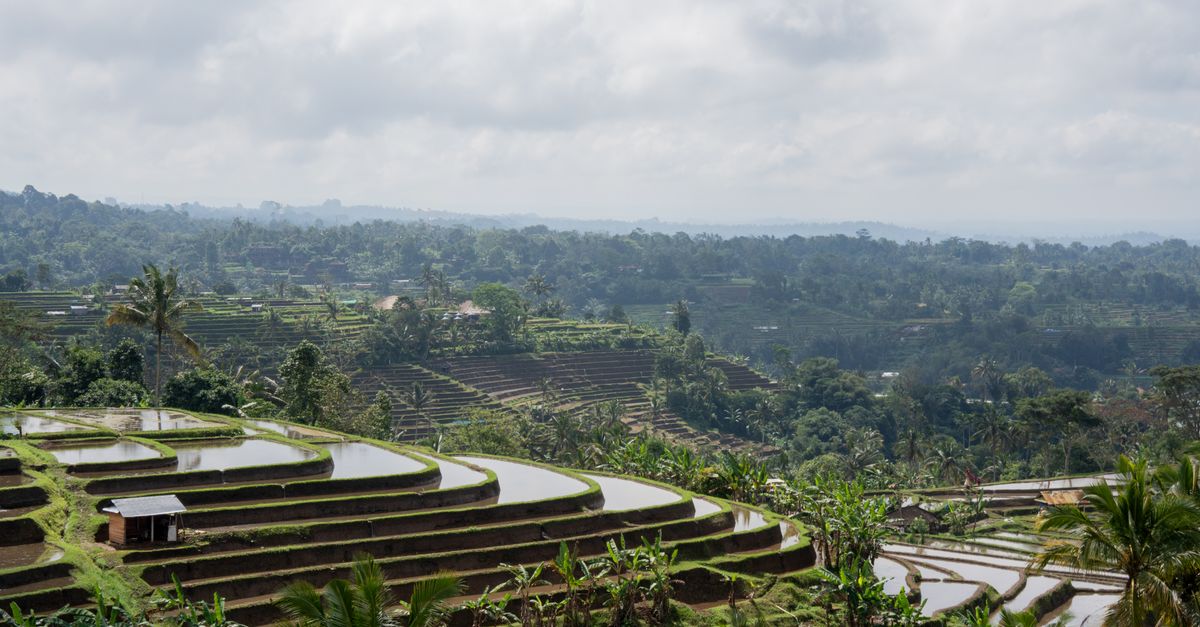
Dengue fever is real in Bali, and it’s worth taking seriously without panicking about it. The Aedes aegypti mosquito that carries dengue bites during the day (not at night like malaria mosquitoes), which means bed nets alone won’t protect you. Risk is highest during rainy season (November to March) and in areas with standing water, particularly Ubud and surrounding rice paddy regions.
When and Where the Risk Is Highest
Dengue cases in Bali spike during and just after the wet season, with February and March typically the peak months. Urban areas with better drainage (Seminyak, parts of Kuta) tend to have lower risk than leafy, lush areas like Ubud, Tegallalang, and the rural outskirts of Canggu. That said, dengue can happen anywhere on the island. The World Mosquito Program has been releasing Wolbachia-infected mosquitoes in parts of Bali since 2017, which has reduced dengue transmission in those areas, but it’s not island-wide yet.
Protection That Works
The most effective protection is preventing bites in the first place. Use a DEET-based insect repellent with at least 30% concentration. Natural citronella products smell lovely but aren’t nearly as effective against Aedes mosquitoes. Apply it every few hours, especially to ankles and feet (these mosquitoes are low fliers).
Before your trip, treat your clothes with permethrin clothing spray: one application lasts through several washes and creates a second layer of protection. And if you’re staying somewhere rural or budget, a portable mosquito net weighs almost nothing and provides peace of mind during sleep.

Sun, Heat, and the Dehydration Trap
The equatorial sun in Bali is stronger than anything you’ll experience in the UK, even on overcast days. UV levels regularly hit 11+ on the index (extreme by any standard), and because there’s usually a breeze, you won’t feel the burn until it’s too late.
Sunburn Prevention
Reef-safe SPF 50 sunscreen is non-negotiable. Apply it before you leave your accommodation, not when you arrive at the beach: by then the damage has already started. Reapply every two hours, and after swimming or sweating. Reef-safe matters because you’ll almost certainly snorkel or swim around coral at some point, and conventional sunscreen chemicals (oxybenzone and octinoxate) damage reef ecosystems.
A UPF 50+ packable sun hat protects your face and neck far better than sunscreen alone. And honestly, scheduling temple visits and outdoor activities for early morning or late afternoon (avoiding the 11 a.m. to 3 p.m. peak) is the simplest sunburn prevention of all.
Recognising Heat Exhaustion
Heat exhaustion creeps up on you in Bali. The humidity means your sweat doesn’t evaporate as efficiently, so your body’s cooling system works overtime. Symptoms include headache, dizziness, nausea, excessive sweating, and feeling faint. If you notice these, get into shade or air conditioning immediately, drink water with electrolytes, and cool your skin with a damp cloth.
The prevention is straightforward: drink far more water than you think you need. I aim for three to four litres a day in Bali, compared to my usual two back home. Carry your water purifier bottle everywhere and sip constantly, even when you don’t feel thirsty.
Pharmacies, Clinics, and What to Do When Things Go Wrong
Despite your best efforts, something might still catch you out. Knowing where to go before you need to is worth ten minutes of preparation.
Pharmacies Worth Knowing
Bali has two major pharmacy chains that stock most of what a traveller might need: Kimia Farma and Guardian. Both are found across the main tourist areas: Seminyak, Kuta, Canggu, Ubud, Sanur. They carry Imodium, oral rehydration salts, basic antibiotics (some available without prescription), antihistamines, and insect repellent. Guardian tends to stock more international brands; Kimia Farma is more affordable.
For anything prescription-strength, you’ll need to visit a clinic first. But for everyday ailments (mild food poisoning, sunburn, insect bites, headaches), a pharmacy visit is usually enough.
Hospitals and Clinics for Tourists
Save these in your phone before you need them. BIMC Hospital has locations in Kuta and Nusa Dua. It’s the go-to for international patients, with English-speaking staff and direct billing to most travel insurance providers. Siloam Hospitals in Denpasar and Kuta offer excellent care at slightly lower costs. For non-emergency consultations, Trishnanda Care Centre in Canggu and Ubud handles everything from Bali belly to dengue testing and has built a strong reputation with the expat community.
If you’re on the Bukit Peninsula (Uluwatu, Jimbaran), Bali Nusa Dua Hospital is the nearest major facility. And for remote areas or the Nusa islands, clinics are basic: serious cases are usually transferred to the mainland by fast boat. This is where travel insurance becomes critical.
The Pre-Trip Health Checklist
A little preparation before you fly makes everything easier if something goes wrong.
Vaccinations
There are no mandatory vaccinations for entering Bali from the UK, but several are strongly recommended. The NHS Fit for Travel service advises hepatitis A and typhoid for all travellers to Indonesia. If you’re staying long-term or travelling to rural areas, hepatitis B and Japanese encephalitis may also be recommended. Rabies vaccination is worth considering if you plan to spend time around animals: Bali has a significant stray dog population and rabies is present on the island.
Book a travel health appointment with your GP or a travel clinic at least six to eight weeks before departure, since some vaccines need multiple doses.
Travel Insurance and What to Pack
Travel insurance isn’t optional for Bali. Medical evacuation to Singapore (the nearest world-class hospital hub) can cost upwards of £20,000, and even a straightforward hospital stay with IV fluids and blood tests can run to several hundred pounds. Choose a policy that covers medical expenses of at least £1 million, includes repatriation, and, crucially, covers scooter riding if you plan to hire one (many standard policies exclude it).
For your health kit, pack: insect repellent with DEET, reef-safe sunscreen SPF 50, Imodium, oral rehydration sachets, a compact first aid kit, sanitising wipes, a water purifier bottle, permethrin clothing spray, and antihistamine tablets for allergic reactions. It sounds like a lot written down, but it fits into a single toiletry bag and covers almost every health scenario you’re likely to face.
Conclusion
Bali isn’t a dangerous destination. Millions of people visit every year and the vast majority have nothing worse than a mild stomach wobble. But the gap between a comfortable, healthy trip and a miserable one often comes down to a handful of small decisions: drinking filtered water, applying sunscreen before you step outside, packing Imodium just in case, choosing a travel insurance policy that actually covers what you’ll be doing.
The goal isn’t to be paranoid. It’s to be prepared enough that you can relax and enjoy everything Bali offers (the temples, the food, the rice terraces, the ocean) without spending half your trip in a pharmacy queue. Take the precautions, pack the essentials, save a clinic number in your phone, and then forget about health worries and go live your Bali dream.
If you’ve got a health question about Bali that I haven’t covered here, drop me a reply or a comment. I’m always happy to share what I’ve learned. And if this guide helped, pass it along to someone who’s planning their first trip.
FAQs
How common is Bali belly for tourists?
Very common: estimates suggest roughly 30–50% of travellers to Bali experience some form of gastro illness. Most cases are mild and resolve within two to four days with rest and rehydration. Eating freshly cooked, hot food and drinking only purified water dramatically reduces your risk.
What vaccinations do I need for Bali?
No vaccinations are legally required to enter Bali from the UK, but hepatitis A and typhoid are strongly recommended for all travellers. Hepatitis B, Japanese encephalitis, and rabies are advised for longer stays or rural travel. Visit your GP or a travel clinic six to eight weeks before departure.
Is dengue fever a big risk in Bali?
Dengue exists year-round in Bali but risk peaks during rainy season (November to March), particularly in February and March. Areas near rice paddies, Ubud and rural Canggu, see higher rates. Use DEET-based repellent, wear light long clothing at dawn and dusk, and treat clothes with permethrin spray before travel.
Can I brush my teeth with tap water in Bali?
Most long-term expats do, but for your first visit, I’d recommend using bottled or filtered water for brushing. Your gut flora isn’t acclimatised to the local bacteria, and even a small amount of tap water can trigger stomach issues in sensitive travellers.
What should I do if I get Bali belly?
Rest, rehydrate with oral rehydration salts, and eat bland food (plain rice, banana, toast) as you recover. Take Imodium if you need to travel or can’t rest. If symptoms last more than 48 hours, include a fever above 38°C, or you see blood in your stool, visit a clinic, as you may need a stool test and antibiotics.
Which hospital should I go to in Bali as a tourist?
BIMC Hospital in Kuta or Nusa Dua is the most recommended for international patients: they have English-speaking staff and handle direct insurance billing. Siloam Hospitals in Denpasar and Kuta are also excellent. For non-emergency visits, Trishnanda Care Centre in Canggu and Ubud specialises in traveller health issues.
Do I need travel insurance for Bali?
Absolutely. Medical evacuation to Singapore can cost over £20,000, and a hospital stay for dengue or a scooter accident can easily reach several hundred pounds. Choose a policy with at least £1 million medical cover, repatriation included, and check that it covers scooter riding if you plan to hire one.
Is malaria a risk in Bali?
Bali itself is considered very low risk for malaria, and antimalarial medication is not routinely recommended for travellers staying in the main tourist areas. However, if you’re travelling onwards to more remote Indonesian islands like Flores, Sumba, or Papua, antimalarials may be advised, so check with your travel clinic.
How do I avoid heat stroke in Bali?
Drink three to four litres of water daily, avoid intense outdoor activity between 11 a.m. and 3 p.m., wear a sun hat, and take breaks in shade or air conditioning. If you feel dizzy, nauseous, or develop a headache, get out of the sun immediately, drink electrolyte water, and cool your skin. Heat exhaustion can escalate to heat stroke, which is a medical emergency.
What’s in a good Bali travel health kit?
The essentials: DEET insect repellent (30%+), reef-safe SPF 50 sunscreen, Imodium, oral rehydration sachets, antiseptic wipes, plasters, blister patches, antihistamines, permethrin clothing spray, sanitising hand wipes, and a water purifier bottle like the GRAYL UltraPress. It all fits in a standard toiletry bag and covers the vast majority of health scenarios.