Six Months in Bali: Honest Reflections on the Expat Dream
Six months of living in Bali: the honest truth about costs, friendships, visa headaches, and the quiet moments that make you stay despite it all.
It was a Tuesday evening. I remember because the warung auntie had just told me they’d run out of nasi campur, and I’d instinctively replied “ya sudah, mie goreng aja” without thinking. Six months of living in Bali long term, and I’d stopped translating in my head. I was sitting on a cracked plastic chair with a warm Bintang, watching the rain hammer the tin roof, and it hit me: this wasn’t the fantasy anymore. This was just… my life.
If you’d told me a year ago that I’d be here (properly here, not on a two-week holiday but paying rent and arguing with my landlord about the water pump), I’d have laughed. But here I am, half a year into what the internet loves to call “the expat dream,” and I want to be properly honest about what that actually looks like. Because the YouTube videos and the TikToks rarely show you the full picture, do they?
So here it is. Six months of truth: the gorgeous bits, the hard bits, and everything in between.
The Honeymoon Phase: When Bali Can Do No Wrong
The first weeks of rice paddies and sunsets
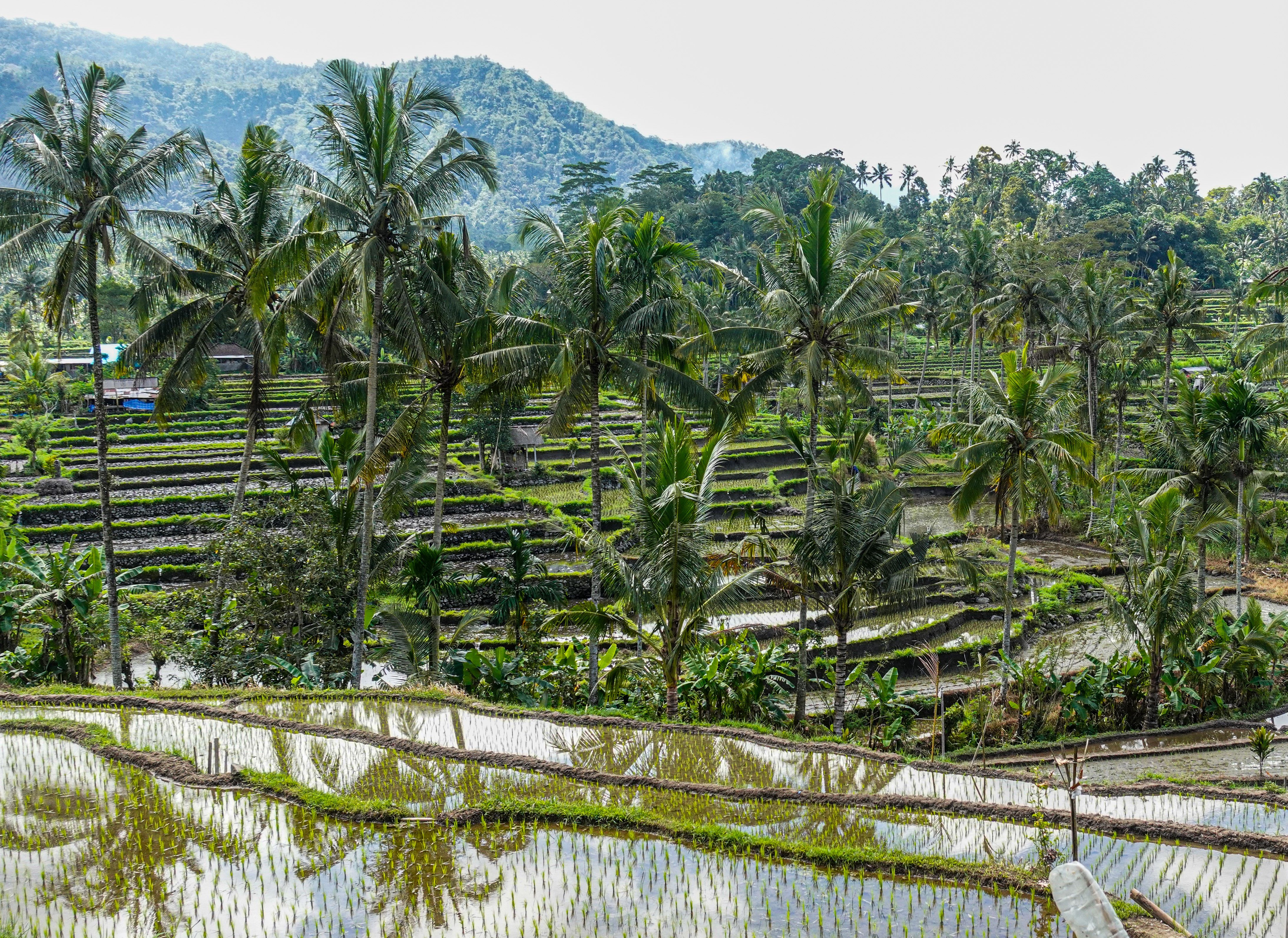
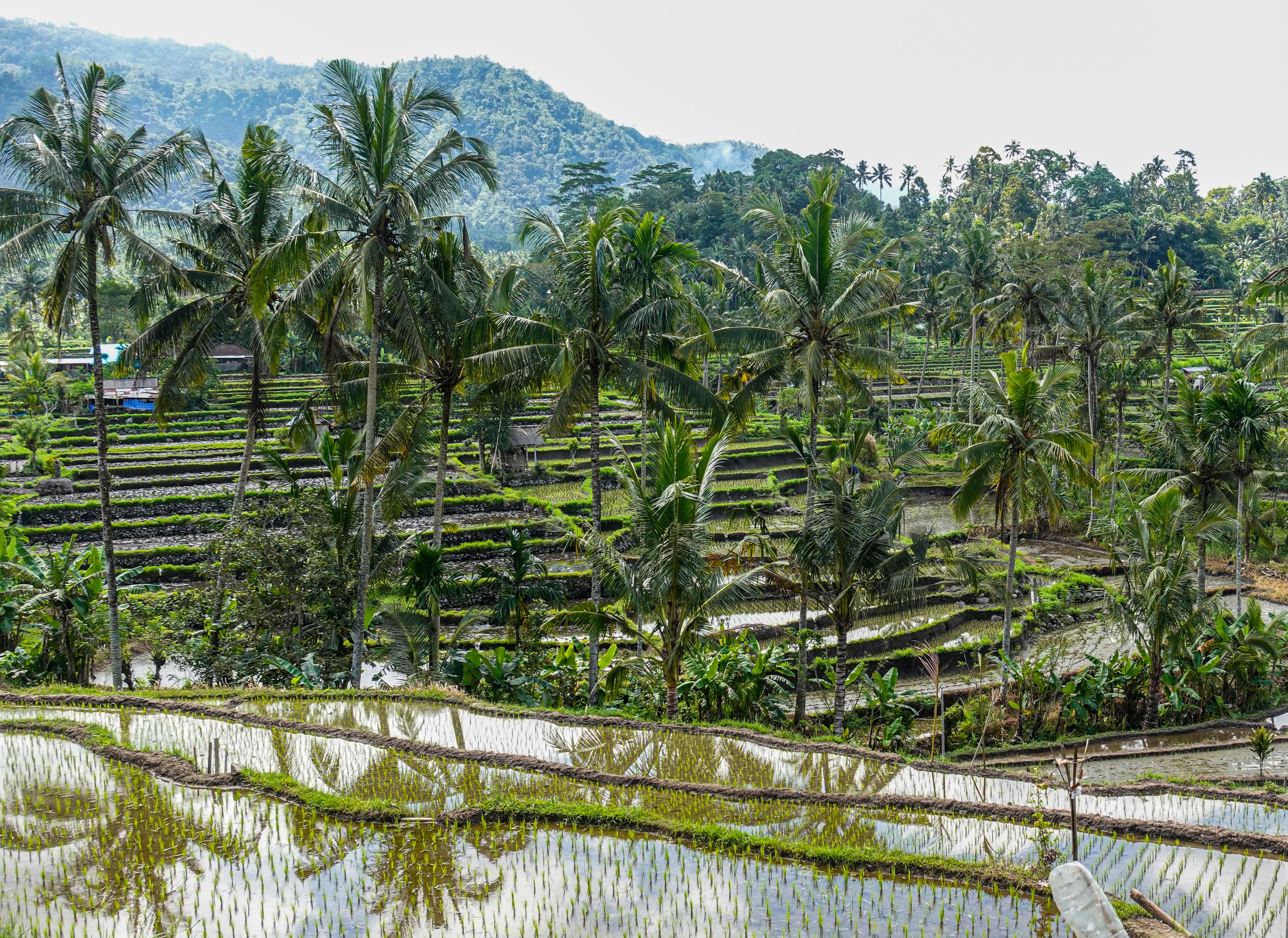
I won’t pretend the beginning wasn’t magical, because it genuinely was. Those first few weeks felt like stepping into a film: the Tegallalang rice terraces glowing in the late afternoon, frangipani on every pavement, the sound of gamelan drifting from a temple ceremony I hadn’t been invited to but wandered past anyway. I was that person, the one posting sunrise photos from Uluwatu with captions about “finding myself.” And I meant every word of it, which is the embarrassing part.
Everything tasted better. A 25,000 IDR plate of nasi goreng from a roadside warung (about a pound fifty) felt like the best meal I’d ever eaten. The smoothie bowls in Canggu were overpriced, yes, but surrounded by people who seemed to have figured out some secret to life that I’d been missing back in the UK.
Everything feels cheap, beautiful, and possible
The first month in Bali, I was doing the maths constantly. A beautiful one-bedroom villa with a pool for $500 a month? A massage for $8? A yoga class for $5? I couldn’t believe what my money could do here compared to London. I felt like I’d hacked the system: remote salary, tropical living, none of the British greyness. I was smug about it, honestly. Insufferably so. I texted friends back home photos of my morning commute (a five-minute scooter ride past rice paddies) and felt like I’d won at life.
But the honeymoon phase is called that for a reason. It doesn’t last.
When the Sparkle Fades: The Unglamorous Bits
Rainy season, motorbike near-misses, and Bali belly
Nobody on Instagram talks about the rainy season properly. From roughly November through to March, Bali gets hammered, and I don’t mean a light tropical shower. I mean roads that turn into rivers, power cuts that knock out your Wi-Fi mid-deadline, and humidity so thick your clothes never fully dry. My first bout of Bali belly arrived in month three, and it was two weeks of genuine misery. I’d been careful (or so I thought), but the reality of living in Bali long term is that your stomach will eventually have an opinion about local bacteria, no matter how many probiotics you’re taking.
Then there’s the traffic. Canggu’s roads were not built for the number of scooters, cars, delivery bikes, and bewildered tourists currently using them. I’ve had three near-misses that properly shook me. And dengue: I know two people in my circle who’ve had it. The risk is real, especially during the wet season when mosquitoes are everywhere. You learn to live with repellent on your ankles like it’s perfume.
The things nobody warned you about
The admin. The sheer, relentless admin of being a foreigner in Indonesia. Visa runs that eat up entire days. The C6 social visa gives you 60 days, extendable up to 180, but it requires an agent, paperwork, and patience. The newer E33G digital nomad visa sounds wonderful on paper (up to a year’s stay), but you need to prove annual income of at least $60,000 USD, which rules out a fair few people. And then there’s the tourist levy of IDR 150,000 (about $9) that every foreign visitor now pays. It’s small individually, but it’s another layer of “you’re not from here, and we’d like you to remember that.”
The Wi-Fi goes down. The water pump breaks. The landlord is unreachable. Your driving licence situation is… complicated. These are the textures of real life, not a holiday.
The Real Cost of the Dream
What I actually spend each month
Let me give you the honest numbers, because this is what I searched for obsessively before moving, and most of what I found was either outdated or weirdly optimistic.
My monthly spend, living comfortably (not luxuriously) in Canggu in 2026:
- Rent (one-bed villa, small pool, decent Wi-Fi): $600
- Scooter rental: $65
- Food (mix of warungs and the occasional brunch spot): $400
- Coworking (Dojo Bali, monthly pass): $150
- Health insurance (international cover, not just travel insurance): $120
- Yoga/fitness: $80
- Phone data + misc subscriptions: $30
- Socialising, transport, random bits: $200 That puts me at roughly $1,645 a month, call it around £1,300. That’s comfortable but not extravagant. No fancy dinners every week, no private driver, no beachfront villa. And it’s gone up noticeably even in the six months I’ve been here; rent in Canggu has climbed about 15–20% year on year as demand keeps rising.
Visa runs, health insurance, and the expenses that creep up
The costs that caught me off guard weren’t the big ones. It was the constant small bleeds: visa agent fees (around $250–350 per extension cycle), replacing flip-flops that dissolve in the rain, the “tourist price” that still gets quietly applied even after months. A GP visit at BIMC Hospital in Kuta can run $50–80 without insurance, and if you need anything more serious, Siloam Hospital in Denpasar is reliable but not cheap. International health insurance is non-negotiable if you’re staying long term. I use SafetyWing, but there are several options. Just don’t rely on basic travel insurance past the three-month mark.
Friendships That Come and Go
The revolving door of the expat bubble
This is the bit I wasn’t prepared for. Living in Bali as an expat means existing in a world of constant arrivals and departures. You meet someone at a coworking space (Dojo, Outpost, one of the newer spots in Ubud), and within a week you’re having dinner together, sharing recommendations, swapping life stories. Two weeks later, they’re gone. Off to Thailand, or back to Berlin, or onto the next place.
It’s exhilarating at first. The sheer volume of interesting people you meet is unlike anything back home. But by month four, the revolving door starts to wear on you. You get tired of the introductions, the “so what do you do?” conversations, the knowledge that most of these connections have a built-in expiry date. The digital nomad community in Bali is enormous (Canggu alone sometimes feels like it’s 50% laptop workers in cafes), but depth takes time, and time is the one thing most people here don’t give a place.
Finding your people (and losing them again)
I did find my people, eventually. A small group of longer-term expats: the ones who’ve been here a year or more, who’ve moved past the honeymoon content and settled into something quieter. We have a Sunday morning routine: coffee at a local place (not one of the trendy ones), a swim, a proper catch-up. It took four months to build that, and it’s the thing I’d miss most if I left.
But even within that group, people leave. One of my closest friends here moved back to Australia last month: family reasons, visa frustrations, the pull of home. You learn to hold friendships a bit more loosely in Bali. Not because they matter less, but because holding on too tightly will break your heart.
The Moments That Make You Stay
When Bali stops being a holiday and starts being home
There’s a shift that happens somewhere around month three or four, if you let it. Bali stops being a destination and starts being a place. You have a favourite warung auntie. You know which lane to take to avoid the Canggu shortcut traffic. You recognise the sound of a specific temple ceremony and know what it means. You stop taking photos of every sunset.
That shift is quiet, and it’s the most beautiful part of living here. The morning light through the rice paddies near my villa: the same view every day, but somehow different each time. The way the Balinese put out their canang sari offerings every morning without fail, a daily act of devotion that makes my rushed coffee-and-emails routine feel slightly absurd. The kindness, genuine and unhurried, from people who’ve watched their island be transformed by tourism and still manage to smile when you butcher their language.
Ceremonies, kindness, and the things you can’t Instagram
I was invited to a temple ceremony in month five, a proper one, not a tourist-facing version. A Balinese friend’s family odalan (temple anniversary). I wore a sarong and a kebaya borrowed from her mother, and I sat through three hours of prayers I didn’t fully understand, and it was one of the most meaningful experiences of my life. No phone. No content. Just presence.
That’s the Bali that keeps people here. Not the beach clubs or the coworking spaces or the acai bowls, but the real, living culture underneath all of it. And it’s still there, even under the layers of development and tourism. You just have to be here long enough, and quiet enough, to find it.

So Is It Worth It? Six Months Later
The honest answer nobody wants to hear
Is Bali worth it in 2026? The honest answer is: it depends entirely on what you’re looking for, and how willing you are to accept that paradise is a place with plumbing problems.
If you’re coming for the Instagram version (the effortless, sun-kissed, laptop-by-the-pool fantasy), you’ll love it for about six weeks, and then you’ll either leave or have to reckon with the reality. The reality is harder. It’s lonelier than you expect. It’s more expensive than the YouTube breakdowns suggest. It’s admin-heavy and occasionally frustrating in ways that test your patience.
But if you’re coming to actually live, to build a routine, to learn (however badly) a few words of Bahasa Indonesia, to sit with the discomfort of being a guest in someone else’s home and try to do it respectfully, then yes. God, yes. It’s worth it.
Six months in, I’m not the wide-eyed person who arrived with two suitcases and a vague plan. I’m someone who has a life here: a flawed, complicated, sometimes unglamorous life that happens to include frangipani trees and $2 coconuts and the sound of the ocean at night.
I’m staying. Ask me again in another six months, and the answer might be different. But right now, sitting in my favourite warung with the rain starting up again, I can’t imagine being anywhere else.
If this kind of honest, no-filter writing about life in Bali resonates with you, subscribe to Destined for Bali. Every week, I share the real stuff: the journal entries, the practical guides, the things I wish someone had told me before I packed up my life and moved to an island. Come join us.
FAQs
1. What is the real cost of living in Bali in 2026?
A comfortable monthly budget for a single expat in Bali is roughly $1,500–$2,500 USD (approximately £1,200–£2,000). This covers rent for a decent one-bedroom villa, food at a mix of local warungs and Western-style cafes, scooter rental, coworking membership, health insurance, and socialising. You can live more cheaply (some manage on $900–$1,200) but that requires eating locally almost exclusively and living further from popular areas like Canggu or Seminyak.
2. How long can you stay in Bali on a visa?
The most common option for long-term stays is the C6 social/cultural visa, which gives you 60 days and can be extended up to 180 days total. Indonesia also offers the E33G digital nomad visa for remote workers, valid for up to one year, though it requires proof of at least $60,000 USD in annual income. A standard visa on arrival gives 30 days and can be extended once for another 30.
3. Is Bali safe for solo expats?
Generally, yes: Bali is one of the safer places in Southeast Asia for solo expats. Violent crime against foreigners is rare. The bigger safety concerns are road accidents (Bali’s traffic is genuinely chaotic), petty theft, and health risks like dengue fever during the wet season. I’d strongly recommend international health insurance and always wearing a helmet when riding a scooter, even for short trips.
4. What is the best area to live in Bali long term?
It depends on your lifestyle. Canggu is the hub for digital nomads and younger expats, lively and full of coworking spaces and cafes, but increasingly crowded and noisy. Ubud suits people who want a quieter, more cultural experience surrounded by nature. Sanur is popular with families and older expats who want a calmer beach vibe. Uluwatu attracts surfers. I’d suggest renting short-term in a couple of areas before committing.
5. Do you need health insurance to live in Bali?
Absolutely, and I cannot stress this enough. While Bali has good hospitals (BIMC in Kuta and Nusa Dua, and Siloam in Denpasar are the main ones expats use), treatment costs add up quickly without insurance. A basic GP visit can cost $50–80 USD, and anything requiring hospitalisation runs into thousands. International health insurance (not just travel insurance) is essential for stays beyond a few months.
6. What are the biggest downsides of living in Bali?
The transient friendships, the ongoing visa admin, traffic congestion (especially in Canggu), inconsistent infrastructure (power cuts, water supply issues, Wi-Fi drops), the rising cost of living, and the emotional toll of being far from family. Dengue fever is a genuine health risk, and the rainy season from November to March can be relentless. It’s not all bad (far from it), but anyone considering the move should go in with open eyes.
7. Is Bali good for remote work?
Yes, with caveats. Bali has excellent coworking spaces (Dojo Bali and Outpost in Canggu, plus various options in Ubud and Sanur) with reliable high-speed Wi-Fi. The time zone (GMT+8) works reasonably well for European afternoon meetings and Australian business hours, less so for US-based teams. Home Wi-Fi can be unreliable depending on your area, so many remote workers use coworking as their daily base.
8. How hard is it to make friends in Bali as an expat?
Making initial connections is incredibly easy: the coworking culture and social scene in places like Canggu mean you’ll meet people within days. The challenge is depth. Many people are passing through on short stays, so friendships often have a built-in expiry date. Building a genuine, lasting social circle takes three to four months of consistent presence. I found my core group through a coworking space and a regular fitness class.
9. What is the food really like for expats in Bali?
You can eat extraordinarily well on any budget. Local warungs serve nasi campur, mie goreng, and sate for 25,000–40,000 IDR ($1.50–$2.50 USD) per meal. The Western cafe scene (smoothie bowls, avocado toast, specialty coffee) is abundant but pricier ($6–$15 USD). Most long-term expats settle into a rhythm of mostly local food with occasional Western meals. Vegetarian and vegan options are everywhere, which is unusual for Southeast Asia.
10. What happens after the honeymoon phase in Bali?
After the initial excitement fades (usually around month two or three), you enter what expat psychologists call the “negotiation phase.” The things that charmed you start to irritate you: the traffic, the humidity, the communication barriers. This is completely normal. Most people who push through it find a deeper, more grounded appreciation for Bali by month four or five. Those who don’t tend to leave, and that’s perfectly fine too. The key is managing expectations and building routines that give your life structure beyond the novelty.