Retiring in Bali in 2026: The Honest Guide to Visas, Costs, and Why Healthcare Changed Everything
An honest, first-hand look at retiring in Bali in 2026, the retirement KITAS and Silver Hair visa rules, what a month really costs, the property traps to avoid, and why the new Sanur hospital changed the whole calculation.

My neighbour in Sanur is 67, from Yorkshire, and spends most mornings cycling the flat coastal path to a warung where his nasi campur costs less than a bus fare back home. He’s been here eleven years. When I asked him what finally tipped the decision, he didn’t say the weather or the price of beer. He said: “They built the hospital.” That sentence has stayed with me, because retiring in Bali in 2026 really has become a different conversation, calmer, more grown-up, than the one people were having even three years ago. The visas are clearer. The healthcare gap that used to send retirees flying to Singapore for anything serious has narrowed dramatically. And the costs, while still gentle by Western standards, aren’t the fantasy figures you see on YouTube. This is the honest version: what the visas actually demand, what a month genuinely costs, why property is the bit that trips people up, and what changed with healthcare. None of it is legal or financial advice, I’ll point you to the professionals for that. But it’s the guide I wish someone had handed me.
The retirement visas, untangled: E33F, the Silver Hair E33E, and the Second Home route
Let’s start where everyone gets stuck. There isn’t one retirement visa Indonesia offers, there are three doors, and they suit very different people.
The retirement KITAS (E33F) is the classic. It runs for one year, renews annually, and after five renewals you can step up to a permanent stay permit, the KITAP. In practice the income bar I see quoted in 2026 commonly sits around USD 3,000 a month, though some agents reference lower figures from about USD 1,500 depending on the immigration office, plus proof of health insurance and a real lease, a hotel booking won’t count.
Then there’s the Silver Hair visa (E33E), the shinier option: roughly five years in one go, far fewer renewal headaches, but it asks for around USD 3,000 a month and a deposit near USD 50,000 parked in a state-owned Indonesian bank. And note this, 2026 rules now benchmark several of these routes at age 60+ for many nationalities, not the old 55.
The third door, the Second Home Visa (E33), isn’t strictly “retirement” but plenty of retirees use it: 5 or 10 years, in exchange for placing about IDR 2 billion (~USD 120,000–130,000) in an Indonesian state bank. It stays yours and earns interest, it’s a deposit, not a fee. Use a reputable visa agent. The rules shift, and the wrong category costs months.
What it really costs: a retiree’s monthly budget, honestly
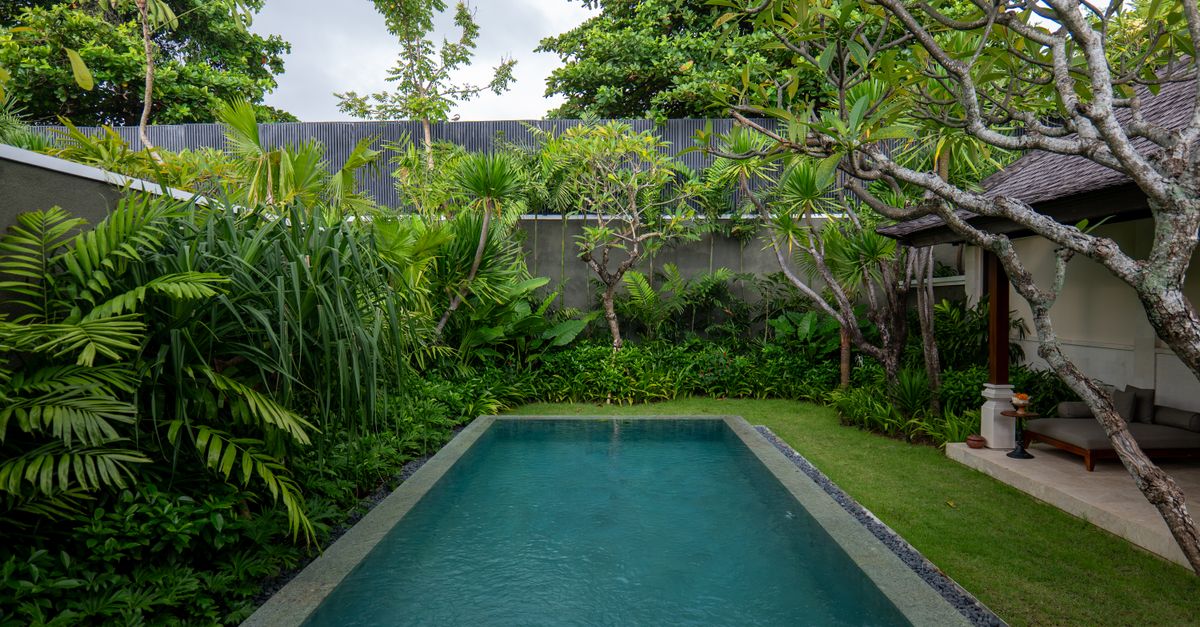
The cost-of-living promise is real, but I want to ground it in actual numbers rather than the influencer dream. A retired couple living well, a private villa with a pool, a mix of warung and Western meals, insurance, a scooter and a bit of household help, lands comfortably from about USD 2,500 a month. A single person managing the cost of living as a Bali retiree can do it from roughly USD 1,800 to USD 2,500.
Rent is the big lever. In Sanur, a spacious apartment near the local market runs around IDR 6–10 million (about USD 380–635). In Ubud, that same square footage among the rice fields nudges up to IDR 8–14 million (roughly USD 506–886), the jungle calm carries a premium. Bali villa rental costs swing wildly with how Western you want the kitchen and how new the build is.
The daily stuff is where Bali stays generous. A plate of nasi campur or mie goreng at my regular warung is USD 1–3. A scooter plus petrol comes in around USD 80–140 a month. The line people forget is health insurance, budget properly for it, because as a retiree it isn’t optional, and the cheap travel policies won’t cut it. Build your monthly budget around the worst month, not the best one.
Why healthcare changed everything (Bali International Hospital, BIMC, Siloam)
This is the bit that genuinely shifted the maths. For years, Bali healthcare for expats meant: fine for a scooter graze or a bout of Bali belly, but anything cardiac or oncological and you were on a plane to Singapore. That fear kept a lot of cautious retirees away.
Then came Bali International Hospital in Sanur, a government flagship with 255 beds, 38 ICU units, eight operating theatres, and a clinical partnership with the Mayo Clinic, built specifically around centres of excellence in cardiology, oncology, neurology and orthopaedics. Suddenly the specialist care that used to require a flight is, for many people, a fifteen-minute drive.
It doesn’t stand alone. BIMC hospital Bali (Kuta and Nusa Dua) is the long-trusted expat and tourist option, 24/7 emergency care, international insurance coordination, and Australian ACHSI accreditation. Siloam, part of one of Indonesia’s largest private networks, holds JCI accreditation. All three have English-speaking staff and work with the major international insurers.
I won’t pretend it’s the NHS. You pay up front or through insurance, and the public system isn’t built for foreigners. But the gap that genuinely frightened people has closed enough that my Yorkshire neighbour finally felt safe growing old here.
The property trap: what foreigners can and can’t actually own
Here’s where I watch newcomers make expensive mistakes. Bali property for foreigners does not work the way it does back home, and the cheerful villa brochures rarely spell it out.
The blunt truth: foreigners cannot hold freehold (Hak Milik). That title is reserved for Indonesian citizens, full stop. What you can lawfully do is hold a leasehold (Hak Sewa), usually 25–30 years and noticeably cheaper, which suits most retirees thinking in terms of “the rest of my life” rather than dynasty-building. Or, if you hold a residency permit like a KITAS, you can take a Hak Pakai (right to use) title, which can run up to 80 years in total through extensions, but those extensions need timely applications to the land agency, so it’s not set-and-forget.
The thing I’ll beg you to avoid: the nominee structure, where you “buy” freehold in an Indonesian friend’s name. Courts treat these as null and void, and Bali’s 2026 rules have added criminal exposure on top. People lose everything. Use a property-specialist notary, lease rather than chase ownership if you’re over 60, and never sign anything you can’t read.
Where to actually live: Sanur for ease, Ubud for soul
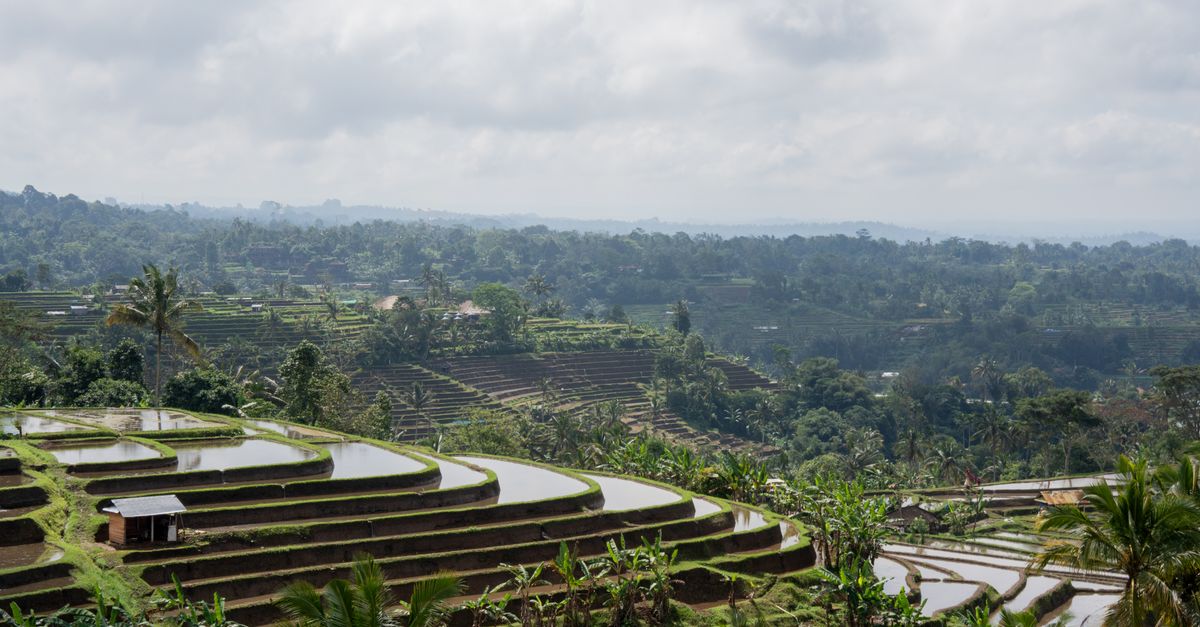
When people picture retiring in Bali, they picture Ubud, and Ubud over 60 is wonderful, all rice terraces and slow mornings, but it’s hilly, humid and a fair drive from the beach. Retiring in Sanur has quietly become the sensible default, and I get why. The terrain is flat, which matters more than you’d think for daily walking and cycling; the pace is gentle; and the new international hospital sits right there.
Sanur is where you’ll meet the eleven-years-in crowd, the ones who’ve stopped counting in holidays and started counting in seasons of Galungan. Ubud keeps the soul, the ceremonies, the art, the green, and plenty of retirees split the difference, basing in Sanur and escaping uphill when the heat near the coast gets sticky.
Whichever you choose, rent first. Spend a rainy season here, when the November-to-March downpours test your patience and your roof, before you commit to a lease. The Bali you fall for in July is not the only Bali there is.
There’s no single right answer to retiring in Bali in 2026, only the version that fits your health, your budget and your appetite for paperwork honestly assessed. If you’re weighing it up, reply and tell me which bit is keeping you awake, the visa maze, the money, or the leaving, because I’m always adding to this from real questions, and my list is never finished.
FAQs
How old do you have to be to get a Bali retirement visa in 2026? For 2026, many retirement routes are benchmarked at age 60 and over. The E33F retirement KITAS and the Silver Hair E33E are generally aimed at this group, though some agents still reference 55+ pathways depending on nationality and income. Confirm your exact eligibility with a licensed visa agent before applying, as immigration interpretations vary by office.
What income do you need to retire in Bali? Expect to show somewhere around USD 3,000 a month for the main routes, though some agents quote figures from USD 1,500 upward for the E33F depending on the office. The E33F typically pairs income with insurance and accommodation proof; the Silver Hair E33E asks nearer USD 3,000 plus a deposit. These are guidelines agents quote, not fixed law, so verify before committing.
How much does it cost to retire in Bali per month? A couple can live comfortably from about USD 2,500 a month and a single person from roughly USD 1,800. That covers a villa, mixed dining, transport, insurance and some help. Premium lifestyles climb well past USD 3,500, so the figure is genuinely about how Western you want your life.
Can foreigners own property in Bali? No, foreigners cannot hold freehold (Hak Milik) land. You can hold leasehold (Hak Sewa), or a Hak Pakai right-to-use title if you have a residency permit. Avoid nominee arrangements entirely, as Indonesian courts treat them as void and 2026 rules add criminal exposure.
Is healthcare in Bali good enough for retirees? It has improved dramatically. Bali International Hospital in Sanur now offers specialist cardiology and oncology care with a Mayo Clinic partnership, alongside accredited private hospitals BIMC and Siloam. Serious care that once meant flying to Singapore is increasingly available locally, though you’ll need solid health insurance.
What is the Second Home Visa and is it for retirees? The Second Home Visa (E33) grants a 5 or 10-year stay in exchange for placing around IDR 2 billion (~USD 120,000–130,000) in an Indonesian state bank. It’s not a retirement visa specifically, but many retirees use it for its longer validity. The deposit stays yours and earns interest.
Where do most retirees live in Bali? Sanur and Ubud are the two favourites. Sanur is flat, walkable and near the new hospital, making it the practical choice; Ubud offers culture and greenery but hillier terrain. Many people base in Sanur and visit Ubud regularly.
Do I need health insurance for a Bali retirement visa? Yes. Proof of health insurance is a standard requirement for retirement KITAS applications, and you’ll want comprehensive cover well beyond a basic travel policy. Many international insurers coordinate directly with BIMC, Siloam and Bali International Hospital.
Can my Bali retirement visa lead to permanent residency? Yes. After five consecutive annual renewals of the E33F retirement KITAS, holders can typically apply for a permanent stay permit (KITAP). Rules evolve, so track your renewal timeline carefully and take professional advice as you approach eligibility.
What’s the catch with retiring in Bali? The visas need renewing, you can’t truly own land, the bureaucracy is real, and rainy season tests your patience from November to March. None of it is a dealbreaker, but go in clear-eyed, rent before you buy in, and lean on licensed visa, legal and financial professionals rather than forum advice.
Before you go - I wrote this in 2026 and double-checked every price, fee, opening time and rule I could, but Bali changes fast. Treat the figures here as a guide and confirm the latest details before you book or travel.
Visa, tax and entry rules change and everyone’s circumstances differ, always confirm the current requirements with official Indonesian sources, or a qualified professional, before acting on anything here.
This is general information from lived experience, not medical advice. If you are badly dehydrated, cannot keep fluids down, have a high fever or blood in your stool, or symptoms last more than two to three days, see a doctor or clinic.