Padel in Bali 2026: Why Everyone's Suddenly Playing (and Where to Get a Court)
Padel has exploded across Bali, but is it worth the hype? My honest 2026 guide to the real clubs in Canggu, Berawa and Uluwatu, what a court actually costs, and how to book your first game.
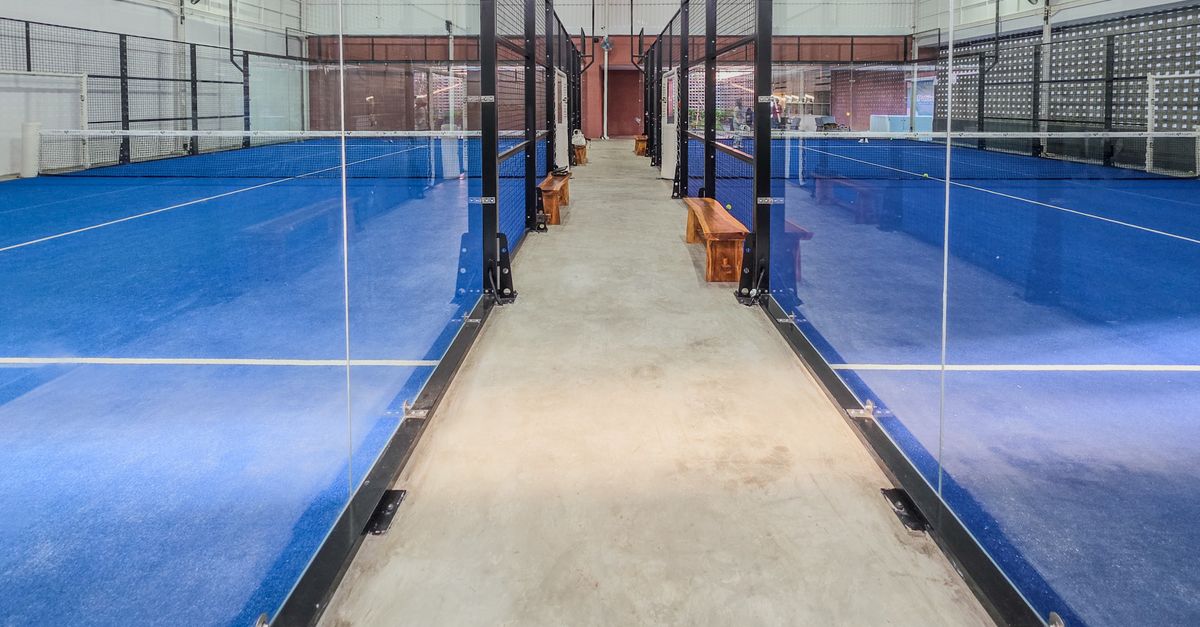
The first time someone invited me to play padel in Bali, I genuinely thought they’d misheard themselves and meant paddleboarding. That was a couple of years back. Now I can’t walk through Berawa without passing a glass box full of people in matching kit, thwacking a ball off a wall and shrieking with laughter. The sport has gone from “what’s that?” to “are you free Tuesday?” faster than almost anything I’ve watched land on this island. That’s saying something, because Bali loves a trend.
Here’s the honest version, because that’s what I do. Padel really is everywhere now, and it really is good fun. But it’s also got pricier than people expect, the good courts book out days ahead, and a few of the early venues have already rebranded or quietly shut. So this is my no-nonsense 2026 guide: where to actually play, what a court costs in real rupiah, how to book without getting caught out, and whether it’s worth the hype if you’ve never picked up a racket. I’ve checked every club and price here as recently as I could, because nothing dates faster than a Bali activity guide. Let’s get into it.
Why everyone in Bali is suddenly playing padel
I used to think the padel thing was just my expat bubble. It isn’t. Indonesia has become one of the fastest-growing padel markets in Asia, with somewhere around 400,000 amateur players and nearly 400% growth in player numbers over three years (The Southeast Asia Desk, 2025). Roughly 1,580 new courts went up across the country in 2025 alone. Bali is one of the four big hotspots, alongside Jakarta, Surabaya and Bandung.
What makes it spread so fast is that padel is genuinely easy to start. It’s played in doubles on a small enclosed court, the rackets are stringless and forgiving, and you can rally within minutes: none of the year-of-frustration that tennis demands. That low barrier is exactly why racket sports Bali culture has taken off among the 30-to-40 crowd who want exercise plus a social fixture in one go.
And that’s the real draw, if I’m honest. Padel in Bali isn’t really about the sport. It’s about the padel community Bali has built around it: the post-match smoothie, the WhatsApp group that organises Sunday games, the slightly competitive mixed doubles that turns into dinner. It’s the new run club, basically. People come for the exercise and stay for the friends. After a few months living somewhere as transient as Canggu, that matters more than you’d think.
Where to play in Canggu and Berawa
If you’re based anywhere near the west coast, Canggu and Berawa are your padel heartland. This is where the scene started and where the courts are best.
Canggu Padel in Berawa is the one everybody names first. Four glass-walled, all-weather courts, open daily from 6am to 10pm, and you book through WhatsApp or the Playtomic app. It’s slick, it’s busy, and the evening slots disappear fast. Court hire here runs at the premium end: expect around 600k IDR for 60 minutes, more for the longer slots, with rackets to rent for about 75k plus a deposit.
Bali Padel Academy, set out in the rice fields on the Canggu fringe, is my pick if you actually want to improve. Seven proper courts and real coaching. Pricing is per person rather than per court, which I prefer: around 150k IDR each for an hour, 195k for 90 minutes, 280k for two hours, with rental rackets a tidy 50k (Bali Padel Academy, 2026). It’s always worth confirming the current rates when you book, as they shift. For a foursome that often works out cheaper than hiring a whole premium court.
Island Sports Club Canggu is a few minutes from Berawa Beach with three panoramic courts and a proper app for booking. It leans into the lifestyle side: café, fitness, the lot. Wherever you land, book your padel Canggu slot ahead. Turning up hoping for a walk-on game is how you end up watching from the sidelines with a coconut.
Uluwatu’s growing padel scene
The Bukit was slower to catch on (Uluwatu has always been surf-first), but padel has arrived properly now, and the courts down here might be the most scenic on the island.
Island Padel Uluwatu is the standout. It was, as far as I can tell, one of the first dedicated padel clubs on the Bukit, run by Island Sports Club Bali. You’ll find it on Jl. Labuansait in Pecatu, a short hop from Bingin and Padang Padang beaches, so you can genuinely play a morning game and be in the surf by lunch. There are four panoramic courts, a locker room, an outdoor café with a patio, and a pro shop if you decide you’re suddenly the kind of person who owns their own racket (Island Sports Club Bali, 2026).
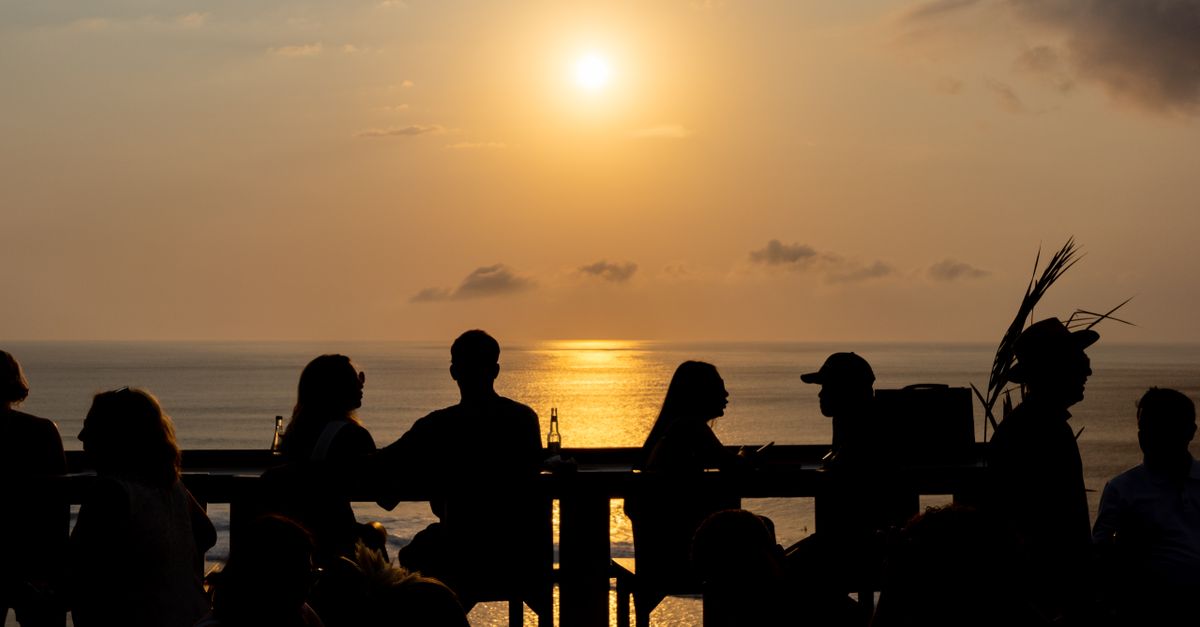
What I like about playing padel Uluwatu way is the rhythm of the day it makes possible. The light up on the cliffs in late afternoon is ridiculous, and the club leans into it with sunset sessions and the odd padel party. It feels less like a fitness errand and more like an evening out. The trade-off is distance: if you’re staying in Canggu, it’s a proper drive down: count on around an hour, sometimes longer in traffic, so don’t trust the optimistic map estimate. For Bukit locals, though, it’s easily one of the best padel courts Bali has going right now.
What padel in Bali actually costs
Let me be straight, because the marketing photos won’t tell you this: padel is not a cheap hobby in Bali anymore. It used to be a quiet expat thing; now it’s a business, and prices have climbed accordingly.
For padel court price IDR figures, you’re looking at a wide range. The premium Canggu venues like Canggu Padel run roughly 600k IDR for a 60-minute court, climbing to around 800k for 90 minutes and over 1,000k for two hours. Per-person clubs like Bali Padel Academy sit at around 150k each per hour, so a court of four is roughly 600k either way, give or take. Island Sports Club court rentals start around 520k for an hour, again split between up to four players. Cheaper community courts exist if you hunt, sometimes from 100k to 300k an hour, but the surfaces and walls aren’t always as good.
On top of court hire, factor racket rental Bali costs of roughly 30k to 75k depending on the venue, usually with a small deposit. Balls are normally included. So a casual social hour for four people, all-in, lands somewhere around 175k to 250k each once you split it, not nothing, but reasonable for a fun, sweaty hour with friends.
My honest take on padel Bali cost: it’s worth it as an occasional treat or a weekly fixture with a regular group, but if you’re playing daily it adds up fast. A monthly membership or pre-paid pack is where the real savings live. Ask each club, because the headline court rates rarely tell the whole story.
How to book a padel court (without the faff)
Booking is the bit people overthink. It’s genuinely simple once you know the system.
Most serious clubs run on Playtomic Bali, the same app the rest of the padel world uses. You download it, search by area, see live court availability, pick a slot, pay in-app, and you’re done. It’s also where you’ll find “open matches”: games other players have created that need a fourth, which is the single best way to meet people and get a game when your own crew is hungover. Searching padel near me Canggu in the app on a quiet weekday will usually turn up something within the hour.
The other route is WhatsApp. Plenty of Bali clubs, including Canggu Padel, take bookings straight over WhatsApp: you message, they confirm, you transfer a deposit or pay on arrival. It feels old-school but it’s quick, and the staff often help match you with other players of a similar level. A few clubs, like Island Sports Club, have their own dedicated apps too.
My one piece of how-to-book-padel-Bali advice: reserve evening and weekend slots two or three days ahead, especially in Berawa. The 5pm-to-8pm window is gold dust because that’s when everyone’s finished work. Mornings are quieter, cooler, and far easier to grab last minute, and frankly more pleasant than sweating buckets at peak heat.
Honest beginner tips before your first game
If you’ve never played, don’t overthink it: padel for beginners Bali is about as gentle an entry as racket sports get. But a few things would have saved me some red-faced moments.
First, the basics. Padel is doubles only, on a small glass-walled court, and the scoring is identical to tennis: 15, 30, 40, game (LTA Padel, 2026). The serve goes underhand, below your waist, bouncing once first. That catches everyone out at the start. And the magic bit: the walls are in play. You can let the ball bounce off the glass behind you and still return it, which feels deeply unnatural for the first ten minutes and brilliant after that.
Second, the padel rules beginners trip over most: don’t touch the net, don’t hit the ball before it crosses to your side, and don’t volley the serve. That’s about it.
Third, and this is the one I’d push hardest, book a single padel lessons Bali session before you go playing socially. An hour with a coach at somewhere like Bali Padel Academy will teach you the wall game and save you weeks of bad habits. Borrow a racket the first few times before buying. And wear proper court shoes, not your flip-flops: the surface is grippy and ankles roll easily. Beyond that? Just turn up, miss a lot, laugh about it. That’s rather the whole point.
Is padel in Bali worth the hype?
The short answer: yes, if you want the social side, and that, more than the sport itself, is what’s really pulling everyone in. Padel in Bali has become the easiest way to land a ready-made group of friends, get a proper sweat on, and have somewhere to be on a Tuesday evening, all at once. It’s not cheap, the good courts book out, and a venue or two will have changed by the time you read this. But the fun is genuine and the barrier to entry is gloriously low.
If you only do one thing, download Playtomic, find an open match in Berawa, and just go. You’ll be terrible for an hour and hooked by the end of it.
I’m still updating my own list of favourite courts as new ones open and old ones rebrand, so if you’ve found a club I’ve missed, or a hidden community court with cheap morning rates, reply and tell me. My padel map of Bali is never quite finished.
FAQs
Where can you play padel in Bali? The main clubs are in Canggu and Berawa: Canggu Padel, Bali Padel Academy and Island Sports Club, plus Island Padel Uluwatu on the Bukit.
How much does it cost to play padel in Bali? Roughly IDR 500,000–600,000 per court per hour, split between players (around IDR 150,000 each), plus about IDR 75,000 to hire a racket. Rates shift, so confirm when you book.
Do you need to book padel courts in advance? Yes: courts fill up, especially in the evenings. Most clubs take bookings through the Playtomic app or over WhatsApp.
Is padel hard to learn? No: it’s one of the easiest racket sports to pick up. The walls keep the ball in play, so beginners are rallying within minutes. A first lesson helps a lot.
What do you need to play padel? Just trainers and a padel racket (you can hire one at the club); balls are usually provided. It’s always played as doubles, so bring three friends or join an open session.
Why is padel suddenly so popular in Bali? It’s social, beginner-friendly and quick to learn, and Bali’s fitness and nomad crowd took to it fast. Court numbers jumped right across 2025.
Can beginners play padel in Bali? Absolutely. Clubs run beginner sessions and coaching, and the doubles format plus the enclosed court make it forgiving for first-timers.
What’s the difference between padel and tennis? Padel uses a smaller, walled court, solid stringless rackets and an underarm serve. The walls are in play, scoring follows tennis, and it’s always doubles.
When’s the best time to play padel in Bali? Early morning or after sunset to dodge the heat: many Canggu courts open from around 6am and run late into the evening.
Do padel clubs offer coaching? Yes: several Canggu clubs, including Bali Padel Academy, run lessons and clinics for all levels. Book a coach for your first go to learn the basics.
Before you go: I wrote this in 2026 and double-checked every price, fee, opening time and rule I could, but Bali changes fast. Treat the figures here as a guide and confirm the latest details before you book or travel.