North Bali Travel Guide: Why Lovina & Munduk Are the Next Base for 2026
The south is loud and pricey. Up in Lovina and Munduk it's cooler, cheaper and far quieter, here's my honest guide to basing yourself in North Bali in 2026.
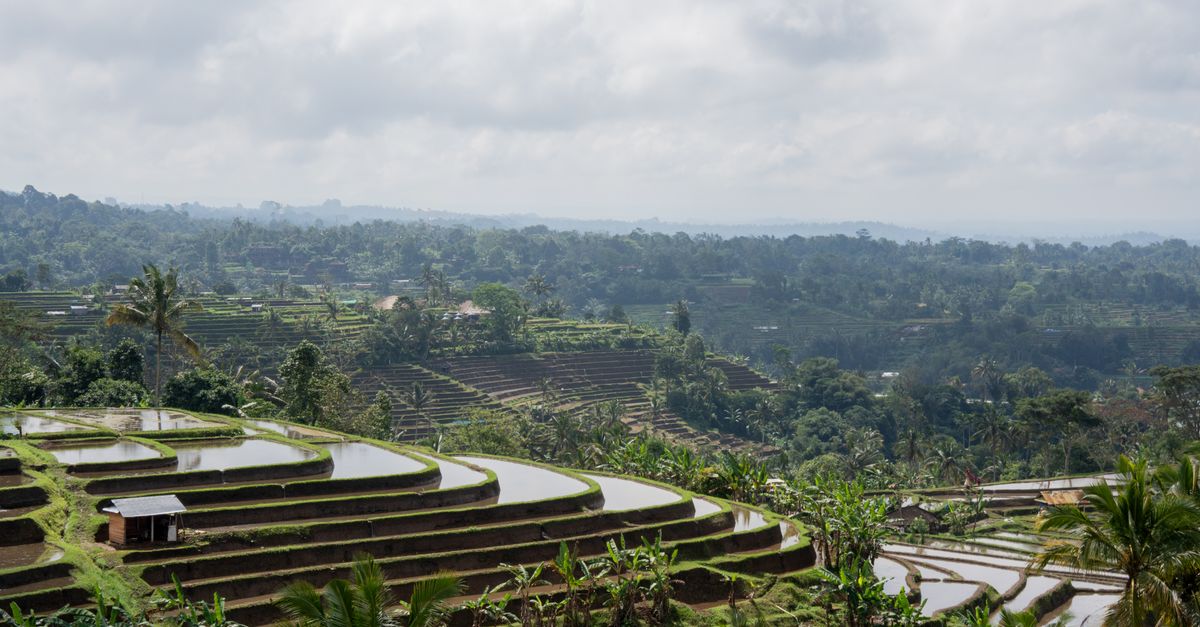
The first time I drove up to Munduk I had the windows down by Bedugul and was reaching for a jumper twenty minutes later. That’s the thing nobody tells you in the south, there’s a whole other Bali sitting a couple of hours north, cool enough that the cafés serve actual hot chocolate and the mornings come in under a layer of mist. This North Bali travel guide is the one I wish someone had handed me before I kept booking the same Canggu studio over and over. Up here the air smells of cloves and woodsmoke, the rice terraces fold down into ravines, and you can hear birds instead of scooters.
Lovina and Munduk are the two anchors. Lovina is the laid-back black-sand coast where the dolphin boats go out at dawn; Munduk is the highland village above it, all waterfalls and coffee plantations and lakes you can actually swim in. For 2026 I genuinely think this corner is where Bali’s quieter long-stay crowd is heading. It’s cheaper, it’s greener, and the crowds thin out to almost nothing by mid-afternoon. Below I’ve laid out how to get here, what each spot actually costs in rupiah, and where I’d base myself, with the honest downsides too.
Why North Bali wins for a calmer, cooler base
Let me start with the trade-off, because there always is one. North Bali is not where you go for a beach club or a wild night out, if that’s your week, stay south. What you get instead is altitude. Munduk sits up around 800 metres, which means genuinely cool evenings, the kind where you want a long-sleeve top and a coffee rather than another iced coconut. The highland vibe is the whole point: slower, greener, and far less polished than Seminyak.
The catch is the drive time from the south. Plan on roughly 2 to 3 hours from Canggu or Seminyak up to Munduk depending on traffic, and a touch more to Lovina on the coast. The roads are good but winding once you pass Bedugul, and Indonesia’s urban speed limit of 50 km/h plus the odd lorry means you won’t be rushing. I’d never try it as a day trip, you’d spend more time in the car than out of it. Hire a driver for the journey up; a private car with driver runs in a sensible day-rate band and saves you white-knuckling the switchbacks yourself. Book a private car and driver for the haul north and just watch the scenery change. Once you’re up here, the magic is that everything worth seeing sits within forty minutes of everything else.
Lovina dolphin tours: worth it, with caveats
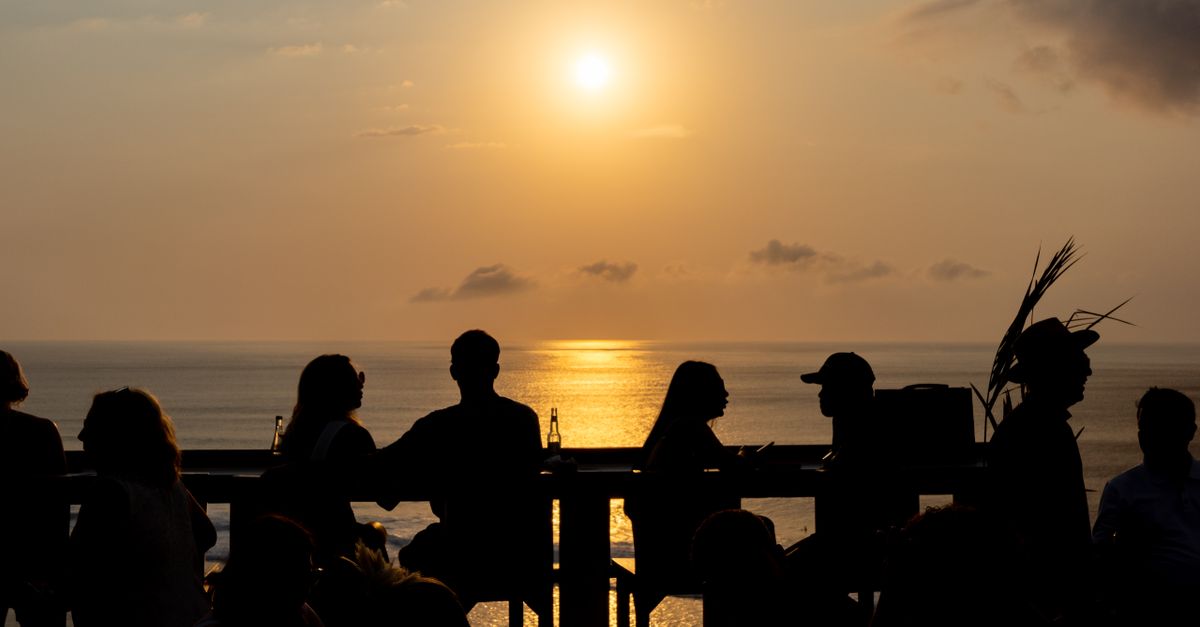
Lovina’s calling card is the sunrise dolphin tour, and I’ll be honest with you about it. The boats leave the black-sand beach before dawn, 6am for the classic sunrise run, or a quieter later departure if you’d rather not set an alarm in the dark. You’re out for about two to two and a half hours, and on a good morning you’ll see pods of spinner dolphins arcing through the swell with the volcanoes pink behind you.
Pricing is refreshingly low: a shared boat is roughly IDR 100,000 per person, and a private boat sits around IDR 350,000 to 400,000 for the whole jukung, so a couple or a family can have one to themselves cheaply. My caveat, and it’s a real one, is that the boats sometimes chase the pods too hard, all revving engines and crowding. Choose an operator who keeps their distance and cuts the motor. If you’d like it sorted with a calmer, snorkel-included option, this Lovina dolphin watching and snorkelling trip pairs the morning out with a reef stop. Manage your expectations on the dolphins themselves, they’re wild, so some mornings are quiet, but the sunrise alone is worth the early start. Lovina beach itself is mellow rather than stunning: dark sand, warm water, a few warungs. It’s a base, not a postcard.
The Munduk waterfall trek: Red Coral to Melanting
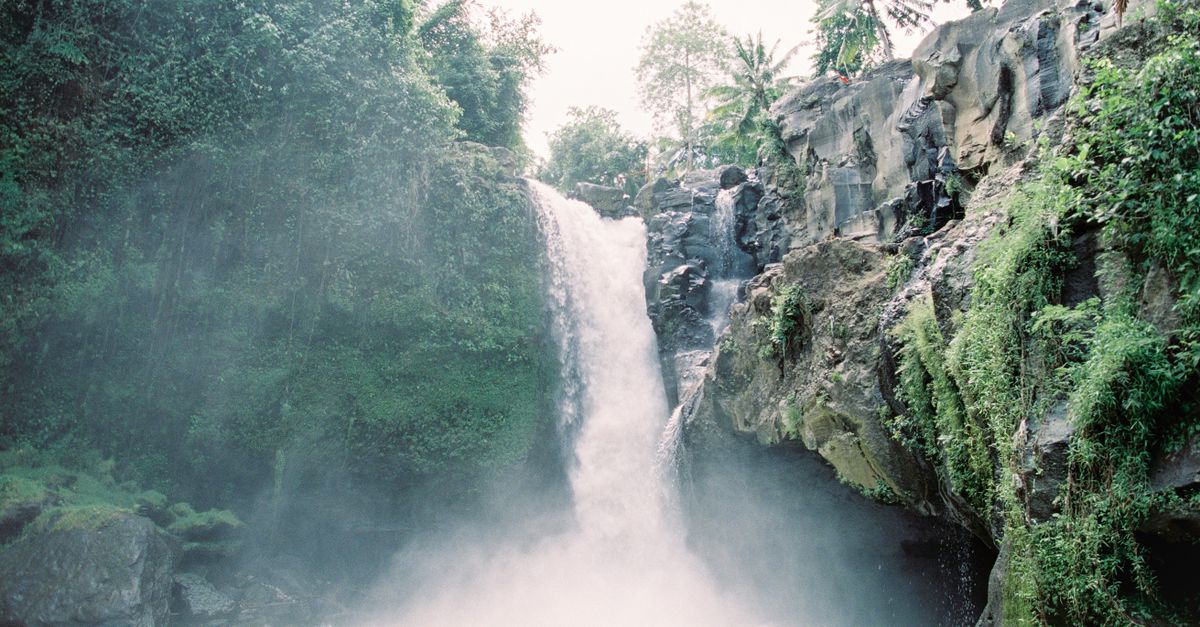
This is the section I get most excited about. The Munduk waterfall trek strings together several falls along one wooded valley, and it’s the best half-day walk in North Bali. Most people do it point-to-point over about five to six hours, which is why a driver who can drop you at one end and collect you at the other earns their keep.
Red Coral waterfall, confusingly also signposted as Munduk waterfall, is the easy one, about a ten-minute walk down from the parking, and entry is around IDR 45,000. From there the path drops to Melanting waterfall, the big powerful one that fills the whole gorge with spray. Fair warning: it’s roughly 500 steep stone steps down to Melanting, which means 500 back up, so save your legs. Entry there is around IDR 20,000, as is Labuan Kebo further along. Bring cash for each gate, only Red Coral reliably took a card when I last went. Wear proper shoes, not flip-flops; the steps get slick under the mist. Go early, before the tour vans arrive around mid-morning, and you might have the roar of the water entirely to yourself. It’s the kind of morning that resets you.
Banyumala, Gitgit and the rest of North Bali’s waterfalls
Beyond Munduk, North Bali waterfalls keep coming, and two are worth planning around. Banyumala Twin Waterfall is my favourite in all of Bali, two ribbons of water dropping into a clear green pool you can actually swim in, ringed by ferns. Entry is IDR 50,000 per person, cash only, with a small parking charge on top. The walk down is short but steep; the swim at the bottom is the reward. Get there for opening to beat the photo crowds.
Gitgit Waterfall is the other classic, closer to Lovina than to Munduk, about 45 minutes from the coast, with entry around IDR 20,000 (foreigners are sometimes charged a bit more, so check at the counter) and gates open roughly 7am to 5pm. It’s a tall single drop reached by an easy paved path lined with stalls, so it’s busier and more commercial than Banyumala, but it’s an easy add-on if you’re driving between the highlands and the sea. One honest note for both: skip anyone at the car park insisting you need a paid guide, you don’t, and the official ticket counter is the only fee you owe. Pay there, keep your stub, and walk in yourself.
Wanagiri, Handara Gate and the Twin Lakes views
The stretch between Munduk and Bedugul is where North Bali does its famous viewpoints, and it’s worth a slow morning. Wanagiri Hidden Hills is the cluster of photo platforms, swings, bamboo nests, a giant bird’s nest, perched above the Twin Lakes. It’s gloriously staged and entirely for the camera, so go in knowing that. Fees are operator-specific and a bit of a free-for-all: budget roughly IDR 50,000 to 100,000 to enter, with extra per-prop charges, cash only, and it’s open roughly 7am to 5pm. Earlier is better, both for light and for the queue.
Just down the road, Handara Gate is the iconic split stone gateway you’ve seen a hundred times online. The reality check: there’s nothing behind it, it’s literally the entrance to a golf resort, and you pay around IDR 30,000 to 50,000 purely for the photo. Worth it for five minutes if you’re passing, not a destination in itself. The real prize up here is the Twin Lakes, Buyan and Tamblingan, sitting calm and grey-green in the caldera. Pull over at the roadside viewpoint, breathe the cool air, and you’ll understand why people fall for this part of the island. Handara is about 1.5 hours from Canggu, so it also makes a logical first stop on the drive up.
Where to stay, and who North Bali actually suits
So where do you put yourself? For a first trip I’d split it: two or three nights in Munduk village for the waterfalls, coffee and cool, then a couple on the Lovina coast for the dolphins and warm sea. Munduk has gorgeous valley-view guesthouses at a fraction of south Bali prices; Lovina has cheap, friendly homestays right by the black sand. Staying up here is properly Bali off the beaten path, fewer cafés, earlier nights, the odd power flicker in heavy rain.
Who’s it for? Honestly, not everyone. If you need beach clubs, nightlife and a co-working scene, you’ll be bored within a day. But if you’re after cooler weather, real quiet, jungle on your doorstep and a daily budget that goes twice as far, North Bali is the easy win for 2026. Come in the dry season, roughly April to October, the highland rain from November to March is no joke. That’s my honest pitch for basing up north this year. But I’m always refining the route, the best warungs, the quietest viewpoints, so if you’ve found a Munduk guesthouse or a Lovina captain you loved, reply and tell me. My list is never finished.
Before you go - I wrote this in 2026 and double-checked every price, fee, opening time and rule I could, but Bali changes fast. Treat the figures here as a guide and confirm the latest details before you book or travel.
Some of the links in this article are affiliate links: if you book through them I may earn a small commission at no extra cost to you. I only ever recommend things I would happily send a friend to.