Navigating Cultural Differences: Etiquette Tips for Nomads in Bali
A practical guide to Bali's cultural etiquette for nomads: temple dress codes, canang sari offerings, body-language rules, and what the 2026 crackdown means for you.
I’ll never forget my first Nyepi in Bali. I’d been on the island about three weeks (still figuring out which warung did the best nasi campur, still getting lost in Ubud’s one-way system) when the whole island just… stopped. No lights. No motorbikes. No music from the bar down the road. I sat on my balcony in the dark, listening to absolutely nothing, and thought: I don’t actually understand this place at all.
That feeling, the gap between loving Bali and truly understanding Bali, is something every nomad hits sooner or later. And right now, in 2026, getting it wrong has real consequences. Bali’s authorities detained 62 foreign nationals in a single immigration crackdown in May this year. Influencers have been deported for working on tourist visas. Governor Koster’s regulations have made it possible to be fined or banned for behaviour that would barely raise an eyebrow back home. Bali cultural etiquette isn’t just about being polite any more. It’s about being allowed to stay.
So here’s what I wish someone had told me before I got here. No lectures, no finger-wagging. Just the stuff that actually matters.
Why Bali Cultural Etiquette Matters More Than Ever
The 2026 Crackdown: What’s Actually Happening
Let’s be honest: Bali has been patient. For years, the island absorbed wave after wave of tourists and digital nomads who treated it like a cheap playground: riding motorbikes in bikinis, climbing sacred trees for photos, filming content at temples without permission. That patience has run out.
In May 2026 alone, Indonesian immigration authorities detained 62 foreign nationals in Bali for visa violations, with a particular focus on digital nomads and influencers working on tourist visas. The crackdown isn’t random. It’s targeted, organised, and ongoing. Authorities are actively monitoring social media posts (yes, your Instagram grid) to identify foreigners who appear to be earning income without the proper visa.
From Fines to Lifetime Bans: The Real Consequences
Governor Koster’s regulations, introduced in 2025, laid the groundwork. Swearing in public, disrespecting sacred sites, and what’s broadly described as “naughty behaviour” can now result in fines, deportation, or lifetime bans from the island. A Matador Network report confirmed that Instagram posts alone have been enough to get people banned from Bali for life. These aren’t empty threats. The Bali Provincial Government has a dedicated task force enforcing them.
The message is clear: respect the culture or leave. And honestly? Fair enough.
Temple Etiquette: The Basics of Bali Cultural Etiquette Every Nomad Should Know
Dress Code: Sarong, Sash, and Covered Shoulders
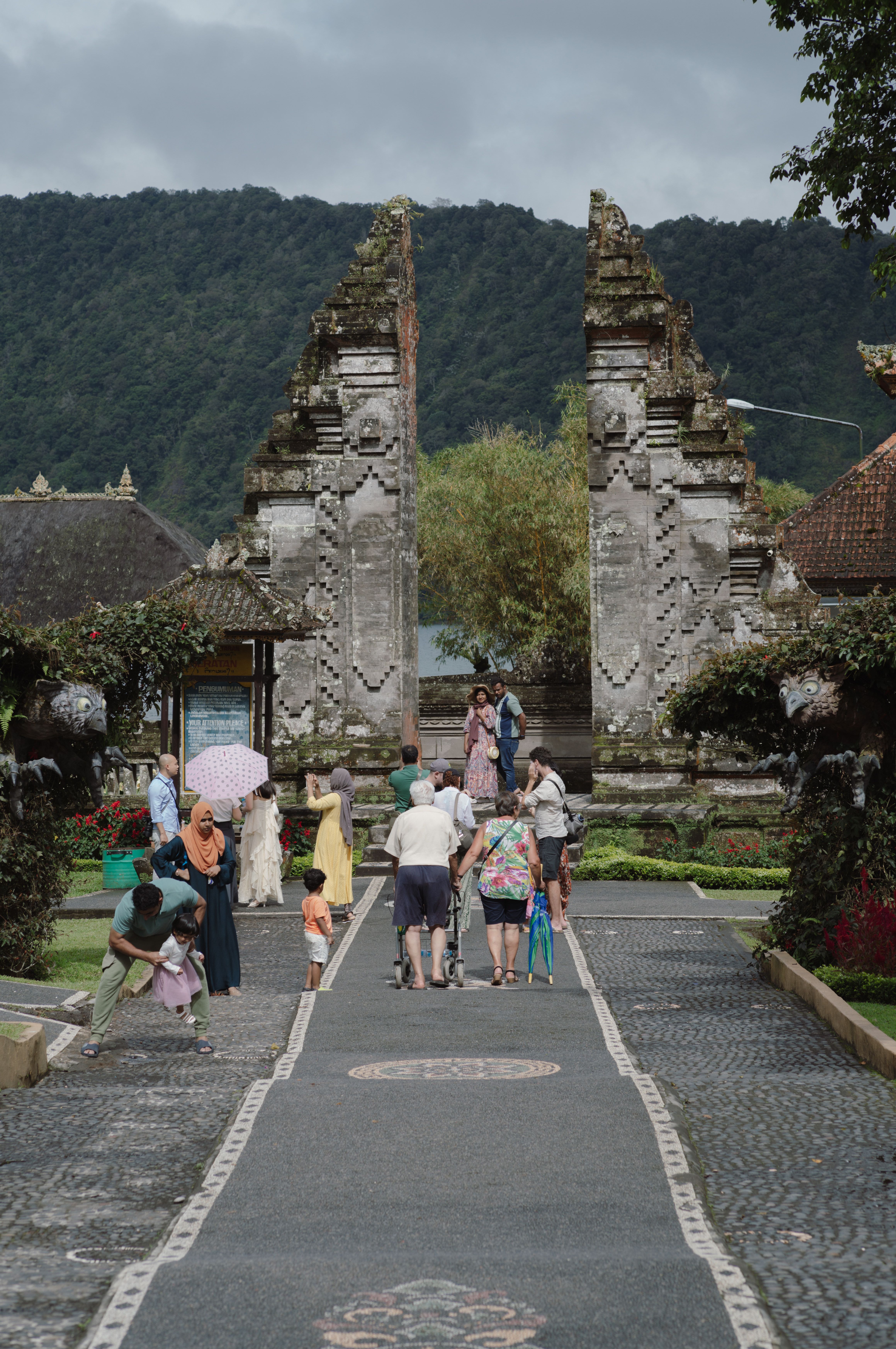
Bali’s temples are not tourist attractions. They’re active places of worship: living, breathing centres of Balinese Hindu spiritual life. When you visit one, you’re entering someone’s sacred space.
The dress code is non-negotiable: a sarong (or kamen) wrapped around your waist, covering your knees, and a sash (selendang) tied at the waist. Shoulders should be covered. Most major temples like Tirta Empul, Besakih, and Lempuyang will have sarongs available to borrow or rent for around IDR 10,000–20,000 (roughly 50p to £1), but I’d recommend buying your own from a local market, or picking up a lightweight sarong before you fly. It’s a small investment that shows you’ve thought about it, and you’ll use it constantly.
Behaviour Inside Temple Grounds
Beyond dress, there are rules that many visitors don’t know about. Women who are menstruating are traditionally asked not to enter temples. This is a deeply held spiritual belief about ritual purity, not a rule you should try to argue with. Don’t sit higher than a priest or a shrine. Don’t point your feet at offerings or sacred objects. And please, I cannot stress this enough, don’t climb on statues or structures for photos. I’ve seen it happen, and the discomfort on Balinese faces is painful to watch.
If a ceremony is taking place, you may still be welcome to observe quietly from a distance, but always ask first. A smile and a respectful “boleh?” (may I?) goes a long way.
Canang Sari: The Offerings You’ll See Everywhere (and Must Never Step On)
What They Are and Why They Matter
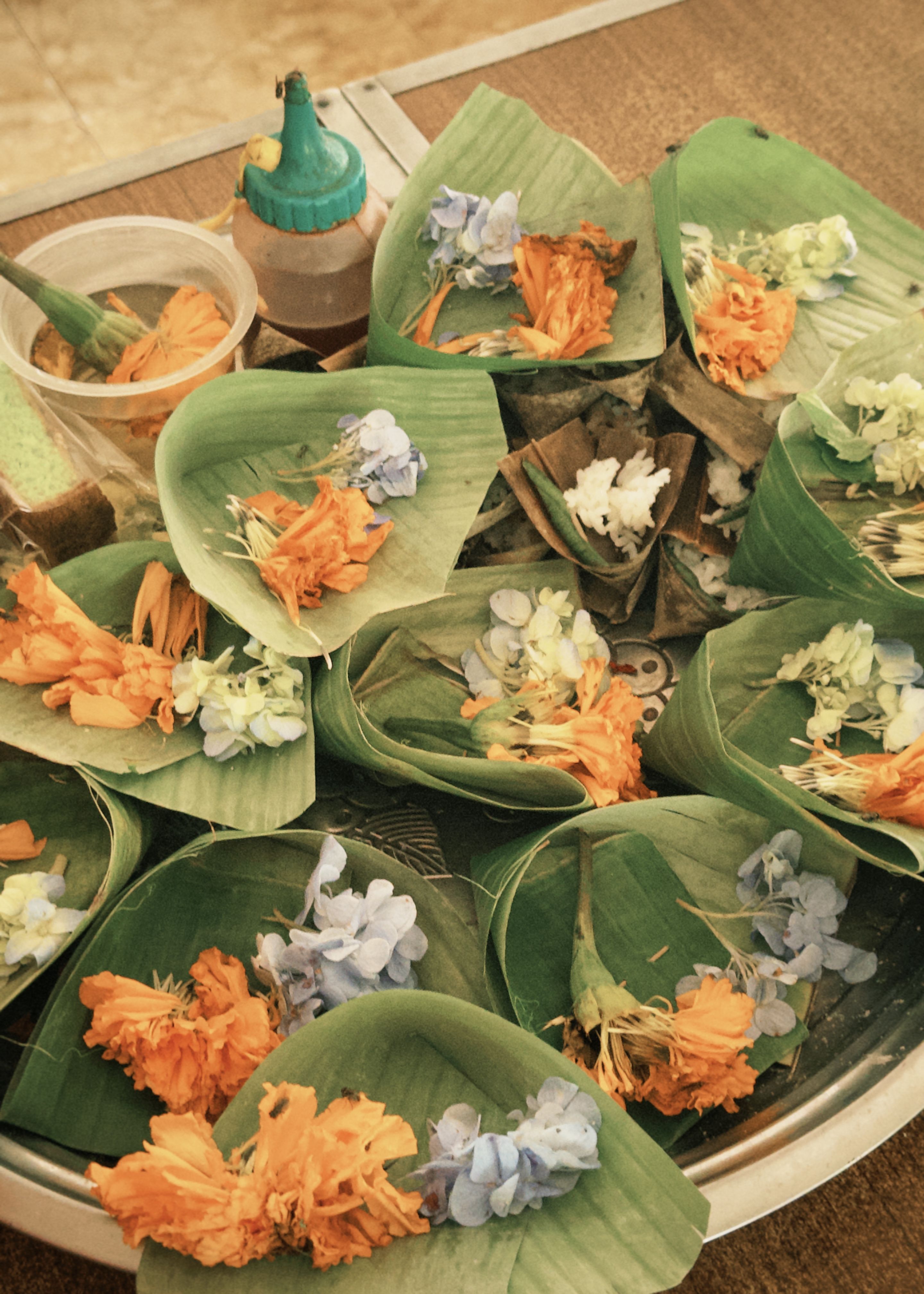
Within your first hour in Bali, you’ll see them: small woven trays made from palm leaves, filled with flowers, rice, incense, and sometimes sweets or cigarettes. These are canang sari: daily offerings that Balinese Hindus place every single morning as an expression of gratitude to Sang Hyang Widhi Wasa (the Supreme God). They’re placed on the ground, on doorsteps, at shopfronts, on motorbike dashboards, on temple altars. They’re absolutely everywhere.
Each element has meaning. The flowers are arranged by colour to represent the cardinal directions and their associated deities. The incense carries the prayer upward. The entire offering is an act of devotion, a daily “thank you” that’s as natural to Balinese life as a morning cup of tea is to mine.
What to Do When They’re in Your Path
Here’s where it gets practical. Canang sari are often placed directly on pavements, in doorways, and on steps. When you’re walking through Ubud or Seminyak, you will encounter them underfoot. Do not step on them. Walk around them. If the pavement is narrow, step into the road briefly. It’s a tiny inconvenience that shows enormous respect.
I’ve watched tourists kick them aside or walk straight through them without a glance. The Balinese rarely say anything (they’re extraordinarily gracious), but the offence is real. Think of it this way: would you walk across someone’s prayer mat in a mosque? Same energy.
Body Language and Social Customs That Catch Foreigners Out
The Left Hand Rule
This one trips up nearly every Westerner. In Balinese (and broader Indonesian) culture, the left hand is considered unclean. It’s traditionally associated with personal hygiene. You should never use your left hand to give or receive anything: money, food, a business card, a drink. Use your right hand, or both hands together for something more formal.
I still catch myself reaching with the wrong hand at warungs sometimes (years of habit don’t vanish overnight), but the effort is noticed and appreciated. When paying at a shop or accepting change, right hand. When handing something to a Balinese person, right hand. It becomes second nature eventually.
Heads, Feet, and Pointing
The head is considered the most sacred part of the body in Balinese culture. Never touch someone’s head: not a child’s, not a friend’s, not anyone’s. It doesn’t matter how cute the toddler is or how natural the gesture feels. Just don’t.
Conversely, the feet are considered the lowest and least clean part of the body. Pointing your feet at someone, at a shrine, or at offerings is disrespectful. If you’re sitting cross-legged on the floor (common at ceremonies or in some restaurants), tuck your feet beneath you rather than extending them outward.
And while we’re on the subject of pointing, don’t point at people or sacred objects with your index finger. Use your thumb (with fingers curled) or an open palm to gesture in a direction. It’s a small thing, but it’s noticed.
Ceremonies, Holy Days, and How to Be a Good Guest
Nyepi, the Day of Silence
Nyepi is the Balinese New Year, and it’s unlike any public holiday you’ve experienced. On this day (19 March in 2026), the entire island shuts down. No one leaves their home. No lights are turned on. The airport closes. No cars, no motorbikes, no shops, no restaurants. Even the internet goes quiet (mobile data is typically switched off island-wide).
As a foreigner, you’re expected to stay in your accommodation for the full 24 hours. The pecalang, traditional village security guards who wear distinctive black-and-white checked sarongs, patrol the streets to ensure compliance. It’s not optional. Pack snacks, download films the night before, and embrace it. Honestly, after a few months of Bali’s beautiful chaos, a forced day of stillness is a gift.
Galungan, Kuningan, and Everyday Ceremonies
Galungan and Kuningan are major Balinese Hindu celebrations that occur every 210 days (Bali follows a unique calendar system). During Galungan, tall bamboo poles called penjor line every road, decorated with offerings, coconut leaves, and woven ornaments. It’s stunning. Ten days later, Kuningan marks the end of the celebration.
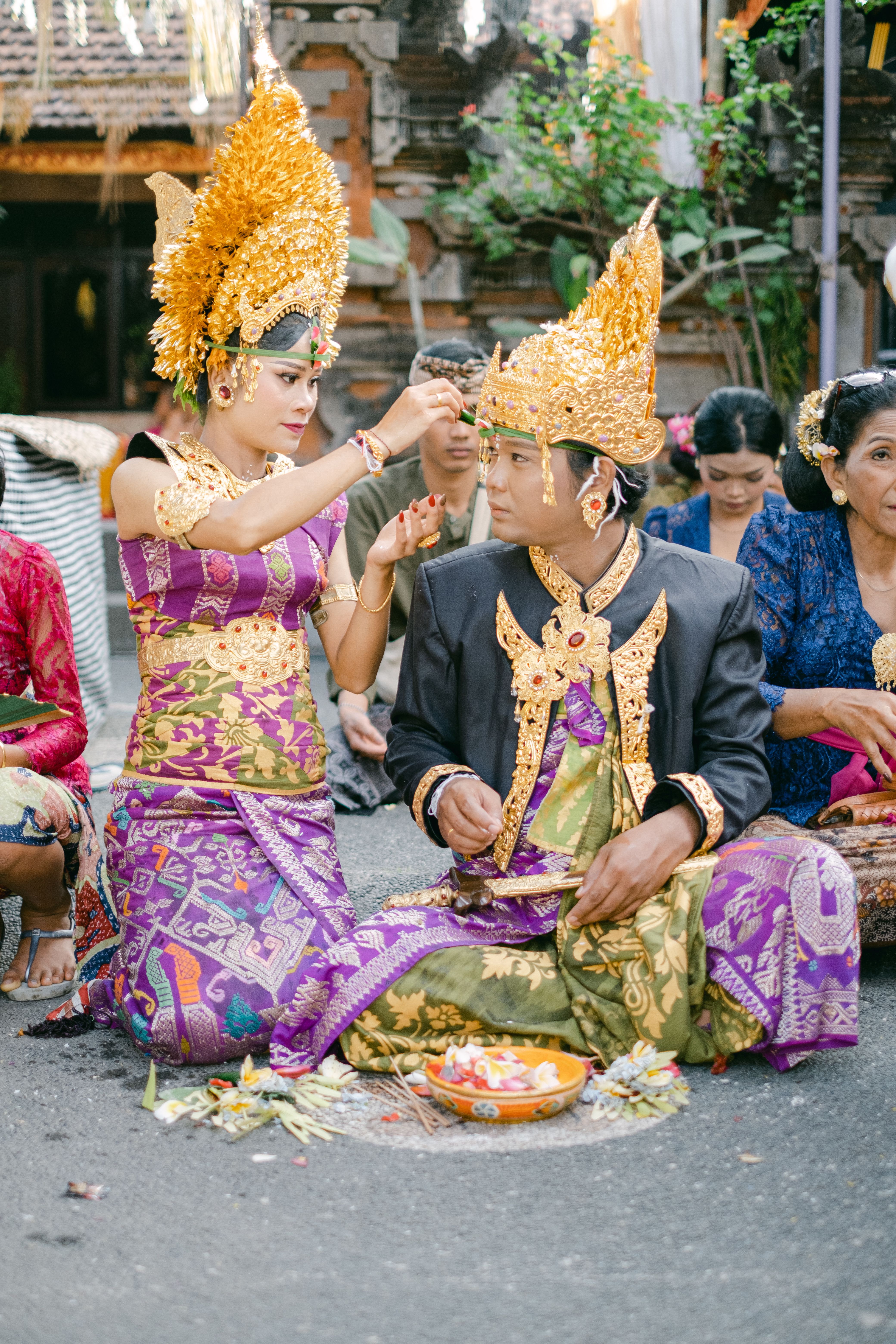
During these periods, and during the countless smaller ceremonies that happen in villages across the island weekly, the best thing you can do is be quietly respectful. Don’t drive through a procession. If a road is blocked by a ceremony, wait or find another route (and honestly, watching a Balinese procession is never a bad way to spend twenty minutes). If a Balinese friend invites you to a ceremony, accept with genuine enthusiasm. It’s a real privilege, and they’ll probably lend you the right clothes.
The Nomad-Specific Pitfalls: Visas, Content Creation, and Working in Cafés
Working on a Tourist Visa
This is the big one, and it’s where the 2026 crackdowns are biting hardest. If you’re working remotely in Bali (answering emails, attending Zoom calls, creating content, freelancing), you need the appropriate visa. A standard tourist visa (C1) does not permit any form of work. Indonesia now offers a Digital Nomad Visa (the E33G visa, also known as the “second home visa” route or remote worker visa), which allows you to work legally while residing in Bali.
Yes, enforcement was lax for years. That era is over. Immigration officers are checking laptops at co-working spaces. They’re reviewing social media accounts. The 62 detentions in May 2026 weren’t people running illegal businesses. Many were simply freelancers and content creators who hadn’t sorted their visa properly. Get the right visa. It costs more, but deportation costs infinitely more.
Filming and Posting Content
If you’re a content creator, Bali’s new regulations apply directly to you. Filming at sacred sites without permission, using drones near temples, and (critically) posting commercial content while on a tourist visa are all grounds for enforcement action. The rules around what constitutes “commercial content” are broad and, frankly, a bit ambiguous, which is all the more reason to get your visa status sorted before you arrive.
A practical tip: if you want to film at a temple or ceremony, ask permission first. Many Balinese are happy for respectful documentation of their culture. But the key word is “ask.” Not assume. Not “shoot first and apologise later.” Ask.
It All Comes Down to Respect
Look, I know lists of “dos and don’ts” can feel a bit schoolteacher-ish. But here’s the thing: Bali cultural etiquette isn’t a set of arbitrary rules designed to catch you out. It’s the living expression of a deeply spiritual, community-oriented culture that has survived colonialism, mass tourism, and a global pandemic with its values remarkably intact. The least we can do, as guests, is meet it halfway.
The Balinese have a phrase: Tri Hita Karana: the three causes of wellbeing. Harmony with God, harmony with other people, harmony with nature. Every custom, every offering, every ceremony circles back to that. When you understand the why, the what becomes easy.
If this resonated with you, or if you’re planning your move to Bali and want to land on the right foot, subscribe to Destined for Bali. I write about the real side of island life: the bits the Instagram grids don’t show. I’d love to have you along.
FAQs
What is the most important cultural etiquette rule in Bali?
Don’t step on canang sari offerings. These small palm-leaf trays are placed on the ground every morning as acts of devotion, and stepping on them is deeply disrespectful. Walk around them, even if it means briefly stepping off the pavement.
Do I need to wear a sarong to visit temples in Bali?
Yes, a sarong and sash are required at every Balinese Hindu temple. Most major temples offer sarongs to borrow or rent for IDR 10,000–20,000, but I’d recommend buying your own at a local market: it’s about 50p to £1 and shows real respect.
Can I visit a Bali temple while menstruating?
Traditionally, no. Women who are menstruating are asked not to enter Balinese Hindu temples. This is a deeply held spiritual belief about ritual purity, and it applies to both Balinese women and visitors. It’s not a rule to argue with, so please respect it.
What happens during Nyepi in Bali?
Nyepi is the Balinese Day of Silence. For 24 hours, no one leaves their home, no lights are switched on, and the airport closes. As a tourist or nomad, you must stay in your accommodation. The pecalang (traditional security) patrol the streets to enforce this. Stock up on snacks the day before.
Why can’t I use my left hand to give or receive things in Bali?
The left hand is considered unclean in Balinese and Indonesian culture, as it’s traditionally associated with personal hygiene. Always use your right hand, or both hands, to give and receive money, food, or objects. It’s a small habit change that makes a big impression.
Can I be deported from Bali for bad behaviour?
Yes. Under Governor Koster’s 2025 regulations, swearing in public, disrespecting sacred sites, and various forms of disorderly conduct can result in fines, deportation, or even lifetime bans from the island. In May 2026, 62 foreign nationals were detained in a single crackdown.
Is it legal to work remotely in Bali on a tourist visa?
No. A standard tourist visa (C1) does not permit any form of work, including freelancing, content creation, or remote employment. Indonesia offers a Digital Nomad Visa (E33G) for remote workers. Immigration enforcement has intensified significantly in 2026.
Can I take photos inside Bali temples?
Generally yes, but with respect and common sense. Don’t use flash, don’t climb on structures for a better angle, and don’t photograph during prayers without asking. Some inner sanctum areas are off-limits to non-Hindus. Always ask if you’re unsure: “boleh foto?” (may I take a photo?) works well.
What should I do if I encounter a ceremony or procession on the road in Bali?
Stop and wait, or find an alternative route. Never drive through a procession or honk impatiently. Balinese ceremonies can block roads for hours, so build flexibility into your schedule. If you’re invited to watch or participate, consider it a genuine honour.
What are the penjor, the tall decorated bamboo poles I see lining Bali’s roads?
The penjor, the tall decorated bamboo poles lining Bali’s roads, are ceremonial poles erected during Galungan, one of Bali’s most important Hindu celebrations. They’re decorated with coconut leaves, offerings, and ornaments, and they symbolise the mountain Agung and the flow of prosperity. They appear every 210 days and are one of the most beautiful sights on the island.