My First Month Living in Bali: What Nobody Tells You
The honest version of moving to Bali: the visa scramble, the budget shock, the week-three Bali belly and the loneliness nobody warns you about, plus exactly what my first month cost.
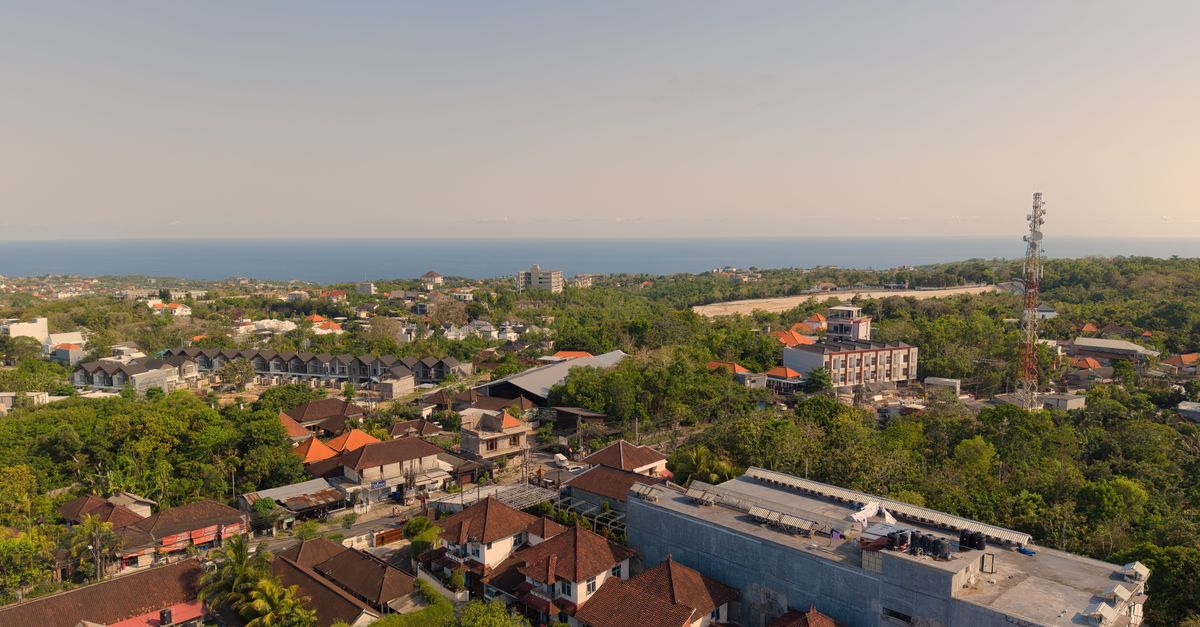
I was sitting on the floor of a villa in Canggu, the one I’d booked sight-unseen from my kitchen in England, watching a gecko the size of my forearm crawl across the ceiling, when it properly hit me. I’d done it. I’d actually moved to Bali. And I had absolutely no idea what I was doing.
My first month living in Bali wasn’t the sun-drenched montage you see on TikTok. It was beautiful, yes, absurdly so, but it was also sweaty, confusing, overwhelming, and punctuated by at least three moments where I genuinely thought, what have I done? I spent half that month on hold with immigration websites, the other half trying to work out why my stomach had declared war on me, and somewhere in between I fell completely in love with the place.
This is the honest version. The version I wish someone had written for me before I packed two suitcases and got on that plane. If you’re thinking about moving to Bali, or you’ve just arrived and you’re wondering whether it’s normal to feel this lost, this one’s for you.
The Visa Scramble: Sorting Your Paperwork Before (and After) You Land
Visa on Arrival vs C1: Which One’s Right for You?
Here’s what I didn’t fully grasp before I left: visas aren’t something you sort once and forget. They become a low-level background hum for your entire time in Indonesia.
Most people land on the Visa on Arrival (VOA), which costs IDR 500,000 (roughly $35 / £28) and gives you 30 days. You can extend it once for another IDR 500,000, giving you 60 days total. Eighty-four nationalities are eligible, including the UK, US, Australia, and most of Europe. There’s an online version (the eVoA), which I’d strongly recommend applying for at least 48 hours before your flight. It lets you skip the immigration counter queue and waltz through the autogates like you know what you’re doing (you don’t, but it’s nice to pretend).
If you’re planning to stay longer than 60 days, you’ll want the C1 visit visa. This gives you an initial 60 days, extendable twice for up to 180 days. Costs range from $100 to $400 depending on whether you apply independently or use a visa agent. Going solo means proving you’ve got $10,000 in your bank account. Going through an agent? They act as your sponsor, and the bank statement requirement disappears. I went the agent route. No regrets.

One thing that’s changed in 2026: Bali now has the Dharma Dewata patrol, a dedicated immigration unit that actively monitors social media and tourist areas for foreigners working on visitor permits. Content creation, sponsored posts, even “barter stays”: all technically prohibited on a VOA. Worth knowing.
The Bali Tourism Levy Nobody Mentions Until You’re in the Queue
On top of your visa fee, there’s a separate tourism levy of IDR 150,000 (about $10 / £8) that every foreign visitor has to pay. It’s a one-off, and you need the QR code receipt to get through. Pay it online before you fly.
Finding a Place to Live When You Don’t Know the Neighbourhoods
Canggu, Ubud, Seminyak, Sanur: Picking Your Base
I booked my first month in Canggu because, honestly, that’s what everyone on the internet told me to do. And it is the obvious choice if you’re a digital nomad or remote worker wanting cafes, coworking spaces, and a ready-made social scene. But nobody mentioned the traffic. Or the dust. Or the construction noise that starts at 7am and doesn’t care about your calls.
Here’s the quick version:
- Canggu/Berawa/Pererenan: buzzy, social, surf culture, coworking everywhere. Noisy, dusty, prices rising fast. One-bed villas from around $700/month.
- Ubud: rice terraces, yoga, quiet deep-work energy. Beautiful but can feel isolated if you need the ocean. One-bed villas $500–$900/month.
- Seminyak: polished, close to the airport, upscale restaurants. Pricier than everywhere else.
- Sanur: calm, beachfront, popular with families. Underrated, honestly.
What “Furnished Villa” Actually Means
A “fully furnished villa with pool” in a Facebook listing could mean anything from a genuinely lovely place with a kitchen, decent wifi, and a plunge pool, to a damp room with a mattress on a concrete platform and a puddle in the garden. I looked at both. Always, always view in person before handing over money. And negotiate. The first price is never the real price.

The Everyday Stuff That Eats Your First Two Weeks
SIM Cards, Scooters, and Getting from A to B
Getting a SIM card should be simple. It mostly is, once you know the tricks. Telkomsel has the best coverage across the island. XL Axiata is cheaper and perfectly fine in Canggu and Seminyak. Buy from an official store or local phone kiosk in town. Tourist SIMs run $7–15 for 10–30GB, compared to $15–30 at the airport. You’ll need your passport to register. If your phone supports it, an eSIM is the zero-faff option: buy it before you land.
Transport is the next hurdle. Bali doesn’t have public transport in any meaningful sense. Your options: rent a scooter (around IDR 600,000–1,000,000/month, roughly $40–65), use Grab or Gojek (Bali’s ride-hailing apps), or hire a private driver for longer trips. I didn’t ride a scooter for the first fortnight because the traffic genuinely terrified me. Grab got me everywhere. No shame in that.
The Bank Account Situation (Spoiler: It’s Complicated)
Here’s something I really wish I’d known: you almost certainly can’t open an Indonesian bank account in your first month. Most banks (BCA, Mandiri, BNI) require a KITAS (temporary stay permit), which you won’t have on a VOA or C1. OCBC NISP technically accepts foreigners without KITAS, but you’ll need a legal agent and a minimum deposit of IDR 50 million (about $3,150).
What actually works: Wise (formerly TransferWise). I used my Wise card for everything: ATM withdrawals, cafe payments, online transfers. The exchange rates are fair, you avoid the double-conversion trap, and it just works. Sort this before you fly.
The Hard Bits Nobody Puts on Instagram
Bali Belly, Mosquitoes, and the Noise
Let’s talk about Bali belly. It’s coming for you. Maybe not in week one (mine waited until week three, lulling me into a false sense of digestive security), but it will find you. Stick to bottled or filtered water (never drink from the tap), be cautious with ice from street vendors, and pack rehydration sachets.
Mosquitoes are relentless, and dengue fever is a real risk, not a theoretical one. Use repellent religiously, especially at dusk. Get health insurance that covers evacuation to Singapore, because Bali’s medical facilities aren’t equipped for serious emergencies.
And the noise. Nobody warns you about the roosters (they start at 4am, they don’t stop), the ceremonial music (beautiful but loud and unpredictable), the construction, the motorbikes. If you’re a light sleeper, invest in decent earplugs before you come.
When the Honeymoon Phase Wears Off
Around week three, I hit a wall. The novelty of coconut bowls and sunset drinks had faded, and what was left felt lonely. The expat community is wonderfully warm but deeply transient. People arrive, you click, you make plans, and then they leave.
Simple things that helped me: joining a regular yoga class (you see the same faces), coworking spaces with community events, and (this sounds daft) a local warung where I ate often enough that the owner started saving “my” table. Routine matters more than you’d think when everything else is unfamiliar.
What I Actually Spent in My First Month
A Realistic Budget Breakdown
I tracked every single rupiah in month one. Here’s the honest picture (all in USD):
| Category | My Spend |
|---|---|
| Accommodation (1-bed villa, Canggu) | $850 |
| Food (mix of warungs and cafes) | $350 |
| Visa (C1 via agent) | $280 |
| Tourism levy | $10 |
| Scooter rental + petrol | $70 |
| SIM card + top-ups | $15 |
| Coworking space | $120 |
| Health insurance | $95 |
| Utilities (electric, water, wifi) | $55 |
| Socialising, wellness, misc | $200 |
| Total | $2,045 |
That’s a comfortable mid-range lifestyle: not luxury, not backpacker. If you ate exclusively at warungs ($1–3 per meal), chose a guesthouse ($250–400/month), and skipped coworking, you could do your first month for well under $1,000. If you want a pool villa in Berawa and brunch every day, budget $3,000+.
The trap? Lifestyle creep. Bali makes it incredibly easy to spend more than you planned. Track your spending from day one.

What I Wish I’d Known Before I Arrived
If I could sit down with myself six weeks ago, probably in that same kitchen in England surrounded by packing lists and browser tabs, here’s what I’d say:
Sort your visa before you fly. Don’t wing it. Apply for the eVoA or get a C1 visit visa agent lined up. The paperwork stress is so much worse when you’re jet-lagged and disoriented.
Book accommodation for two weeks, not a month. Give yourself room to explore neighbourhoods before committing. What looks perfect on Airbnb might sit on the noisiest road in Canggu.
Bring a UK plug adapter and a decent power bank. Power cuts happen. Wifi drops. These are not emergencies, they’re Tuesday.
Download Grab, Gojek, and Wise before you land. You’ll need all three within 24 hours of arriving.
Lower your expectations for the first fortnight and raise them for the first year. The beginning is messy and uncomfortable and disorienting. That’s normal. It’s supposed to be. And then, slowly, quietly, in ways you won’t notice until they’ve already happened, Bali starts to feel like somewhere you belong.
It’s worth every sweaty, confusing, gecko-infested minute of it. I promise.
FAQs
How much does it cost to live in Bali for one month?
A comfortable first month in Bali typically costs $1,200–$2,000, including accommodation, food, transport, visa fees, and insurance. Budget travellers can manage on $800–$1,000 by choosing guesthouses and eating at local warungs. Luxury villa living pushes costs to $3,000–$5,000+.
What visa do I need for my first month in Bali?
Most visitors use the Visa on Arrival (VOA), which costs IDR 500,000 (~$35) and grants 30 days, extendable once for another 30 days. For stays beyond 60 days, apply for a C1 visit visa before travelling, which allows up to 180 days with extensions.
Is Bali belly really that common?
Yes. Most newcomers experience some digestive upset in their first few weeks as their gut adjusts to local bacteria. Stick to bottled or filtered water, avoid tap water and suspect ice, and carry oral rehydration sachets. It typically passes within a few days.
Can I open a bank account in Bali as a foreigner?
Not easily in your first month. Most Indonesian banks require a KITAS (temporary stay permit). The practical workaround is using Wise (formerly TransferWise) or a similar multi-currency fintech for ATM withdrawals, payments, and transfers until you have residency documentation.
What’s the best area to live in Bali for the first month?
Canggu suits digital nomads wanting community and coworking; Ubud is ideal for those seeking quiet and wellness; Sanur works well for families; Seminyak offers upscale convenience. Book for two weeks first, then explore before committing to a longer lease.
Do I need a scooter in Bali?
Not immediately. Grab and Gojek (ride-hailing apps) cover most journeys affordably. Many expats rent scooters after settling in, with monthly rental running IDR 600,000–1,000,000 ($40–65). If you’re not confident riding in chaotic traffic, don’t rush it.
Which SIM card should I get in Bali?
Telkomsel offers the widest coverage, especially outside urban areas. XL Axiata is cheaper and reliable in Canggu and Seminyak. Buy from an in-town shop ($7–15 for 10–30GB) rather than the airport ($15–30). Bring your passport for registration. eSIMs are available for data-only use.
What is the Bali tourism levy?
A one-time fee of IDR 150,000 (~$10) that all foreign visitors must pay. You receive a QR code receipt needed at immigration. Pay online before your flight to avoid delays at the airport.
Is it safe to live in Bali as a foreigner?
Bali is generally safe, but take standard precautions: get comprehensive health insurance (including medical evacuation cover), use mosquito repellent to prevent dengue, secure your belongings, and never drink tap water. Serious medical emergencies may require evacuation to Singapore.
Can I work remotely on a tourist visa in Bali?
Technically, no. Working on a Visa on Arrival is prohibited, and Bali’s Dharma Dewata immigration patrol actively monitors for violations in 2026. This includes content creation, sponsored posts, and remote work. For legal remote work options, research the C1 business category or Indonesia’s digital nomad provisions.