Local Markets in Bali: Where to Find Authentic Crafts and Produce
From the Ubud Art Market to Badung's 24-hour pasar and Canggu's weekend stalls: where to find authentic Balinese crafts and produce, what to pay, and how to bargain.
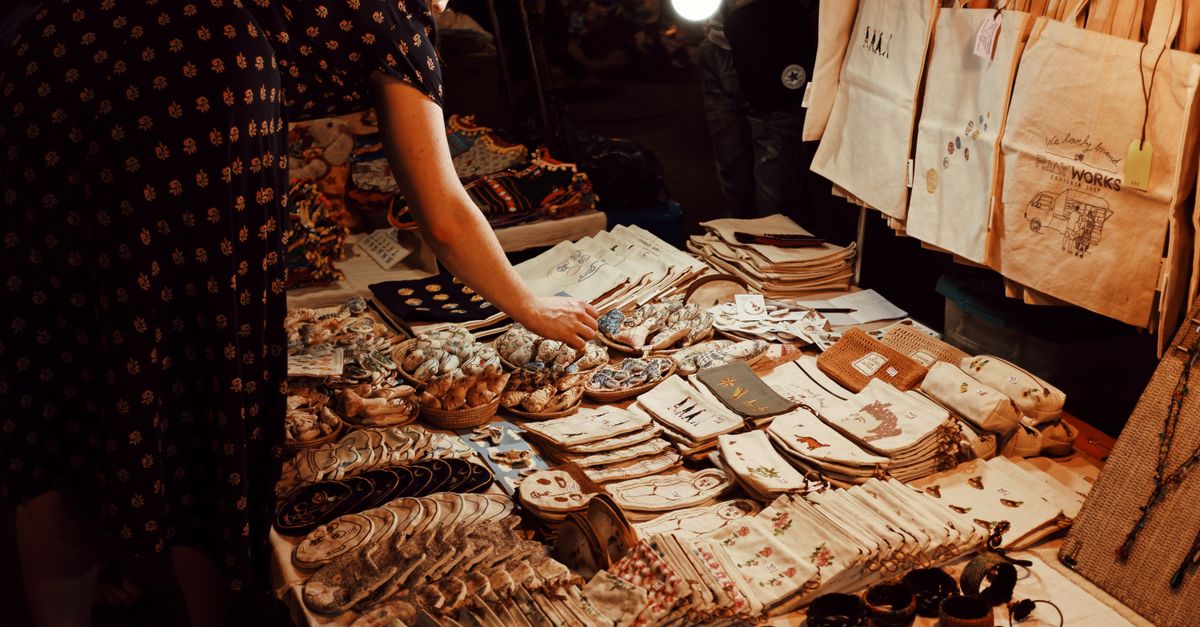
The first time I walked into Badung Market in Denpasar, I genuinely thought I’d made a wrong turn. The ground floor was stacked floor to ceiling with dragon fruit, mangosteen, and rambutans I couldn’t name. Upstairs, a woman was sewing batik by hand while her neighbour sold temple offerings made from palm leaves and marigolds. Nobody spoke English. Nobody was trying to sell me a Bintang singlet. I was the only tourist in the building, and it was brilliant.
Most people who visit Bali local markets never make it past Ubud Art Market, which is lovely, but it’s the polished version. The real Bali lives in the traditional pasar, the chaotic produce halls, and the weekend pop-ups where local designers sell next to grandmothers hawking homemade sambal. If you only shop at the tourist-facing markets, you’ll miss the texture of how Balinese people actually buy, sell, and trade.
This guide covers both: the well-known markets that deserve their reputation, and the ones most visitors never find. Plus the bargaining etiquette that’ll save you money without offending anyone.
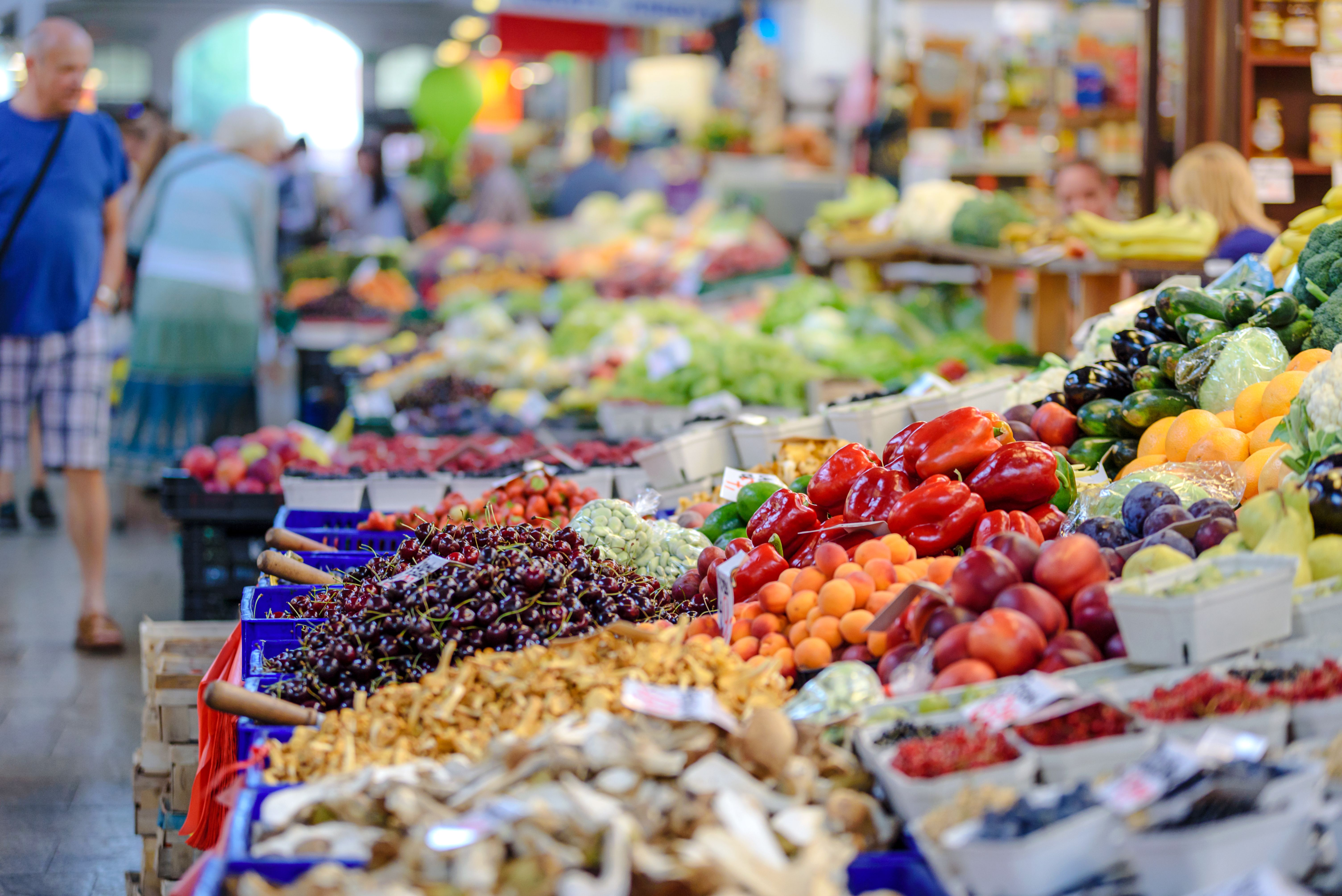
Why Bali’s Local Markets Are Worth Getting Up Early For
There’s a version of Bali shopping that involves air-conditioned boutiques in Seminyak and fixed-price souvenir shops. It’s fine. But it’s not the same as watching a Balinese grandmother weigh out turmeric root at 6 a.m., or finding a hand-carved wooden mask that took someone three weeks to finish, priced at what you’d pay for a supermarket candle back home.
Bali local markets connect you to the island’s actual economy and culture in a way that no boutique can. The traditional pasar (market) is where Balinese families buy their daily offerings (the canang sari you see on every doorstep) and where ceremonies are provisioned with specific flowers, fruits, and fabrics. When you shop there, you’re participating in something that’s been happening on this island for centuries.
There’s a practical case too. Prices at traditional markets are a fraction of what you’ll pay in tourist areas. A kilo of mangosteen that costs IDR 40,000 at a Canggu minimart might be IDR 15,000 at Badung Market. A hand-woven rattan bag that’s $45 in a Seminyak boutique could be IDR 150,000 (around $9) at Sukawati, if you bargain well.
The trade-off? You need to go early, you need cash, and you need to be comfortable with a bit of chaos. Worth it.
The Traditional Markets Every Visitor Should Experience
These are the markets that have been operating for decades, in some cases, generations. They’re not designed for tourists, though some have adapted. That’s what makes them special.
Ubud Art Market: The Classic for Good Reason
Ubud Art Market (Pasar Seni Ubud) sits right in the centre of Ubud, a short walk from the Monkey Forest. It’s open daily from around 9 a.m. to 5 p.m., though the best time to visit is late morning before the tour buses arrive. Entry is free: you’ll only pay for parking (IDR 2,000 for a scooter, IDR 10,000 for a car).
The market specialises in handmade crafts: rattan bags, batik textiles, ikat weavings, silver jewellery, wood carvings, Balinese masks, and paintings by local artists. Quality varies enormously between stalls, so take your time. The hand-woven pieces are genuinely beautiful; the mass-produced items less so.
Bargaining is expected: opening prices are typically inflated by 50% or more for tourists. Start at about 40–50% of the asking price and work from there. Keep it friendly. The vendors are skilled negotiators and most conversations end with both sides smiling.
Badung Market, Bali’s Biggest and Most Chaotic
Badung Market (Pasar Badung) in Denpasar is the real deal: Bali’s largest traditional market, open 24 hours a day. The ground floor is a sensory overload of fresh produce: tropical fruits, vegetables, spices, fresh meat, and flowers for temple offerings. Upper floors sell textiles, batik fabrics, traditional medicines, and daily necessities.
This is not a tourist market. English is limited, the aisles are narrow, and the atmosphere is intense. But a bag of Balinese snacks will cost you less than IDR 50,000, and the street food stalls outside serve some of the best jaje (Balinese cakes) and fresh-squeezed orange juice you’ll find anywhere.
Visit on a weekday morning for the best experience. Bring small notes: IDR 2,000, 5,000, and 10,000 denominations make transactions smoother.
Where the Locals Actually Shop: Sukawati Art Market
Sukawati Art Market sits about 30 minutes east of Ubud in Gianyar regency, and it’s where many Balinese people buy their own handicrafts and ceremony supplies. Prices are noticeably lower than Ubud, since the same rattan bag might cost 30–40% less here simply because fewer tourists make the trip.
You’ll find sarongs, beaded bracelets, wall art, leather bags, handmade kites, and sandalwood products. The market is less polished than Ubud, which is precisely the point. If you want authentic without the markup, this is your market.
Canggu and Seminyak: Weekend Markets With a Modern Twist
If you’re based in the Canggu–Seminyak corridor, you don’t need to travel far. The weekend market scene here has exploded, blending local craft with contemporary design.
Love Anchor and Old Man’s Saturday Market
Love Anchor on Jalan Pantai Batu Bolong in Canggu is open daily from 8 a.m. to 10 p.m., a permanent collection of stalls selling silver and gold jewellery, sarongs, trendy clothing, and souvenirs. It’s more curated than the traditional markets, and prices are higher, but quality is generally better.
Old Man’s Market runs on Saturdays at the end of Jalan Batu Bolong, up to 150 stalls of designer clothing, organic skincare, handmade jewellery, and artisan food when it’s on. The schedule can be irregular (it has historically run monthly rather than weekly, and occasionally pauses), so check their Instagram (@oldmansbali) before making the trip. When it’s running, it draws a mix of locals, expats, and tourists, and the atmosphere is genuinely lovely. Come hungry; the food stalls are excellent.
LYD Sunday Market (La Brisa) and Good Neighbours
LYD Market (formerly La Brisa Sunday Market) at Echo Beach runs every Sunday (10 a.m. to 4 p.m.) and focuses on local, organic, and environmentally friendly goods. The beachfront setting is gorgeous, and the vendors tend to be small Bali-based businesses rather than resellers.
Good Neighbours Market in Kerobokan runs on Saturdays and showcases local designers and gourmet food vendors. Family-friendly, well-organised, and the kind of place where you’ll end up buying handmade ceramics you definitely don’t need but absolutely love.
Hatch Market in Uluwatu operates Saturday (9 a.m. to 4 p.m.) and Sunday (9 a.m. to 6 p.m.) in a shipping container venue: artisan crafts, beachwear, jewellery, and live music. If you’re based in the Bukit, this is your go-to.
How to Bargain Without Being That Tourist
Bargaining at Bali local markets is expected and welcomed, but there’s an art to doing it respectfully. Here’s what I’ve learned after years of getting it wrong and occasionally getting it right.
Start at about 40–50% of the asking price. This isn’t insulting: the vendor expects it. They’ll counter at 70–80%, and you’ll usually meet somewhere around 50–60% of the original ask. Both of you know the dance, and both of you should enjoy it.
Smile. Seriously, this matters. Balinese culture values warmth and harmony. A friendly negotiation where you end up paying slightly more than rock bottom is better (for everyone) than an aggressive haggle that saves you 50p.
Don’t bargain over tiny amounts. If you’re arguing over IDR 5,000 (about 30p), you’ve lost perspective. That’s nothing to you and something to the vendor.
Walk away gracefully if the price isn’t right. Often the vendor will call you back with a lower offer. If they don’t, the price was already fair.
Bring cash, ideally in smaller denominations. Vendors at traditional markets rarely have change for large notes, and card payments aren’t an option.
And here’s the one nobody tells you: the best prices come from being a regular. If you’re in Bali for more than a few weeks, go back to the same vendors. They remember faces, and returning customers get better deals, and better quality.
What to Buy (and What to Skip) at Bali’s Local Markets
The Best Buys
Rattan bags and baskets. Bali is famous for these, and market prices are a fraction of what you’ll pay online or in boutiques. Look for tight, even weaving and a proper lining.
Batik and ikat textiles. Genuine hand-dyed batik is an art form. Ask to see the reverse side: real batik has colour penetration through the fabric, not just surface printing.
Silver jewellery: Bali’s silver-smithing tradition is centred in Celuk village, but markets across the island sell beautiful pieces. Check for the 925 stamp for sterling silver.
Balinese wood carvings, from small decorative pieces to intricate masks. The village of Mas, near Ubud, is the traditional carving centre.
Natural cosmetics and essential oils: coconut oil, lemongrass products, frangipani everything. Often handmade by small local producers.
What to Avoid
Mass-produced “Bali” branded clothing that’s actually made elsewhere. Knock-off designer goods (the quality is poor and they may be confiscated at customs). “Antique” items that were made last Tuesday. And anything a vendor is unusually aggressive about selling: high-pressure tactics at Bali markets are a red flag, not the norm.
Practical Tips for Market Days in Bali
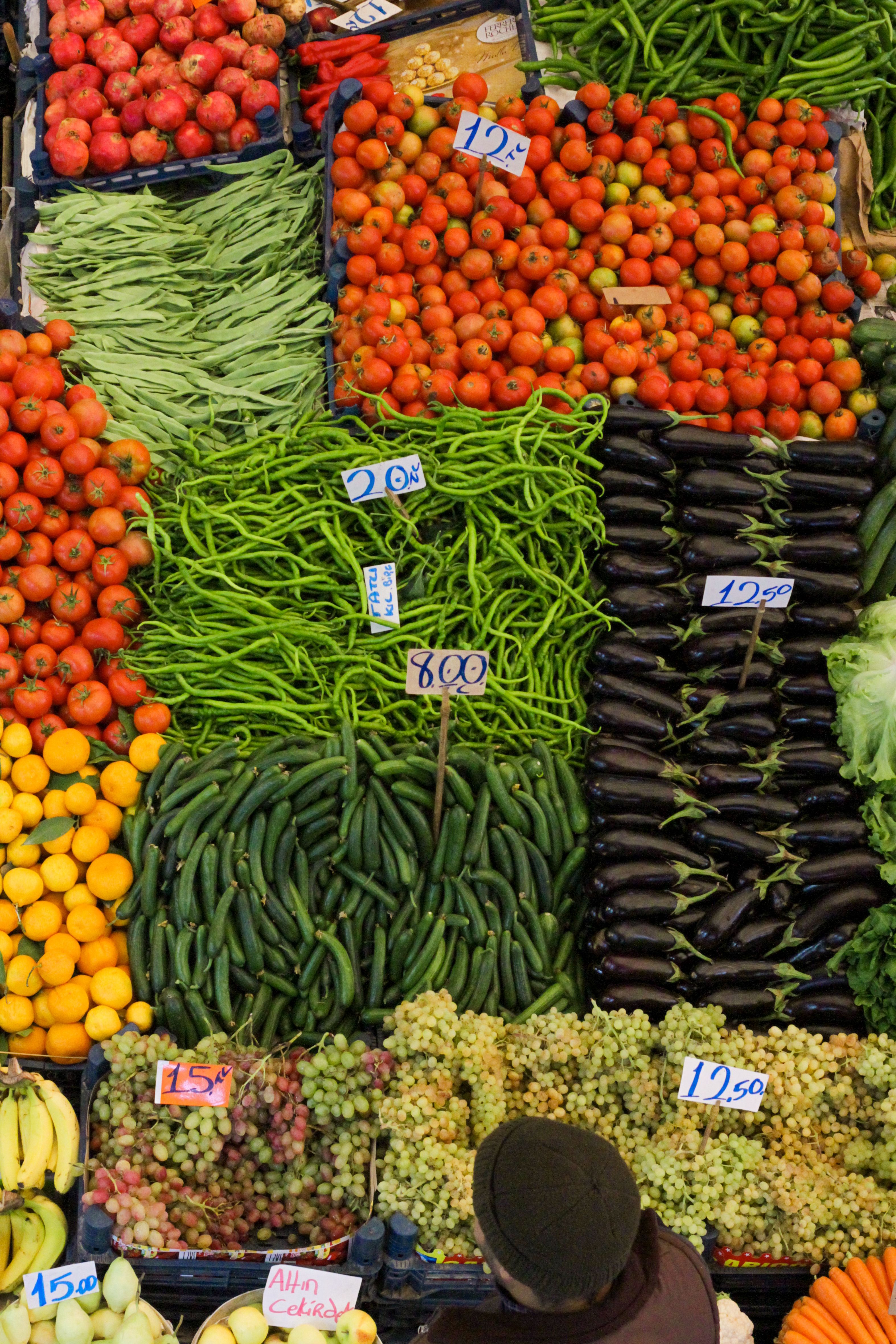
Go early. For traditional markets like Badung, 7–8 a.m. is ideal. For weekend markets, aim for opening time to beat the crowds.
Carry a reusable bag. Plastic bags are banned in Bali, and while some vendors provide alternatives, you’ll be more comfortable with your own.
Wear comfortable shoes. Market floors can be wet, uneven, or both, especially in the fresh produce sections.
Download Google Translate. At traditional markets, basic Bahasa Indonesia goes a long way. Even “berapa harganya?” (how much is this?) opens doors.
Leave your valuables at home. Markets are generally safe, but crowded aisles and distracted shoppers make easy conditions for opportunistic pickpockets. Carry only the cash you plan to spend, ideally in an RFID-blocking passport holder or a slim money belt worn under your clothing.
Bali’s markets are where the island stops performing for tourists and starts being itself. Whether you’re haggling over a hand-woven rattan bag at Sukawati, eating jaje for breakfast at Badung, or browsing organic skincare at La Brisa on a Sunday morning, the markets tell you something about Bali that no beach club or infinity pool ever will.
My best advice? Visit at least one traditional market and one modern weekend market during your time here. The contrast is part of the education. And don’t be afraid to get lost in the aisles: the wrong turn at Badung Market led me to the best mangosteen I’ve ever tasted, and a conversation with a flower seller that I still think about.
If you’ve found a market gem in Bali that I’ve missed, I want to hear about it: reply to this post or tag Destined for Bali on Instagram.
FAQs
What are the best local markets in Bali for tourists?
Ubud Art Market is the most accessible and well-known, with handmade crafts and a central location. Sukawati Art Market offers similar goods at lower prices. For a truly local experience, Badung Market in Denpasar is Bali’s largest traditional market and operates 24 hours a day.
What time do Bali markets open?
Traditional markets like Badung open as early as 4–5 a.m. and run through the evening (or 24 hours in Badung’s case). Ubud Art Market opens around 9 a.m. and closes at 5 p.m. Weekend markets typically run from 9 or 10 a.m. to 4–6 p.m.
Is bargaining expected at Bali markets?
Yes, at traditional and craft markets, bargaining is completely normal and expected. Start at 40–50% of the asking price and negotiate from there. Keep it friendly and smile: aggressive haggling is culturally inappropriate. Fixed-price markets and modern weekend markets generally don’t allow bargaining.
What should I buy at Bali markets?
The best buys are rattan bags, batik textiles, silver jewellery (look for the 925 stamp), wood carvings, natural cosmetics, and temple ceremony flowers. For food, tropical fruits like mangosteen and snake fruit are exceptional and incredibly cheap at traditional markets.
How much cash should I bring to a Bali market?
For a traditional market visit, IDR 200,000–500,000 (roughly $12–30) is plenty for food and small items. For craft shopping at Ubud or Sukawati, bring IDR 500,000–1,000,000 ($30–60) depending on what you want. Always carry small denominations.
Is Sukawati Art Market cheaper than Ubud Art Market?
Yes, generally 30–40% cheaper for comparable items. Sukawati gets fewer tourists, so starting prices are lower and vendors are often more flexible with bargaining. The trade-off is that it’s a 30-minute drive from Ubud and less conveniently located.
Are Bali markets safe for solo travellers?
Very safe. Markets are busy, well-lit, and full of families. The main risk is petty pickpocketing in very crowded areas, so carry cash in a front pocket or secure bag rather than a loose backpack. Traditional markets can feel overwhelming but are not dangerous.
What are the best weekend markets in Canggu?
Old Man’s Market on Saturdays is the biggest when it’s running (up to 150 stalls). Check their Instagram for current dates as the schedule can be irregular. LYD Market (formerly La Brisa Sunday Market) at Echo Beach focuses on organic and eco-friendly goods. Love Anchor is open daily but has a weekend vibe. Good Neighbours in Kerobokan is excellent for local designers and family-friendly browsing.
Can I use a credit card at Bali markets?
At traditional markets, no. Cash only in small denominations. Some stalls at modern weekend markets accept card payments or QRIS (Indonesian QR payment), but don’t rely on it. Always bring cash as your primary payment method.
What’s the difference between traditional Bali markets and weekend markets?
Traditional markets (pasar) sell daily necessities (fresh produce, spices, fabrics, offerings) to local Balinese families. They’re open daily, early morning, and use Indonesian. Weekend markets are curated events aimed at tourists and expats, featuring artisan goods, organic food, and contemporary design, typically with English-speaking vendors and higher prices.