Living in Bali as an Expat: Community, Cost and What It's Really Like
An honest, first-hand look at living in Bali as an expat: real monthly costs in IDR, the E33G visa, where the community actually is, and the bits the highlight reels skip.

The first thing nobody warned me about was the 4am gamelan. A temple two doors down from my first place in Pererenan held a ceremony, and the metallic clatter rolled straight through my bedroom wall while I lay there, jet-lagged and grinning, thinking: right, this is real now. Living in Bali as an expat is full of these small collisions between the postcard and the actual day-to-day. And after years of coming and going, I’ve stopped trying to tidy them up into a neat story.
So this is the honest version. Not the drone-shot reel, not the “I quit my job and found myself” thread. The real community (it’s better than you think, and lonelier than you think, depending on the week), the real costs in rupiah, the visa maze, and the bits that quietly grind you down: bureaucracy, hospital bills, traffic, three weeks of rain that won’t stop. The magic is real. But it sits right next to the admin, and pretending otherwise does nobody any favours.
If you’re reading this because you’re seriously weighing up a move rather than just daydreaming, good. That’s exactly who I’m writing for. Pour a coffee. Let’s go through what it’s actually like.
Where the Bali expat community actually is: Canggu, Ubud and Sanur
People talk about “the Bali expat community” as if it’s one thing. It isn’t: it’s three or four distinct worlds, and which one you pick shapes everything.
Canggu expat life is the loud, young, surf-and-cowork version. It’s where the cafés have oat milk and the WiFi to match, where you’ll make ten acquaintances in a week and where, honestly, people churn through so fast it can feel oddly transient. I love it in small doses. Ubud expat community is the quieter, deeper end: yoga teachers, healers, writers, a lot of people who came for a month and stayed three years. The friendships there tend to stick. Then there’s Sanur, gentler and older, more families and retirees, sunrise beach walks instead of sunset sessions.
My honest take? Canggu is brilliant for landing softly and meeting people fast. But the friendships I still have are mostly Ubud ones, formed slowly over shared dinners and the kind of conversations you can’t have at a beach club. Wherever you land, join one real-world thing in your first fortnight: a run club, a co-working space, a temple-offering workshop. The loneliness that catches expats off guard usually comes from treating online communities as a substitute for showing up somewhere with your actual face.
The real cost of living in Bali (in IDR, not fantasy)
Let’s talk money properly, because the “$500 a month in paradise” claim still floats around and it’s nonsense for anyone living a Western lifestyle.
A single person living comfortably (private villa, scooter, eating out most days, a social life) spends around USD 1,800–2,500 a month, which in 2026 lands roughly between IDR 8 million on a frugal end and IDR 36 million if you’re living large (Bali.com, 2026). The biggest line is rent. Renting a villa in Bali with a pool in Canggu or Seminyak now runs about IDR 8–20 million a month, and those rents have climbed 10–15% in two years as demand outpaced supply (Live and Work Indonesia, 2026).
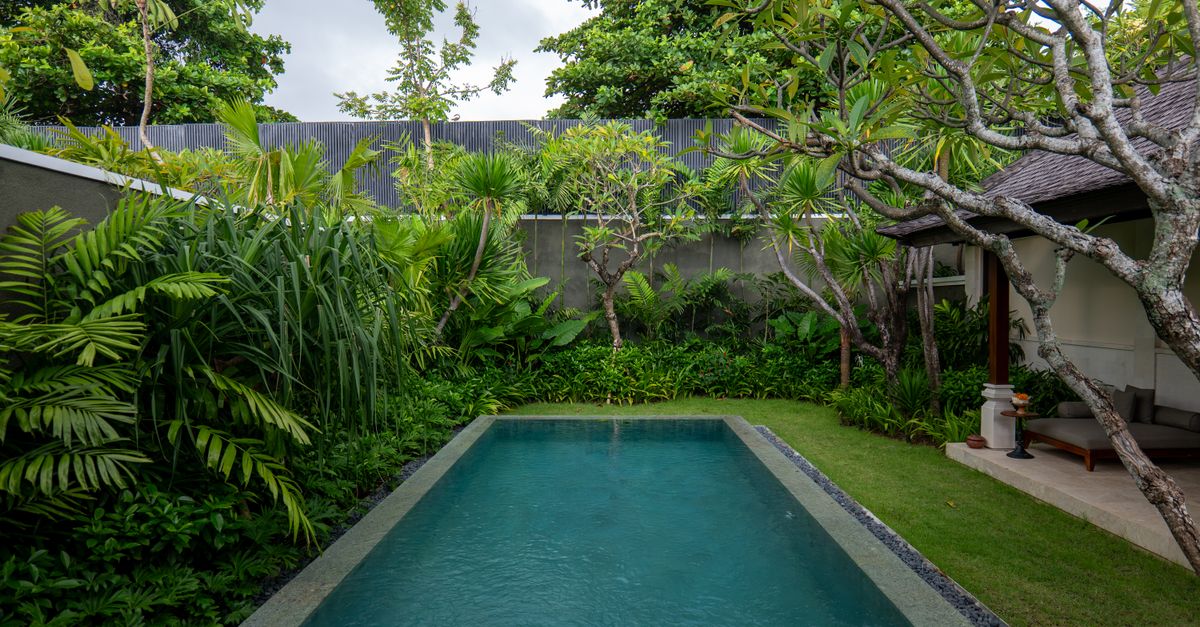
Beyond that, my own rough monthly Bali budget in IDR looks like: groceries IDR 2–3 million, scooter rental IDR 1–1.5 million, a warung-and-café mix of eating out IDR 3–4 million, and then the invisible drains: coffees, spa visits, the inevitable weekend away. A plate of nasi campur at a local warung is still IDR 30–50k. A flat white in a Canggu café is IDR 45k. You can live cheaply here, but most of us don’t, because the nice version is right there and not that expensive.
The visa reality: E33G, KITAS and the 2026 rules
Here’s where the dream meets the spreadsheet. If you want to live here legally and work remotely, the route most people now take is the E33G Remote Worker KITAS.
The catch that surprises everyone: you need to prove an annual income of at least USD 60,000 from a foreign employer or foreign clients, plus around USD 2,000 sitting in your account across the last three months (IndoVisaGuide, 2026; Royal Visa, 2026). Your income and your employer must stay entirely outside Indonesia: you cannot legally work for or invoice Indonesian clients on this visa. It’s valid for up to a year.
On cost: self-processed government fees come to roughly IDR 7 million, about USD 430–530. Use an agent (most people do, and I would) and you’re looking at USD 850–1,600 all in for the Bali visa 2026 package (Knowmads Bali, 2026). My strong advice: use a reputable agent and get tax advice early, because spending 183+ days here has real implications and the rules tightened recently. Don’t try to be clever on a tourist visa long-term; the enforcement has genuinely sharpened.
Healthcare in Bali for expats: the bit you can’t wing
This is the section I wish someone had sat me down for before I had a scooter wobble and needed stitches.
Public healthcare exists, but as an expat you’ll almost certainly use private hospitals: BIMC in Kuta and Nusa Dua, and Siloam are the names everyone trusts, both with English-speaking staff and direct billing arrangements with international insurers (Insurance Indonesia, 2026). The care is genuinely good. The bills, without insurance, are not gentle: an ER visit at BIMC runs IDR 3–10 million (roughly USD 185–620), and anything serious climbs fast (Pacific Prime, 2026).
So the non-negotiable: get proper international health insurance with at least USD 500,000 of cover including emergency evacuation, and check it works with BIMC or Siloam directly. Indonesian medical inflation is forecast at 15.1% in 2026, so this only gets more important (Pacific Prime, 2026). For anything truly major, evacuation to Singapore is the realistic plan, which is exactly why that evac cover matters. Don’t move here uninsured. I’ve watched a friend’s “I’ll sort it later” turn into a five-figure problem.
The hard bits: traffic, rainy season and slow days
Now the parts that don’t make the highlight reel. The traffic in the south is, some days, genuinely awful: the urban speed limit is 50 km/h, but on the Canggu shortcuts you’ll crawl behind a hundred scooters and a truck for half an hour to go three kilometres. Build it into your expectations and you’ll suffer less.
Then there’s the rainy season, roughly November to March, when the sky opens for an hour most afternoons and sometimes for three soggy days straight. Roads flood, plans dissolve, and damp creeps into everything. It’s why a lot of long-termers (me included) find Sanur for expats more appealing in those months: it’s calmer, drier-feeling, and the floods are less dramatic on the east coast.
And the bureaucracy. Everything official takes longer than you’d think, requires more photocopies than seems possible, and runs on “jam karet”: rubber time. Fighting it is exhausting. The expats who thrive are the ones who soften, plan buffers, and learn to laugh.
Working remotely from Bali: making expat life actually sustainable
The fantasy is the laptop on the beach. The reality of working remotely from Bali is a desk, good aircon, and a coworking membership, because nobody types a proposal in direct sun with sand in the keyboard.
Coworking spaces are the backbone of sustainable expat life Bali, and not just for the WiFi (though check upload speeds before you commit to a villa, fibre is widespread now but not universal). They’re where the friendships and the work referrals happen. Time zones are the quiet trap: if your clients are in the UK, you’ll be working evenings, because Bali is seven hours ahead of London in summer. I structure my days around it: mornings for me, late afternoons and evenings for calls.
For getting around when the scooter won’t do (airport runs, rainy days, exploring further out), I lean on a private car and driver, which is affordable and removes the traffic stress entirely. And when the screen-staring gets too much, an afternoon Ubud cooking class is the kind of reset that reminds you why you came. Long-term stay in Bali works when you treat it like a life with a job in it, not a holiday you’re trying to make permanent.
A last, honest word
The truthful summary: living in Bali as an expat is one of the best decisions I’ve made and also genuinely hard work some weeks, and both of those are true at once, which is exactly the point.
If you’re seriously planning this, start with the visa income maths and the insurance, because those are the two things that quietly sink people. Everything else you can figure out once you’re here.
And I’d love to know where you’re at. Are you Canggu-curious or Ubud-bound? Stuck on the E33G threshold, or already booking the flight? Reply and tell me: I answer every one, and honestly, my own list of “things I wish I’d known” is never finished. Yours might teach me something too.
FAQs
How much money do you need to live in Bali as an expat?
A comfortable single-person lifestyle costs around USD 1,800–2,500 a month in 2026. That covers a private villa, a scooter, eating out most days and a social life. You can do it for far less by living simply in IDR terms, or spend several times more in a luxury villa.
What visa do I need to live and work remotely in Bali?
Most remote workers use the E33G Remote Worker KITAS, valid for up to a year. It requires proof of at least USD 60,000 annual income from a foreign employer or foreign clients, plus around USD 2,000 in savings. You cannot legally earn from Indonesian clients on it.
How much does the E33G visa cost?
Government fees come to roughly IDR 7 million (about USD 430–530) if you self-process. Using a reputable agent, which most people do, the all-in cost is typically USD 850–1,600. The higher figures usually reflect onshore processing or more hand-holding.
Is Bali safe for expats?
Generally yes, Bali is considered safe, with low violent crime. The biggest real risks are scooter accidents, petty theft and the occasional rental or visa scam. Drive carefully, wear a helmet, and use trusted agents for anything official.
Where do most expats live in Bali?
Canggu, Ubud and Sanur are the three main hubs. Canggu is young and fast-paced with the strongest coworking scene, Ubud is quieter and more wellness-focused, and Sanur suits families and retirees who want calm. Each attracts a different crowd.
What is healthcare like in Bali for expats? Private hospitals like BIMC and Siloam offer good, English-speaking care with direct billing for insured patients. Costs without insurance are high: an ER visit can run IDR 3–10 million. Always carry international health insurance with evacuation cover of at least USD 500,000.
Can I just live in Bali on a tourist visa? Not legally for the long term, and enforcement has tightened recently. Tourist visas don’t permit work and have strict stay limits. If you’re staying long-term or working remotely, the E33G or another proper KITAS is the right route.
How bad is the traffic in Bali? In the south (Canggu, Seminyak, the airport corridor), it can be genuinely slow at peak times despite a 50 km/h limit. Quieter areas like Ubud’s outskirts and Sanur are much easier. Many expats plan around peak hours or use a private driver.
When is the rainy season in Bali? The rainy season runs roughly November to March, with heavy afternoon downpours and occasional flooding. The dry season, April to October, is sunnier and more popular. East-coast areas like Sanur tend to feel less affected by flooding.
Will I get lonely living in Bali? You can, especially in fast-churning Canggu where people come and go quickly. The fix is showing up in person: coworking spaces, run clubs, classes and slower communities like Ubud’s. The expats who stay happiest invest early in real, face-to-face friendships.
Before you go: I wrote this in 2026 and double-checked every price, fee, opening time and rule I could, but Bali changes fast. Treat the figures here as a guide and confirm the latest details before you book or travel.
Some of the links in this article are affiliate links: if you book through them I may earn a small commission at no extra cost to you. I only ever recommend things I would happily send a friend to.
Related reading
Settling into Bali life? These practical guides cover what expats ask about most: