
Is Canggu Too Crowded in 2026? An Hour to Travel Five Kilometres
A journey that took fifteen minutes now takes over an hour. What has actually happened to Canggu, and where to go instead.
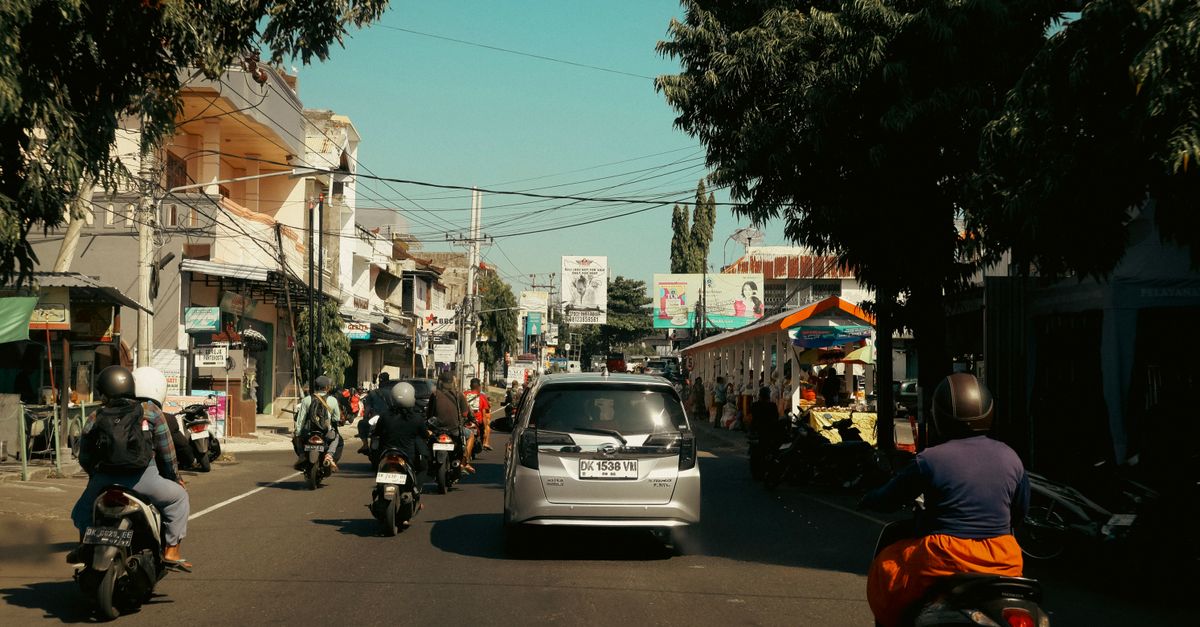
I’ll say it straight: the Canggu I first fell in love with and the Canggu you’ll find today are two different places. The rice paddies are still there, some of them anyway, and the sunsets are as good as ever. But the traffic, the construction, and the sheer density of people in certain pockets have changed the feel of the place in ways I wasn’t prepared for on my last visit.
The question “is Canggu too crowded in 2026?” is one I’ve seen asked hundreds of times in travel groups, Reddit threads, and TikTok comments this year. It’s the number one thing people want to know before they book. And the honest answer isn’t a simple yes or no. It depends on where exactly you go, when you go, and what you’re expecting when you get there.
This is my take on what Canggu is actually like right now, why the traffic problems are worse than the Instagram aesthetic suggests, and where else in Bali you should be looking if you want the vibe Canggu used to have, without the gridlock.
How Crowded Is Canggu in 2026? The Numbers Tell the Story
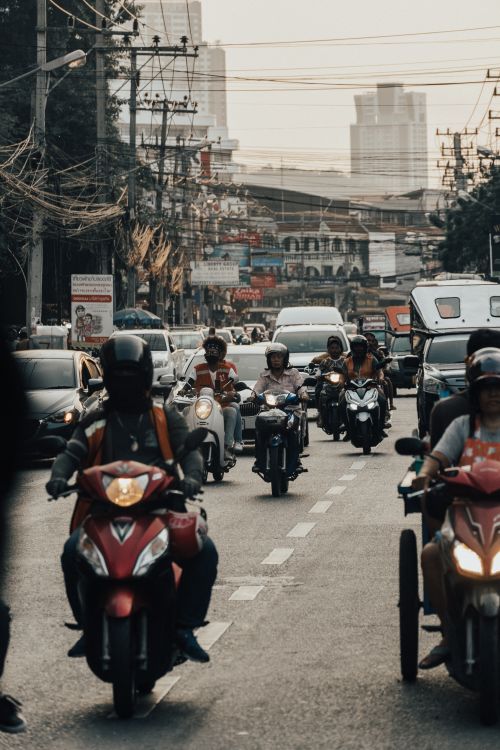
Let me give you the numbers first, because they tell the story better than any TikTok can. Badung Regency, which covers Canggu, Seminyak, Legian, Kuta, Jimbaran, Uluwatu and Nusa Dua, has an official population of 500,000 residents. It now has over 1 million registered motorised vehicles. That’s a 2:1 vehicle-to-resident ratio, and it doesn’t even count the tourists on rental scooters.
Bali as a whole saw nearly 7 million international arrivals in 2025, with over 16 million total visitors. A huge share of that is concentrated in the southern belt running from the airport through Seminyak, Canggu, and up to Ubud. The infrastructure was never built for this. The roads in Canggu are the same width they were when this was a quiet rice-farming village, and they’re now carrying traffic volumes nobody planned for.
Peak-hour speeds in Canggu and Seminyak regularly drop to little more than walking pace. A 5km journey that used to take 10–15 minutes now takes over an hour during rush hour, according to data reported by The Bali Sun in June 2026. And it’s not just the main road: every shortcut, back lane, and “local only” route is jammed too.
AA Ngurah Gde Rahmadi, head of the Badung Transportation Agency, put it bluntly: “The roads in the Canggu area are nearly the same width and are all heavily trafficked.” There’s nowhere left to redirect the flow.
Why the Traffic Has Got So Bad, and Why It’s Not Getting Fixed
This is the part that frustrated me most when I dug into it. The traffic in Canggu isn’t just bad, it’s structurally unfixable, at least in the short term.
The roads can’t be widened. It’s not a budget issue or a planning delay. The reason is cultural and legal: many of Canggu’s roads run alongside or between Hindu places of worship, including family merajans. These are sacred structures, and they’re not moving. Bali’s Deputy Governor, I Nyoman Giri Prasta, said it directly in May 2026: the roads are “in their current state, and it was impossible to widen them due to Hindu places of worship.”
A planned traffic flow engineering scheme, one-way systems and diversions, was trialled in Uluwatu but then cancelled for Canggu in June 2026 because, as the transportation agency acknowledged, every alternative route is already congested. There’s no empty road to absorb the overflow.
The proposed solutions sound ambitious on paper. A water taxi service from Ngurah Rai Airport direct to Canggu’s coast is being discussed. ATCS (Area Traffic Control Systems), smart traffic lights that adapt in real time, have been installed in Kerobokan Kelod and Seminyak, with plans to expand to Canggu and Berawa. Jimbaran and Tohpati underpasses are on the table.
But none of this is operational in Canggu yet. Right now, the reality is gridlock, and if you’re planning your trip around the idea that traffic will be better by the time you arrive, don’t bank on it.
The Quieter Alternatives to Canggu That Are Actually Worth It
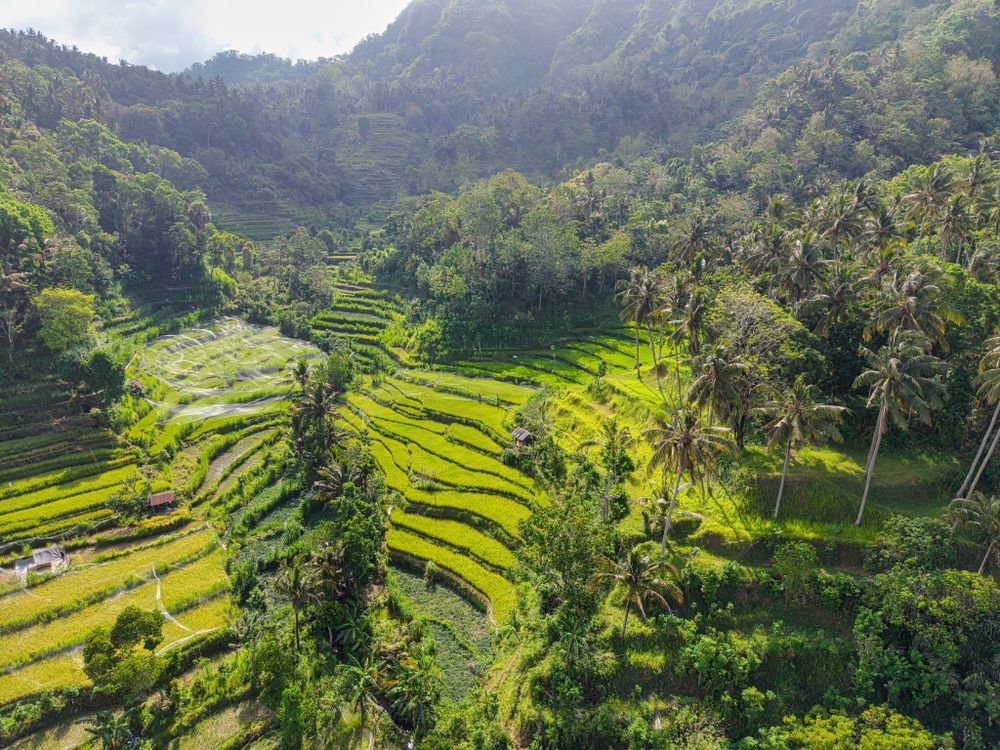
Here’s the thing nobody on Instagram mentions: Bali is over 5,700 square kilometres. Canggu is a tiny fraction of that. The island still has enormous stretches that feel the way Canggu did five or six years ago: quieter, greener, and without the two-hour queue to get to the beach.
Pererenan is the obvious one, and it’s already catching on. It’s next door to Canggu, has a similar surf break and café scene, but rents are 15–25% lower than comparable Canggu villas. You get the lifestyle without the worst of the traffic, though that gap is closing year by year.
Ubud is cooler (both temperature-wise and in cost, since a one-bedroom villa runs IDR 8–14 million a month versus Canggu’s IDR 12–18 million). Central Ubud around the art market gets crowded, but 10–20 minutes out you’re in near-silence, surrounded by rice paddies and warungs where you’re the only foreigner.
Sanur is the one I always recommend to people arriving in Bali for the first time. Calm, walkable, tree-lined streets. Families, retirees, and people who’ve been coming to Bali for decades. Eight minutes from the centre and you can have a stretch of coast practically to yourself.
For something completely different: Amed on the east coast, Munduk and Lovina in the north, and Medewi on the west coast for surf. They get a fraction of the visitor numbers and they have their own character. They’re not “the cheap version of Canggu,” they’re somewhere else entirely.
When to Visit Canggu to Avoid the Worst of It
Timing makes a real difference if you’re set on Canggu. The worst months are July, August, and the Christmas-to-New-Year period, peak season for Australian and European visitors, and the traffic goes from bad to impossible. Ubud at New Year is notorious for gridlock too.
The sweet spots are April to June and September to November. You’ll still get good weather (Bali’s rainy season runs November to March, so aim for the edges rather than the middle), visitor numbers are noticeably lower, and you can actually get a table at the places everyone talks about without booking three days ahead.
Time of day matters just as much. Before 8 AM, Canggu’s streets are calm: the café crowd hasn’t woken up yet, the delivery vans aren’t running, and you can ride from Berawa to Echo Beach without stopping once. By 11 AM, that same ride is a different experience. If you’re the type who can shift your schedule earlier, Canggu in the morning is still lovely. Canggu at 5 PM on a Saturday in August is a different proposition altogether.
One more thing: annual leases on villas save you 10–17% compared to month-to-month, which matters if you’re staying longer term. Booking for the shoulder season and committing to a longer lease is the smartest financial move you can make in Canggu right now.
So Is Canggu Too Crowded to Enjoy in 2026? Honestly?
Parts of it, yes. The main drag, the Canggu Shortcut, the beach road at sunset. These are genuinely unpleasant during peak hours and peak season. The traffic alone would put me off staying in central Canggu for more than a few days.
But is all of Canggu too crowded? No. And is Bali too crowded? Definitely not. The island is big enough that moving 20 minutes in any direction changes everything. The infrastructure problems are real and they’re concentrated in a handful of specific areas that were never designed for the volume of people now using them.
My honest advice: if you’re coming to Bali for the first time and you’ve only heard of Canggu, great: visit for a few days, eat at the good spots, catch a sunset at Batu Bolong. But don’t base your whole trip there. The Bali that made you want to come in the first place, the quiet mornings, the rice fields, the empty stretches of coast, still exists. You just need to look slightly further than Canggu’s main strip to find it.
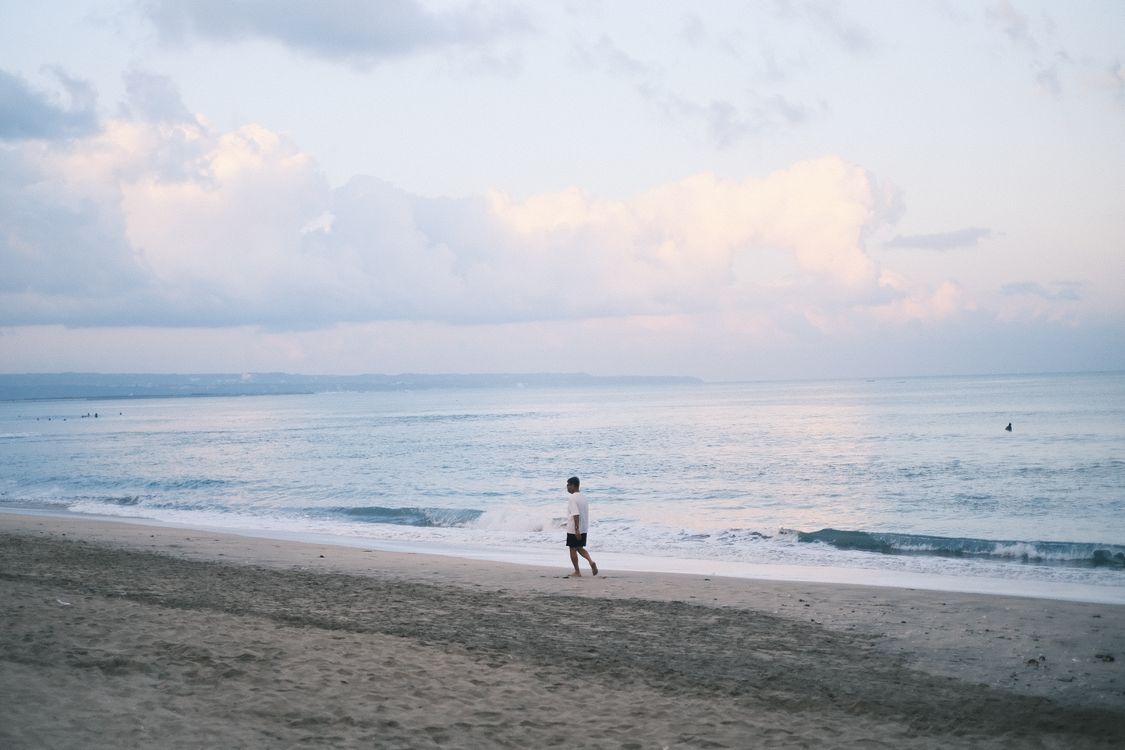
Canggu isn’t ruined. But it has changed, and pretending otherwise helps nobody who’s about to book a month-long stay based on a two-year-old TikTok. Go in with your eyes open, plan around the traffic, and make sure you see more of Bali than just the bit between Berawa and Echo Beach. The island deserves that, and so do you.
If you found this useful, share it with someone who’s about to book their Canggu trip. And subscribe to Destined for Bali for more honest takes on what life in Bali is really like, not the curated version, the real one.
FAQs
Is Canggu too crowded in 2026?
Parts of it, yes, particularly the main strip, the Canggu Shortcut, and the beach road during peak hours. Traffic regularly turns 5km journeys into hour-long crawls. But the wider Canggu area and surrounding villages are still manageable, especially outside peak season.
How bad is the traffic in Canggu right now?
Bad. Badung Regency has over 1 million registered vehicles for a population of 500,000. In Canggu, a journey that used to take 10–15 minutes can now take over an hour at peak times. Every route, including back lanes and shortcuts, is congested.
Can the roads in Canggu be widened?
Not easily. Many roads sit alongside Hindu places of worship (merajans) that cannot be moved. Bali’s Deputy Governor confirmed in May 2026 that road widening in Canggu is not possible for this reason.
What are the quieter alternatives to Canggu in Bali?
Pererenan (next door, 15–25% cheaper rent), Ubud (cooler climate, lower costs, quieter outside the centre), Sanur (calm, walkable, family-friendly), Amed (east coast, very quiet), Munduk and Lovina (north Bali), and Medewi (west coast surf).
When is the best time to visit Canggu to avoid crowds?
April to June and September to November are the sweet spots. July, August, and the Christmas-to-New-Year period bring the worst crowds and traffic. Early mornings before 8 AM are also noticeably calmer.
How much does it cost to rent in Canggu in 2026?
A one-bedroom villa in Canggu runs IDR 12–18 million per month (roughly USD 750–1,100). Annual leases save 10–17% compared to month-to-month. Pererenan is 15–25% cheaper for comparable places, and Ubud starts from IDR 8 million.
Is there a plan to fix Canggu’s traffic?
Several proposals are in progress: a water taxi from the airport, smart traffic lights (ATCS) expanding to Canggu and Berawa, and Jimbaran and Tohpati underpasses. A one-way traffic scheme was planned but cancelled in June 2026 because all alternative routes are already congested.
Is Bali too crowded overall or just Canggu?
Bali covers over 5,700 square kilometres. The crowding is concentrated in the southern tourist belt: Canggu, Seminyak, parts of Ubud and Uluwatu. Northern, eastern, and western Bali remain much quieter, and even 20 minutes outside the main hubs the density drops noticeably.
Is Canggu still worth visiting as a digital nomad in 2026?
The co-working spaces, cafés, and social scene are still strong. But factor in the traffic, rising rents, and noise. Many long-stay digital nomads are moving to Pererenan, Ubud, or Sanur for better value and a quieter working environment, while visiting Canggu socially.
How many tourists visit Bali each year?
Bali received nearly 7 million international arrivals in 2025, with over 16 million total visitors including domestic tourists. Tourism accounts for roughly 65% of Bali’s water consumption and the main landfill receives over 1,000 tons of waste daily, so infrastructure strain is a real issue.


