Bali's Hidden Hot Springs: Natural Healing Spots Off the Beaten Path
My honest guide to Bali's quieter natural hot springs (Angseri, Banjar, Belulang and Penatahan) with real 2026 prices, and which ones to skip if "hidden" is the whole point.
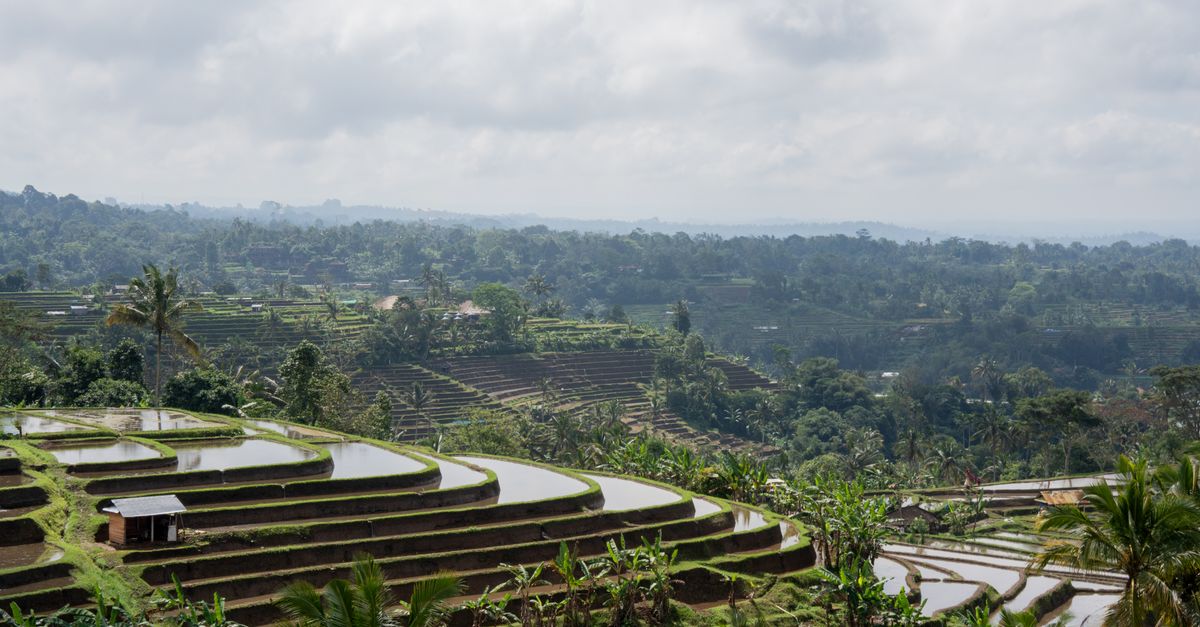
I’ll admit my first Bali hot spring experience was Kintamani, sold to me as a bucket-list volcano soak, and I spent most of it queuing for a locker and elbow-to-elbow with a coach tour that had just arrived off a sunrise trek. It wasn’t bad, exactly. It just wasn’t what I’d pictured when someone said “natural hot spring.” It took a wrong turn near Tabanan a year later, chasing a hot spring sign on a whim, to show me what I’d actually been looking for: a near-empty pool, rice fields on every side, and a village kid teaching me the local word for the water while his grandmother did her washing nearby.
That’s the gap this guide is trying to close. Bali genuinely does have quiet, natural, mineral-rich hot springs. They just aren’t the ones that turn up first when you search. Below are the ones I’d actually send a friend to, honest prices, and a section at the end on which “famous” springs to skip entirely if solitude is what you’re after.
Why Bali’s Hot Springs Feel Different From a Spa Day
Bali’s hot springs, or air panas, aren’t a wellness-industry invention. They’re geothermal, heated by the same volcanic activity that built Mount Batur, Mount Agung and Mount Batukaru, and Balinese communities have bathed in them for generations, long before anyone called it self-care. The water is typically rich in sulphur, potassium and calcium carbonate, and locals have long believed it helps with skin conditions, joint pain and general aches: I can’t promise you the science on that, but I can tell you my legs feel considerably better after a soak than after a normal shower.
The other thing worth knowing: unlike a spa treatment, you’re usually sharing the water with actual Balinese families doing actual bathing, not just fellow tourists. That’s part of the charm at the smaller sites, and part of why I’d steer you away from the ones that have been fully resort-ified.
One quick note on geography, since it trips people up: almost every genuinely quiet hot spring on this list sits inland, in the highlands of Tabanan or the north coast near Lovina, not down south near Canggu, Seminyak or Uluwatu. If you’re based in the south for your whole trip, a hot springs day means committing to a proper drive, not a quick afternoon detour. Factor that into your itinerary rather than squeezing it in as an afterthought.
Angseri Hot Springs: The Quiet One in Tabanan
If I had to send someone to exactly one hot spring in Bali, it would be Angseri. Tucked into Baturiti in the Tabanan highlands, it’s run by the local village rather than a resort operator, and it shows: proper gardens, coconut palms, a small waterfall feeding cooler water in beside the two open-air public pools, and four private cabins if you’d rather bathe alone or as a couple. The milky-green water is pumped straight from the bedrock of Mount Batukaru, genuinely hot rather than lukewarm, and even on a weekend I’ve had entire corners of the pool to myself.
Entry runs around IDR 45,000–50,000 for the public pool, with private cabins from roughly IDR 35,000–50,000 an hour, open daily from about 8:30am to 6pm. Bring your own towel and soap (there are no lockers, so leave valuables at your villa) and pack snacks, since food options on site are limited. It’s remote enough that public transport doesn’t really reach it, so you’ll want your own wheels or a driver.
Worth knowing before you go: Angseri’s pools are man-made, fed by natural spring water rather than a wild pool you stumble on in the jungle. That’s not a criticism (the low entry fee and lack of polish are exactly why it’s kept off most tourist itineraries) but it does mean the “hidden gem” here is more about the atmosphere and the absence of crowds than untouched wilderness. If you’re coming from the Ubud side, budget a good ninety minutes each way and treat the drive itself, through Bedugul’s lake country, as part of the day rather than a means to an end.
Banjar Hot Springs and North Bali’s Dragon-Spout Pools
Banjar is the famous one, and it earns the reputation, but “famous” and “hidden” don’t quite belong in the same sentence: go in with that expectation and you won’t be disappointed. About twenty minutes from Lovina Beach, three tiered pools sit in a genuinely lovely tropical garden, with hot sulphur water pouring from the mouths of carved stone dragons into water that runs an opaque teal from the mineral content. The top pool is warmest and shallow enough for kids; the main pool drops from waist-deep to about two metres, good for a proper float.
Entry is around IDR 45,000 for international visitors as of 2026, cash only, open roughly 8:30am to 5:30pm daily. There’s a restaurant overlooking the main pool and a small market of vendors selling swimwear and towels near the entrance, handy if you forget yours, though expect the friendly sales pitch. Because it’s a genuine day-trip stop off the Lovina coast, I’d pair it with a morning dolphin watching and snorkelling tour and make a full North Bali day of it rather than trekking three-plus hours from the south for the springs alone.
Belulang and Penatahan: For When You Want No One Else There
If even Angseri feels too discovered, Belulang Hot Springs near Tabanan is the rustic option: smaller, simpler, and I’ve turned up on weekday afternoons to find it completely deserted. Don’t expect polish here; the appeal is entirely in being left alone with sulphur-rich water and rice-field views. There’s no real infrastructure to speak of beyond basic access, so this is one for people who want the raw version, not the curated one.
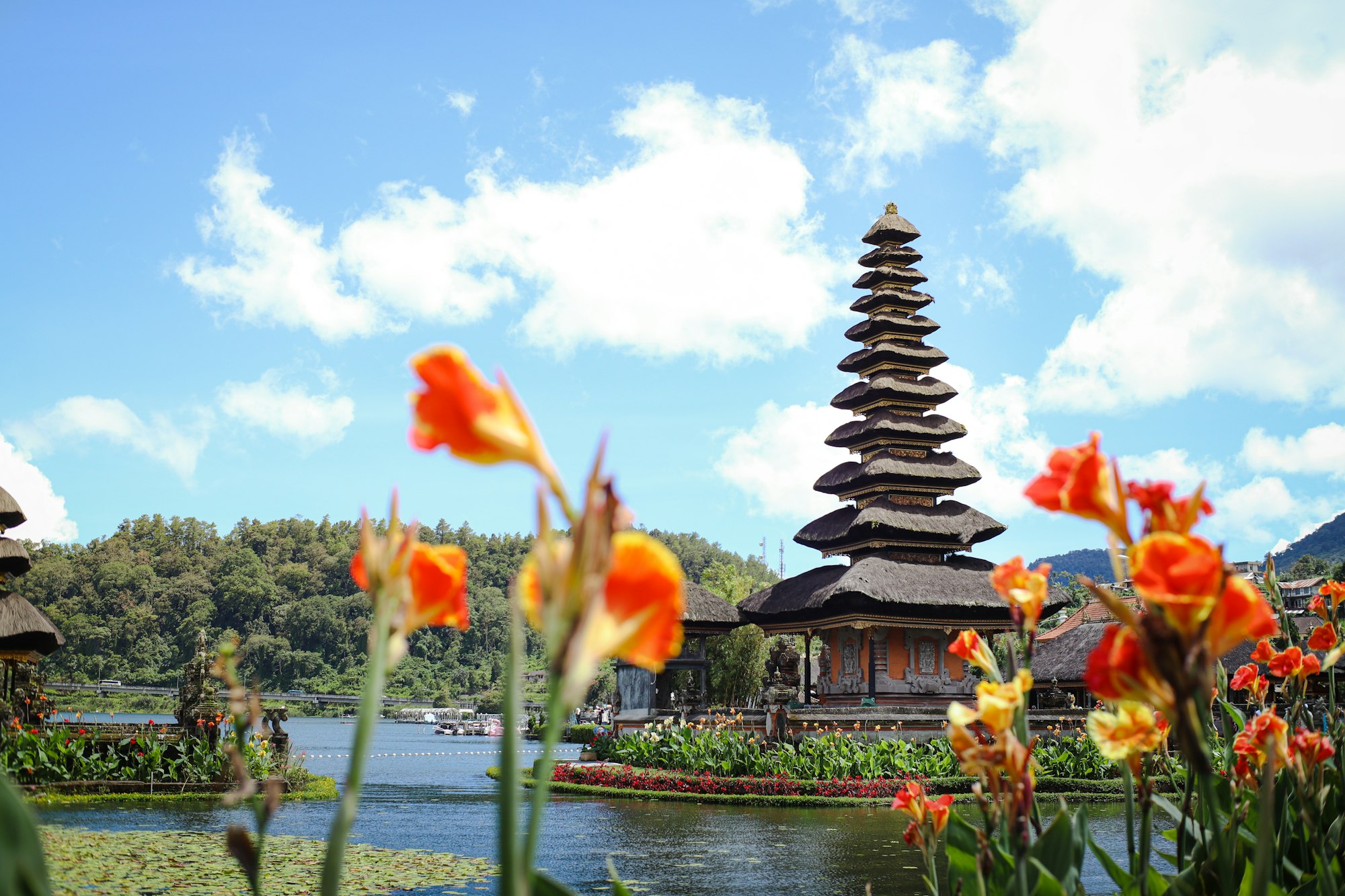
Penatahan Hot Springs, also known locally as Yeh Panes, sits on the banks of the Yeh Ho River near Penebel and takes the private-pool concept further still: eight individual bathing cabins split across two levels, each with its own table and shower, alongside a communal riverside pool. According to local legend, the spring itself traces back to a king healed by a devoted healer’s prayers, who then built a temple on the site. Yeh Panes Temple still sits within the grounds today, which gives the whole visit a slightly different, more spiritual feel than a straightforward soak. Public entry runs around IDR 50,000, with private pools or a jacuzzi option from about IDR 100,000, open roughly 7am to 7pm. Arrive at opening if you can; I went at 8am on a family trip and had the private river pool to myself before a single other group turned up.
Skip These If “Hidden” Is the Point
In fairness to them, Toya Devasya and the wider Kintamani/Toyabungkah hot springs on Lake Batur are genuinely beautiful: infinity-style pools that visually merge with the lake, with Mount Batur rising behind, and they’re a fair reward after a sunrise volcano trek. But they’ve been built out into a proper resort experience, with waterparks, lakeside dining, and the crowds to match, especially mid-morning when the sunrise-trek groups arrive en masse. If you’re chasing a genuinely quiet, natural soak, this isn’t it. Go for the view and the post-hike muscles instead, and manage your expectations on the “hidden” front.
Planning Your Hot Springs Day
A few practical things I wish someone had told me before my first trip north.
- Go early. Every spring on this list is at its best before 10am, both for the crowds and because the water simply feels better before the day heats up around it.
- Bring cash. Most of these sites, especially Banjar and Angseri, are cash-only with no card facilities on site.
- Pack your own towel and snacks. Facilities are basic by design at the quieter sites. That’s part of what keeps them quiet.
- Sort your transport before you go. None of these are realistically reachable by public transport, and self-driving north Bali’s mountain roads takes real concentration. I’d book a private driver for the day rather than white-knuckle it yourself, especially if you’re combining two or three stops.
- Check for a sulphur sensitivity first. The mineral content that makes these springs therapeutic can also irritate sensitive skin, so if in doubt, dip a toe before committing to a full soak.
Before you go: I wrote this in 2026 and checked prices and hours where I could, but small local sites like these change their pricing and hours more often than resorts do. Treat the figures here as a guide and confirm on arrival.
FAQs
Which is the best hidden hot spring in Bali? Angseri Hot Springs in Tabanan is my top pick for a genuinely quiet, natural soak: village-run, proper gardens, and a fraction of the crowds you’ll find at Kintamani or Banjar.
How much does it cost to visit a hot spring in Bali? Most of the sites in this guide cost between IDR 45,000 and IDR 100,000 depending on whether you choose a public or private pool, with private cabins at Penatahan running toward the higher end.
Are Bali’s hot springs natural or man-made? They’re geothermal in origin, heated by volcanic activity from Mount Batur, Mount Agung and Mount Batukaru, though most sites have built proper pools, changing rooms and paths around the natural water source.
Is Banjar Hot Springs worth visiting if it’s popular? Yes, if you manage your expectations, it’s genuinely beautiful and historically significant, but it’s a well-known stop, not a hidden one, so go for the setting rather than solitude.
Do I need my own transport to visit these hot springs? Realistically, yes. None of the sites in this guide have reliable public transport access, so a private driver or self-drive scooter/car is the practical option.
Is it safe to soak in Bali’s sulphur hot springs? Generally yes for most visitors, though the sulphur content can irritate sensitive skin, so it’s worth testing the water briefly before a full soak if you’re prone to skin reactions.
What should I bring to a Bali hot spring? Your own towel, soap, cash, a swimsuit, and snacks or water, since facilities at the quieter sites are basic and food options are often limited.
Can I combine a hot spring visit with other North Bali attractions? Yes, Banjar pairs naturally with Lovina’s dolphin-watching tours and the nearby Brahmavihara-Arama Buddhist monastery, making it easy to build into a full North Bali day.
When is the best time to visit Bali’s hot springs? Early morning, ideally before 10am, when the quieter sites are at their emptiest and the water feels freshest before the day’s heat builds around it.
Are Toya Devasya and Kintamani hot springs worth it? They’re worth visiting for the Lake Batur views and post-trek relaxation, but they’re resort-style and busy, so go in expecting a lively atmosphere rather than a hidden, natural soak.
Some of the links in this article are affiliate links: if you book through them I may earn a small commission at no extra cost to you. I only ever recommend things I would happily send a friend to.