Family-Friendly Bali: Raising Kids While Living a Nomadic Lifestyle
Raising kids in Bali costs USD 3,000–5,500/month. Schools, neighbourhoods, healthcare and activities: everything an expat family needs to know before moving.

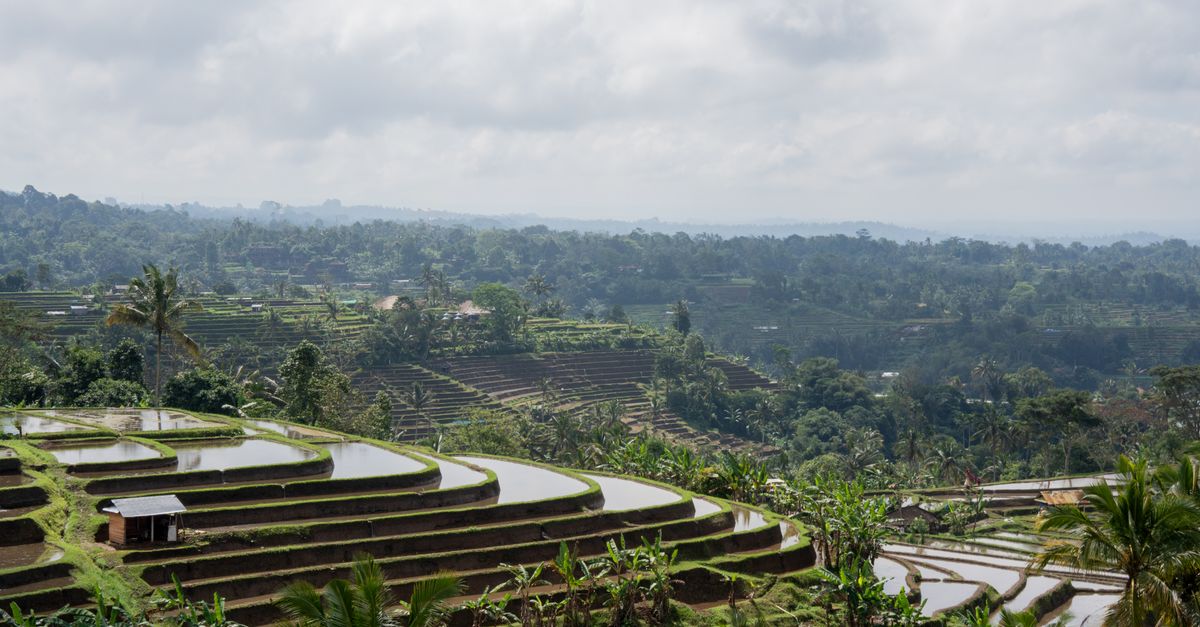
The morning my daughter started at her new school in Canggu, I stood outside the gates clutching a lukewarm coffee and trying not to cry. We’d sold most of what we owned in Manchester, squeezed our lives into four suitcases, and flown ten thousand miles on the promise that raising kids in Bali would give our family something different. Something better, maybe. Three months earlier, I’d been scrolling TikTok at 2 a.m. watching families on scooters threading through rice paddies. Now I was one of them.
If you’re reading this, you’re probably in that same late-night research phase. You’ve seen the dreamy videos but you need the practical stuff: what do schools actually cost, which neighbourhoods work for families, and is Bali genuinely safe for children? I’ve spent years figuring this out through trial and error, and I want to save you from some of the mistakes I made. This guide covers everything from school fees to rainy-day plans, so you can decide whether raising kids in Bali is right for your family.
Choosing the right neighbourhood for raising kids in Bali
Where you live matters more when you’ve got children in tow. Bali isn’t one place. It’s dozens of micro-communities, each with a completely different feel, and after trying three of them in our first two years, I can tell you the shortlist most expat families end up considering.
Sanur is the one everyone calls “the family favourite,” and honestly, it earns that title. The beach is calm and shallow, there are proper pavements for pushing a buggy (a rarity in Bali), and the pace is gentler than the Canggu chaos. Rent here tends to be lower too: a decent two-bedroom villa runs USD 800–1,200 a month. The trade-off? It’s quieter. If you’re after buzzy cafés and a nomad social scene, you might feel isolated.
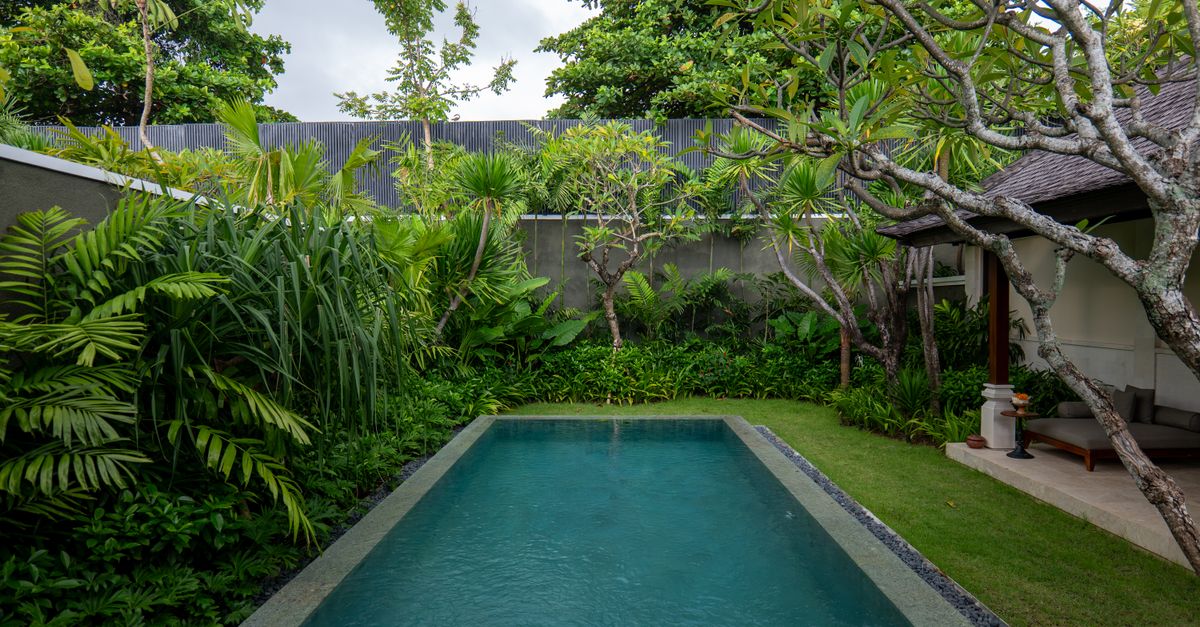
Canggu and Berawa are where the digital nomad families gather: playgrounds built into café gardens, kids’ yoga classes, a huge international community. But it’s louder, and the traffic is genuinely stressful with small children. Rent reflects the demand too: expect USD 1,200–2,000 for a family-sized villa with a pool. I’d recommend Berawa over central Canggu if you’ve got little ones. It’s ten minutes further north and noticeably calmer.
Ubud is the pick for families drawn to nature and culture. Green School is up here (more on that shortly), and your children will grow up surrounded by rice terraces and monkey forests and art studios rather than beach clubs. A three-bedroom villa near the centre runs USD 900–1,500 a month. The downside is distance. The airport is nearly two hours away, and you’ll need a car rather than a scooter for most errands.

International schools in Bali: what they cost and how to get in
This is where the sticker shock hits. Bali’s international schools are properly good, but the fees reflect that, and they vary wildly.
Green School Bali in Ubud is the one everyone’s heard of. It’s a bamboo-built, sustainability-focused campus with a WASC-accredited curriculum and its own organic garden. Annual fees range from USD 20,000 to over USD 30,000 depending on the year group, and you should budget an extra 20–30% on top for registration fees (IDR 5–15 million), building levies, uniforms, lunch, and transport. The waitlist is real: apply six to twelve months before you need a place.
Canggu Community School (CCS) offers the International Baccalaureate programme from Primary Years through to the Diploma. Fees sit between USD 8,500 and USD 18,000 a year. The academics are solid, the reputation is strong, and the price sits somewhere in the middle of the pack. Apply early, six months minimum.
Dyatmika School is the budget-friendly choice that still delivers. Fees run USD 5,000–9,000 a year for a bilingual national-plus curriculum with Cambridge IGCSE and A-Level pathways. It’s popular with families who plan to stay long-term and want their children to pick up Bahasa Indonesia properly.
Then there’s homeschooling, which a surprising number of nomad families choose. Indonesia doesn’t require expat children to attend a registered school, so you’re legally free to homeschool. Communities like the Bali Homeschool Collective meet weekly, and the flexibility means your children can travel with you during term time. It does take discipline, though, and a reliable internet connection, which isn’t always a given outside the main hubs.
What it actually costs to raise a family in Bali
I hear the “Bali is so cheap” line constantly, and it drives me slightly mad. Bali can be affordable, but once you add school fees, decent health insurance, and the occasional imported block of cheddar, the numbers climb faster than you’d expect.
Here’s what a family of four realistically spends each month:
Housing: USD 800–2,500 for a two- to three-bedroom villa, depending on area and pool access.
International school (per child): USD 420–2,500 a month when you spread annual fees across twelve months. Two children at a mid-range school easily adds USD 1,500 or more.
Food: USD 500–1,000. Eating at local warungs keeps costs down (a plate of nasi goreng is USD 1–3) but imported groceries cost 1.5 to 3 times what you’d pay back home.
Healthcare and insurance: USD 150–500 for a family plan. BIMC Hospital in Kuta has international-standard care, but they require comprehensive insurance rather than a basic travel policy.
Childcare or household help: USD 150–400 each for a nanny, driver, or cleaner. Most working families hire at least one helper, and honestly it changes everything.
Transport, utilities, activities: USD 200–400. Wi-Fi runs USD 25–60 a month; electricity with air conditioning adds USD 40–80.
The realistic total? USD 3,000–5,500 a month for a family of four with one or two children in school. A USD 2,000 budget works only if you skip international school entirely and live simply outside the nomad-belt areas.

Keeping kids entertained and learning beyond the classroom
One thing Bali does brilliantly is outdoor childhood. My kids have more mud under their fingernails here than they ever did in England, and I consider that a win.
Waterbom Bali in Kuta is the headline act: voted one of Asia’s best waterparks, with slides for every age group and a lazy river that buys you a solid hour of peace. Entry costs IDR 495,000–610,000 per person (roughly USD 30–38). We go about once a month and it never gets old.
Bali Zoo runs a brilliant “Breakfast with Orangutans” experience that’s worth every rupiah. Tickets are IDR 280,000–395,000 per person, and younger children are absolutely mesmerised. The Sacred Monkey Forest in Ubud is another classic at IDR 100,000–130,000 entry, though I’d save it for children aged eight and up who won’t panic when a macaque steals their water bottle.
For rainy-day options (and between November and March, you’ll need them) family-friendly restaurants with playgrounds are everywhere. Places like Parklife Family Hub in Berawa and Mai Main in Canggu are purpose-built for parents who want a decent meal while their children climb things.
Beyond the big-ticket attractions, daily life here is its own education. My son learned to count in Bahasa Indonesia before he could do it in English, just from buying mangoes at the market. They’ve watched offerings being laid at temples, helped a neighbour harvest rice, learned to swim in a volcanic hot spring. That kind of childhood isn’t something money can buy. It does require a certain tolerance for chaos, though.

Healthcare, safety and the things nobody mentions
Let’s talk about the stuff that keeps parents awake at 3 a.m. when they’re considering this move.
Bali has solid medical facilities. BIMC Hospital in Kuta and Siloam Hospital in Denpasar both have international-standard care with English-speaking doctors. For anything major (serious surgery or specialist paediatric care) most expat families fly to Singapore, which is a 2.5-hour flight. You need proper health insurance, not a backpacker travel policy. Budget USD 150–500 a month for a family plan with evacuation cover.
Road safety is the honest concern. Bali’s roads are narrow, often without pavements, and scooter traffic is relentless. I won’t pretend this isn’t stressful with small children. We use a car with a car seat for school runs and longer trips: hiring a driver costs around USD 300–400 a month and takes the daily stress out of it entirely.
Tap water in Bali isn’t drinkable. We use a refillable gallon service (around IDR 20,000 per 19-litre jug) and are careful about ice in drinks outside tourist areas. Stomach bugs happen, especially in the first few months while everyone’s system adjusts. Pack a good rehydration kit and register with a local GP early.
Here’s the honest truth: Bali isn’t risk-free, and it’s not for every family. But the families I know who’ve made it work (and there are hundreds of them) wouldn’t swap it. You learn to manage the risks, just as you would anywhere.
Is raising kids in Bali worth it?
After everything (the school research, the budget spreadsheets, more than a few moments of genuine worry), I’d do it again without hesitating. My children are growing up bilingual and barefoot, surrounded by a culture that genuinely adores kids. They’ve gained independence and resilience that a suburban English childhood simply wouldn’t have given them.
Raising kids in Bali isn’t the cheapest option, and it’s certainly not the easiest. But if you’re willing to plan properly (secure school places early, budget honestly, choose your neighbourhood with care), it’s one of the most rewarding things you can do as a family.
If you’re seriously considering the move, start with the school applications. Everything else can be figured out once you land. And if you’ve already made the leap, I’d love to hear how it’s going: drop me a reply or find me on Instagram. This community is the best part of being here.
FAQs
How much does it cost to raise a family in Bali?
A family of four with one or two children in international school typically spends USD 3,000–5,500 a month. That covers villa rental, school fees, food, healthcare, childcare, and transport. You can get by on around USD 2,000 if you skip international school and live outside the main expat areas, but most families find the mid-range figure more realistic once imported groceries and insurance are factored in.
What are the best international schools in Bali for expat children?
The three most popular are Green School Bali in Ubud (USD 20,000–30,000/year, sustainability-focused, WASC-accredited), Canggu Community School (USD 8,500–18,000/year, IB programme), and Dyatmika School (USD 5,000–9,000/year, Cambridge IGCSE and A-Level pathways). Each has a different feel and price point, so I’d visit all three before deciding. Apply six to twelve months ahead: waitlists are common.
Is Bali safe for children?
Bali is generally safe, but road safety is the biggest concern for families. Roads are narrow, pavements are rare, and scooter traffic is constant. Most expat families hire a driver (around USD 300–400/month) and use car seats for school runs. Healthcare is solid at hospitals like BIMC in Kuta, and for anything serious, Singapore is a 2.5-hour flight away.
Which neighbourhood in Bali is best for families?
Sanur is the most popular with families: calm beach, proper pavements, and lower rent (USD 800–1,200/month). Canggu and Berawa suit families who want a bigger social scene and don’t mind the traffic. Ubud is best for nature-loving families, especially if your children attend Green School. I’d recommend Berawa over central Canggu if you have small children: it’s noticeably quieter.
Can I homeschool my children in Bali?
Yes. Indonesia doesn’t require expat children to attend a registered school, so you’re legally free to homeschool. The Bali Homeschool Collective meets weekly and there’s a growing community of nomad families doing this. The main advantages are flexibility and cost savings, but it takes discipline and a reliable internet connection, which can be patchy outside the main hubs.
What is Green School Bali and how much does it cost?
Green School is a bamboo-built, sustainability-focused international school in Ubud with WASC accreditation. Annual tuition ranges from USD 20,000 to over USD 30,000 depending on the year group. Budget an extra 20–30% on top for registration fees (IDR 5–15 million), building levies, uniforms, lunch, and transport. The waitlist is long: apply six to twelve months before you need a place.
What family activities are there in Bali?
Waterbom Bali in Kuta (IDR 495,000–610,000 per person) is one of Asia’s best waterparks. Bali Zoo offers a “Breakfast with Orangutans” experience (IDR 280,000–395,000), and the Sacred Monkey Forest in Ubud costs IDR 100,000–130,000 entry. For rainy days, places like Parklife Family Hub in Berawa and Mai Main in Canggu have playgrounds built into the restaurant. Daily life (market trips, temple offerings, rice harvesting) is its own education.
Do I need health insurance for my family in Bali?
Absolutely. Budget USD 150–500 a month for a family plan with medical evacuation cover. BIMC Hospital in Kuta and Siloam Hospital in Denpasar have international-standard care, but they require comprehensive insurance rather than a basic travel policy. For serious conditions, most expat families fly to Singapore for treatment: your policy should cover that.
How do I get my children into a Bali international school?
Start early. Apply six to twelve months before you need a place, especially for Green School and Canggu Community School. Most schools require an application form, academic records, and sometimes an interview or assessment. Registration fees range from IDR 5–15 million depending on the school. Places fill up fast, so this should be the first thing you sort before moving.
Is the tap water safe in Bali?
No. Tap water in Bali isn’t drinkable. Most families use a refillable gallon delivery service (around IDR 20,000 per 19-litre jug) and are careful about ice in drinks outside tourist areas. Stomach bugs are common in the first few months while everyone adjusts. I’d recommend packing a rehydration kit and registering with a local English-speaking GP as soon as you arrive.