East Bali Uncovered: Amed, Sidemen and Tirta Gangga Beyond the Crowds
First-hand notes on slow-travelling east Bali: Amed's USAT Liberty wreck, the Sidemen rice valleys and Tirta Gangga, with real fees and drive times.
I remember the exact moment east Bali got me. I was standing on a black-sand beach in Amed at about 6am, coffee going cold in my hand, watching a line of fishermen push their painted jukung outriggers out past the surf while Mount Agung sat there pink in the early light. No traffic. No one trying to sell me a sarong. Just the slap of water on hulls. After years of living down south, that morning rearranged my idea of the island.
This east Bali travel guide is for the version of you that’s a bit done with the scrum of Canggu and Seminyak. The east, properly Karangasem regency, is where Bali slows right down. You come here for three things, really: Amed for diving and freediving, the Sidemen rice valleys for green silence, and Tirta Gangga, the old royal water palace with its stepping-stone fish ponds. They sit within an hour of each other, which is why I’d always argue for basing yourself out here for three or four nights rather than day-tripping. Day-tripping east Bali is how you spend six hours in a car to stand somewhere lovely for forty minutes. Don’t be that person. I’ve been that person.
Getting to east Bali: the drive nobody warns you about
Here’s the bit the glossy itineraries skip. East Bali looks close on a map and is not close in a car. Denpasar airport to Amed is roughly 95–98km but realistically 2.5 to 3.5 hours, because you crawl through the south, then climb onto narrow coastal roads where 50 km/h is the legal limit and frankly the sensible one (Bali Holiday Secrets, 2026). There’s no proper public transport, and Grab drivers mostly won’t commit to a fare with no return leg.
So book a private transfer. I land, find my driver, and that’s the holiday started rather than a three-hour negotiation. A private car charter from the airport runs you straight to Amed for a fixed price, and most drivers will happily make it a slow day: stopping for nasi campur and a Bukit Cinta viewpoint on the way.
If you’re coming from Ubud or the south to do the whole loop, the distances between the three highlights are gentle: Amed to Tirta Gangga is about 40 minutes, Tirta Gangga to Sidemen under an hour. For a couple of unhurried days I’d hire a driver for the day rather than wrestle a scooter on those switchbacks. Worth every rupiah of the roughly IDR 700,000–800,000 a day I tend to pay.
Amed: black-sand beaches, freediving and a slower rhythm
Amed isn’t one village: it’s a string of small bays running along the north-east coast, all dark volcanic sand and fishing boats. The water here is calm and absurdly clear, which is why it’s become Bali’s quiet capital of freediving. There are proper schools dotted along the coast, and a beginner freediving course (think two days, your first confident dive to 10–20m) is one of those things that sounds intimidating and turns out to be the calmest thing you’ll do all trip.
Even if you never put your face under with a tank, Amed snorkelling is the easy win. Just off the beach at Banyuning Bay sits a small Japanese Shipwreck: a WWII-era vessel turned artificial reef that you can swim out to straight from shore, no boat needed; the first pieces lie only a few metres out in shallow water (Two Fish Divers, 2026). I’ve drifted over it at low tide watching needlefish hang in the shallows above the hull and thought, that’s it, that’s the whole point of coming east.
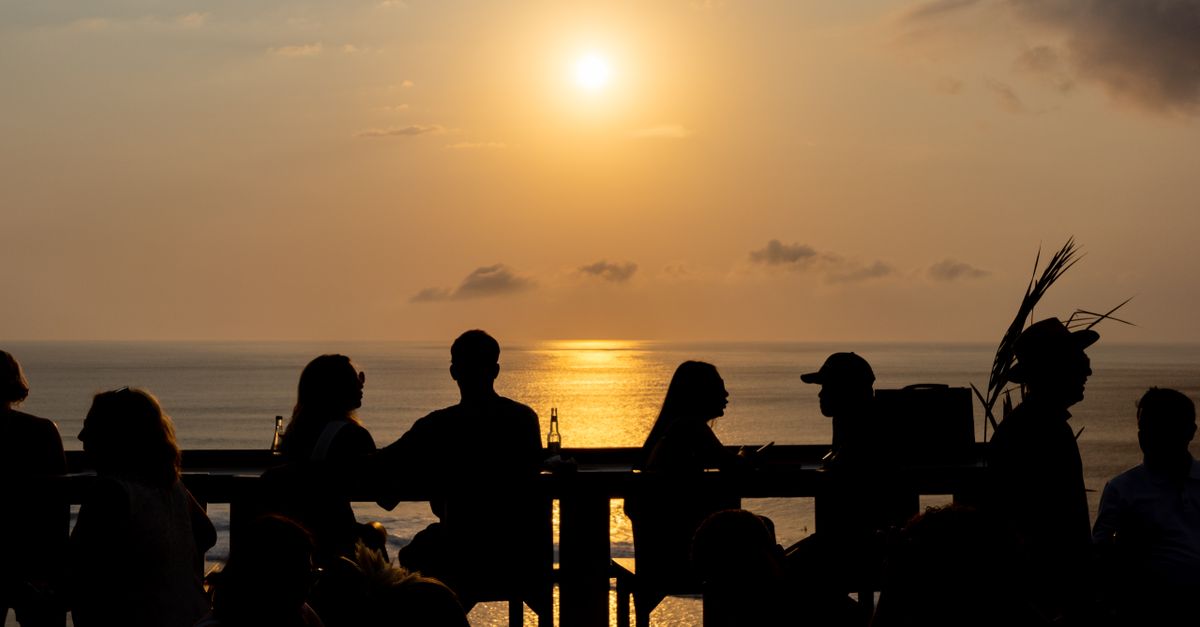
The other thing about Amed is the evenings. There’s no nightlife to speak of and that’s the appeal: a warung, a Bintang, the lights of fishing boats out on the Lombok Strait. Stay two nights minimum. One feels like a tease.
Diving the USAT Liberty wreck at Tulamben
A short hop north of Amed is Tulamben, and Tulamben means the USAT Liberty. This is genuinely one of the world’s great shore dives, which is mad when you realise you walk in from a pebble beach.
The USAT Liberty was a roughly 120m American WWII cargo ship, torpedoed by a Japanese submarine in January 1942, beached at Tulamben, then nudged off the sand and under the water by the 1963 Mount Agung eruption. It now lies on its side just 25–30m offshore, encrusted in soft coral and patrolled by schools of fish, including a resident pod of bumphead parrotfish that come in to sleep (Doris Gone Diving, 2026). You enter from the beach, swim a few minutes, and drop straight onto the wreck, which sits in roughly 5 to 30m of water.
My one firm piece of advice on the Tulamben Liberty wreck: go at dawn. By mid-morning the day-trip dive buses arrive from the south and the wreck gets busy and the visibility drops as everyone kicks up silt (ZuBlu, 2026). Get in at first light and you might have a WWII shipwreck to yourself. A Discover Scuba session for non-divers starts from around IDR 950,000 with the Amed and Tulamben operators, a fair price for a first breath underwater on something this special, though always check the latest rates when you book.
Sidemen: rice valleys with Mount Agung as a backdrop
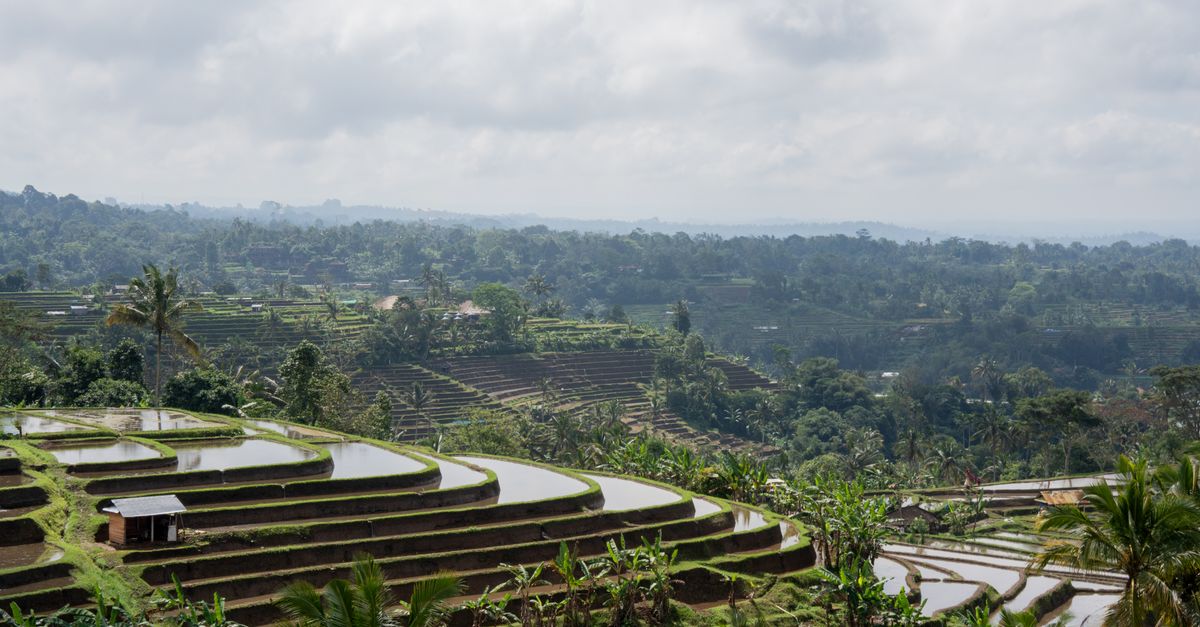
If Amed is the sea, Sidemen is the land, and I think it might be my favourite corner of the whole island. It sits in the foothills of Mount Agung, a valley of terraced paddies cascading down hillsides, far quieter than the Instagram-famous Tegallalang terraces near Ubud. No selfie swings, no entrance queue. Just farmers, ducks and that volcano filling the skyline on a clear morning.
It’s about 33km from Ubud, but the road twists enough that it’s a 1 to 1.5 hour drive, and around 2 to 2.5 hours from Seminyak (Salt in our Hair, 2026). The Sidemen rice terraces are best walked early: I usually set off from my guesthouse by 7am, before the heat, when the light’s gold and the only sound is irrigation water trickling between the bunds. Most homestays will point you at a loop walk, or you can hire a local guide for a small fee to take you up through the paddies and into the weaving workshops Sidemen is quietly known for.
This is the Bali rice valley people picture when they imagine “the old Bali”, and the lovely surprise is that it still genuinely exists, an hour from the chaos. Stay a night in a simple valley-view bungalow. You’ll sleep better than you have in months.
Tirta Gangga water palace: stepping stones and royal fish ponds
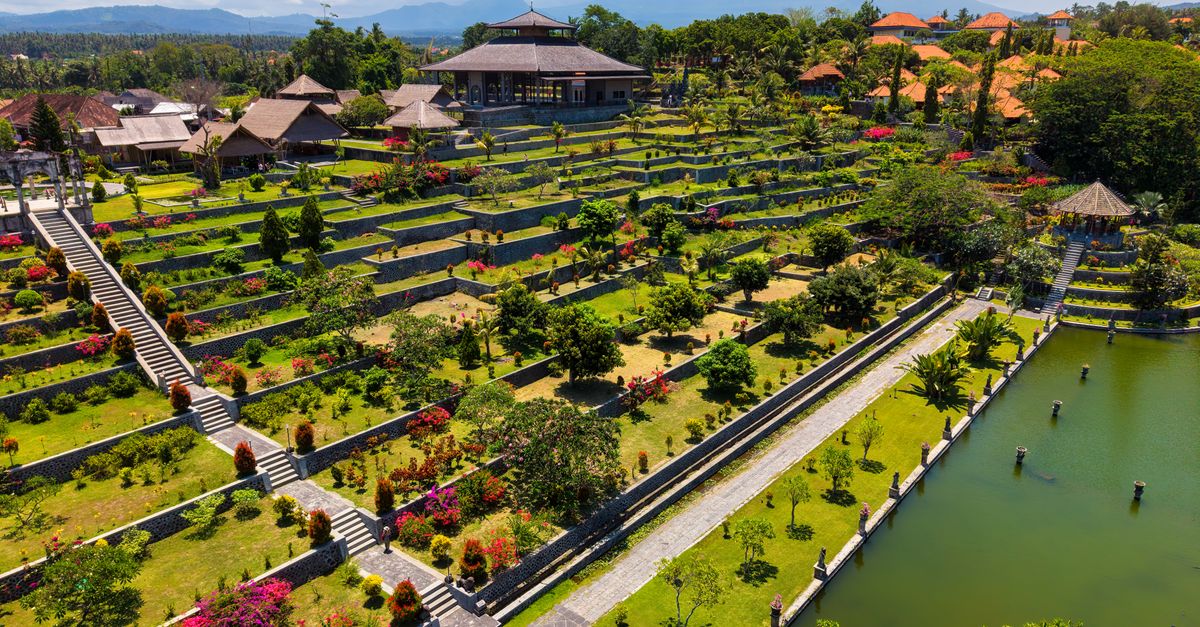
You’ll have seen the photo even if you don’t know the name: a path of round stepping stones zig-zagging across a pond full of fat koi, with carved fountains behind. That’s Tirta Gangga, a former royal water palace built by the last raja of Karangasem in 1946, the gardens fed by a spring the Balinese hold sacred.
It’s small (you can see the lot in an hour) but it’s genuinely beautiful, and at sensible times of day surprisingly peaceful. The Tirta Gangga entrance fee is around IDR 90,000 for adults, IDR 45,000 for children and IDR 70,000 for seniors, with a small extra charge for the stepping-stone fish-pond area where everyone wants their picture (Bali Holiday Secrets, 2026). Prices shifted upward in early 2026, so don’t be shocked if the booth quotes a touch more than older blogs claim.
Go at opening, around 7–8am, or late afternoon. Midday brings the tour coaches and the magic of this Bali water palace evaporates fast under a dozen drones. Buy a little bag of fish food, stand on the stones, and let the koi mob you: it’s daft and it’s wonderful. Pair it with a morning in Sidemen and you’ve got one of the loveliest slow days east Bali offers.
A last word before you book
The honest takeaway: east Bali rewards staying put far more than rushing through, so give it nights, not hours, and let the slowness do its work.
I’ve left plenty out: the salt farmers near Amed, the white-sand secret of Virgin Beach, the temple at Lempuyang with its “Gates of Heaven” queue that I have complicated feelings about. That’s deliberate. I’d rather you find a couple yourself. But if you go and stumble on a warung or a viewpoint or a homestay that undoes you the way that 6am beach undid me, reply and tell me. My list of east Bali favourites is never finished, and the best additions always come from readers.
FAQs
Is east Bali worth visiting? Yes, if you want quiet beaches, world-class diving and real rice-valley landscapes without the crowds, east Bali is the best slow-travel region on the island. It’s where you go after you’ve “done” the south. The trade-off is longer drives and far less nightlife, which is rather the point.
How many days do you need in east Bali? Three to four nights is the sweet spot to cover Amed, Sidemen and Tirta Gangga without rushing. You could base in Amed for two nights and Sidemen for two. A single day-trip from the south wastes most of your time in the car.
How far is Amed from the airport? Denpasar (Ngurah Rai) airport to Amed is about 95–98km and 2.5 to 3.5 hours by car. There’s no useful public transport, so a pre-booked private transfer is by far the easiest option, especially if you land tired.
How much is the Tirta Gangga entrance fee? As of early 2026, around IDR 90,000 for adults, IDR 45,000 for children and IDR 70,000 for seniors. There’s a small extra charge for the stepping-stone fish-pond area, and parking and fish food cost a little more. Prices changed recently, so confirm at the ticket booth.
Can beginners dive the USAT Liberty wreck? Yes, the USAT Liberty at Tulamben is a shore dive suitable for total beginners through to technical divers. You walk in from the beach and the wreck starts in shallow water around 5m, dropping deeper along the hull to about 30m. A Discover Scuba session lets non-divers experience it safely with an instructor.
Can you snorkel in Amed without diving? Absolutely. Amed has excellent shore snorkelling, including a small Japanese Shipwreck at Banyuning Bay that you can swim to directly. The water is calm and clear, making it ideal for snorkellers and beginner freedivers alike.
Is Sidemen better than Tegallalang for rice terraces? For atmosphere, many travellers (me included) prefer Sidemen: its rice valleys are larger, quieter and free to walk, with Mount Agung as a backdrop. Tegallalang is more dramatic in places but far busier and more commercialised. Sidemen feels like the Bali of twenty years ago.
How do you get around east Bali? A private driver for the day is the most relaxed option given the winding roads: expect around IDR 700,000–800,000 a day. Confident riders use scooters, but the switchbacks and long distances make it tiring. Public transport is essentially non-existent in this region.
When is the best time to visit east Bali? The dry season, roughly April to October, gives you the clearest water for diving and the best Mount Agung views. The rainy season runs around November to March, when afternoon downpours are common and dive visibility can drop. Mornings are best year-round for both temples and rice walks.
What’s the best time of day to dive Tulamben? Dawn. Get in the water at first light before the day-trip dive buses arrive from south Bali: the visibility is better and you’ll often have the wreck almost to yourself. By mid-morning it gets crowded and silty.
Before you go: I wrote this in 2026 and double-checked every price, fee, opening time and rule I could, but Bali changes fast. Treat the figures here as a guide and confirm the latest details before you book or travel.
Some of the links in this article are affiliate links: if you book through them I may earn a small commission at no extra cost to you. I only ever recommend things I would happily send a friend to.