Digital Detox Retreats: Unplugging and Unwinding in Bali
From a $25-a-night silent retreat in Tabanan to a £7,192 silent programme at Four Seasons Sayan: a first-hand guide to Bali's best digital detox retreats, what they really cost, and what happens when you hand over your phone.

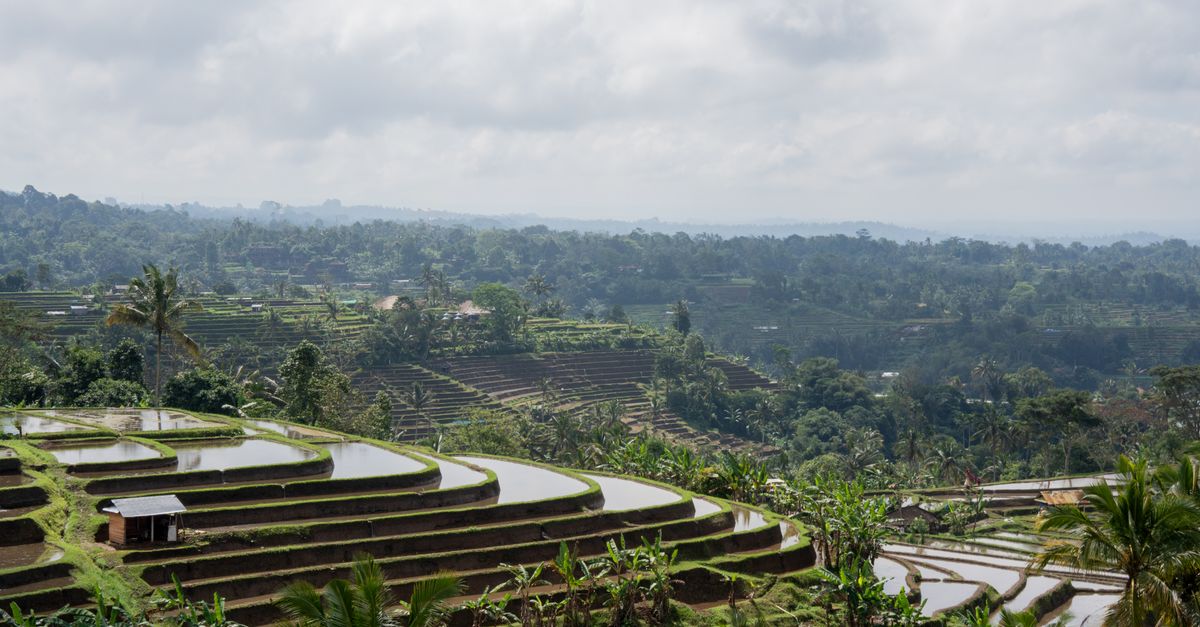
I’d been in Bali for three months when I realised I was spending more time photographing rice terraces than actually looking at them. I’d frame the shot, adjust the filter, draft the caption in my head (“golden hour in Tegalalang, pinch me”) and then move on to the next photogenic spot without ever having stood still in the first. My screen time report that week read seven hours and fourteen minutes daily. I was living in one of the most beautiful places on earth and experiencing most of it through a five-inch screen.
That was the week I booked my first digital detox retreat in Bali. And it genuinely changed how I experience this island. If you’ve been scrolling through Bali content while quietly feeling like your brain never quite switches off, you’re not alone. Over 40% of people globally are now actively trying to reduce screen time, and one-week detoxes have been shown to lower anxiety by 16% and depression by 25%. Bali, with its rice-paddy silence and temple rhythms, has become one of the best places in the world to unplug, and the range of screen-free retreats in Bali for 2026 runs from rustic $25-a-night rooms to luxury silent programmes costing thousands.
Why Bali Has Become the World’s Best Place to Put Your Phone Down
It’s not just the scenery, although that helps. Bali works for digital detox because the island’s own culture is built around rhythms that predate screens. Ceremonies happen on days dictated by the Balinese calendar, not by deadlines. The concept of Nyepi (the annual Day of Silence where the entire island shuts down, airport included) is essentially a collective digital detox baked into the culture. No lights, no travel, no noise. For 24 hours, Bali does what most of us can’t manage for 24 minutes.

That cultural backdrop matters because it means the retreats here aren’t bolted-on wellness trends: they’re rooted in something real. When a retreat in Tabanan asks you to walk in silence through rice paddies at dawn, it’s not theatre. It’s what the locals have been doing for generations. And 75% of working professionals now report high stress from constant digital connectivity, so there’s a growing cohort of people (remote workers, founders, creative professionals) arriving in Bali specifically because they need to break the cycle. The retreats have grown to meet that demand.
The Best Digital Detox Retreats in Bali for 2026
Not all unplugging experiences cost a fortune, and not all expensive ones are worth it. Here’s what I’d actually recommend, broken down by budget.
Budget: Bali Silent Retreat, Tabanan
This is the real deal. Tucked in the hills of Tabanan, this retreat operates with no Wi-Fi, no mirrors, and outdoor showers. You set your own pace: self-guided meditation, yoga, mindful walks through the grounds, and time at natural hot springs. Accommodation starts at IDR 450,000 per night (roughly $25) for a ground-level single room, or IDR 1,450,000 ($80) for a wooden bungalow. Every booking includes three meals a day from an all-day buffet, plus access to all classes, ceremonies, and the labyrinth. A 28-night stay gets you 30% off. It’s not luxury, but it’s transformative.
Mid-range: Udara Bali, Seseh
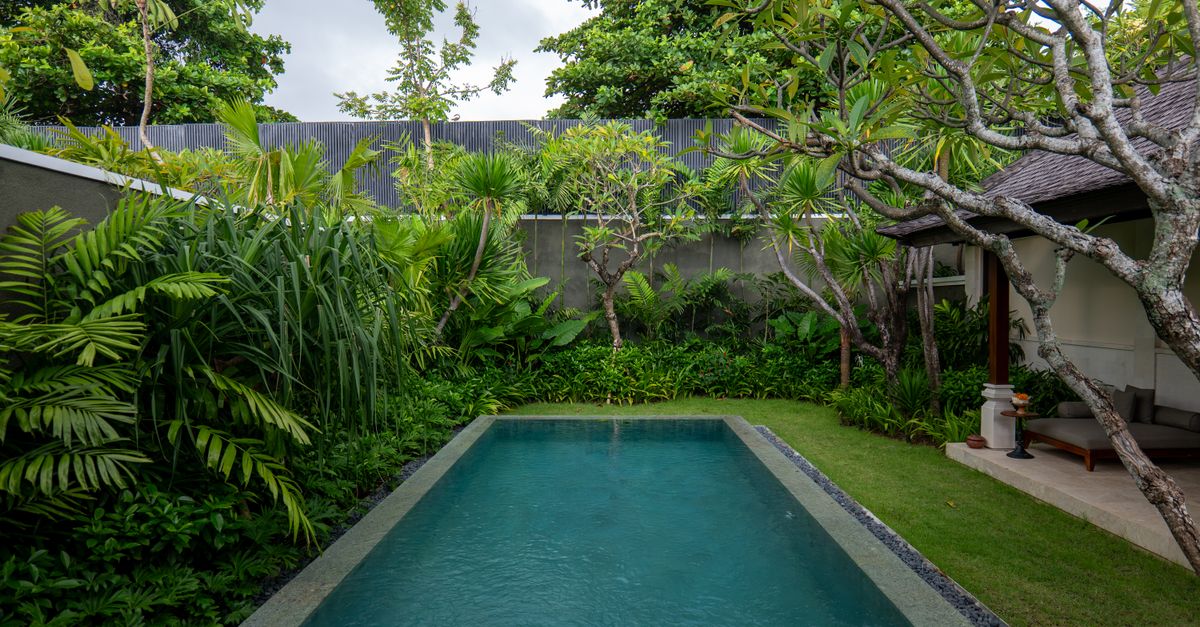
Located between Seseh Beach and the rice fields northwest of Canggu, Udara combines yoga, sound healing in their Quantum Sound Domes, pranayama, and spa treatments. Their digital detox approach is gentler: they’ll safely store your phone during your stay, but it’s optional rather than enforced. The food is plant-based, the environment is lush, and it sits at a sweet spot between structured and relaxed. Weekly retreat packages with accommodation typically run $670–$1,200 depending on room type and season.
Mid-range, Fivelements Retreat, Mambal (near Ubud)
Fivelements sits on the banks of the Ayung River and practises what they call Tri Kaya Parisudha: purification of thought, word, and deed. Their wellness programmes include detox, breathwork, sacred fire rituals, and their Sakti Dining Room serves some of the most thoughtful plant-based food on the island. Retreats start from around $143 per night through booking platforms, though on-site pricing varies. The atmosphere is contemplative without being austere.
Luxury: Four Seasons Resort Bali at Sayan
In May 2026, Four Seasons launched a seven-day silent wellness retreat designed specifically for solo travellers. Priced from £7,192 per person, it includes six nights’ accommodation, Sattvic cuisine, guided meditation, Kundalini yoga, chakra balancing, crystal reiki, a cultural excursion, and airport transfers. The rooms deliberately exclude phones, televisions, and Wi-Fi. The programme is led by Ibu Heny Ferawati, a former Buddhist nun ordained in Myanmar who specialises in Vipassana meditation. It’s offered monthly and represents the luxury end of Bali’s digital detox spectrum, but for those who can afford it, the reviews suggest it delivers something genuinely profound.
What Actually Happens When You Hand Over Your Phone
I’m going to be honest about this, because most retreat marketing makes it sound like you hand over your device and immediately achieve enlightenment. That’s not what happens.
The first 48 hours are uncomfortable. Your hand reaches for your pocket constantly. You notice phantom buzzing. Time feels elastic: some hours stretch impossibly long, others vanish. Mealtimes feel odd without something to scroll through. You might feel anxious, bored, or irritable. Research backs this up: 72% of Americans who attempt digital detox relapse within two weeks. The pull is real.
But somewhere around day three or four, something shifts. Your sleep improves: studies show a 14.5% decrease in insomnia symptoms after a week of detox. You start noticing details: the particular green of a banana leaf after rain, the sound of a gecko at dusk, the way a conversation at a communal breakfast table unfolds when nobody is checking their phone under the table. Your attention span starts to recover. Thoughts complete themselves instead of fragmenting into half-scrolled threads.
By day five, most people don’t want their phone back. That surprised me more than anything.
Sound Healing and Shorter Detox Experiences
Not everyone can commit to a five-day silent retreat, and you don’t have to. Bali offers brilliant shorter experiences that serve as a taster, or as a maintenance practice between longer retreats.

Pyramids of Chi, Tegalalang (near Ubud)
This is one of the most extraordinary wellness experiences in Bali. Two geometric pyramids sit in the hills above Ubud, and inside them, practitioners play gongs, Tibetan singing bowls, and chimes while you lie on a mat and let the vibrations wash through you. Sessions include sound healing, sacred geometry meditation, and chakra balancing. The venue is open daily from 8am to 8pm. Book at least a day in advance: sessions fill quickly, and children under 12 aren’t permitted. It’s a single-session experience rather than a full retreat, but many people describe it as the most relaxed they’ve felt in years.
The Yoga Barn, Ubud
The Yoga Barn on Jalan Sukma Kesuma is Ubud’s wellness institution: daily yoga classes, sound healing sessions, breathwork, and meditation in a setting that’s been hosting practitioners for years. It’s also home to the annual Bali Spirit Festival. Drop-in classes make it easy to build your own informal detox schedule without committing to a residential programme. Leave your phone in the locker, attend three sessions, have lunch in the garden, and feel the difference.
How to Prepare for a Digital Detox Retreat in Bali
The preparation matters more than people think. Turning up without any planning makes the first day harder than it needs to be.
Before you leave home: Set up out-of-office replies on email and messaging apps. Tell the people who matter that you’ll be unreachable, and mean it. Download an offline map of Bali onto your phone (you’ll want it for the journey to and from the retreat, even if you won’t use it during). Bring a physical book. And I cannot stress this enough: bring a notebook and a pen. Without your phone’s notes app, you’ll want somewhere to capture the thoughts that surface when your brain finally has space.
What to pack: Loose, comfortable clothing. A torch (some retreats, especially Bali Silent Retreat, have limited lighting at night). Mosquito repellent (the hills of Tabanan have mosquitoes in the evening). A reusable water bottle. Sunscreen. And earplugs, if you’re a light sleeper: rural Bali has roosters, and they don’t wait for your alarm.
What to leave behind: Expectations. Seriously. Don’t arrive with a goal of “achieving inner peace by Wednesday.” Arrive with curiosity and the willingness to be bored. The boredom is the gateway. It’s what your brain does when it runs out of stimulation, and it’s where the interesting stuff starts to happen.
Bringing It Home: What Stays With You After the Retreat
The re-entry is the hardest part, and no retreat brochure prepares you for it. You turn your phone back on, and the notifications hit like a wall. Emails, messages, social media alerts: days’ worth compressed into thirty seconds. The temptation to immediately respond to everything is overwhelming.
My advice: don’t. Sit with the phone for an hour before opening anything. Delete any apps you didn’t miss during the retreat: if you genuinely didn’t think about Twitter for five days, that tells you something. Set screen time limits before the old habits re-establish themselves. And keep one practice from the retreat in your daily routine: whether that’s ten minutes of morning silence, an evening walk without headphones, or simply eating one meal a day without a screen in front of you.
The point of a digital detox retreat in Bali isn’t to reject technology permanently. That’s neither realistic nor necessary. The point is to remember what your attention feels like when it’s yours. To notice how your nervous system settles when it’s not being pinged every forty seconds. And to make deliberate choices about how much of that peace you want to carry forward.
If you’re reading this on your phone right now, maybe that’s your sign. Subscribe to Destined for Bali for more honest wellness guides, and when you’re ready, put the phone down and book something. Your brain will thank you.
FAQs
What is the best digital detox retreat in Bali for beginners?
Bali Silent Retreat in Tabanan is ideal for first-timers. It’s self-paced, so there’s no pressure to follow a strict schedule, and rates start from around $25 per night including all meals and activities. The no-Wi-Fi environment removes the temptation entirely, which is actually easier than having to exercise willpower.
How much does a digital detox retreat in Bali cost?
Prices range enormously. Budget options like Bali Silent Retreat start at IDR 450,000 per night ($25). Mid-range retreats like Udara Bali and Fivelements run $143–$1,200 for a week. At the luxury end, the Four Seasons Sayan silent programme costs from £7,192 for seven days. Most mid-range retreats include accommodation, meals, and activities in the price.
Do Bali retreats actually take your phone away?
Policies vary. Bali Silent Retreat has no Wi-Fi at all, so your phone is effectively useless. Udara Bali offers to store it for you but doesn’t enforce it. Four Seasons Sayan removes phones, TVs, and Wi-Fi from rooms entirely. I’d recommend choosing a retreat where the phone is genuinely inaccessible; willpower alone rarely works.
How long should a digital detox retreat be?
At least four to five days for meaningful results. Research shows anxiety drops by 16% and depression by 25% after a one-week break from screens. Shorter stays (two to three days) help you decompress but rarely produce the deeper cognitive shift that comes after day three or four.
What should I bring to a silent retreat in Bali?
A notebook and pen, a physical book, loose comfortable clothing, a torch (rural retreats have limited lighting), mosquito repellent, a reusable water bottle, sunscreen, and earplugs for the roosters. Leave expectations of instant enlightenment at home; curiosity serves you better.
Is the Pyramids of Chi experience in Ubud worth it?
Can I do a digital detox in Bali without going to a retreat?
Yes, but it’s harder. You can create your own detox by renting a villa in a quiet area like Sidemen or Tabanan, deleting social apps, and setting your phone to aeroplane mode. But the structure of a retreat (no Wi-Fi, communal silence, guided meditation) removes the constant decision-making of self-directed detox. Most people find they need the external structure, at least the first time.
What is Nyepi and can I experience it?
Nyepi is Bali’s annual Day of Silence, observed during the Balinese New Year (usually March). The entire island shuts down: no flights, no traffic, no lights, no noise for 24 hours. You must stay indoors. It’s the most complete collective digital detox on earth, and if you’re in Bali during Nyepi, you’ll experience it by default. Many retreats offer special Nyepi programmes.
Is Bali safe for solo travellers doing wellness retreats?
Very. Bali’s wellness retreat culture caters heavily to solo travellers, and many retreats, including the new Four Seasons Sayan programme, are designed specifically for individuals. Ubud, Tabanan, and the Seseh/Pererenan area are all safe, well-connected, and easy to navigate independently.
How do I maintain my digital detox habits after leaving Bali?
Start small. Delete apps you didn’t miss during the retreat. Set daily screen time limits on your phone before old habits return. Keep one retreat practice: morning silence, a walk without headphones, one screen-free meal daily. The goal isn’t to reject technology; it’s to use it deliberately rather than compulsively. Research shows participants reduce daily screen time from 4.5+ hours to around 2.5 hours after structured detox programmes.