Balancing Work and Play: A Day in the Life of a Bali-Based Digital Nomad
Early mornings, deep work before the heat, warung lunches for £1, and an honest monthly budget. What three years of remote work in Bali actually looks like.

I remember my first Monday in Canggu. I woke at half five to a rooster three gardens over who’d decided that was a reasonable hour. The air was already warm, the gecko on the ceiling was still going, and my laptop sat on a wooden desk facing a wall of banana leaves. I had a client call in two hours, no idea where the nearest decent wifi was, and the slightly terrifying feeling that I’d just dismantled my entire London routine for this.
That was three years ago. A day in the life of a digital nomad in Bali looks a lot less chaotic now, though it’s still nothing like a day back in the UK. That’s the whole point, really. Bali doesn’t hand you your old office life with better weather bolted on. What you get instead is a daily rhythm shaped by heat, community, cheap good food, and the kind of view that stops you mid-sentence on a Tuesday afternoon when you’re only going out to buy water.
So here’s what remote work in Bali actually looks like once the honeymoon wears off and you’ve settled into a proper routine.

The morning that sets everything up
Most digital nomads I know in Bali are early risers, and it has nothing to do with discipline. The mornings here are the best part of the day, by a long way. By 6am the light is soft gold, the air hasn’t turned thick yet, and the streets are still quiet enough that you can hear the offerings being placed outside the shops: little trays of flowers and incense on the pavement, replaced fresh every day.
My own morning usually starts around 5:45. I’ll make coffee on the stove (Indonesian kopi tubruk, which is basically grounds stirred straight into hot water; you get used to the silt at the bottom), then sit outside for twenty minutes before the day starts pulling at me. Some mornings I’ll walk to Echo Beach for a swim before 7am. Other mornings I’ll do a yoga class at Samadi in Canggu, where a drop-in costs around IDR 150,000 (about £7.50). Or I’ll just stretch on the terrace.
The trick I’ve learned is that this window, from roughly 6 to 8am, is yours. Nobody’s emailing yet. The cafés aren’t full. The scooter traffic hasn’t started. Open Slack at 7am and you’ve lost the one part of the Bali digital nomad daily routine that actually makes the whole thing worthwhile.
By 8am I’m showered and at my desk. I do my deepest-focus work before lunch, partly because my brain cooperates and partly because the heat after midday makes concentration harder. That’s a pattern you’ll hear from almost everyone who’s been here more than a few months.
Finding your workspace: coworking in Bali in 2026
Here’s where the day in the life of a digital nomad in Bali gets practical. You need wifi, you need air con (or at least a fan that does the job), and you need a chair that doesn’t wreck your back. How you solve that depends on your budget and your personality.
Bali’s coworking scene has grown enormously. In Canggu alone, you’ve got Tropical Nomad on Jl. Subak, where a day pass is around IDR 260,000 and monthly membership starts at IDR 1,500,000. Puco Rooftop in Tibubeneng has 100 Mbps wifi and rice paddy views for IDR 200,000 a day or IDR 2,000,000 monthly. Then there’s the free option: Tribal Bali on Jl. Pantai Pererenan, where you just buy food or coffee and work from their bamboo pavilions.
If you’re based in Ubud, Outpost has two locations with 24/7 access, pools, and video-call booths. Day passes are IDR 248,000, monthly is IDR 2,460,000. For something cheaper, Ubud Coworking on Jl. Raya Andong runs about IDR 130,000 a day with a rice-field terrace that will ruin you for normal offices forever.
Down south in Uluwatu, the newer spaces are flashier. BWork Uluwatu has a bouldering wall, a yoga shala, and a rooftop bar alongside the desks, at IDR 299,000 daily or IDR 3,850,000 monthly. It’s 24/7 for members.
I rotate between a coworking space two or three days a week and working from home the rest. The coworking days are for calls and for being around people. The home days are for writing and anything that needs quiet. That split keeps me sane.

When the laptop shuts: afternoons that actually recharge you
This is the bit that separates Bali from remote-working-from-your-flat-in-Manchester. Around 1 or 2pm the heat peaks and the afternoon stretches out ahead of you. Most people I know stop working by 3pm at the latest. It isn’t slacking. The afternoon is when Bali gives you things no amount of money could buy in most cities.
I eat lunch at a warung most days. A plate of nasi campur (rice with small portions of chicken, tempeh, vegetables, sambal, and a cracker) costs between IDR 25,000 and IDR 40,000, roughly £1 to £2. It’s fresh, it’s filling, and it’s cooked by someone who’s been making the same dishes for twenty years. There’s a warung near my place in Berawa where the ibu running it knows my order before I sit down. That sort of thing takes months to build, and it’s part of what makes Bali feel like home rather than an extended holiday.
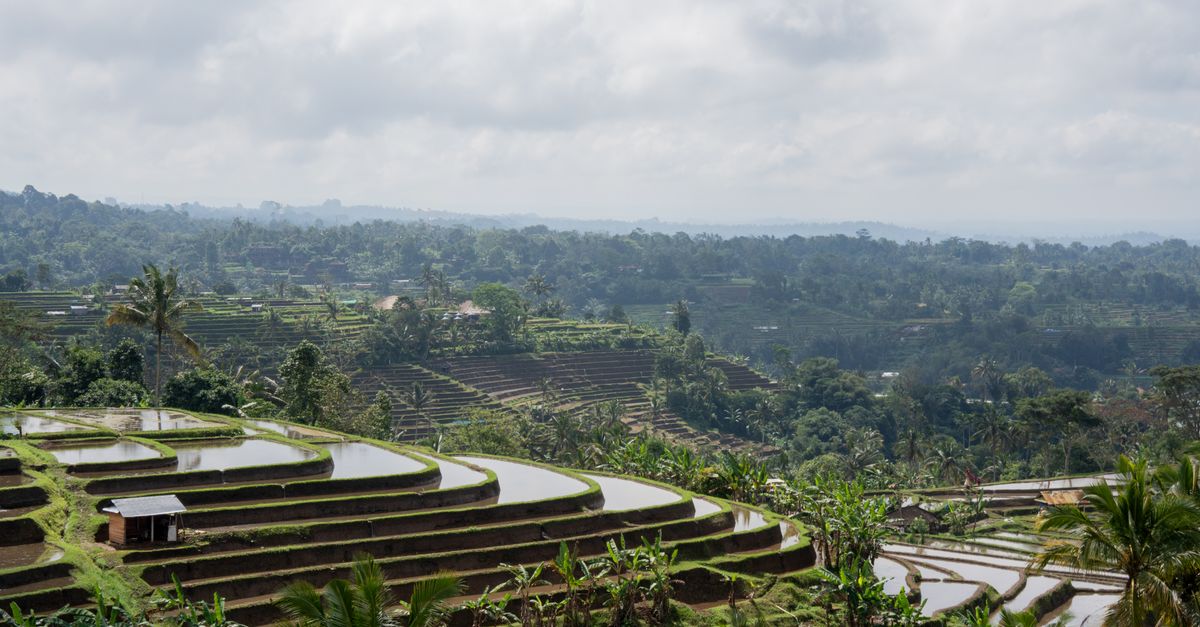
After lunch I’ll usually do one thing: surf at Old Man’s or Batu Bolong (the beginner-friendly breaks in Canggu), or take a walk through the rice fields behind Jl. Pantai Berawa. The rice field paths are public, free, and absurdly peaceful in a way that sounds clichéd, until you’ve done it on a Wednesday afternoon when everyone else is in an office. The light goes golden around 4:30pm, the egrets come out, and you hear nothing except frogs and the occasional motorbike in the distance.
Some afternoons I’ll ride the scooter to Tanah Lot, about 25 minutes from central Canggu, or drive up to Seseh beach, which is quieter and has fewer tourists.
Evenings, community, and the social side of nomad life in Bali
Loneliness is the thing nobody puts in the Instagram caption, and it’s real. Moving to Bali alone means starting a social life from scratch, and the transient nature of the digital nomad community means people leave constantly. You build a friend group and half of them are gone in three months.
The flip side is that meeting people here is surprisingly easy, provided you actually show up to things. Coworking spaces run regular events: Tropical Nomad does Friday social drinks, Outpost runs skill-share evenings. There are surf groups, running clubs, and more ecstatic dance circles than any one island reasonably needs.
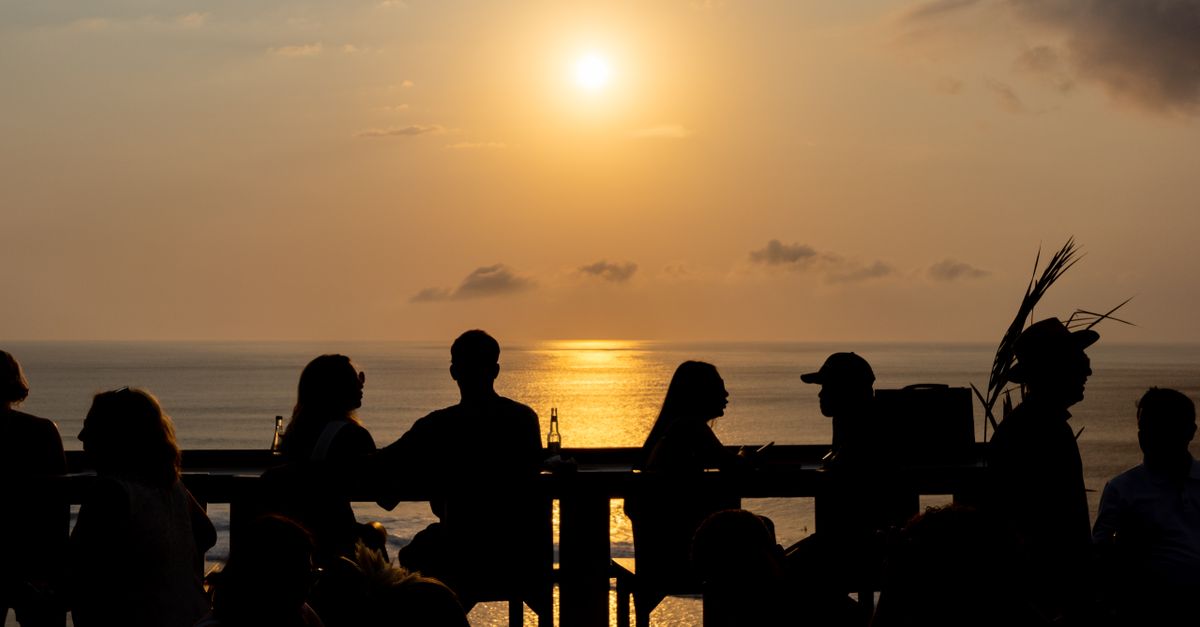
My evenings usually look like this. I cook at home three or four nights, and groceries from a local toko or the Bintang supermarket in Canggu are cheap, around IDR 400,000 to IDR 600,000 for a full week’s shop. One or two nights I’ll eat out with friends, where a meal at a mid-range restaurant in Canggu runs about IDR 80,000 to IDR 150,000 per person. Maybe once a week I’ll go to something more social: a live music night, a film screening at Deus Ex Machina, or just drinks at a beach bar.
I’m in bed by 10pm most nights. The early mornings don’t happen if the late nights do, and I’ve learned the hard way (several times) which one I’d rather keep.
What it actually costs: a real monthly budget for a digital nomad in Bali
People always want the numbers, so here they are, based on a mid-range lifestyle in Canggu as of mid-2026.
The numbers in 2026
| Cost | Monthly budget |
|---|---|
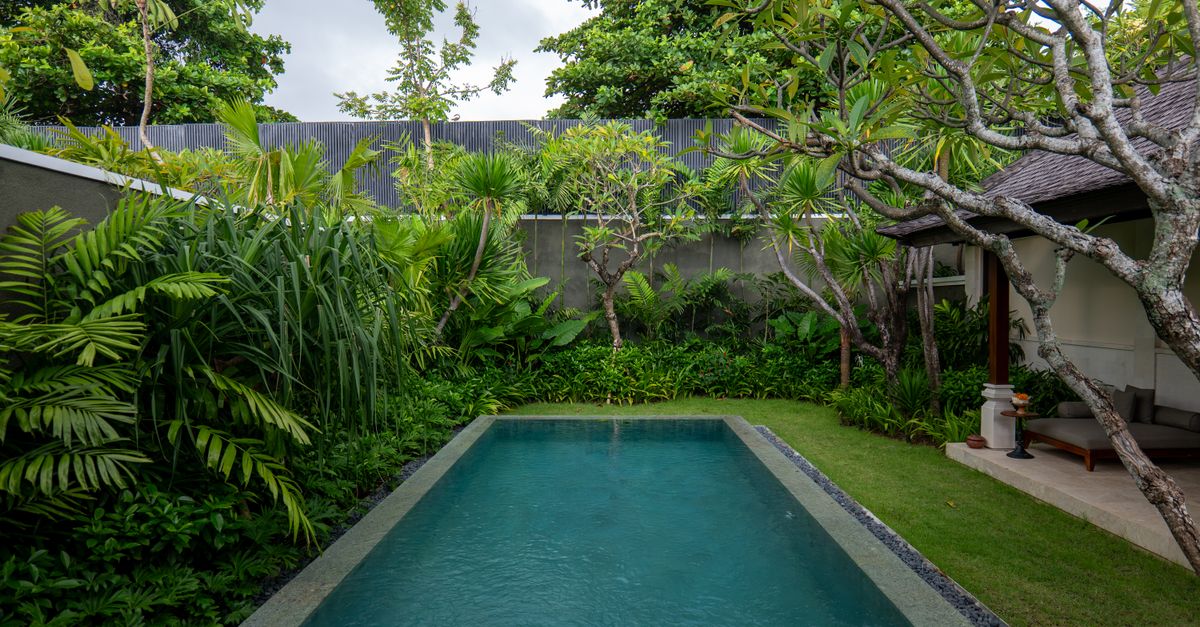
| One-bedroom villa with pool (Canggu or Berawa, six-month lease) | USD 500–1,000 |
| Room or apartment without a pool | USD 250–500 |
| Food (warungs for most meals, cooking occasionally) | USD 300–500 |
| Scooter rental | IDR 800,000–1,200,000 (USD 50–75) |
| Coworking membership | IDR 1,500,000–2,500,000 (USD 90–155) |
| Basic international health insurance | USD 60–150 |
| Realistic total | USD 1,200–1,800 |
A few notes on those figures. Add to the food budget if you’re doing açaí bowls and flat whites every day, because café culture here is excellent but not cheap by local standards. Fuel is almost nothing, about IDR 30,000 for a full tank, though Grab rides add up. Coworking drops to zero if you work from cafés instead. For insurance, SafetyWing and Genki are the two names you’ll hear most among nomads here.
That total gives you a pool villa, good food, a coworking membership, and enough left over to actually enjoy the island. You can do it for less. You can spend a lot more.
Visa: the E33G remote worker route
The E33G remote worker visa (officially the Visa Rumah Kedua Pekerja Jarak Jauh) costs IDR 7,000,000, about USD 430, as a government fee. It lasts one year and requires proof of at least USD 60,000 annual income plus three months of bank statements showing a minimum of USD 2,000. You apply online through evisa.imigrasi.go.id and processing takes about five working days. One thing to plan for: if you stay more than 183 days in a twelve-month period, you become an Indonesian tax resident, so get proper tax advice before committing to a full year.

The day that’s yours to design
That’s the real draw of Bali for remote workers, and it’s taken me a while to articulate it. It isn’t the sunsets or the cheap massages or the Instagram aesthetics, pleasant as those are. It’s that the structure of a day here is yours to build. You choose when to start, where to work, what to eat, and how to spend the hours between laptop and sleep.
Some days that freedom is exhilarating. Some days it’s terrifying, because nobody’s watching and the discipline has to come entirely from you. But three years in, I wouldn’t trade this rhythm for a commute and a desk and a meal deal. Not even close.
If you’re sitting in an office right now wondering whether you could actually do this, you probably can. Start with a month. Bring less luggage than you think you need. And get up early on your first morning, before the roosters even start, and just sit with the fact that you’re here.
I’d love to hear how you’d spend your first Bali workday. Reply to this post, or drop me a message at destinedforbali@substack.com.
FAQs
What does a typical day look like for a digital nomad in Bali?
Most nomads wake early, around 6am, exercise or have a slow morning, then do focused work from roughly 8am to 2pm. Afternoons go on surfing, exploring, or socialising. Evenings tend to be quiet, with home cooking or dinner with friends. The heat naturally pushes the productive hours into the morning.
How much does it cost to live as a digital nomad in Bali per month?
A comfortable mid-range lifestyle costs between USD 1,200 and USD 1,800 per month. That covers a private villa, food, scooter rental, coworking, and health insurance. You can live more simply for USD 800–1,000, or spend significantly more if you want upscale dining and a designer villa.
What are the best coworking spaces in Bali for digital nomads in 2026?
Popular options include Tropical Nomad and Puco Rooftop in Canggu, Outpost in Ubud (two locations, 24/7 access), and BWork in Uluwatu. Day passes range from IDR 130,000 to IDR 300,000. Monthly memberships typically cost IDR 1,500,000 to IDR 3,850,000.
Do I need a special visa to work remotely from Bali?
Yes. The E33G remote worker visa costs IDR 7,000,000 (approximately USD 430), lasts one year, and requires proof of at least USD 60,000 annual income. You apply online at evisa.imigrasi.go.id. A standard tourist visa does not legally permit remote work, even for an overseas employer.
Is the wifi in Bali good enough for remote work?
In coworking spaces, yes. Speeds of 100–200 Mbps are common, with backup lines. Home wifi varies but is generally reliable in areas like Canggu, Ubud, and Sanur. Always check wifi speeds before signing a villa lease. Many nomads carry a Telkomsel or XL SIM card as a mobile data backup.
What’s the best area in Bali for digital nomads?
Canggu is the most popular, with the highest concentration of coworking spaces, cafés, and other nomads. Ubud suits people who prefer a quieter, more cultural setting. Uluwatu is growing fast and appeals to surfers. Sanur is calmer and popular with families and older nomads.
Is Bali safe for solo digital nomads?
Bali is generally safe. The main risks are road accidents (motorbike traffic is chaotic, so always wear a helmet), petty theft, and occasional scams targeting tourists. Use common sense with valuables, get proper travel and health insurance, and learn basic road rules before renting a scooter.
What do digital nomads in Bali eat on a budget?
Warungs, the small local restaurants, serve full meals like nasi campur for IDR 25,000–40,000 (about £1–2). You can eat well for under USD 10 a day if you stick to warungs and cook occasionally. Western-style cafés and restaurants are pricier, typically IDR 80,000–150,000 per meal.
How do I meet other digital nomads in Bali?
Coworking spaces are the easiest route, and most run social events and skill shares. Surf lessons, yoga classes, and running clubs also attract nomads. Apps like Meetup and Facebook groups (search “Canggu Digital Nomads”) are active. It takes about two to three weeks to build a proper social circle.
Will I have to pay tax in Indonesia as a digital nomad?
If you spend 183 or more days in Indonesia within a twelve-month period, you become an Indonesian tax resident and are liable for tax on worldwide income. The E33G visa includes a foreign-income exemption for the initial period, but the rules are complex and change. Get advice from a tax specialist who understands both Indonesian rules and your home country’s before committing to a long stay.