The Real Cost of Living in Bali in 2026: An Honest Monthly Breakdown
What it really costs to live in Bali in 2026: rent by area, food, transport, coworking, health insurance, visas and the tourist levy, with three monthly budgets from about £700 to £2,100 and up, plus what families should allow.

Scroll through Bali budget videos and you’ll still find people claiming you can live here on £400 a month. Then look at Canggu, where a one-bedroom pool villa typically costs IDR 12–18 million (£500–750) a month on its own, up from IDR 10–15 million a year earlier. The gap is everything those budgets leave out. Visa fees. A scooter. Decent internet. Health insurance. The occasional meal that isn’t nasi goreng.
The cost of living in Bali in 2026 is still low compared with London or Sydney, but it isn’t the fantasy that TikTok keeps recycling. You can live well here on a modest budget, or get through far more than you planned. This guide adds up what it really costs.
Prices are in rupiah, with pounds at roughly IDR 23,900 to £1 (the mid-October 2026 rate), rounded.
What the cost of living in Bali looks like now
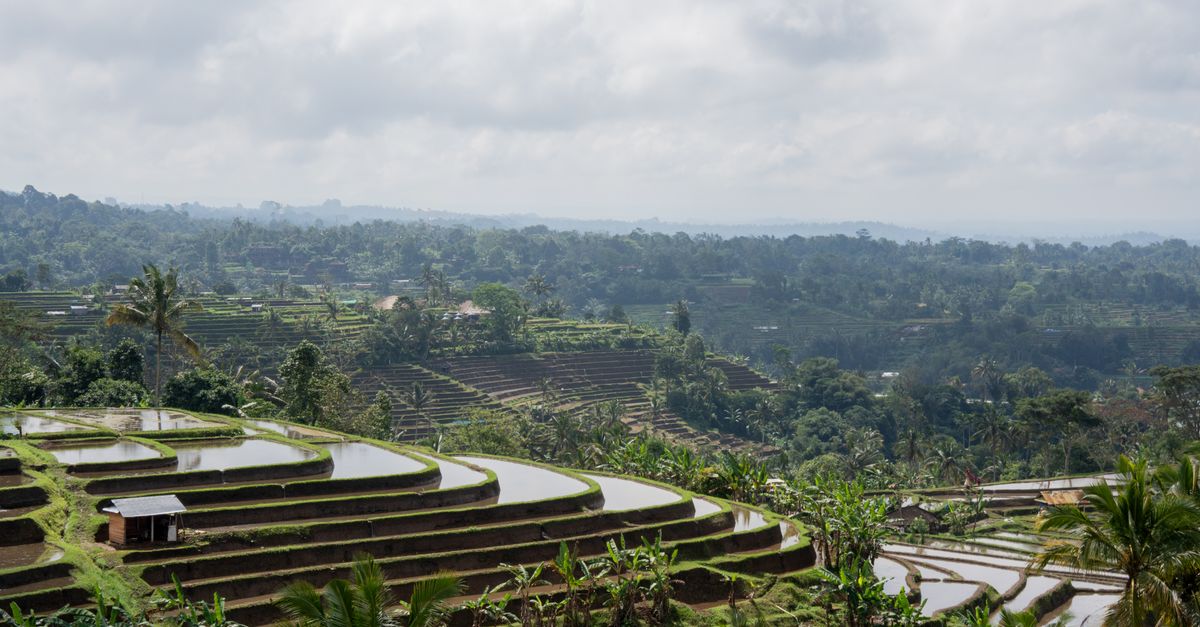
Bali has changed a lot since 2020. Canggu rents have climbed year on year and the remote worker visa costs real money. But local life is still cheap, the expat layer on top of it less so, and where you land depends on how you live.
The quick answer: three budget tiers
Budget (about IDR 17–22 million, £700–925 a month): a simple room or a shared villa, mostly local food, a rented scooter and basic insurance. Good for testing the waters.
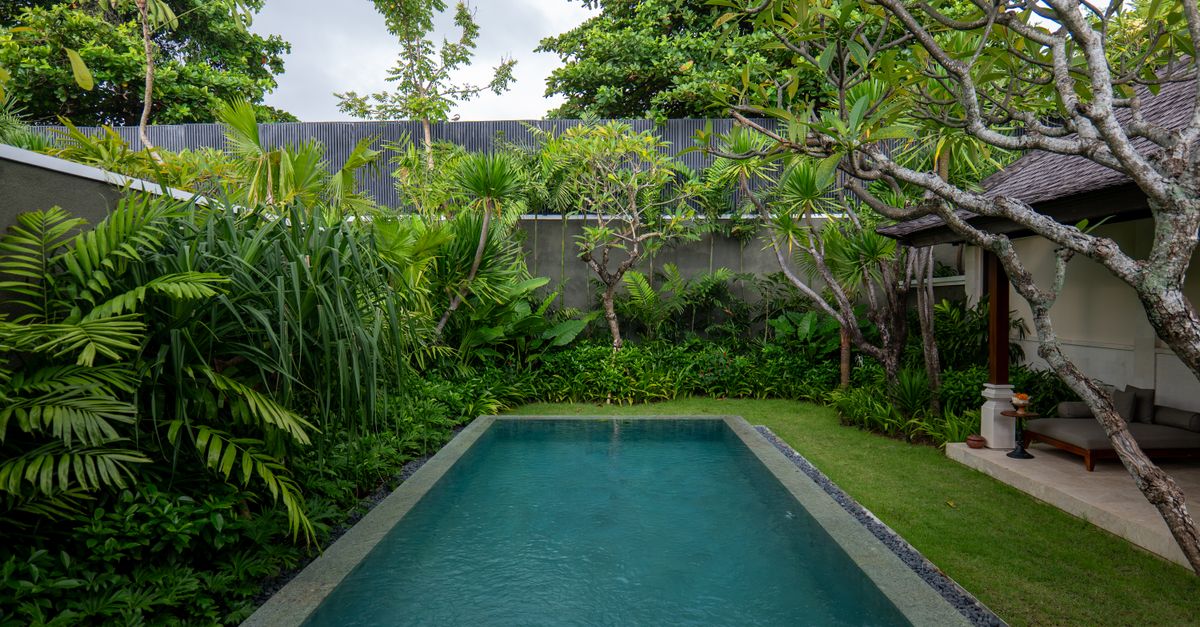
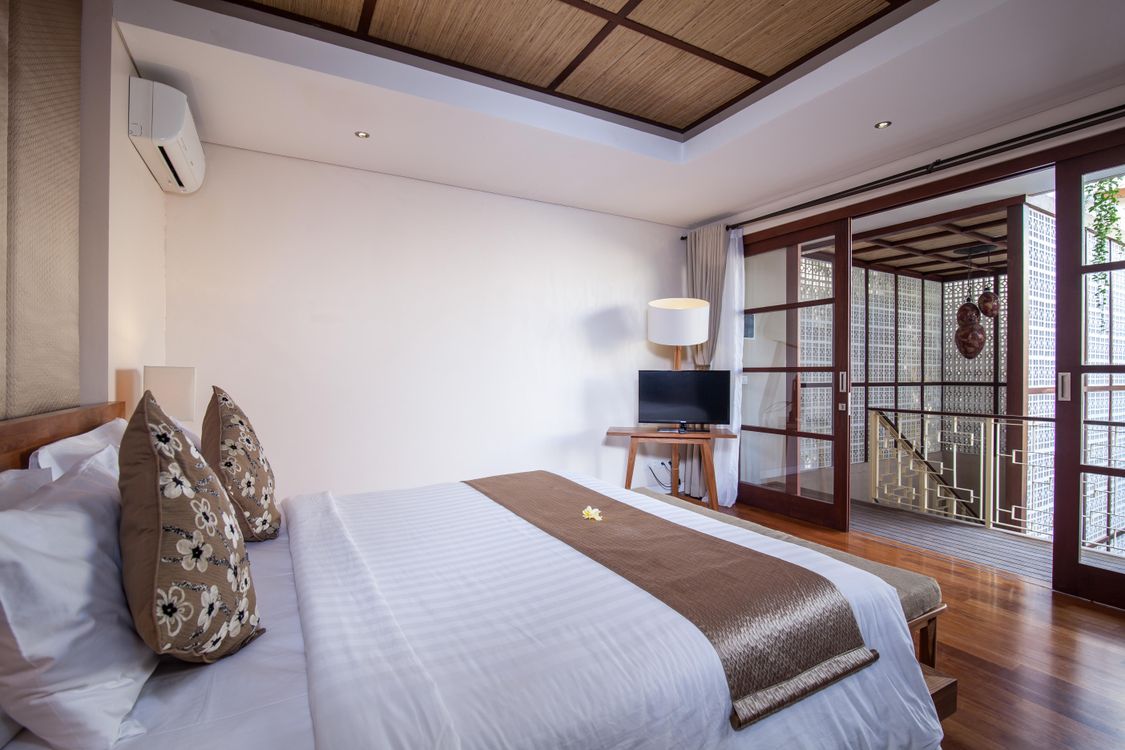
Comfortable (about IDR 25–40 million, £1,050–1,675 a month): a private one-bedroom villa with a pool, a mix of warung and café meals, a coworking membership, decent health insurance and the odd beach club. This is where most long-term expats and digital nomads I know settle.
Premium (IDR 50 million and up, £2,100+ a month): a bigger villa with staff, regular restaurant dinners, a driver, a good gym and proper international health cover. Still less than the same life in the UK.
Rent in Bali: the biggest cost and the biggest variable
Rent is the biggest line on most budgets. These are typical 2026 asking prices for a one-bedroom pool villa on a longer let.
What you’ll pay by area
Canggu is the digital nomad default. Expect IDR 12–18 million (£500–750) a month, up from IDR 10–15 million a year earlier. Short month-to-month lets cost noticeably more.
Ubud is one of the best-value areas. IDR 8–14 million (£335–585) is typical, cheaper on the outskirts (Penestanan, Keliki, the Tegalalang side), but you’re far from the coast.
Seminyak is the priciest area for renters. Private villas start at around IDR 18 million (£750).
Sanur is the quiet choice, popular with families. One-bed villas run about IDR 6–10 million (£250–420).
Uluwatu and Bingin sit between Ubud and Canggu on price, at roughly IDR 10–16 million (£420–670), with the best surf on your doorstep.
Shared co-living rooms start from around IDR 5 million (£210). People will tell you a kos (a local boarding room) is cheapest, but foreigners generally can’t stay in kos in Badung regency, which covers Canggu and Seminyak.
How to find a long-term rental
The best deals aren’t on Airbnb. Look for “disewakan” (for rent) signs, ask in local Facebook groups or use an agent. Landlords discount for longer lets, and many want several months upfront plus a deposit, so budget for that lump sum.
Food, groceries and eating out in Bali
Food is where the cost of living in Bali swings most. Eat at warungs and you’ll spend very little; eat at Western cafés daily and you’ll match London.
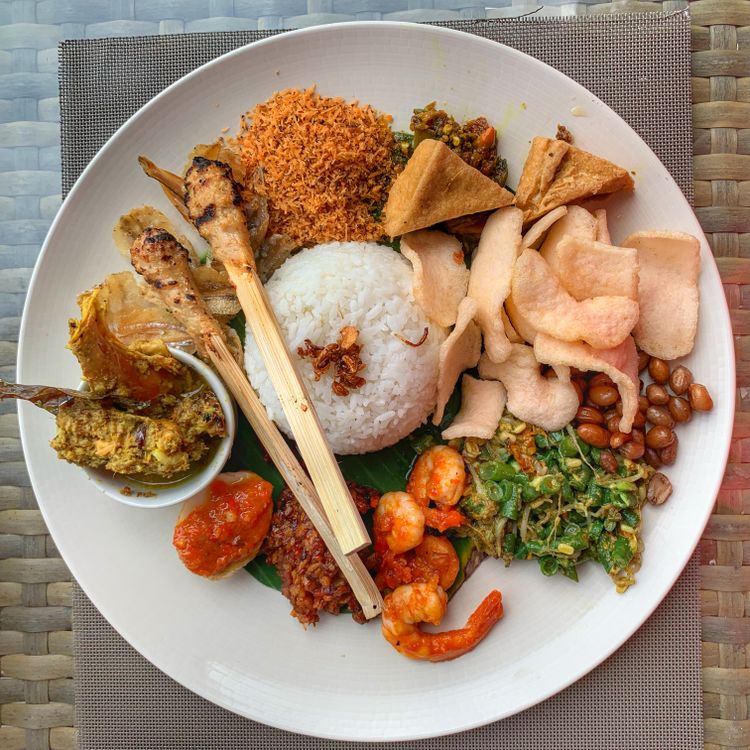
Where your money goes furthest
A plate of nasi campur at a warung costs IDR 15,000–50,000 (60p–£2). Three meals a day like that costs a few pounds.
A café meal (smoothie bowl, avocado toast, a flat white) runs about IDR 60,000–150,000 (£2.50–6.30). A mid-range restaurant is more like IDR 150,000–350,000 (£6–15) a head.
Groceries depend almost entirely on what you buy. If you shop mostly local at a traditional market, a solo budget of IDR 2–3.5 million (£85–145) a month is realistic. Fill the trolley with imported cheese, wine and oat milk at Pepito or Bintang and a single weekly shop can creep towards IDR 1.5 million (£63). Try eating at warungs three or four times a week, cooking a few nights and going out at weekends.
Transport, utilities and the boring stuff
Getting around
Almost everyone rents a scooter. A Honda Scoopy or similar costs roughly IDR 800,000–1,500,000 (£33–63) a month, with bigger bikes at the top of that range. Pertalite petrol is IDR 10,000 a litre, so filling a small scooter costs around IDR 40,000–55,000 (under £2.50).
You need your home licence with a motorbike category plus an International Driving Permit that covers motorcycles. Without it, your insurance may not pay out. Riding without a valid licence can mean a fine of up to IDR 1,000,000 (£42).
If you’d rather not ride, Grab and Gojek work well in the south. A short motorbike ride costs about IDR 15,000–25,000 (60p–£1). Canggu to Seminyak is around IDR 25,000–40,000 by bike or IDR 90,000–140,000 (£3.75–5.90) by car, more at rush hour or in heavy rain. Outside the south, ride-hailing gets patchy.
Keeping the lights on
Electricity is prepaid through PLN tokens. Most homes pay IDR 1,444.70 per kWh, and bigger connections (3,500 VA and up) pay IDR 1,699.53. A small room with a fan might use IDR 400,000–800,000 (£17–33) a month. A villa with the air con running every night can hit IDR 1.5–3 million (£63–125), and a pool pump adds more.
A SIM plus home wifi comes to about IDR 500,000–900,000 (£21–38) a month. Test the villa’s connection before you sign anything.
Visas: the hidden monthly cost nobody budgets for
The Visa on Arrival costs IDR 500,000 (£21) for 30 days, extendable once for another IDR 500,000, so 60 days in total. A rise to IDR 750,000 for the e-VoA and IDR 1,000,000 on arrival was announced in August 2026 but has no start date yet, and it hadn’t taken effect when I checked in October 2026.
For longer stays, the C1 visit visa (the one people still call the B211A) gives you 60 days and can be extended twice, for 60 days each time, up to 180 days. The visa itself costs roughly IDR 1–2 million, and each extension is about IDR 2 million (£84). Most people use an agent, whose fee goes on top.
If you work remotely for a company outside Indonesia, the E33G remote worker visa is the proper long-term option. The government fee is IDR 7 million (£290), plus an agent’s fee if you use one. You need to show income of at least USD 60,000 a year, plus a work contract and recent bank statements. It’s valid for a year and lets you come and go.
Then there’s the Bali tourism levy of IDR 150,000 (£6.30) per visit, paid through the official Love Bali site or at the airport. Leave Indonesia and come back, and you pay again. KITAS holders, which includes E33G holders, are exempt, but you still need to register for the exemption.
Working remotely: coworking and gyms
A coworking day pass usually runs IDR 150,000–300,000 (£6–12.50), and unlimited monthly access is around IDR 2–3.2 million (£85–135). B Work in Canggu has day passes from IDR 299,000 and off-peak monthly plans from IDR 2 million. Some cafés work as well: Tribal in Pererenan has no entrance fee, though expect a minimum spend if you settle in for the day.
Gyms vary just as much. A local gym can be under IDR 1 million a month, while the big Canggu names cost more: Wanderlust Fitness Village starts at IDR 2.2 million (£92) a month, and Body Factory from about IDR 2.5 million.
Health insurance in Bali
Don’t skip this one. Budget nomad policies such as SafetyWing start at about USD 56 for four weeks if you’re under 40, roughly IDR 1 million (£42). These are travel medical policies, so check what they leave out. Full international health insurance from someone like Cigna is closer to IDR 4.5–6.5 million (£190–270) a month at age 30, and more as you get older. I’d never go without.
What about families? The cost of living in Bali with kids
With kids, the budget jumps, mostly because of school fees (2026/27 unless stated).
Green School, near Ubud, charges IDR 177.8–319 million (£7,450–13,350) per child per year, plus IDR 40 million (£1,675) in one-off admission fees for a new student. Canggu Community School runs IDR 117–272 million (£4,900–11,400). Dyatmika, a school with Cambridge qualifications, was IDR 47.6–147.3 million (£2,000–6,150) in 2025/26. Budget for registration fees, uniforms, lunches and transport on top.
A family of four with two school-age children should allow somewhere around IDR 75–125 million (£3,150–5,250) a month once you add a three-bedroom villa, family food, a car, school runs and proper insurance. Next to UK private school fees and a house in Surrey, that starts to look reasonable.

So, what should you budget?
The cost of living in Bali in 2026 is higher than the TikTok dream suggests, but it’s still very good value for the life you get. A solo expat or digital nomad can live comfortably on IDR 25–40 million (£1,050–1,675) a month.
Budget honestly. Don’t ignore visa costs, don’t assume you’ll eat only at warungs, and don’t believe anyone who says Bali costs £400 a month unless they’re in a basic room and never leave it. If you’re serious about the move, plan for the comfortable tier, give yourself three months to settle and adjust from there.
Before you go: I checked these prices and rules in October 2026, but rents, visa fees and exchange rates change, sometimes with little notice. Check the latest with official sources and locally before you commit. This is general information, not professional financial, legal or immigration advice.
FAQs
How much does it cost to live in Bali per month in 2026?
A solo expat can get by on about IDR 17–22 million (£700–925) a month, live comfortably on IDR 25–40 million (£1,050–1,675), or spend IDR 50 million (£2,100) and up for a premium lifestyle.
What is the cheapest area to live in Bali?
Ubud and Sanur are the best value. A one-bedroom villa with a pool costs about IDR 8–14 million (£335–585) in Ubud and IDR 6–10 million (£250–420) in Sanur.
How much is rent in Canggu in 2026?
A one-bedroom pool villa in Canggu typically costs IDR 12–18 million (£500–750) a month on a longer let.
How much does food cost in Bali?
A warung meal is IDR 15,000–50,000 (60p–£2), a café meal IDR 60,000–150,000 (£2.50–6.30). Local groceries run about IDR 2–3.5 million (£85–145) a month.
What visa do digital nomads use in Bali?
The E33G remote worker visa is the official option. The government fee is IDR 7 million (£290), plus any agent’s fee, and you need to show at least USD 60,000 a year in income from outside Indonesia. For shorter stays, the C1 visit visa allows up to 180 days with extensions.
Do I have to pay the Bali tourist levy?
Most foreign visitors pay IDR 150,000 (£6.30) per visit, through the Love Bali site or at the airport. You pay again each time you re-enter Indonesia. KITAS holders, including E33G holders, are exempt but need to register for the exemption.
How much does a scooter rental cost in Bali?
A Honda Scoopy or similar costs about IDR 800,000–1,500,000 (£33–63) a month. Petrol is IDR 10,000 a litre. You need an International Driving Permit that covers motorcycles, plus your home motorbike licence.
How much do coworking spaces cost in Bali?
Day passes are usually IDR 150,000–300,000 (£6–12.50) and unlimited monthly memberships around IDR 2–3.2 million (£85–135).
How much do international schools cost in Bali?
For 2026/27, Green School charges IDR 177.8–319 million (£7,450–13,350) a year and Canggu Community School IDR 117–272 million (£4,900–11,400). Dyatmika was IDR 47.6–147.3 million (£2,000–6,150) in 2025/26.
What’s the cost of living in Bali for a family of four?
Allow roughly IDR 75–125 million (£3,150–5,250) a month for two adults and two school-age children. School fees are the biggest cost after rent.