Co-Living Spaces in Bali: A New Trend for Digital Nomads
Nobody posts about the third week: the one where you realise nine of your eleven conversations were with a barista. What co-living in Bali actually costs in 2026, which area suits you, and the nine things to check before you pay.

Nobody posts about the third week.
The first two are wonderful. You’ve got a villa, a scooter, a café you’ve decided is yours, and the extraordinary novelty of answering emails in a sarong. Then somewhere around day eighteen you realise you have had eleven conversations in a fortnight and nine of them were with a barista.
That gap is precisely what co-living spaces in Bali exist to fill, and it’s why they’ve gone from a curiosity to a genuine industry here. Bali (Canggu, Ubud and Seminyak especially) is now the epicentre of purpose-built co-living in Indonesia, with international operators running properties designed entirely around long-stay remote workers.
I’ve stayed in a couple, visited more, and watched a lot of people arrive at one for a fortnight and leave four months later. I’ve also watched people last nine days before renting their own place in relief. Both reactions are reasonable.
This is the honest version: what you actually get, what it costs in 2026, which areas suit which people, and the specific things to check before you hand over a month’s money, because the churn in this industry is real and last year’s recommendation is sometimes this year’s closed sign.

What Co-Living Actually Means in Bali
Strip away the branding and co-living is a private bedroom in a shared building, with the bills, the cleaning, the wifi and usually a pool folded into one monthly price, plus a programme of events designed to make you meet the other residents.
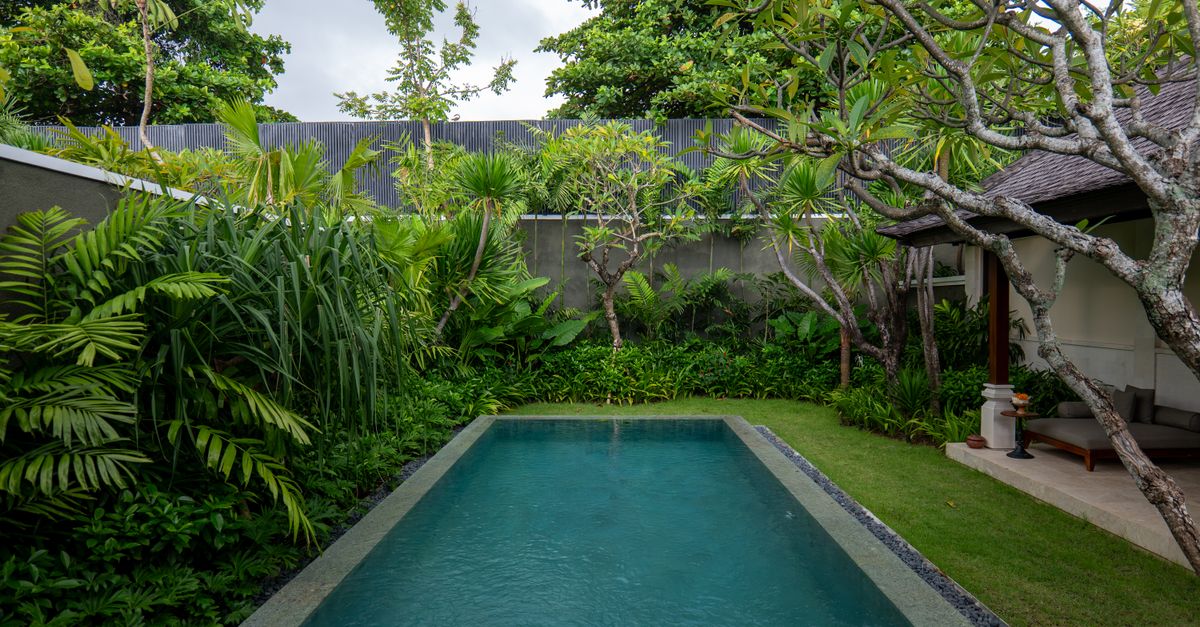
The important word there is private. This is not a hostel dorm with a rebrand. At the price points below you should expect your own room with air conditioning and, in most cases, your own bathroom.
What makes the Bali version distinctive is how tightly it’s fused with the coworking scene. The two grew up together here from around 2015 onwards, and several operators run both: accommodation and desks in the same compound, or a membership that covers both. That’s the actual product being sold: not a room, but a room plus a desk plus a ready-made social life.
The events are not incidental either. Most spaces run something weekly: surf sessions, group dinners, workshops, temple visits, trips out to Nusa Penida or up Batur. If you’ve ever tried to build a friendship group from scratch in a new country in your thirties, you’ll understand why people pay a premium for this.
The trade-off, which I’ll come back to, is that you’re paying that premium for something you could technically assemble yourself for less.
What Co-Living Spaces in Bali Cost in 2026
Here are the numbers, and they’re more consistent across sources than most Bali pricing.
The all-in monthly number
Co-living, all-inclusive: roughly USD 500 to 1,200 per month (or about EUR 400 to 1,000 depending on which market survey you read). That figure covers the room, utilities, wifi, cleaning and pool access. Ubud and Uluwatu sit at the lower end; beachside Canggu and Seminyak run higher, purely because demand is higher.
Broken down further:
- Outpost Ubud: from around USD 30 per day, or roughly USD 917 per month, with coworking included
- Outpost Canggu: around USD 60 per night
- Coworking alone (if you rent your own place): Outpost is USD 195 a month (about IDR 3,100,000) for unlimited access across Canggu, Berawa and Ubud; Tropical Nomad around IDR 2,700,000; Dojo around IDR 2,500,000; Puco Rooftop about USD 154
- Day passes: roughly IDR 200,000 to 250,000 at most spaces, IDR 240,000 at Outpost across all their locations, up to about IDR 300,000 at SETTER, and free at Tribal
- Total monthly living costs in Bali’s nomad hubs: USD 800 to 1,500 including accommodation, food, coworking and general life
Eating outside your co-living is where Bali stays cheap: budget EUR 5 to 10 a day at local warungs and you’ll eat well.
Worth doing the arithmetic before you commit: at most coworking spaces, an unlimited month costs about the same as thirteen day passes. If you’ll be at a desk more than twelve or thirteen days a month, the membership pays for itself. Fewer than that, and day passes plus your own room is the cheaper route. I’ve broken the desk prices down in more detail in my Bali coworking prices comparison.
Canggu, Ubud or Uluwatu: Choosing Your Base
This decision matters more than which building you pick.
Canggu is the loud one. It has the densest concentration of remote workers anywhere in Southeast Asia, the best social infrastructure, the surf, and the startup energy. It also has traffic that will genuinely upset you, and a scene that can tip into feeling like a very hot, very sandy conference you can’t leave. If you want to know twenty people by Friday, come here.
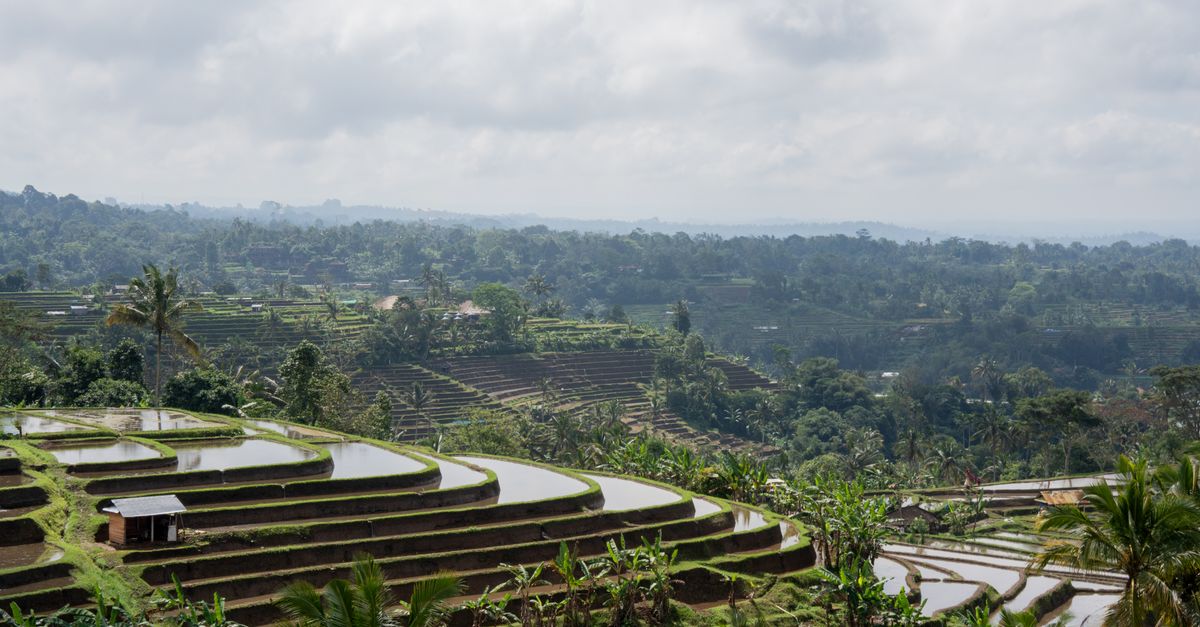
Ubud is inland, higher, cooler and slower. Jungle and rice terraces rather than beach. The culture is creative and contemplative: yoga, healing centres, organic food, a walking pace to the day. Internet speeds tend to run a little lower than Canggu but are perfectly fine for calls and normal remote work. It suits deep work and people who find Canggu overstimulating. The social scene is quieter, which is either the point or the problem depending on you.
Uluwatu is the newest of the three as a nomad base, and it’s smaller. Clifftops, surf, and considerably less noise. The coworking infrastructure is newer and thinner on the ground, so it works if you’re self-disciplined and don’t need a large community around you.
There’s no right answer, and a fair number of people split their time, which is exactly why a membership covering multiple locations is worth more than it looks on paper.

The Operators Worth Knowing
Outpost is the most established name, running both co-living and coworking, with a track record going back years and a crowd that skews towards people with actual jobs rather than gap-year energy. In Ubud they have two properties: Penestanan, the original site where the accommodation and coworking sit under one roof, and the newer Nyuh Kuning. All their Bali locations run 24/7.
One current caveat that matters: recent reports indicate the Outpost Canggu co-living no longer has coworking on site, with the nearest Outpost desks roughly ten minutes away by scooter. If working where you sleep is the whole reason you’re booking, confirm that directly before you pay.
Tribal Bali sits in Pererenan, about five minutes on a scooter from Batu Bolong, doing coworking and co-living together. Its day access is free (wifi, pool and food, no membership required), which makes it an easy place to go and get a feel for whether any of this suits you.
Tropical Nomad offers rice-field views, 24/7 access and weekly member events: barbecues, workshops, film nights. Sun & Co and Outsite both operate in the international co-living format here, and Livit Hub over in Sanur rounds out the list.
On the coworking side, Hubud in Ubud was one of the island’s first, with the bamboo architecture and a devoted following, and BWork in Canggu is a solid multi-storey option with proper video-call rooms, which matters more than people expect until they’ve tried taking a client call in an open-plan space next to a blender.
A word on Dojo Bali near Echo Beach, the famous Canggu name since 2015: its status has been reported inconsistently through 2026, with its own channels showing it open while other sources have flagged closure. Check it’s currently trading before you build a plan around it. Honestly, do that with any single venue here.
Nine Things to Check Before You Book
Ask these before the deposit leaves your account:
- Is there coworking on site, or nearby? Don’t assume. It has changed at more than one property.
- What is the actual internet speed, and is there a backup line? Good spaces advertise 100 to 300 Mbps with redundancy. Ask for a recent speed test.
- Private bathroom or shared? At the upper end of the price range you should have your own.
- What’s included? Utilities, cleaning, laundry and pool should be. Confirm which aren’t.
- What’s the minimum stay, and the cancellation policy?
- Are there call booths? Open-plan is lovely until you have four meetings.
- What events run, and how often? This is what you’re paying extra for.
- What’s the age and profile of the residents? Wildly variable between properties.
- Can you book one week first? The best test is a trial, not a review.
And one timing note: rainy season runs November to March, and it’s wetter than people expect. A co-living with decent indoor communal space is worth considerably more in February than it is in July.
Who Co-Living Suits, and Who It Really Doesn’t
It suits you if you’re arriving alone, if you’re here for one to three months, if you’ve never lived in Bali before, or if you know from experience that you go strange without people around. It’s the fastest route from landing to having a life, and I’d recommend it to almost any first-timer for at least the first month.
It doesn’t suit everyone. If you need silence to work, communal living is a daily negotiation. If you’re staying six months or more, you’ll almost certainly save money renting your own place with a separate coworking membership: the numbers stop favouring co-living somewhere around the three-month mark. If you’re travelling with a partner, the per-person pricing rarely works in your favour. And if you’re someone who finds enforced sociability draining, paying a premium for it is an odd choice.
The other thing worth naming: the friendships are real but they’re transient by design. People leave constantly. Some find that liberating and some find it quietly exhausting by month four. Neither reaction is wrong, just know which one you are.
Wrapping Up
Co-living in Bali is a genuinely good product for a specific problem: arriving somewhere new, alone, and needing both a desk and a social life by the end of the week. At USD 500 to 1,200 all-in it isn’t the cheapest way to live here, and it isn’t meant to be. You’re buying the shortcut.
What I’d actually do: book one, for one month, in whichever of Canggu or Ubud matches your tolerance for noise. Use it to meet people and to learn the island. Then decide, with a scooter, some local knowledge and a WhatsApp group full of people to ask, whether to stay or to go and find your own place.
That’s the sequence that seems to work for almost everyone I know here.
If you’re weighing this up, my guide to Bali’s coworking and co-living spaces goes deeper on how each one feels to work in. And if you’ve stayed somewhere brilliant (or somewhere that was nothing like the photos) reply and tell me. Those are the most useful messages I get.
FAQs
How much does co-living cost in Bali?
All-inclusive co-living in Bali generally runs USD 500 to 1,200 per month (roughly EUR 400 to 1,000), covering your private room, utilities, wifi, cleaning and pool access. Ubud and Uluwatu sit at the cheaper end; Canggu and Seminyak are more expensive because demand is higher.
What is the difference between co-living and coworking in Bali?
Co-living is accommodation with shared communal areas and organised events; coworking is a paid workspace you travel to. In Bali the two overlap heavily, and several operators run both: sometimes in the same compound, sometimes as a bundled membership. Always confirm whether your co-living has desks on site.
Is co-living cheaper than renting a villa in Bali?
Not usually, beyond about three months. Co-living includes utilities, cleaning and community, which carries a premium. For stays of six months or longer, renting your own place with a separate coworking membership almost always works out cheaper, but you take on the admin and the social life yourself.
What is the best area in Bali for digital nomads?
Canggu has the largest community, the best social infrastructure and the worst traffic. Ubud is cooler, quieter and better for focused work, with slightly slower internet. Uluwatu suits self-directed people who want clifftop calm and don’t need a big community. Many nomads split time between two of them.
Which are the main co-living operators in Bali?
Outpost is the most established, with two Ubud properties at Penestanan and Nyuh Kuning plus a Canggu site. Tribal Bali in Pererenan combines co-living and coworking with free day access. Tropical Nomad, Sun & Co, Outsite and Livit Hub in Sanur are the other names worth knowing.
How much is a coworking day pass in Bali?
Most spaces charge IDR 200,000 to 250,000 for a day. Outpost’s day pass is IDR 240,000 and works across Canggu, Berawa and Ubud; SETTER is around IDR 300,000; Tribal in Canggu is free. Monthly unlimited access typically costs about the same as thirteen day passes.
What internet speed do co-living spaces in Bali offer?
Established co-living spaces generally advertise 100 to 300 Mbps fibre, often with a backup line. Always ask for a recent speed test rather than trusting the listing, and ask specifically whether there’s a second connection for when the primary line goes down.
Do I need a visa to work remotely from Bali?
Indonesia offers a remote worker visa, the E33G, reported at around USD 600 for one year with a foreign income requirement of roughly USD 60,000 a year. Visa rules and pricing here change frequently, so verify current requirements with a reputable licensed agent before you rely on any figure.
What is included in a Bali co-living package?
Typically a private air-conditioned room, utilities, fibre wifi, weekly cleaning, pool access and a programme of community events. Coworking is sometimes bundled and sometimes not. Food is usually extra, though eating locally costs only about EUR 5 to 10 a day.
Is co-living in Bali good for introverts?
It can be, but choose carefully. Look for a property with quiet zones, a private bathroom and a lighter events calendar rather than a party-oriented space. If you need silence to work, consider renting your own room and buying day passes so the social side stays optional rather than constant.