
The Ultimate Guide to Yoga Studios in Canggu
The best yoga studios in Canggu compared: prices from IDR 130,000, styles from Hatha to sound healing, and honest picks from years of practising in Bali.
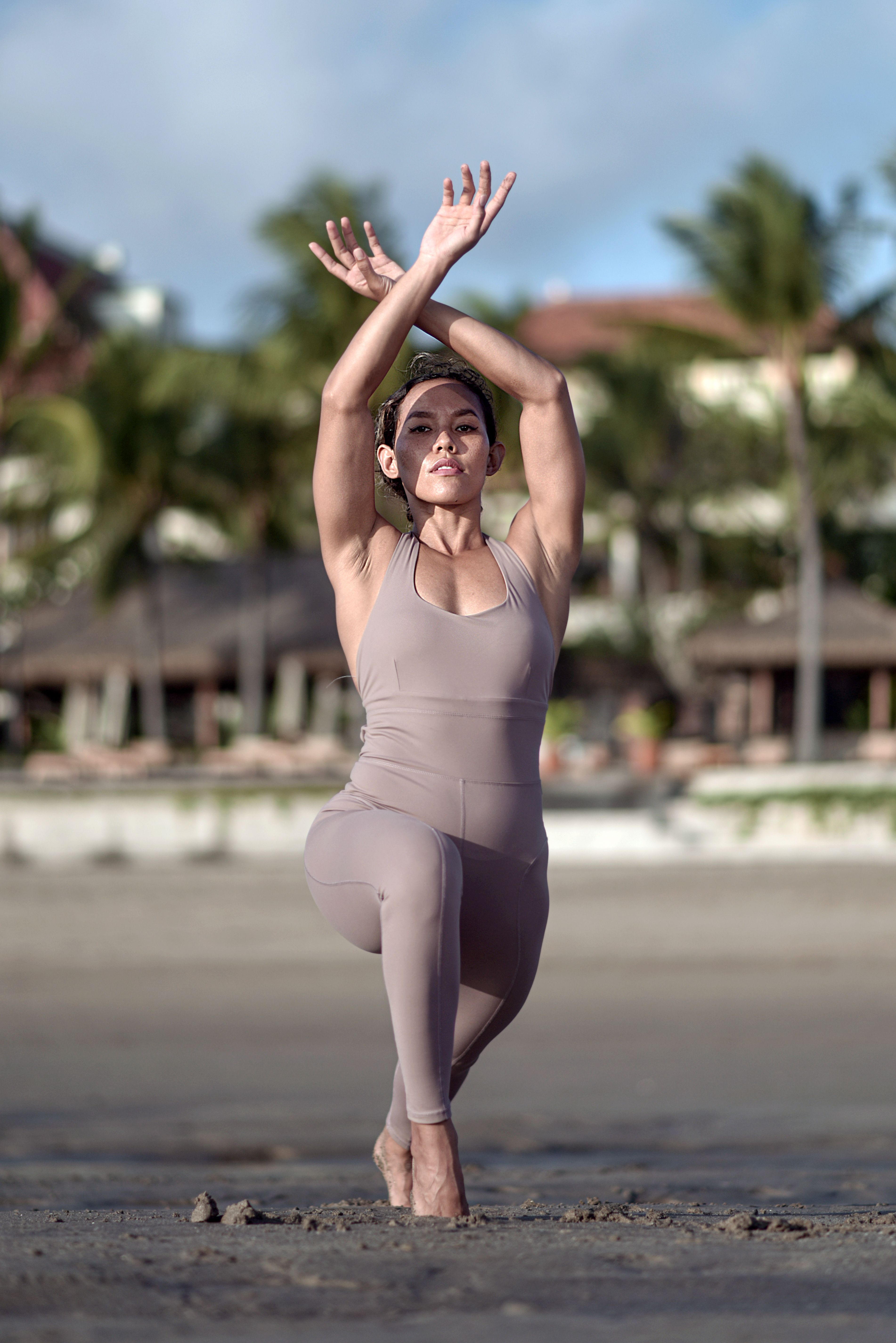
I turned up to my first yoga class in Canggu still sandy from the beach, wearing denim shorts, with absolutely no idea what a Mysore practice was. The teacher, a softly spoken Balinese man who radiated more calm than I’d felt in three years of London commuting, didn’t bat an eyelid. He handed me a mat, pointed me to the back row, and that was that. If you’re looking for the best yoga studios in Canggu, you’re not short of options. But the sheer number of shalas, studios, and open-air bamboo platforms crammed into this little surf town can make choosing one genuinely overwhelming. I’ve been rolling out my mat here on and off for years now, so here’s everything I wish someone had told me before that first sweaty, bewildered class.
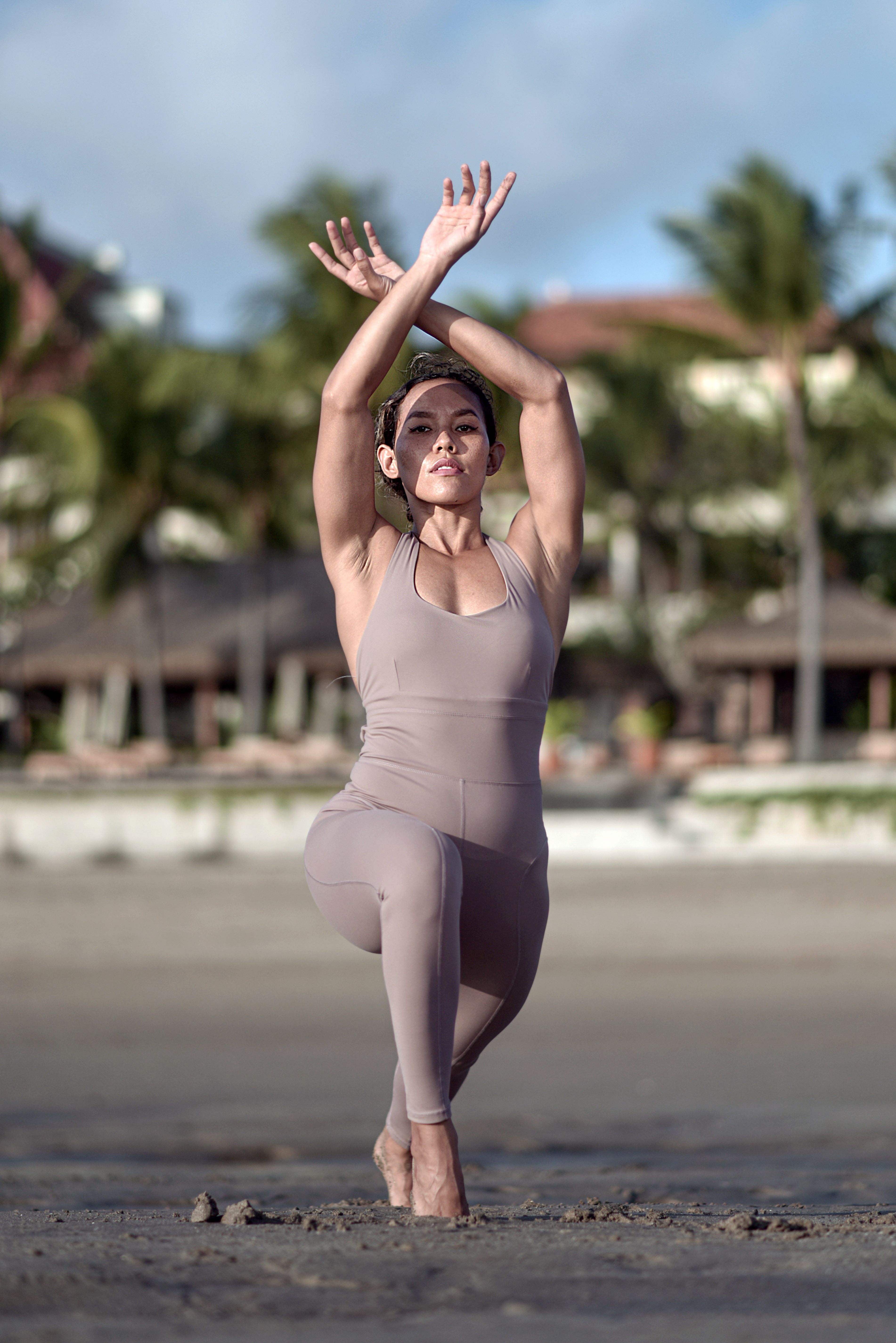
Why Canggu Became Bali’s Yoga Capital
Ubud used to be the undisputed yoga heartland, and it’s still magnificent for that. But Canggu pulled off something clever over the past decade. It took Bali’s spiritual wellness tradition and mixed it with a younger, surf-and-laptop crowd. The yoga scene here doesn’t feel like a retreat you’ve booked into. It’s just part of the day. You roll from a 7 a.m. vinyasa flow to a flat white at the café next door to three hours of deep work at a coworking space, and nobody finds that rhythm remotely unusual.
The practical side matters too. Drop-in classes here typically run between IDR 130,000 and IDR 250,000 (roughly £6.50–£12.50), which is a fraction of what you’d pay in London or Sydney. Most studios don’t require bookings. You just show up, pay at the desk, and practise. That ease is exactly why Canggu’s yoga culture sticks: it doesn’t demand commitment from people whose lives are already in flux.
The Best Yoga Studios in Canggu: Compared
Here’s a straight comparison of the studios I’ve personally visited. I’ve included style, typical drop-in prices, and what makes each one distinctive, so you can narrow the field before you even unpack.
| Studio | Main Style | Drop-In Price (IDR) | Vibe | Best For |
|---|---|---|---|---|
| The Practice | Traditional Hatha | ~150,000 | Quiet, disciplined, no music | Focused practitioners who want classical yoga |
| Samadi Bali | Ashtanga, Mysore, Yin | 135,000–155,000 | Calm, holistic, café on-site | Ashtanga devotees and anyone craving a vegan brunch after class |
| Joga Yoga | Hatha, Vinyasa, Yin, Meditation | 140,000–150,000 | Warm, inclusive, monk-led meditation | Beginners and those wanting teacher-training-level instruction |
| Adda Yoga | 13+ styles incl. sound healing | Varies | Stunning bamboo architecture, open-air | Variety seekers who want breathwork, sound baths, and flow in one spot |
| Pranava Yoga | Hatha, Vinyasa, Anti-Gravity | Varies | Rural rice-paddy setting, all Balinese teachers | Anyone wanting an authentic Balinese teaching experience |
| Radiantly Alive | Vinyasa, Flow, Yin, Myofascial | Varies | Open shala with sunset views | Vinyasa lovers who want a gorgeous setting |
| Canggu Yoga Centre | Bikram, Hot Yoga, HIIT, Hot TRX | Varies | Modern four-storey building, air-conditioned | Hot yoga enthusiasts and Pilates fans |
| Serenity Eco Guesthouse | Mixed styles | Varies | Family-run, near Nelayan Beach, accommodation | Solo travellers wanting yoga and a place to stay in one |
Let me walk you through the standouts.
The Practice sits on Jalan Pantai Batu Bolong and runs entirely on traditional Hatha principles. No chatting, no phone checking, no turning up fifteen minutes late: they won’t let you in once class begins. It sounds strict. It is. But there’s something grounding about a space that takes the practice that seriously. The bamboo shala is beautiful, and at around IDR 150,000 per drop-in, you’re getting a lot for that price.
Samadi Bali, tucked slightly inland near Padang Linjong, is where I always seem to end up. The Mysore-style Ashtanga classes let you work at your own pace with a teacher adjusting and guiding you individually, which, if you’ve only ever done led classes, is a revelation. Drop-ins start at IDR 135,000. And honestly? The vegan café downstairs serves the best raw cacao smoothie bowl I’ve found in Canggu, which doesn’t hurt.
Joga Yoga on Batu Bolong has quietly become one of the most respected studios in the area. The thing is the teaching: the instructors here train teachers, so even a casual drop-in class (IDR 140,000–150,000) has a precision to it that you notice immediately. They also run daily meditation sessions led by a monk, which I haven’t found anywhere else in Canggu.
Adda Yoga on Jalan Kayu Manis is worth visiting for the building alone: all bamboo, open air, the kind of space that makes you want to take a photo before you’ve even unrolled your mat. They offer everything from breathwork to sound healing to classic vinyasa, thirteen different class types at last count. Open daily from 7 a.m. to 10 p.m., with a 4.9-star rating from over a thousand reviews.
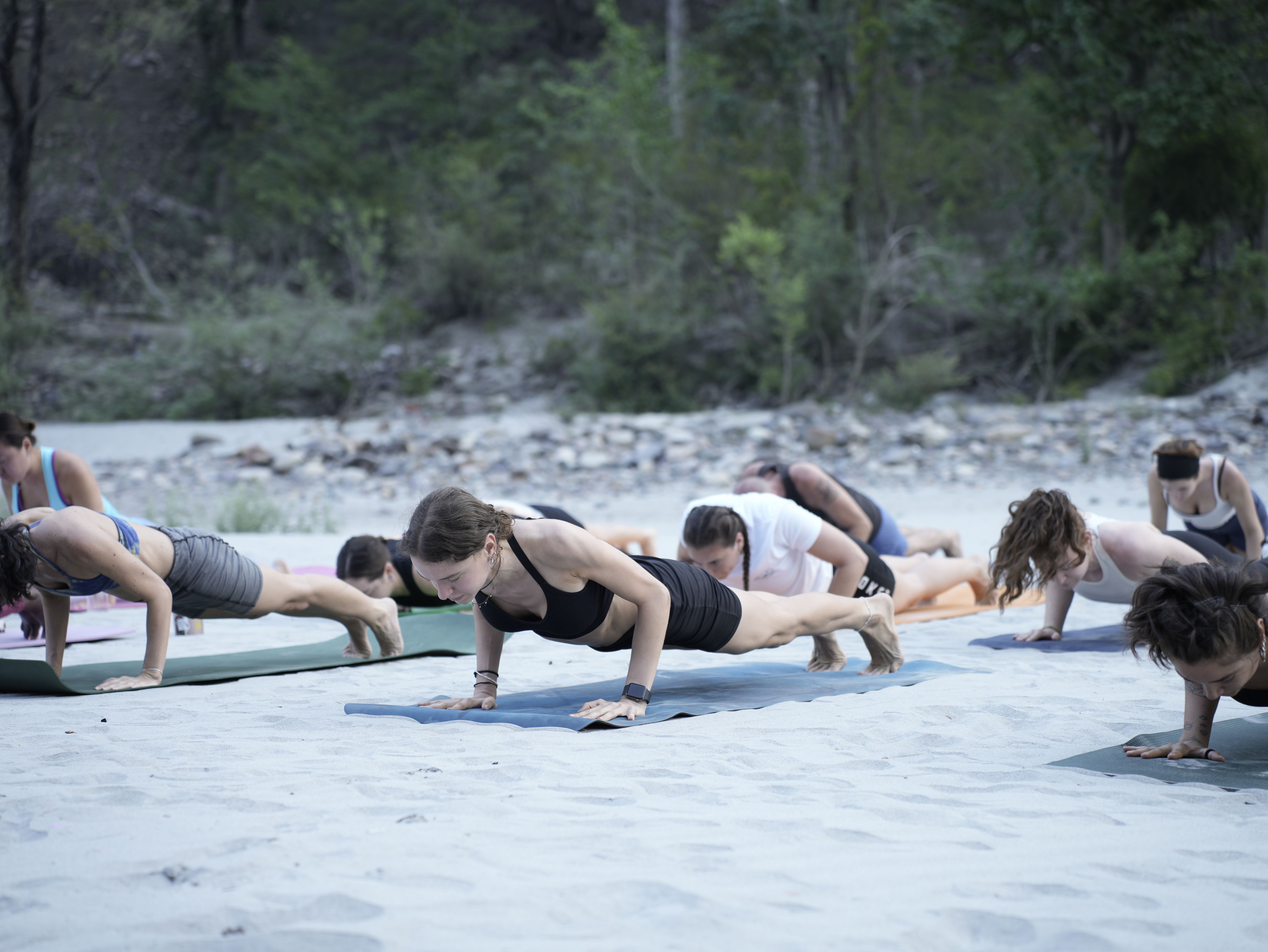
What to Know Before Your First Drop-In Yoga Class in Canggu
A few things I learnt the hard way so you don’t have to.
Bring your own water bottle: studios provide mats but not always drinking water, and Canggu heat means you’ll need it. Wear lightweight, stretchy clothes. Cotton gets drenched in about ten minutes. Most people practise barefoot, so leave the trainers at the door.
Arrive ten to fifteen minutes early for your first visit. You’ll need to fill out a quick waiver at most studios and sort out payment (cash is still king at smaller shalas, though the larger studios now take card). Don’t be that person who wanders in mid-savasana.
One thing that surprised me: Canggu yoga schedules shift more than you’d expect. Classes get added and dropped, teachers rotate, and seasonal changes mean the timetable in August won’t match December. Check the studio’s Instagram or website the morning of, rather than relying on something you bookmarked weeks ago.
And if you’re brand new to yoga? Nobody cares. Genuinely. I’ve watched complete beginners set up next to people who’ve been practising for twenty years, and the culture in Canggu is refreshingly non-judgemental about it.
How to Choose the Right Yoga Studio in Canggu for You
This depends entirely on what you’re after, and I’d encourage you to try at least three studios before settling.
Want discipline and structure? The Practice or Samadi’s Ashtanga programme will give you that. These are spaces where the yoga is the point: minimal decoration, minimal distraction.
Variety is more your thing? Adda Yoga or Canggu Yoga Centre will keep you busy for weeks. Hot yoga one morning, anti-gravity the next, sound bath in the evening. You can try a different practice every day without leaving the same postcode.
Complete beginners who feel a bit nervous should head straight for Joga Yoga. The inclusive atmosphere and teacher-training-level instruction make it a comfortable first step. The teachers here enjoy working with newcomers; you can tell.
For something that feels authentically Balinese rather than transplanted-from-Byron-Bay, seek out Pranava Yoga. It’s set among rice paddies, every instructor is Balinese, and the classes carry a local sensibility that the beachfront studios don’t always capture.
And sometimes the setting just matters. Radiantly Alive’s open shala has sunset views that turn your closing meditation into something you’ll remember for a long time. No shame in choosing a studio partly for the scenery.
Beyond the Mat: Canggu’s Yoga Community and Lifestyle
What surprised me most about yoga in Canggu wasn’t the studios: it was what happens around them. You finish a morning class and the person on the mat next to you invites you to a cacao ceremony that evening. Someone at the studio café mentions a breathwork circle happening on the beach at full moon. A notice board advertises a weekend retreat in the rice fields that costs less than a single class in central London.
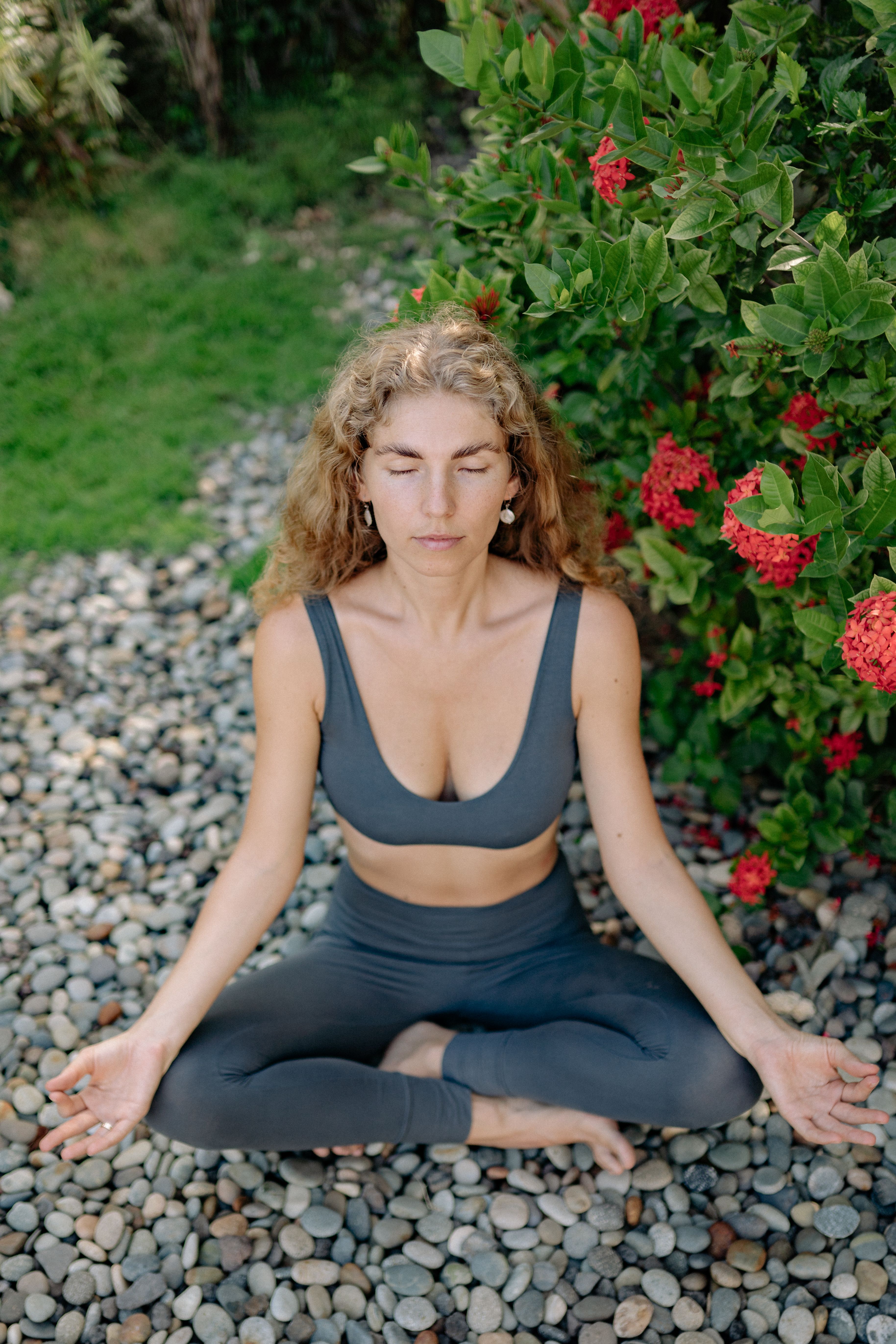
The yoga community here isn’t something you have to seek out: it finds you. Canggu’s cafés, coworking spaces, and Sunday markets all overlap with the wellness crowd. You bump into the same faces. Teacher training programmes run year-round at places like Joga Yoga and Samadi, and people fly in from all over the world and stay for months. Those longer-term residents give the community a depth that a purely tourist-driven scene would never have.
If you’re a digital nomad or remote worker, this is especially appealing. A 7 a.m. class becomes the anchor of your day. The studio café becomes your morning office. The friends you make on the mat become your social circle. Canggu does that rhythm better than almost anywhere else I’ve found.
The Honest Edit: My Favourite Yoga Studios in Canggu
If you’re pressing me for a shortlist, here’s where I’d send you.
I keep going back to Samadi Bali for a daily practice. The Mysore Ashtanga programme changed how I think about yoga entirely: it’s personal, it’s progressive, and the café afterwards is a treat.
The best single drop-in class I’ve taken in Canggu is at Joga Yoga. The teaching is consistently excellent, the monk-led meditation is unlike anything else in town, and at IDR 140,000–150,000 it’s easy to make it a regular habit.
Adda Yoga wins on atmosphere. The bamboo shala, the range of classes, the evening sound healings: I go for the yoga and stay because the whole space does something to your mood.
And The Practice is where I send anyone who wants no-nonsense classical yoga. Go deep, skip the distractions.
Canggu’s yoga scene isn’t perfect: some studios are more Instagram backdrop than real practice space, and the rapid growth means quality varies. But the best studios here have teaching that holds its own anywhere in the world, in settings that London studios can only dream about, at prices that let you practise every single day. If you’ve been wanting to make yoga a daily habit, Canggu might be the place where it finally sticks.
I’d love to hear about your experience: drop me a reply or find me on Instagram @destinedforBali. And if you’re planning your first trip, have a read of my cost of living breakdown so you know exactly what to budget.
FAQs
How much does a drop-in yoga class cost in Canggu?
Most studios charge between IDR 130,000 and IDR 250,000 per session (roughly £6.50–£12.50). Samadi Bali starts at IDR 135,000 and Joga Yoga at IDR 140,000–150,000. Multi-class packages usually bring the per-session cost down further.
Do I need to book yoga classes in Canggu in advance?
Generally no. Most Canggu yoga studios are drop-in: you turn up, pay at the desk, and join in. During peak season (July–August) popular morning slots can fill up, so arriving 15 minutes early is wise.
What style of yoga is most popular in Canggu?
Vinyasa flow is the most common style, followed by Hatha and Yin. Canggu also has strong Ashtanga and Mysore programmes at studios like Samadi Bali, plus hot yoga, breathwork, and sound healing.
What should I wear to a yoga class in Canggu?
Lightweight, stretchy activewear that dries quickly. Canggu is hot and humid, so avoid heavy cotton. Most people practise barefoot. Bring a water bottle and a small towel: not all studios supply them.
Which is the best yoga studio in Canggu for beginners?
Joga Yoga on Batu Bolong is excellent for beginners. The teachers train other teachers, so even a beginner-level class has really good instruction. It’s a comfortable, non-judgemental space, and classes start at IDR 140,000.
Are Canggu yoga studios suitable for men?
Yes. Some studios skew female, but places like The Practice, Samadi Bali, and Joga Yoga have mixed classes with a good balance. Nobody’s going to look twice.
Can I do yoga teacher training in Canggu?
Yes: several studios offer 200-hour and 300-hour yoga teacher training programmes certified by Yoga Alliance. Joga Yoga and Samadi Bali both run respected programmes, and people fly in from all over the world to do them.
What time do yoga classes start in Canggu?
Early morning classes typically start at 7 a.m. or 7:30 a.m. Most studios run classes throughout the day until early evening. Adda Yoga stays open until 10 p.m. for evening sessions. Schedules shift seasonally, so check the studio’s social media on the day.
Is Canggu or Ubud better for yoga?
Both are excellent but different. Ubud is quieter, more spiritual, set among rice terraces and forests: it’s the one for retreats and deep immersion. Canggu is livelier, closer to the beach, and mixes yoga into the surf-and-laptop lifestyle. For daily practice woven around work and waves, Canggu. For a dedicated wellness escape, Ubud.
Do Canggu yoga studios accept credit cards?
Larger studios like Canggu Yoga Centre and Adda Yoga accept card payments. Smaller shalas and family-run studios often prefer cash (Indonesian Rupiah). It’s worth carrying some cash just in case, especially for your first visit.


