Bali's Best Waterfalls: A Complete Guide to Sekumpul, Nungnung, Gitgit and Beyond
The best waterfalls in Bali, from easy Ubud stops to the epic Sekumpul trek: with verified 2026 entry fees, difficulty and how to visit each one.
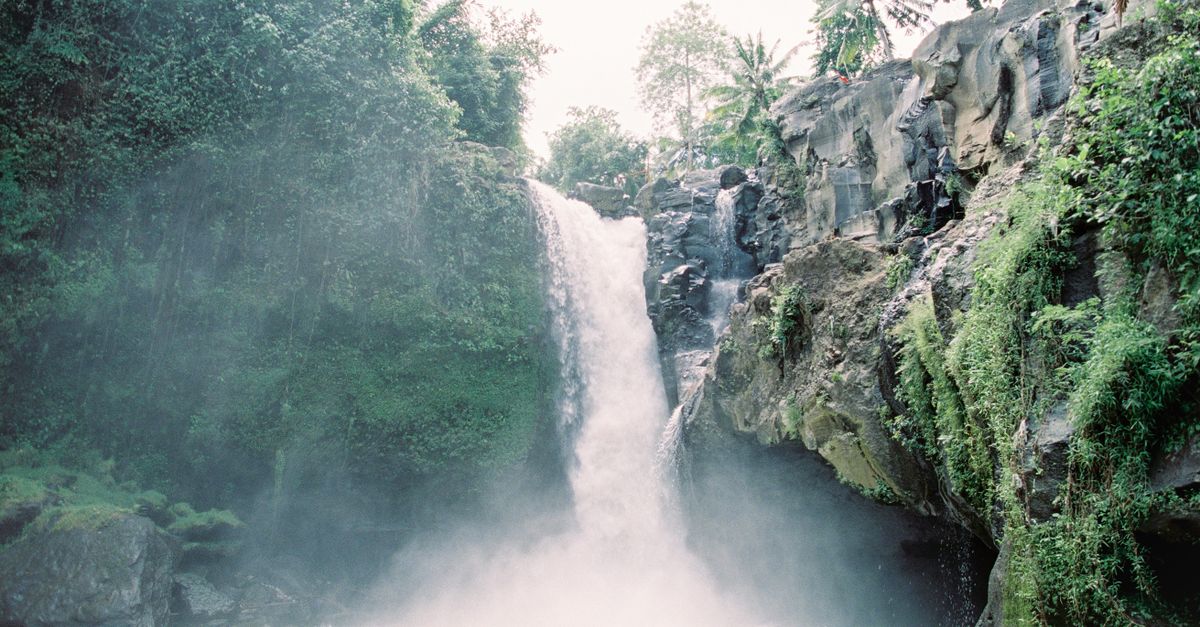
There’s a particular kind of quiet that only exists at the bottom of a Bali waterfall. Not silence (the water sees to that) but a hush underneath the noise, where the phone signal drops, the heat lifts, and you remember you’re standing in a jungle on a volcanic island rather than scrolling one on a screen.
The first waterfall I ever visited here was Tegenungan, four days into a trip and still slightly dazed by the pace of everything. A friend from my villa said, simply, “Come. You need to see this.” Twenty minutes from Ubud, down a steep path, and there it was: a curtain of white water crashing into a green pool, completely at odds with the laptop I’d been hunched over all week.
I’ve been back to the island many times since, and the best waterfalls in Bali still do that to me. They’re scattered from the Ubud highlands to the northern coast, and they range from a ten-minute stroll to a proper jungle trek. This guide covers the ones genuinely worth your time, with honest, practical detail: entry fees, difficulty, how long to allow, and what to bring. Because the last thing you want is to travel two hours and discover you’re in the wrong shoes.
Why Bali’s Waterfalls Deserve More Than a TikTok Stop
Bali has somewhere in the region of forty named waterfalls, and most visitors see one or two. Explore properly, though, and you find each one has a completely different character. Tegenungan is theatrical and easy. Nungnung is powerful and remote. Sekumpul is magnificent and asks something of you. Gitgit is gentle and accessible in a way that makes it lovely for families, or for days when you simply want natural beauty without the effort.
Season shapes all of it. The rainy season, roughly November to March, tends to deliver the most dramatic flows (fuller, louder, more spectacular), but the paths turn slippery and some pools become less safe for swimming. The dry season, April to October, brings calmer, more predictable conditions, though the smaller falls can thin out noticeably by September.
One truth holds across every single one of them: go early. Most of these places are genuinely peaceful before 9 am and genuinely busy from ten onwards. The morning light is better, the paths quieter, and you get the experience the way it’s meant to be had, rather than queuing for a photo. If you want the properly off the beaten track Bali waterfalls feeling, early on a weekday is the whole secret.
Tegenungan and Kanto Lampo: The Easy Wins Close to Ubud
If you’re based in Ubud and want a waterfall without surrendering a whole day, these are your answer.
Tegenungan sits about 12 kilometres south of Ubud centre, roughly 30 minutes by scooter. The path down from the car park is steep but well-paved, and the fall itself drops around 15–20 metres into a wide pool that’s ideal for a swim when levels are right. Entry is about Rp 20,000–25,000, with a small parking charge on top. It’s popular (no pretending otherwise), but before 9 am it’s genuinely calm, and the mist carries a long way through beautiful vegetation.
Kanto Lampo is smaller and photogenic in a very specific way: the water fans over a wide, naturally stepped rock face that produces those layered, almost architectural photographs. It’s about 20 minutes from Ubud and entry is around Rp 25,000. It isn’t a swimming waterfall, since the rock is smooth and the current unpredictable, but as a visual and almost meditative stop, it’s remarkable, especially in the early mist.
Tibumana is a third near-Ubud option that keeps gaining traction. Smaller, tucked into a jungle gorge, it feels secret in a way the others don’t; entry is around Rp 25,000 and the pool is swimmable. If you rent a scooter for the morning (an easy hire for the day), you can comfortably fold Kanto Lampo and Tibumana into a single relaxed loop. Prefer not to drive? An Ubud private day tour will usually string these together with a driver who knows the back roads.
Sekumpul: The Best Waterfall in Bali (And Why the Trek Is Worth It)
If someone asks me to name the single most spectacular thing I’ve seen in Bali, Sekumpul is in the conversation.
Tucked into the northern highlands near Singaraja, Sekumpul is a cluster of waterfalls: a huddle of around seven cascades, with the tallest reaching roughly 80 metres, tumbling through dense jungle into misty pools below. The effect is otherworldly, and honestly there’s nothing in the south of the island that compares.
The catch is that it’s a proper commitment, and this is where my Sekumpul waterfall guide differs from the old advice you’ll still see online. As of 2026, hiring a local village guide is mandatory. You can no longer wander down alone. Expect a Sekumpul waterfall entrance fee of about Rp 20,000 for a view-only visit, rising to roughly Rp 150,000 for the medium trek and around Rp 250,000 for the long trek (both include the guide and insurance, and the longer option adds the hidden and Fiji falls). Always pay at the official counter by the “Welcome to Sekumpul” sign, and ignore anyone collecting money before it.
On Sekumpul trek difficulty: the drive from Ubud is 2.5 to 3 hours, then you descend a few hundred steps (around 324) plus river crossings and natural paths. It’s demanding, the climb back up more so. Wear shoes with grip, leave valuables in the car, and allow three to four hours. The far simplest way to reach it is a private car and driver for the day: the North Bali roads are long, and a driver waiting at the top is worth every rupiah. I’d pair it with Gitgit to make one genuinely spectacular day.
Nungnung: 500 Steps Down for One of the Most Powerful Falls on the Island
Nungnung doesn’t get the attention it deserves, possibly because it asks something of you that not everyone’s prepared to give.
The waterfall plunges roughly 50 metres into a narrow gorge ringed with thick rainforest, and this is where the waterfall hike Bali reputation is earned. To reach it you go down about 500 concrete steps: perhaps 15 minutes on the way down and closer to 30 back up, feeling longer in the humidity. The steps are steep, slick in places, and narrow in sections. But the reward is a fall that’s raw and thunderous in a way that feels genuinely untamed, with a dramatic pool at its base.
Entry is modest, around Rp 15,000–20,000 per person, and Nungnung sits roughly 35 kilometres from Ubud, about 90 minutes by road depending on traffic. Go on a weekday and you may well have it mostly to yourself. Those Nungnung waterfall steps are the whole reason it stays quiet.
This is not a fall for flip-flops, for dodgy knees, or for anyone in a hurry. But if you’re reasonably fit and want to feel genuinely remote and a little humbled by nature on a Bali trip, this is the one I’d send you to.
Gitgit and the North: Accessible, Quieter, and Genuinely Beautiful
Gitgit is what happens when a waterfall manages to be genuinely beautiful and genuinely accessible without compromising on either. In the highlands south of Singaraja, the main fall drops about 35 metres through lush vegetation, reached by a paved, well-maintained path of roughly ten minutes. The Gitgit waterfall entry fee is around Rp 20,000, and it’s officially open 7 am to 5 pm.
The pool at the base is popular for a swim, and the approach (ferns, volcanic rock, that humid highland light) is as enjoyable as the fall itself. Continue upstream a little and you reach the Gitgit twin waterfall (Campuhan), quieter and, to my eye, arguably prettier. One honest heads-up: in the car park, touts sometimes insist you must pay for a compulsory guide (often quoted around Rp 125,000). You don’t. Pay only at the official counter and walk on politely.
From Denpasar, allow around two hours. Of all the north Bali waterfalls, Gitgit makes the best first stop before heading deeper into the highlands, and the road up rewards slow travel, with roadside coffee plantations, small temples and mist-wrapped villages worth pausing for.
Practical Tips Before You Go
A few things that will make any Bali waterfall day trip meaningfully better:
Footwear matters enormously. Trainers or hiking sandals with grip are essential for Sekumpul and Nungnung. Tegenungan and Gitgit are fine in decent sandals. Never wear flip-flops for anything beyond the easy falls.
Carry cash. Nearly every ticket counter is cash-only, with no card machine and often no ATM nearby. Rp 200,000–300,000 in small notes comfortably covers a full day of entry fees and parking.
Early is everything. Aim to arrive by 8 am at the popular falls. At Sekumpul, early also means cooler air for the climb and better light.
Mind the Bali waterfall season. The dry months (April–October) give firmer paths and steadier access; the wet months (November–March) bring bigger, more dramatic falls but muddier trails. Both work: just adjust your footwear and expectations.
Know your swimming spots. Waterfall swimming Bali is a real pleasure at Tegenungan, Gitgit and Tibumana, where the pools are calm and inviting. Nungnung’s pool is dramatic but the current is strong, so take care; Kanto Lampo is for photos, not swimming.
Sort your transport and cover. For the northern falls especially, a driver removes all the stress of the long roads. And because these are trails, not pavements, I always travel with proper cover: travel insurance built for this kind of trip is a small price against a slip on wet steps.
Conclusion
Bali’s waterfalls are among the island’s most rewarding diversions, and among the most underestimated. They pull you away from the coworking spaces, the beach clubs and the yoga studios, and into the actual landscape sitting behind all of it: dense jungle, volcanic rock, water that’s been falling for centuries before a single tourist arrived.
So here’s how I’d choose. Here for a week? Get to Tegenungan for a half-morning. Here for a month? Give Sekumpul a proper day. Somewhere in between? Nungnung and Gitgit will leave you with that specific feeling of Bali having handed you something real. Wherever you are in your trip, one of these will fit it.
If you’re weighing up which fall suits your plans, or want help stitching a few into one sensible day route, I’d genuinely love to hear from you: leave me a note and tell me what kind of trip you’re planning.
FAQs
What is the most beautiful waterfall in Bali?
Most people who make the trek say Sekumpul. A cluster of around seven cascades reaching up to roughly 80 metres in dense jungle, it’s hard to beat, though Nungnung and Tibumana are both extraordinary in quieter, more intimate ways.
Which Bali waterfall is easiest to visit?
Tegenungan: about 12 kilometres from Ubud, a paved path, and roughly 30 minutes down and back. Gitgit in the north is similarly easy and a touch more scenic. Both suit all fitness levels.
How much does it cost to visit waterfalls in Bali?
Entry fees are modest: Tegenungan roughly Rp 20,000–25,000, Kanto Lampo and Tibumana around Rp 25,000, Nungnung about Rp 15,000–20,000, and Gitgit around Rp 20,000. Sekumpul is the exception: view-only is about Rp 20,000, but treks run Rp 150,000–250,000 including the now-compulsory guide. Always carry cash.
Is Sekumpul waterfall worth the trek?
Absolutely. The 2.5–3 hour drive and the steep descent of around 324 steps are demanding, but the waterfall is unlike anything else on the island. Allow a full day, wear proper footwear, and note that a local guide is now mandatory.
Can you swim at Bali’s waterfalls?
Yes, at several. Tegenungan, Gitgit and Tibumana all have swimmable pools. Nungnung’s pool is dramatic but the current is strong, so swim with caution. Kanto Lampo has a beautiful rock face but isn’t safe for swimming.
When is the best time to visit Bali’s waterfalls?
The dry season (April–October) gives the best path conditions and clearest skies. The wet season (November–March) produces fuller, more powerful falls but muddier trails. Either works: go early morning regardless.
Do I need a guide for Sekumpul?
Yes. As of 2026 a local village guide is compulsory at Sekumpul, included in the trek fee. At Gitgit, by contrast, any “compulsory guide” a car-park tout offers is a scam. You don’t need one there.
How far are the waterfalls from Ubud?
Tegenungan is about 12 km (30 minutes). Kanto Lampo and Tibumana are 20–25 minutes. Nungnung is roughly 35 km (around 90 minutes). Sekumpul and Gitgit are both in North Bali: about 2 to 3 hours from Ubud.
Are Bali’s waterfalls crowded?
The popular ones like Tegenungan get busy by late morning, so arrive before 9 am for a calmer feel. Nungnung and Tibumana are much quieter, and Sekumpul, despite its fame, rarely feels truly packed thanks to the effort involved.
What should I wear and bring to a Bali waterfall?
Closed shoes or sandals with grip for anything beyond the easy falls, plus cash for entry and parking, swimwear if you plan to swim, reef-safe sunscreen, water, and a small dry bag for your phone. For the northern falls, a driver and good travel insurance make the day far easier.
Before you go: I wrote this in 2026 and double-checked every price, fee, opening time and rule I could, but Bali changes fast. Treat the figures here as a guide and confirm the latest details before you book or travel.
Some of the links in this article are affiliate links: if you book through them I may earn a small commission at no extra cost to you. I only ever recommend things I would happily send a friend to.