Bali's Best Eco and Organic Spas: Sustainable Wellness Experiences
I stopped trusting spa menus the day I couldn't identify what was going on my skin. A guide to Bali's genuinely sustainable spas: who grows their own ingredients, who just says they do, and what it costs.

I still remember the moment I realised Bali’s wellness industry wasn’t all what it claimed to be. I was lying on a treatment bed in a Seminyak spa, watching the therapist squeeze something bright blue from an unmarked bottle, and I thought: I have absolutely no idea what’s going on my skin. That experience sent me on a hunt for the best eco spas in Bali that could actually tell me where their products came from. What I found was a whole world of genuinely sustainable wellness hidden behind the flashier Instagram-friendly spots, and it changed how I think about self-care entirely.
The best eco spas in Bali aren’t just using bamboo straws and calling it a day. They’re growing their own ingredients in permaculture gardens, building treatment rooms from reclaimed teak and ironwood, powering their facilities with solar energy, and drawing on centuries-old Balinese healing traditions that were sustainable long before the word became a marketing tool. And here’s the bit that surprised me most: many of them are more affordable than the conventional luxury alternatives.
If you’re the kind of person who wants to know that your relaxation isn’t costing the island, this guide is for you.

Why Bali’s Wellness Scene Is Going Green
Bali has always been a wellness destination: that’s not news. But what’s shifted in 2026 is the kind of wellness people are looking for. The trends I’m seeing across TikTok, Instagram, and YouTube tell the same story: travellers want purpose-driven experiences, not just a 60-minute rubdown and a photo of a flower bath.
Travellers are asking harder questions now: about what’s in the products, where the building materials came from, where the waste goes. Wellness retreats that emphasise gut health, longevity practices, and traditional Balinese healing are drawing far more attention than the generic “luxury spa day” packages that dominated five years ago.
There’s also a growing awareness that conventional spa products (synthetic oils, chemical-heavy scrubs, single-use plastics) sit uncomfortably on an island that’s already battling waste management challenges. Several Bali spas have responded by overhauling their entire supply chains. I’ve visited places that grow their own turmeric and lemongrass, make their own essential oils, and use coconut shells as scrub tools instead of disposable exfoliators.
What I find most refreshing is that this isn’t just a Western import. The Balinese wellness tradition (rooted in the concept of Tri Hita Karana, the harmonious relationship between people, nature, and the divine) was inherently sustainable. Boreh remedies using locally foraged spices. Melukat water purification ceremonies at sacred springs. Jamu tonics made from whatever the garden yielded that morning. The “eco spa” movement in Bali, at its best, is simply a return to practices that were here all along.
But not every spa that claims to be green actually is. More on that shortly.
The Best Eco Spas in Ubud: Where Tradition Meets Sustainability
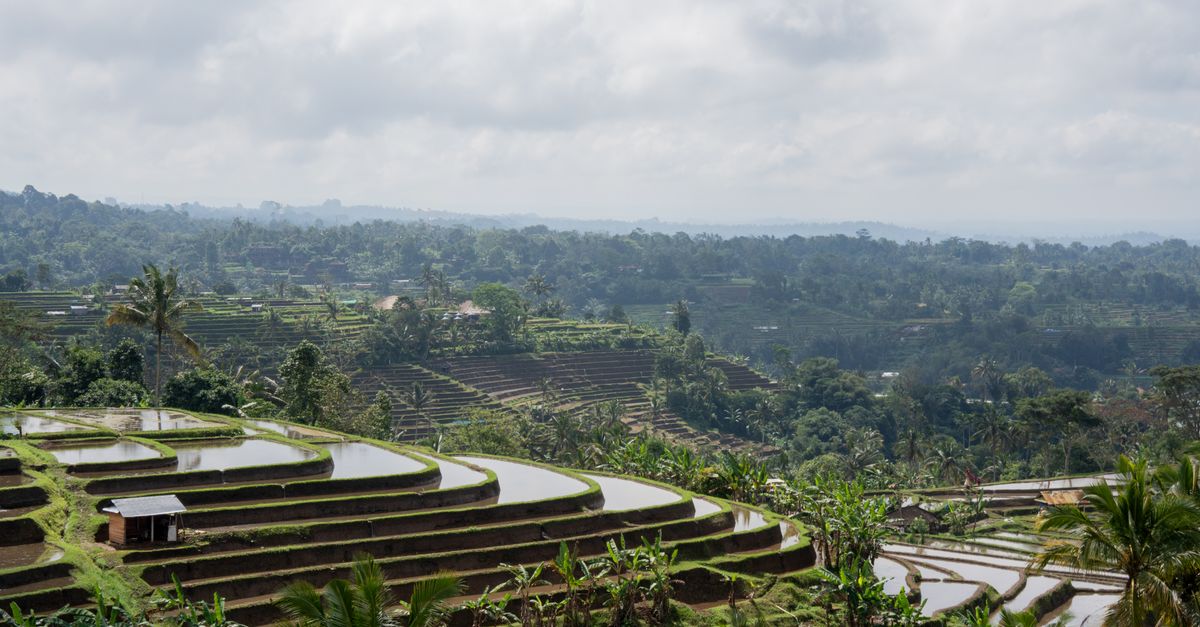
Ubud is where Bali’s sustainable wellness scene really comes alive, and it’s not hard to see why: you’re surrounded by rice terraces, river valleys, and villages where traditional healing never stopped being practised.
Fivelements Retreat is, in my experience, the gold standard. Set alongside the sacred Ayung River in Mambal (about 20 minutes from central Ubud), the entire property is built from bamboo using traditional techniques: the roofs are woven from coconut thatch and the structures are shaped like banana leaves. They grow ingredients in their own organic garden, keep stingless bee hives for honey production, and their signature Balinese Boreh Ritual uses a traditional blend of sacred herbs, spices, and rice powder. Programmes run from 3 to 14 nights and are fully customisable. Rooms start from around IDR 4,400,000 per night (approximately £210), and the retreat has picked up over 90 global awards for wellness and sustainability.
GDAS Bali Health and Wellness Resort in Mas, Ubud takes things a step further with a full permaculture garden where they cultivate ingredients for both their kitchen and their Arana spa. The focus is on ancestral Balinese healing practices: think treatments rooted in centuries of knowledge rather than the latest wellness fad. Rooms start from around IDR 4,500,000 per night.
For something more affordable, Bali Organic Spa in central Ubud offers treatments from as little as IDR 175,000 for a 60-minute Lomi-Lomi massage or IDR 225,000 for a 90-minute hot stone treatment. Their products lean heavily on natural yoghurt, organic scrubs, and locally sourced oils. It’s not the most polished venue, but the ingredients are genuine and the prices mean you can go weekly without guilt.
Taksu Spa is another Ubud favourite of mine: their premium Balinese massage uses three sacred oils and costs IDR 450,000 for 60 minutes. The setting is a lush courtyard hidden behind Ubud’s main street, and they’ve been operating quietly for years without needing to shout about their credentials.

Coastal Eco Wellness: Canggu, Seminyak, and Seseh
The coastline has traditionally been Bali’s luxury-spa territory: big-name hotels, high price tags, and a focus on aesthetics over sustainability. But that’s changing, and some of the most interesting eco-conscious wellness spaces have popped up along the west coast.
Therapy Day Spa in Canggu has quietly built a reputation around sustainable, plant-powered wellness rituals. Their Balinese massages, reflexology, and facials use plant-based products, and a 60-minute session starts from IDR 360,000. Nothing about the place screams “eco” (which, honestly, I prefer). The sustainability is in the supply chain, not the signage.
Glo Day Spa & Salon, also in Canggu, won the 2021 World Luxury Spa Awards for Best Beauty Salon in Asia, and their commitment to vegan and cruelty-free products runs through every treatment. A 60-minute massage starts from IDR 325,000.
Further along the coast in Seseh, Udara Bali combines aerial yoga, detox programmes, and contrast therapy (hot vitality pool followed by ice bath) in a setting that feels more wellness commune than day spa. Rooms start from around IDR 2,300,000 per night, and drop-in classes are available for those not staying on-site.
Sundari Wellness in Seminyak stands out because they make their own essential oils in-house: you can actually watch the distillation process if you ask. They’ve won multiple World Luxury Spa Awards, and a 60-minute treatment starts from IDR 550,000. The oils they blend for your treatment stay with you long after you leave. My bathroom still smells of their frangipani blend from my last visit.
What I appreciate about these coastal spots is that they prove sustainability doesn’t require a remote jungle location or a four-figure price tag.
Uluwatu’s Clifftop Sustainable Spa Experiences
Uluwatu’s southern cliffs have become a hub for a newer, more design-forward approach to eco wellness: one that blends sustainability with high-tech recovery.
Six Senses Spa at Six Senses Uluwatu is the standout for anyone who wants luxury and sustainability without compromise. Their “farm to massage” approach means ingredients are sourced locally: think freshly ground spices and botanicals from their own gardens. Multi-day integrated wellness programmes are available alongside single treatments, with a 60-minute massage starting from IDR 1,600,000. It’s at the higher end, but the attention to detail and ingredient quality are difficult to match.
The Asa Maia in Pecatu has done something genuinely interesting: they’ve built the entire property from recycled teak and ironwood, then equipped it with cutting-edge recovery tech: contrast therapy pools, infrared saunas, and subterranean cold plunges. The aesthetic is raw and minimal, like an eco-brutalist retreat carved into the clifftop. Rooms start from around IDR 5,500,000 per night.
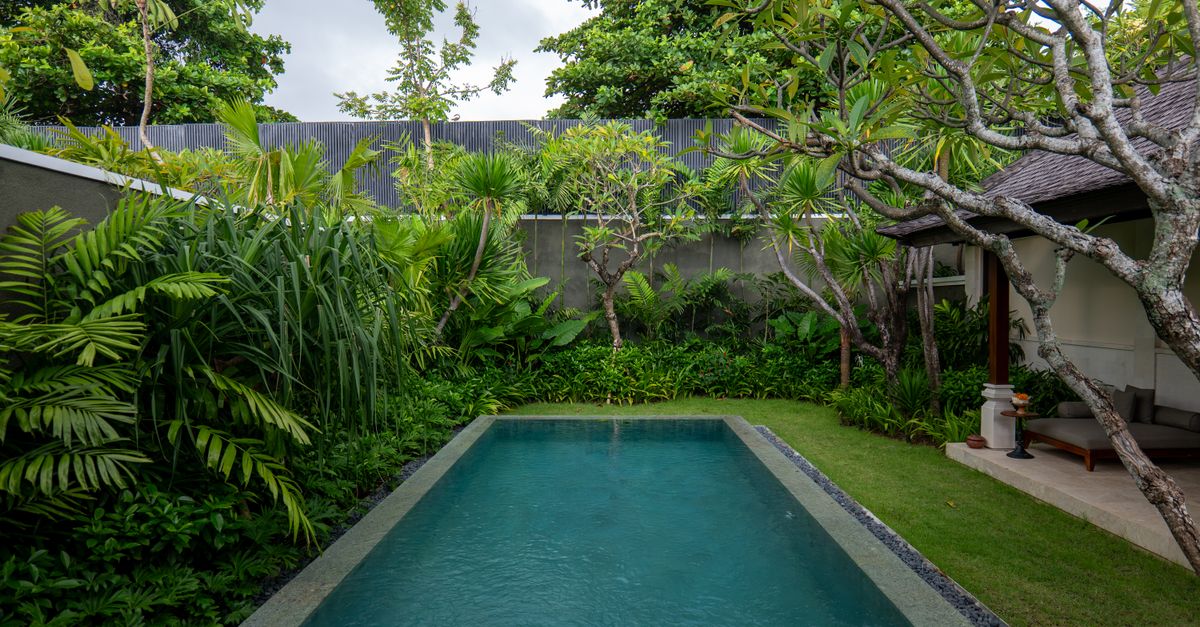
OurSpa Bali, also in the Pecatu area on Jalan Labuansait, takes the sustainability credentials further than most. Their infrastructure runs on solar power with rainwater harvesting and a comprehensive waste reduction programme. Treatments use organic, cruelty-free, locally sourced ingredients (coconut oil, lemongrass, turmeric), all grown on the island. The treatment rooms are open-air, surrounded by tropical gardens, and open daily from 9am to 9pm. A 60-minute Balinese massage starts from IDR 225,000.
What’s happening in Uluwatu feels different from Ubud’s earthy, spiritual approach. It’s more science-meets-sustainability: biohacking and traditional healing sharing the same clifftop. And honestly? Both approaches work. The best version is whichever one makes you feel genuinely looked after.
How to Tell If a Bali Spa Is Genuinely Eco-Friendly
Here’s where I’ll be blunt: not every spa that puts a bamboo straw in your welcome drink is actually sustainable. “Eco” has become a marketing word in Bali, and some places use it generously without much substance behind it.
From visiting dozens of the best eco spas in Bali and plenty that only claimed to be, here are the things I now look for.
Ingredient sourcing. Can they tell you where their products come from? Genuinely eco spas either grow their own ingredients, source from local Balinese producers, or use certified organic product lines. If the therapist can’t tell you what’s in the oil, that’s a red flag.
Building materials and energy. Bamboo construction, reclaimed wood, natural ventilation instead of air conditioning, solar panels: these are choices that cost more upfront but signal genuine commitment. I always glance at the roof and the light fittings. You can tell a lot.
Waste practices. Single-use plastic wrapping on towels and tools is still common at conventional spas. Eco-conscious places use reusable linens, refillable product containers, and biodegradable materials.
Staff knowledge. The best sustainable spas train their therapists in the “why” behind every product and technique. If your therapist can explain that the boreh paste contains galangal, turmeric, and rice powder because those are traditional Balinese healing ingredients (not just because they sound exotic), you’re in good hands.
Price isn’t the indicator you’d think. Some of the most sustainably run spas I’ve visited (Bali Organic Spa, OurSpa) charge under IDR 300,000 for a treatment. And some expensive resort spas with “eco” branding still use synthetic products shipped from overseas. Do your research before booking based on price alone.
My Favourite Eco Treatments Worth Every Rupiah
After years of spa-hopping across Bali, here are the specific treatments I keep coming back to: each one offering something you genuinely can’t get back home.
The Balinese Boreh Ritual at Fivelements (90 minutes, from IDR 1,550,000). This isn’t your standard massage. It’s a traditional Balinese healing ceremony using a paste of sacred herbs, spices, and ground rice, followed by a warm compress and flower bath. The therapists have trained in techniques passed down through village healers. I left feeling like I’d had a week’s holiday in 90 minutes.
The Organic Jepun Package at Bali Organic Spa (210 minutes, IDR 525,000). For under £25, you get a full body scrub, massage, and facial using their own organic products. The value is extraordinary, and it’s the treatment I recommend to friends visiting Ubud who want to experience sustainable wellness without a luxury price tag.
Farm-to-Massage at Six Senses Uluwatu (60 minutes, from IDR 1,600,000). The ingredients are ground fresh before your treatment (turmeric, ginger, local herbs), and the whole experience feels deeply connected to the landscape. It’s at the premium end, but the freshness of the products makes a noticeable difference compared to treatments using pre-packaged oils.
Contrast Therapy at The Asa Maia (from IDR 5,500,000 for a night stay including full spa access). The combination of infrared sauna and subterranean cold plunge, all housed in recycled teak and ironwood buildings perched on the Uluwatu cliffs, is unlike anything else in Bali. The recovery benefits are real: I slept better that night than I had in months.
Each of these represents something Bali does better than anywhere else: weaving genuine care for the environment into the way it cares for you.

Conclusion
Bali’s eco spa scene has matured past the point where a few bamboo touches and an organic label were enough. The places I’ve highlighted here are doing the real work: growing their own ingredients, investing in renewable energy, training their staff in traditional techniques, and building with materials that belong on the island. And some of them cost less than a standard massage in central London.
Whether you’re drawn to Ubud’s riverside retreats, Canggu’s plant-powered day spas, or Uluwatu’s clifftop biohacking-meets-bamboo wellness spaces, there’s an eco option for every budget and every definition of relaxation. My advice: try at least one treatment that uses genuinely local, freshly prepared ingredients. The difference between a massage with factory-produced oil and one with hand-blended botanicals from a Balinese garden is something you feel: in your skin, in the scent, and in knowing your self-care hasn’t cost the island anything extra.
If you’ve found an eco spa in Bali that I’ve missed, I’d love to hear about it: hit reply and let me know.
FAQs
What is the best eco spa in Bali?
Fivelements Retreat near Ubud is widely considered the best eco spa in Bali, with over 90 global awards for wellness and sustainability. Built entirely from bamboo alongside the sacred Ayung River, they grow their own ingredients and offer traditional Balinese healing treatments. For a more affordable option, Bali Organic Spa in Ubud offers genuine organic treatments from IDR 175,000.
Are there affordable eco spas in Bali?
Yes: sustainable wellness doesn’t have to be expensive. Bali Organic Spa in Ubud offers treatments from IDR 175,000 (about £8), OurSpa Bali in Pecatu starts from IDR 225,000, and Glo Day Spa in Canggu offers vegan, cruelty-free massages from IDR 325,000. You can experience genuinely eco-friendly treatments for well under IDR 500,000.
What makes a Bali spa genuinely eco-friendly?
Look for locally sourced or on-site-grown ingredients, building materials like bamboo or reclaimed wood, renewable energy sources such as solar power, minimal single-use plastics, and staff who can explain the origin and purpose of every product used. Price alone isn’t a reliable indicator: some of Bali’s most affordable spas are also the most sustainable.
What is a Balinese Boreh Ritual?
It’s a traditional Balinese healing treatment using a paste made from sacred herbs, spices, galangal, turmeric, and ground rice. The warm paste is applied to the body, followed by massage, a compress, and often a flower bath. Fivelements Retreat in Mambal offers one of the most authentic versions, with therapists trained in techniques passed down through village healers. A 90-minute session starts from IDR 1,550,000.
Where are the best eco spas in Ubud?
Ubud’s top eco spas include Fivelements Retreat in Mambal (bamboo villas, organic garden, from IDR 4,400,000 per night), GDAS Bali in Mas (permaculture garden, ancestral healing, from IDR 4,500,000 per night), Bali Organic Spa in central Ubud (organic treatments from IDR 175,000), and Taksu Spa (three sacred oils massage, IDR 450,000). Each takes a different approach to sustainability, from luxury immersive retreats to affordable day treatments.
Do Bali eco spas use organic products?
The best ones do, but the term “organic” isn’t regulated in Bali’s spa industry, so it pays to ask questions. Spas like Fivelements grow their own ingredients in organic gardens, Sundari Wellness in Seminyak distils their own essential oils in-house, and Glo Day Spa exclusively uses vegan and cruelty-free product lines. In my experience, the therapist’s ability to explain exactly what’s in the products is the most reliable indicator.
What eco spa treatments are trending in Bali in 2026?
The biggest trends are contrast therapy (hot and cold plunge pools), which The Asa Maia and Udara Bali both offer; “farm to massage” treatments using freshly prepared local ingredients, pioneered by Six Senses Uluwatu; gut health and longevity programmes at retreats like GDAS Bali; and a return to traditional Balinese healing ceremonies like the Boreh Ritual and Melukat water purification.
Is Six Senses Uluwatu worth the price for an eco spa experience?
Six Senses Uluwatu’s “farm to massage” treatments start from IDR 1,600,000 for 60 minutes. It’s premium, but the ingredients are ground fresh before each session using locally sourced botanicals. The integrated wellness programmes, spanning multiple days, justify the investment if you’re looking for a deeply personalised sustainable spa experience rather than a one-off treatment.
Can I do a day visit to Bali’s eco wellness retreats?
Some retreat-style eco spas accept day visitors for individual treatments, though this varies. Bali Organic Spa, Taksu Spa, OurSpa Bali, and most coastal day spas welcome walk-ins or same-day bookings. Fivelements and GDAS Bali primarily cater to overnight guests, but both may offer day treatments on request. It’s worth contacting them directly. Six Senses welcomes non-guests for spa appointments.
What should I wear to a Bali eco spa?
Most Bali spas provide sarongs, disposable underwear, or treatment-specific garments. Wear comfortable, loose clothing that’s easy to change out of. For outdoor or open-air eco spas like OurSpa Bali or Taksu Spa, bring a swimsuit if you’d like to use any pools or outdoor bathing areas. In my experience, the more eco-focused the spa, the more relaxed the dress code: flip-flops and a kaftan are perfectly appropriate.