Bali's Beachfront Properties: Is the Premium Worth It?
Beachfront villas in Bali look unbeatable on Instagram, but do the numbers hold up? A clear-eyed 2026 guide to real prices by area, what foreigners can legally own, the new coastal setback rules, and whether the premium beats an inland buy.
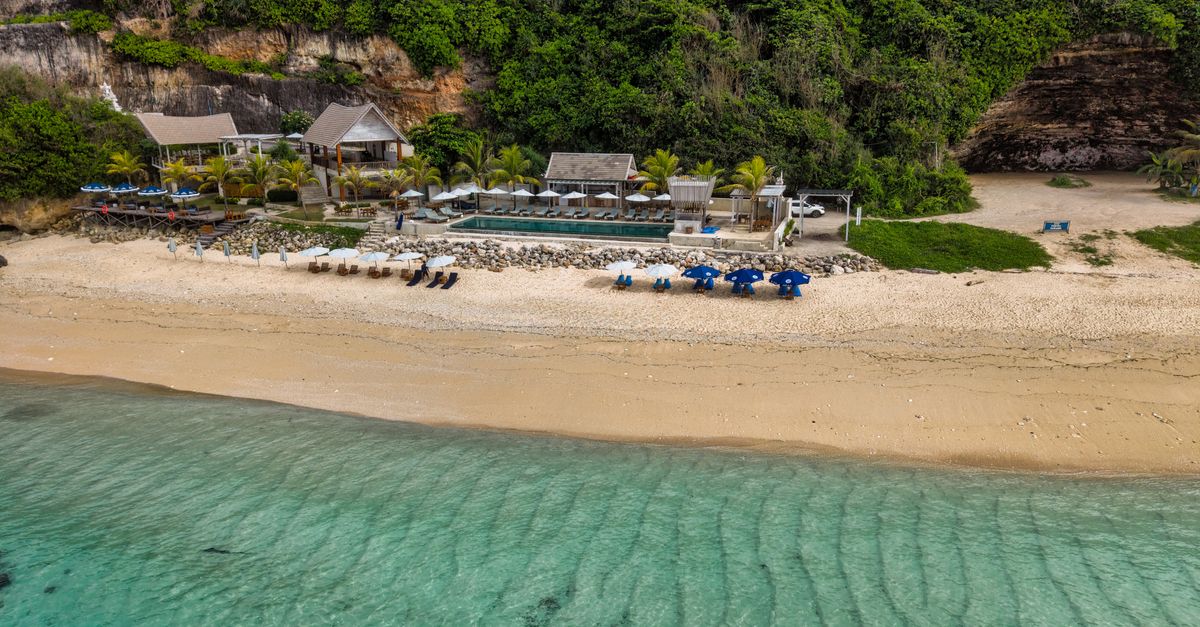
I remember standing on the rooftop of a half-finished villa in Uluwatu a couple of years back, an agent gesturing at the horizon like he’d personally arranged the sunset, telling me the beachfront property in Bali I was looking at would “pay for itself in six years, maybe five if I got the styling right.” I did the maths on the taxi home. It didn’t add up: not in six years, not close, once I factored in what he’d conveniently left out of the pitch.
That conversation has stuck with me because it’s the one every prospective buyer eventually has. Bali’s beachfront villas look extraordinary on Instagram and even better on the YouTube property vlogs doing the rounds this year, all asking some version of “is Bali still worth it in 2026?” The honest answer, in my experience, is that it depends entirely on what you’re comparing it to, and whether anyone’s told you the real numbers yet.
This guide walks through what beachfront property in Bali actually costs by area, what foreigners can and can’t legally own, the new coastal rules reshaping the coastline this year, and, crucially, whether the premium over an inland villa is worth paying at all.
Affiliate disclosure: Destined for Bali may earn a commission when you book or buy through links on this page, at no extra cost to you. It never affects what we recommend.
What Beachfront Property in Bali Actually Costs in 2026
Ask five agents what “beachfront” costs and you’ll get five different answers, mostly because they’re each picturing a different stretch of coastline. So let’s separate it properly: the numbers genuinely swing by hundreds of thousands of dollars depending on which beach you mean.
| Area | Typical Price Range | Gross Rental Yield |
|---|---|---|
| Seminyak | $500,000–$1.2 million | 10–14% |
| Canggu / Berawa | $400,000–$800,000 | 12–18% |
| Uluwatu / Bukit (3BR ocean view) | $500,000–$900,000 | 10–16% |
| Ubud (inland, for comparison) | $250,000–$500,000 | 10–15% |
Seminyak is the most established strip on the island (dense, polished, walkable) and you’re paying for that maturity as much as the sand. Canggu and Berawa sit lower on entry price but higher on yield, because rental demand there is relentless; every digital nomad who’s watched a “moving to Bali” video wants to be within scooter distance of Berawa’s beach clubs. Uluwatu and the Bukit peninsula are where the drone shots come from, and cliff plots there have appreciated faster than almost anywhere else on the island in recent years.
Ubud, genuinely inland with no beach in sight, sits at roughly half the entry price of Uluwatu for a broadly comparable gross yield. Worth sitting with for a moment before you commit to the coastline.
Island-wide, the median villa price is somewhere between $256,000 and $299,000. And here’s the number that matters more than any of the above: net yield. Strip out management fees, maintenance and the inevitable slow months, and self-managed villas tend to net 4–6%, while professionally managed ones can reach 10–15%. Gross yield is the headline. Net yield is what actually lands in your account.
Why You Can’t Simply Buy Beachfront Property in Bali as a Foreigner
Here’s the bit that catches people out at the worst possible moment, usually after they’ve already fallen for a villa. Foreigners cannot own freehold land in Indonesia. Full stop. Whatever a certain type of Facebook group tells you about “arrangements,” it isn’t freehold, and it isn’t yours in the way you think it is.
There are three legitimate routes. Leasehold, or Hak Sewa, is the simplest: you lease the land for 25–30 years, usually with extension options that stack up towards 30+30. There’s no statutory maximum in law: the “99-year lease” you’ll see advertised is market convention, not a guarantee, so read the actual contract, not the brochure.
Then there’s PT PMA, which means setting up a foreign-owned company that holds the land under HGB (Right to Build) title, typically structured as 30 years plus a 20-year extension plus a further 30-year renewal. This route needs real capital, and it pays to be precise about what that means. The government sets a minimum investment plan of around $620,000 (IDR 10 billion) per business line, but that’s a planned-investment figure that pointedly excludes land and buildings, not cash you hand over. The capital you actually deposit, the paid-up capital, is lower: around $150,000 (IDR 2.5 billion) since the 2025 reforms. On top of that, budget $5,000–$10,000 to set the company up and $2,000–$5,000 a year to keep it compliant. It’s the structure serious investors use, not casual buyers.
Hak Pakai (Right to Use) is available if you hold a KITAS or KITAP, running on the same 30+20+30 structure, but it’s strictly for personal residential use. You cannot legally rent it out short-term.
And the arrangement everyone’s cousin’s friend used, a nominee holding title on your behalf? It’s illegal. Indonesian courts have ruled against foreigners in nominee disputes consistently, and I’ve heard the same story too many times: years of “ownership,” then a family dispute, and the villa was never legally theirs to begin with.
The Hidden Costs Nobody Mentions at the Villa Viewing
Nobody puts the closing costs on the listing photo, understandably. But they change the maths meaningfully, so budget for them before you fall in love with anything.
Notary and PPAT fees run 1–2% of the purchase price: this is the person who actually executes the deed, and in my experience it’s worth paying for a good one rather than whoever the seller’s agent happens to recommend. Then there’s BPHTB, the acquisition tax, at 5% of the government-assessed value, not necessarily the price you actually paid, which can create an odd mismatch if the assessed value runs high.
Add legal due diligence at $500–$1,500 (non-negotiable, in my view, because this is what confirms the land certificate is clean and the zoning matches what you’ve been told), building permits (IMB) at $1,000–$3,000 if you’re constructing or renovating, and annual property tax of $50–$200, which is genuinely one of the few pleasant surprises in this whole process.
Altogether, closing costs typically add somewhere between 6% and 15% on top of the purchase price, depending on the ownership structure you choose: leasehold sits towards the low end, PT PMA towards the high end once company setup is folded in. Ask for all of this in writing before you sign anything, and get an independent lawyer, not the notary the seller happens to be friendly with.
Bali’s New Coastal Rules: What PERDA No. 3 of 2026 Means for Beachfront Buyers
This is the one catching people out right now, and it’s exactly why property vloggers keep arguing about whether beachfront is “still worth it” this year.
The 100-metre coastal setback itself, the sempadan pantai (measured back from the highest high-tide mark, with the precise line shifting by local topography), comes from national law: Presidential Regulation (Perpres) No. 51/2016, which implements the 2007 Coastal Zone Management Law. Inside that zone, permanent structures are heavily restricted, so be wary of any villa sitting suspiciously close to the sand. What’s new is Bali’s own enforcement layer. PERDA No. 3 of 2026, the province’s coastal-protection regulation enacted in early 2026, hardens how that setback is policed: it guarantees public beach access, so owners can’t fence off a private strip of sand the way some clifftop villas quietly did a few years back, and it explicitly protects the coastline for Melasti purification ceremonies, so developments can’t block the processional paths Balinese communities use to reach the ocean. Breach it and the sanctions escalate, from written warnings and activity suspension through to permit revocation and forced demolition.
Then there’s the “Pink Zone” question, which is separate but related. Short-term rentals, meaning the whole Airbnb-style model most beachfront buyers are relying on for yield, are only legally permitted in areas zoned Kawasan Pariwisata, the pink zone on Bali’s spatial planning maps, and only with a valid NIB and Sertifikat Standar Pariwisata. Outside that zone, foreign owners and PT PMA companies simply aren’t permitted to run short-term rentals at all. The uncomfortable truth is that a large share of Canggu (by some industry estimates as much as 80%, though there’s no official figure) sits outside approved zones, which means plenty of currently operating villas are technically non-compliant as enforcement tightens.
Translation: before you buy anywhere near the coast, check the actual RDTR zoning map for that plot, not just the area’s reputation.
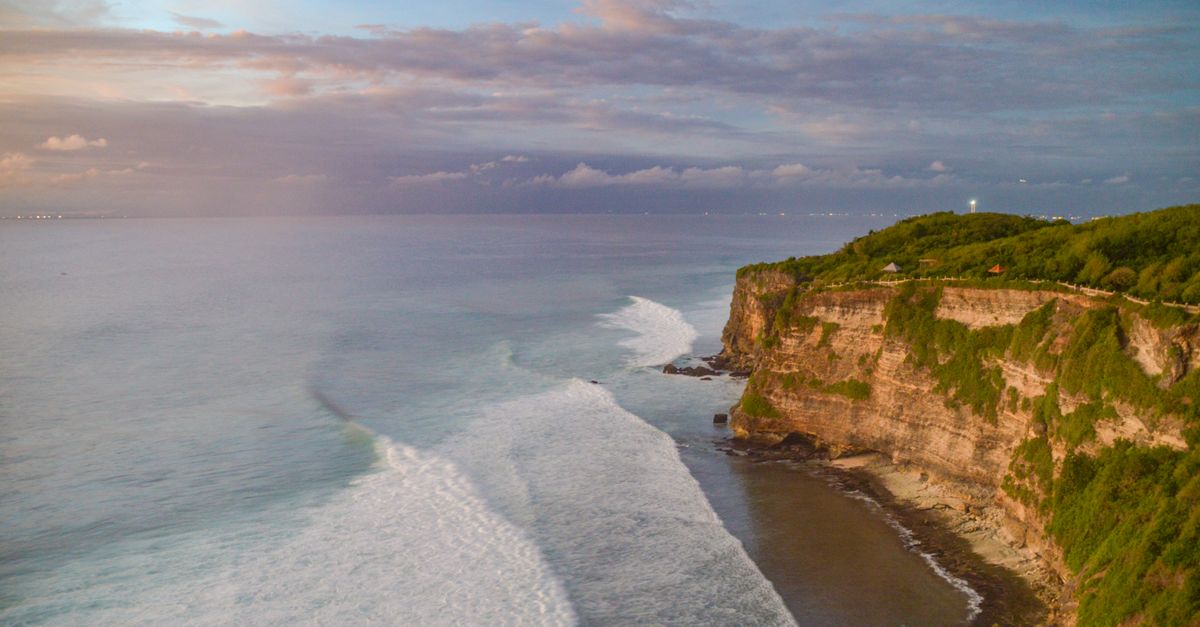
Erosion, Flooding and Salt Air: The Physical Risks of Bali Beachfront Property
Beyond the legal picture, there’s the physical one, and I think it’s the part that gets glossed over most in the glossy listings.
Coastal erosion is a real, ongoing issue in parts of Bali, particularly along the east coast, where several beaches have visibly lost sand over the years I’ve been visiting. Ask any local who’s fished the same stretch for a decade and they’ll tell you exactly how much has gone. BMKG, Indonesia’s meteorological agency, issued coastal flooding warnings for Bali in April 2026, driven by high tides and seasonal swell, the kind of event that feels like it’s becoming a more regular fixture, not a one-off.
Then there’s the slower damage: salt air. It corrodes metal fixtures, eats through render, and ages a beachfront building noticeably faster than an equivalent villa a kilometre inland. Every beachfront owner I know budgets more for maintenance than they initially planned to, without exception. Rising sea levels sit underneath all of it as the long-term risk that’s genuinely hard to price into a 25-year lease. Nobody can tell you with certainty what a given stretch of coastline looks like in year twenty.
None of this means don’t buy beachfront. It means buy with your eyes open, get a structural and environmental assessment alongside the legal due diligence, and factor higher ongoing maintenance into your yield calculations from day one, not as an afterthought once the render starts bubbling.
Beachfront vs Inland: Is the Bali Beachfront Premium Worth It?
So, worth it or not? Honestly, it depends on why you’re buying.
If the plan is lifestyle, you want that view every morning, and return on happiness matters more than return on investment, then yes, pay the premium, go in with clear eyes on the coastal rules and the maintenance bill, and enjoy it properly. That’s a legitimate reason to buy, and I’d never talk someone out of it if the numbers still work for their situation.
If the plan is yield, the maths tells a quieter story. Ubud’s villas cost roughly half of Uluwatu’s for a comparable gross yield, and once you strip that down to net returns (4–6% self-managed, up to 10–15% well-managed, more or less regardless of location) the beachfront premium doesn’t automatically buy you a better return. It buys you a better view, faster booking demand in peak season, and, increasingly, more regulatory complexity to navigate around setback zones and rental licensing.

My honest take, after watching this market for years: beachfront works best for buyers with capital to spare and a genuine attachment to that stretch of coast. For anyone building a first Bali property as a straightforward investment, an inland villa in Ubud, or a well-zoned pink-zone property in Canggu, often does more for your money, with fewer coastal-law headaches attached.
Final Thoughts
If you take one thing from all this, let it be that “beachfront” is a starting point for questions, not a stamp of guaranteed value. Work out why you want it, lifestyle or yield, before you fall for a sunset view over a villa with a lease you haven’t actually read.
I get it, though. There’s something about waking up to that sound, the waves right there, that no spreadsheet fully accounts for, and I don’t think it should have to. Just make the decision with the coastal setback rules, the ownership structure, and the real net yield sitting in front of you, not tucked away in an agent’s back pocket.
FAQs
Can foreigners buy beachfront property in Bali?
Not freehold, no. Foreigners can’t own freehold land anywhere in Indonesia, beachfront included. What you can get is leasehold (Hak Sewa), a PT PMA company structure holding HGB title, or Hak Pakai if you hold a KITAS/KITAP. Each comes with different terms, costs and rental rights, so the “yes” always needs a “but.”
How much does beachfront property cost in Bali in 2026?
It depends heavily on area. Seminyak runs $500,000–$1.2 million, Canggu/Berawa $400,000–$800,000, and Uluwatu ocean-view villas $500,000–$900,000. Island-wide, the median villa price sits between $256,000 and $299,000, so beachfront specifically commands a real premium over that average.
What is Bali’s new coastal setback law (PERDA No. 3 of 2026)?
The 100-metre coastal setback (sempadan pantai) itself comes from national law: Presidential Regulation No. 51/2016. PERDA No. 3 of 2026 is Bali’s own provincial regulation, enacted in early 2026, that strengthens how the coastline is protected and enforced: it guarantees public beach access, safeguards traditional Melasti ceremony routes, and backs it with sanctions ranging from warnings and suspension to permit revocation and forced demolition.
What is the “Pink Zone” and why does it matter for rental income?
The Pink Zone (Kawasan Pariwisata) is the only zoning category where short-term rentals are legally permitted, and it requires a valid NIB and Sertifikat Standar Pariwisata. Buy outside it, and as a foreign owner you’re not legally allowed to run Airbnb-style rentals at all, whatever the previous owner was doing.
Is a nominee arrangement a safe way to buy beachfront land in Bali?
No. Nominee arrangements, where an Indonesian citizen holds title on your behalf, are illegal, and Indonesian courts have consistently ruled against foreigners when these arrangements collapse. Use one of the recognised legal structures instead, even though it takes more paperwork upfront.
What’s the difference between Hak Sewa, Hak Pakai and PT PMA?
Hak Sewa is a straightforward lease, typically 25–30 years with extension options. Hak Pakai requires a KITAS/KITAP and only allows personal residential use, not rental income. PT PMA sets up a foreign-owned company holding HGB title (30+20+30 years) and is the only structure suited to running a commercial rental business.
What are the realistic rental yields on Bali beachfront property?
Gross yields look impressive (10–18% depending on area) but net yields tell the real story: roughly 4–6% if you self-manage, or 10–15% with solid professional management. Always ask what net figure a listing’s yield claim actually reduces to.
Are Bali’s beaches at risk from erosion and flooding?
Yes, in places. The east coast in particular has visible erosion, and BMKG issued coastal flooding warnings for Bali in April 2026. Salt air also accelerates wear on beachfront buildings, so factor higher maintenance costs into any beachfront purchase.
Is it better to buy beachfront or inland in Bali?
It depends on your goal. For lifestyle, beachfront wins hands down. For pure investment return, an inland villa in Ubud often delivers a comparable net yield at roughly half the entry price, with fewer coastal-law complications.
What extra costs should I budget for beyond the purchase price?
Plan for notary fees (1–2%), BPHTB transfer tax (5% of assessed value), legal due diligence ($500–$1,500), building permits if renovating ($1,000–$3,000), and annual property tax ($50–$200), typically 6–15% on top of the purchase price depending on your ownership structure.