Bali's Wellness Gurus: Interviews with Leading Health and Spirituality Experts
After years meeting Bali's healers, the wellness experts I actually trust: traditional balians, sound healers and a former Buddhist nun, with locations, prices and how to find them.
The first time I sat in front of a traditional Balinese healer, I was genuinely terrified. Not because anything felt dangerous. Quite the opposite. It was because Ketut, with his quiet smile and weathered hands, told me things about my body I hadn’t mentioned to anyone. A lingering tension in my left shoulder. A restlessness I’d been carrying since leaving London. He hadn’t asked a single question. He just knew.
That moment changed everything about how I understood wellness in Bali. This isn’t an island where “wellness” means overpriced smoothie bowls and Instagram-worthy yoga poses, though you’ll find plenty of both. It’s a place where healing traditions run centuries deep, where international practitioners come specifically to study, and where you can sit with a balian (traditional healer) one morning and attend a cutting-edge breathwork session the same afternoon.
I’ve spent years meeting Bali’s leading wellness experts, and the one thing they all share is this: they didn’t come to Bali to build a brand. They came because the island itself is part of the medicine. If you’re considering a wellness journey in Bali, these are the people I’d send you to first.
Why Bali Draws the World’s Best Wellness Experts
There’s a reason Bali has become the unofficial capital of global wellness, and it’s not just the cheap rent and sunshine. The island’s Hindu-Balinese culture weaves spirituality into absolutely everything. Offerings on every doorstep, temple ceremonies that shut down entire villages, a calendar that dictates auspicious days for healing. Wellness isn’t an industry here. It’s a way of life that predates any Western influence by centuries.
Traditional Balinese healing, known as Bali Usada, draws from ancient Lontar manuscripts, palm-leaf texts passed down through family lineages. These aren’t vague spiritual concepts. They’re documented systems of herbal medicine, energy work, and bodywork that have been practised and refined for generations. When I first learned that Pak Merta Ada in Sanur had taught over 127,000 students since 1993, I understood the scale of this tradition.
And then there’s the draw for international practitioners. The Yoga Barn in Ubud alone has brought together healers from more than a dozen countries: craniosacral therapists from the States, sound healers from Sumatra, Vedic astrologers from Norway. Bali’s relatively low cost of living, its strong wellness infrastructure, and its genuinely spiritual culture create an environment that serious practitioners gravitate towards. The result is a concentration of talent you’d struggle to find anywhere else on earth.
Traditional Balinese Healers (Balians) Worth Visiting
If you’re going to experience wellness in Bali, start with the people who’ve been doing it longest. Balians are traditional healers whose knowledge passes through family lines, and some trace their practices back more than ten generations. They don’t advertise, they rarely have websites, and most work from their homes. Finding a good one usually means asking around.
Pak Merta Ada runs Bali Usada Health Meditation from his centre in Sanur. He’s been teaching since 1993 and has guided over 127,000 students through programmes that blend traditional Balinese mindfulness techniques with practical health meditation. His weekly public sessions are open to anyone, and he offers registered programmes, retreats, and online options for those who can’t make it in person. What struck me most was his directness: no mysticism for its own sake, just clear, grounded instruction.
Ketut Arsana at the Ubud Bodyworks Centre (now based at Om Ham Retreat & Resort, about fifteen minutes from Ubud centre) combines Ayurveda with traditional Bali Usada healing. His treatments include acupuncture, acupressure, cupping, and chiropractic work. The Buddha Kecapi Usada treatment runs at IDR 1,050,000 (around £52), while the more intensive Soma Usada is IDR 1,250,000 (approximately £62). Both are remarkably thorough.
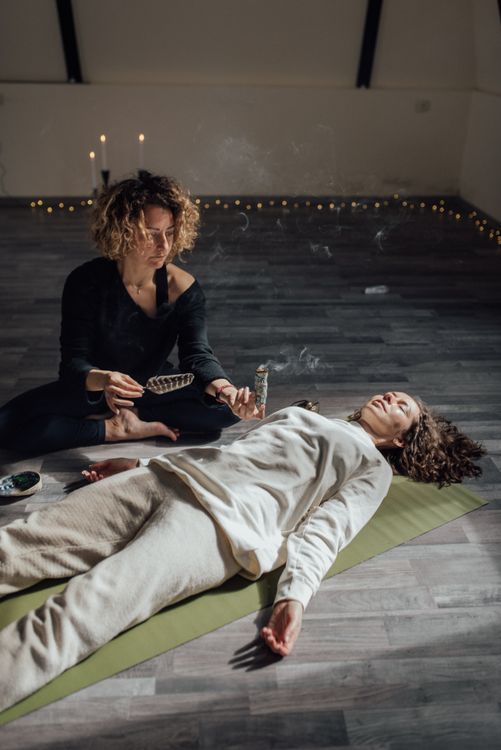
Pak Heru of Akar Healing in Kerobokan practises totok acupressure rooted in Shaolin techniques. He works with spinal injuries, post-stroke recovery, and chronic conditions, at IDR 350,000 (about £17) per session. He’s only available Thursdays to Saturdays, and he books up fast: arrive early.
International Wellness Practitioners Who Chose Bali
Bali’s wellness scene isn’t just about tradition. Some of the most impressive practitioners I’ve met are foreigners who came for a week and never left, drawn by the island’s energy, its affordability, and the sheer concentration of people interested in healing.
Jonathan Walsh at COMO Shambhala Estate is a traditional Chinese medicine practitioner who combines acupuncture, fire cupping, tui-na massage, and moxibustion with hypnotherapy and Emotional Freedom Technique. What sets him apart is his diagnostic approach: he starts every session with pulse reading and tongue diagnosis, traditional methods that feel almost meditative in their precision. “Perspective plays a huge role in defining our wellbeing,” he told me, and his treatments reflect that philosophy. He tailors each session to the individual’s constitution, which means a three-day stay yields genuinely different results than a single appointment.
Heny Ferawati, known as Ibu Fera, at Four Seasons Resort Bali at Sayan has one of the most unusual backgrounds I’ve encountered. A former Buddhist nun who spent seven years studying Dharma in monasteries across Myanmar and Thailand, she now leads mindfulness meditation, Life Talks, and mala meditation using rudraksha beads. But her signature offering is the Sacred Nap: guests rest in silk aerial hammocks while she chants mantras and plays singing bowls, drawing from traditional Balinese lullaby practices. It sounds indulgent, but honestly, I slept better that night than I had in months.
Sound Healing, Breathwork, and Energy Work in Bali
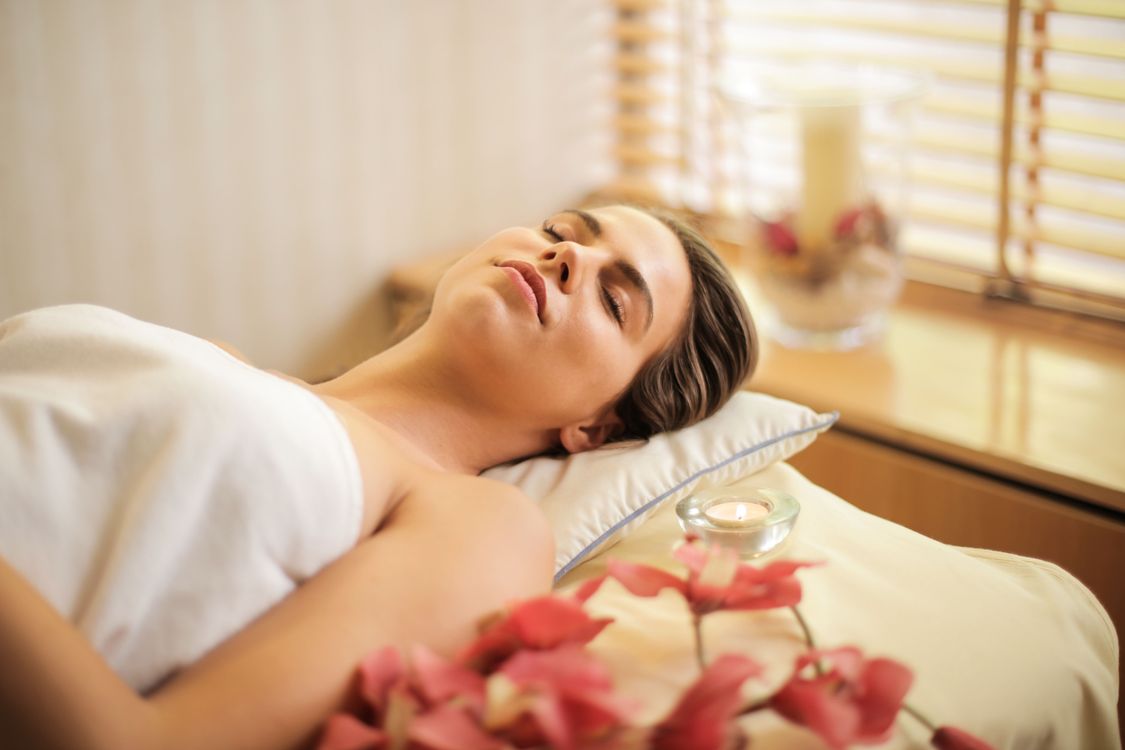
These are the modalities that have genuinely exploded in Bali over the past few years, and for good reason. Sound healing, in particular, has moved from niche to mainstream faster than almost anything I’ve seen on the island.
Ida Ayu Citra Kusuma (Dayu Citra) offers sound healing across Karma Group spa locations throughout Bali, using Tibetan sound bowls and crystals to create vibrations that balance mind, body, and soul. Sessions run 60–75 minutes and start at IDR 950,000++ (around £47). She also does tarot readings, which, sceptic that I am, I found surprisingly specific.
At The Yoga Barn in Ubud, Agustian Supriatna leads private sound healing sessions drawing from his Sumatran healer lineage. He’s also an artist and musician, and his sessions feel more like an intimate performance than a clinical treatment. The Yoga Barn’s broader healer roster includes Adolf M Brown, who has over 25 years of craniosacral therapy experience, and Anika Gunawan, who does Watsu water healing (bodywork performed in a warm pool, which is exactly as otherworldly as it sounds).
Breathwork is everywhere now. La Tribu Bali in Uluwatu runs regular breathwork and sound healing classes, while ADDA Yoga in Canggu combines breathwork with holistic yoga practices. If you’re new to breathwork, start with a group session (they typically run IDR 150,000–250,000, or £7–12) before committing to a private practitioner. The intensity can catch you off guard if you’re not expecting it.
How to Choose the Right Bali Wellness Expert for You
Here’s something nobody tells you: not every healer is right for every person. I’ve had extraordinary sessions and forgettable ones, and the difference usually wasn’t the practitioner’s skill. It was whether their approach matched what I actually needed.
Ask yourself what you’re looking for. Physical relief? Emotional processing? Spiritual exploration? Curiosity? Each points you in a different direction. Traditional balians excel at physical healing and spiritual guidance. International practitioners tend to offer more structured, explainable modalities, useful if you want to understand the “why” behind your treatment.
Start with a recommendation. Word of mouth matters enormously in Bali’s wellness world. Ask at your accommodation, ask in expat groups, ask the person next to you at a yoga class. The best practitioners rarely need to advertise.
Expect the unexpected. Balinese healing doesn’t always follow Western norms. Sessions might happen in someone’s living room. Payment might be by donation. A healer might tell you something personal that feels uncomfortably accurate. Go in with an open mind but also trust your instincts: if something feels wrong, it’s perfectly fine to leave.
Budget realistically. Traditional balian sessions can be remarkably affordable, from IDR 350,000 (about £17) for Pak Heru to donation-based sessions with Pak Sirkus. Resort-based wellness experiences at places like COMO Shambhala and Four Seasons are obviously higher, but you’re also getting world-class facilities and highly trained practitioners. Most independent healers and yoga studios sit somewhere in between, at IDR 150,000–500,000 per session.
Your Wellness Journey Starts with One Conversation
Bali isn’t short of wellness options; if anything, the sheer volume can feel overwhelming. But here’s what I’ve learned after years of exploring: the best experiences come from the practitioners who make you feel heard before they start treating you. Whether that’s a balian in Ubud reading your energy or a TCM practitioner at a luxury estate taking your pulse, the magic is in the connection.
Start with one session. Talk to the practitioner beforehand if you can. Be honest about what you’re hoping to get from the experience. And don’t be afraid to try something completely outside your comfort zone: the Sacred Nap sounded ridiculous to me until I actually did it, and now I recommend it to everyone.
If you’ve had a wellness experience in Bali that changed something for you, I’d genuinely love to hear about it. Drop me a message or leave a comment. Your recommendations might end up helping someone else find exactly what they need.
FAQs
What is a balian and how is traditional Balinese healing different from Western wellness?
A balian is a traditional Balinese healer whose knowledge is passed down through family lineages, often spanning many generations. Unlike Western wellness approaches, Balinese healing draws from ancient Lontar palm-leaf manuscripts and integrates spiritual practices with physical treatment. In my experience, the main difference is that balians treat the whole person (physical, emotional, and spiritual) rather than isolating symptoms.
How much does a wellness session with a Bali wellness expert typically cost?
Costs vary widely. Traditional balian sessions can start from IDR 350,000 (around £17) for practitioners like Pak Heru, with some offering donation-based sessions. Independent studios and healers generally charge IDR 150,000–500,000 per session. Luxury resort wellness experiences at places like COMO Shambhala Estate or Four Seasons Sayan are considerably higher but include premium facilities.
Do I need to book wellness sessions in advance in Bali?
For popular practitioners, absolutely yes. Healers like Pak Heru only work certain days and fill up fast. Resort-based practitioners like Jonathan Walsh at COMO Shambhala require advance booking. Traditional balians who work from their homes often don’t take appointments; you simply show up early and wait. Group sessions at studios like The Yoga Barn are generally walk-in friendly.
Is sound healing in Bali legitimate or just a trend?
Sound healing has genuine therapeutic roots in Bali. Practitioners like Agustian Supriatna at The Yoga Barn draw from traditional Sumatran healing lineages, while Dayu Citra uses Tibetan bowls and crystals in established spa settings. Research supports that sound vibration therapy can reduce stress and improve sleep quality. That said, quality varies, so look for practitioners with clear training backgrounds.
What is a melukat ceremony and should I try one in Bali?
A melukat is a Balinese water purification ceremony where participants are cleansed with holy water at natural springs or temples like Tirta Empul in Gianyar. It’s a genuine spiritual practice, not a tourist activity, and I’d recommend approaching it with respect. Some practitioners like Sami at Bali Chy Healing in Canggu can arrange private melukat ceremonies and guide you through the process.
Where are the best areas in Bali to find wellness practitioners?
Ubud is the established wellness hub, home to The Yoga Barn, numerous independent healers, and retreat centres like Fivelements and Oneworld Retreats. Canggu has a growing wellness scene with practitioners like Sami at Bali Chy Healing. Sanur is where you’ll find Pak Merta Ada’s meditation centre. For luxury resort-based wellness, Sayan (Four Seasons) and Payangan (COMO Shambhala) are hard to beat.
Can I combine traditional Balinese healing with modern wellness treatments?
Absolutely, and many Bali wellness experts actually encourage this. Ketut Arsana at Ubud Bodyworks combines Ayurveda with traditional Bali Usada techniques. Jonathan Walsh blends TCM with hypnotherapy. I’d suggest spacing different treatments at least a day apart so you can process each experience properly rather than overwhelming your system.
Is it safe to visit a traditional healer in Bali as a foreigner?
In my experience, yes, provided you do your research and go with recommended practitioners. Reputable balians are welcoming to foreigners and accustomed to working with non-Balinese clients. Avoid anyone who asks for large sums upfront, promises miraculous cures, or makes you feel uncomfortable. Trust your instincts, and if possible, bring a local friend or guide who can translate and provide context.
What should I wear and bring to a Balinese healing session?
For traditional balian sessions, wear modest clothing that covers your shoulders and knees; you may be given a sarong. Bring cash in Indonesian Rupiah, as most traditional healers don’t accept cards. For studio-based sessions at places like The Yoga Barn, comfortable workout clothing is fine. Always bring water, and avoid eating a heavy meal beforehand.
How long should I stay in Bali to benefit from wellness treatments?
While a single session can be powerful, I’d recommend at least a week if wellness is a primary focus of your trip. This gives you time to try different practitioners, process each experience, and let the island’s pace naturally slow you down. Jonathan Walsh at COMO Shambhala specifically tailors multi-day programmes because extended stays yield genuinely different results. Even three or four days dedicated to wellness can make a noticeable difference.