Balinese Healing Traditions: Ancient Wisdom for Modern Wellness
My honest guide to Melukat water purification, Balian traditional healers and boreh treatments: what they mean, and how to experience them respectfully in 2026.
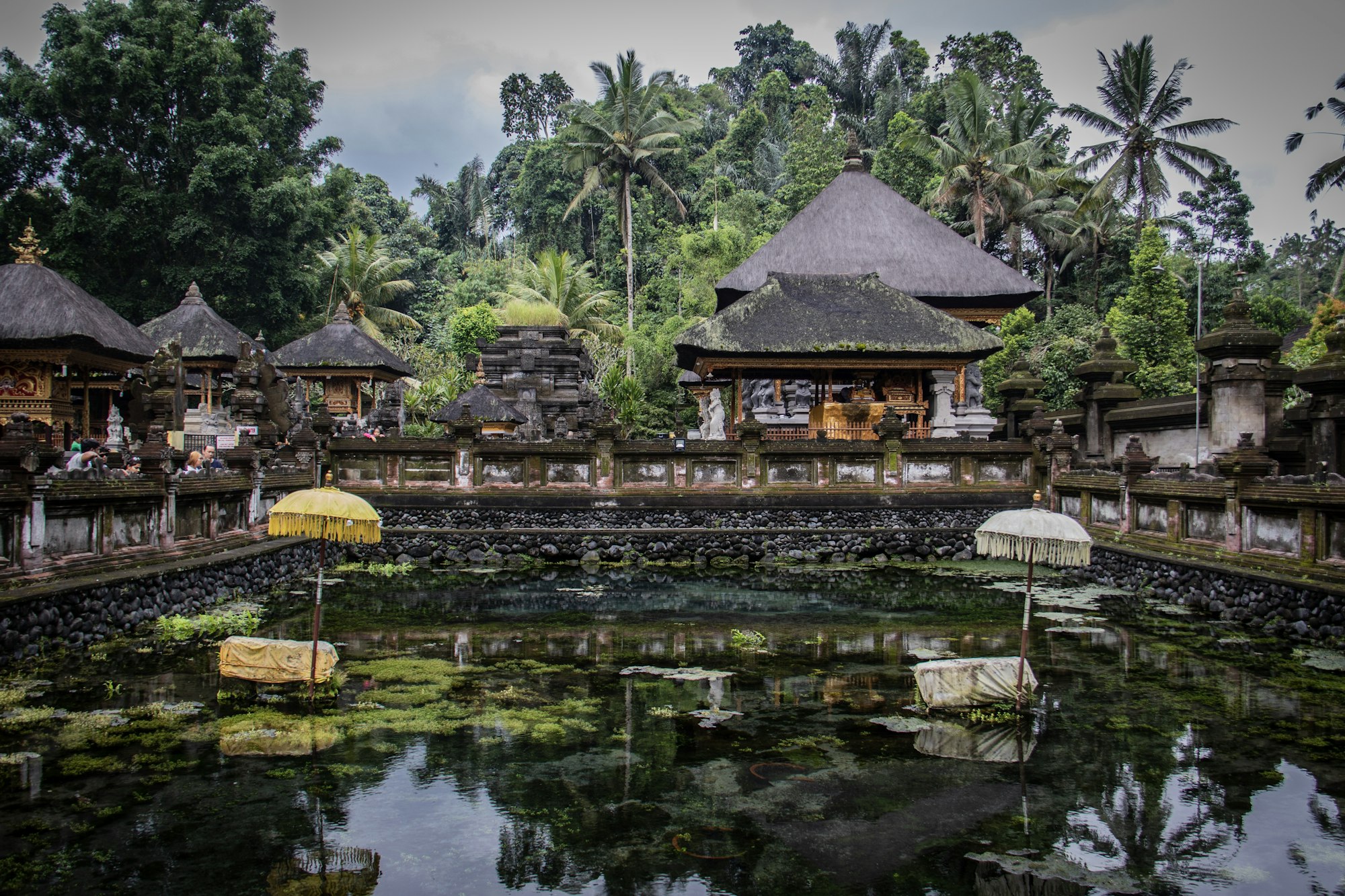
The first time I stood under the fountains at Tirta Empul, I wasn’t thinking about spiritual cleansing. I was thinking about how cold the water was, and whether I’d left my phone somewhere safe. And then, about four fountains in, something shifted: not dramatically, no fireworks, just a kind of quiet I hadn’t felt since I’d landed in Bali. I remember thinking: oh. This is why people keep coming back to this.
That’s the thing about Balinese healing traditions. You can read about Melukat or Balian healers on Instagram for months and still not quite get it until you’re standing in the water yourself. This guide is the one I wish someone had handed me before my first ceremony: what these traditions actually are, how they’re practised today, and how to take part without turning someone else’s sacred ritual into a photo op. Whether you’re here for a single afternoon at a temple or building an entire wellness trip around it, this is your starting point.
What Balinese Healing Actually Means (Before You Book Anything)
Here’s the bit most guides skip, and it’s the bit that actually matters. Balinese healing isn’t one thing: it’s a whole worldview, and the ceremonies are just the visible edge of it.
Balinese Hindu philosophy holds that life exists in two connected realms: sekala, the seen world, and niskala, the unseen one. A good healer, or an effective ritual, addresses both. That’s why a Balian treating a bad back might use herbal oil and also ask questions about your family, your dreams, your state of mind. It’s also why Melukat isn’t really “just” a swim under a waterfall, however it looks on TikTok.
There’s a second idea worth knowing: Tri Hita Karana, the principle that wellbeing comes from harmony in three relationships: with the divine, with nature, and with other people. Skip any one of those and, in Balinese belief, things fall out of balance. It’s a genuinely useful lens even if you’re not spiritual in the slightest, and it quietly explains why so much of this culture centres on offerings, community, and water.
I’ll be honest: I found this framework hard to take seriously at first. Four years in, I don’t anymore. It’s less mystical than it sounds and more like a very old, very thorough approach to mental health.
Melukat: The Water Purification Ritual Everyone’s Filming
Melukat is having a moment on social media right now, and I have mixed feelings about that. It’s wonderful that more people want to understand it. It’s less wonderful when a sacred purification ceremony gets treated like a waterfall backdrop.
What actually happens
Melukat means, roughly, “to purify,” and it’s a Hindu cleansing ritual using tirta: holy water drawn from springs, temple fountains, or other blessed sources. The structure varies slightly by temple, but it generally runs: you present a small offering (a canang sari) and light incense, take a moment to set an intention, then move through a row of water spouts, letting the water fall over your head, traditionally left to right, while holding that intention in mind. A priest, or pemangku, often closes the ceremony with a blessing, sprinkling holy water and pressing a few grains of rice to your forehead.
It’s not performative, and it’s not a spa treatment, even though plenty of wellness marketing borrows the aesthetic. Balinese people do this regularly, before weddings, after illness, on auspicious dates in the local calendar, and the version tourists join is the same ritual, not a diluted one.
Where to go, and where I’d send a first-timer
Tirta Empul, near Tampaksiring, is the famous one: a 10th-century temple with a genuinely stunning pool of carved fountains. It’s also, unsurprisingly, the busiest. Go right at opening, around 7am, before the coach groups arrive. If you’d rather skip the crowds entirely, Sebatu (Pura Gunung Kawi Sebatu) is quieter and every bit as beautiful, tucked into jungle north of Ubud, and Mengening, close to Tirta Empul, has a similar setup with a fraction of the visitors. Entry and ritual fees at all three are modest (think somewhere under 150,000 IDR once you’ve added a sarong hire), so this isn’t an expensive morning, just a memorable one.
A couple of practical notes: bring a full change of clothes, you will get properly wet, and skip drinking the water yourself even if your guide does: no need to gamble on Bali belly on holiday. All three temples are also a fair drive from most villa areas, and I wouldn’t attempt them by scooter on a temple morning: I’d book a private driver for the day instead, so you can string together two or three temples plus a lunch stop without any of the logistics stress.
Meeting a Balian: Bali’s Traditional Healers
If Melukat is the ritual most visitors encounter, the Balian is the person most visitors never quite understand, myself included, for a long time.
A Balian is a traditional Balinese healer: sometimes translated as shaman, though that undersells how varied the role is. Some specialise in bone-setting, using massage oil and a herbal paste called boreh instead of a cast. Some are Balian Usada, who train for years studying lontar (ancient palm-leaf manuscripts written in old Kawi script), covering herbal medicine, anatomy, and spiritual diagnosis. Others work primarily with energy, palm reading, or what’s described locally as removing spiritual “blockages.”
What they have in common is that this isn’t showbusiness. A consultation with a Balian usually starts with an offering and a period of waiting (a sign of respect, not inefficiency), and the healer often reads pulse, posture, or energy before asking many questions at all. I went with a friend a couple of years ago who’d been struggling with unexplained fatigue, and watching the Balian work through oils, prayer, and a fairly blunt conversation about stress was unlike any appointment either of us had sat through before.
If you’re curious, the respectful route is a personal introduction, through a villa host, driver, or someone local you trust, rather than turning up cold or treating the visit as content. Several reputable Ubud wellness centres now also arrange guided sessions with vetted healers, which is a sensible middle ground if you don’t have a local contact yet.
Boreh, Loloh, and the Herbal Side of Usada Bali
Not every Balinese healing tradition needs a temple or a healer, and this is the part that’s easiest to actually bring home with you.
Boreh is a warming herbal paste: traditionally ginger, cloves, cinnamon, and rice, pounded together, originally used by rice farmers to ease sore muscles and stay warm through the rainy season. You’ll now find a spa version of it all over Ubud and Seminyak, usually as a wrap, though the village version is stronger and a little more pungent than the polished spa take. Either way, it’s genuinely effective on tired legs after a day of temple-hopping.
Loloh is the drinkable side of Usada Bali: herbal tonics made from local roots, leaves, and turmeric, similar in spirit to Indonesian jamu. Recipes are often family secrets, passed down rather than written anywhere, which is part of why two loloh stalls a few villages apart can taste completely different. Balinese massage, meanwhile, blends long rhythmic strokes with acupressure and herbal oils infused with lemongrass, ginger, or frangipani: it’s considered preventative care here, something you do to stay in balance, not just something you book after an injury.
None of this requires you to buy into the spiritual framework to benefit from it. I’ve recommended a boreh wrap to plenty of sceptical friends purely on the muscle-relief merits, and every single one has come back asking where to get it again. If you’d rather not hunt one down yourself, book a spa treatment at Lluvia Spa in Seminyak for a properly done boreh or Balinese massage.
How to Experience This Respectfully
If you only take one section of this article into your trip planning, make it this one.
- Start with intention, not itinerary. Before booking anything, ask yourself honestly why you want to take part (curiosity, stress relief, and genuine spiritual interest are all fine reasons), but going in aware of your own motivation changes how you show up.
- Choose smaller or quieter sites where you can. Sebatu or Mengening over a packed 10am slot at Tirta Empul, if crowds aren’t the point for you.
- Get an introduction for a Balian visit. Ask your villa host, driver, or a trusted local rather than approaching cold.
- Dress and behave as you would in any place of worship. Modest clothing to arrive in, quiet voices, and no filming during someone else’s prayer.
- Save the photos for after. Most temples are relaxed about photography generally, but ask before filming the ceremony itself, and never ask a stranger mid-prayer to pose.
Where This Fits Into a Bigger Wellness Trip
Bali’s wellness scene has exploded over the past couple of years: Ubud alone has dozens of retreats layering yoga, sound healing, and spa treatments into multi-day programmes, and I understand the appeal completely. But if you only have time for one thing, I’d genuinely pick a single, well-chosen Melukat ceremony over a packed retreat itinerary. It’s cheaper, it’s shorter, and in my experience it tends to stay with people longer than a week of scheduled activities does.
If you do want to build a fuller wellness day around it, pair an early Melukat at Sebatu with a boreh treatment and a quiet lunch nearby, and you’ve got a morning that’s restorative without feeling like a checklist. That’s usually what I recommend to friends visiting for the first time, and it’s rarely disappointed anyone yet.
Before you go: I wrote this in 2026 and checked prices, fees and etiquette details where I could, but Bali changes fast. Treat the figures here as a guide and confirm the latest details locally before you book or travel.
FAQs
What is the difference between Melukat and a Balian healing session? Melukat is a water purification ritual performed at a temple or spring, usually guided by a priest, while a Balian session is a one-to-one consultation with a traditional healer who may use herbs, massage, or energy work depending on your needs.
Is Melukat only for Hindus? No. Balinese people are generally welcoming to visitors of any faith, and taking part doesn’t convert you to anything: you’re simply asked to approach it with genuine respect.
How much does a Melukat ceremony cost? Expect somewhere under 150,000 IDR at most public temples once entry, sarong hire, and the ritual fee are included, though private ceremonies with a dedicated priest cost more.
What should I wear to a Melukat ceremony? Arrive in modest clothing suitable for a temple, then change into whatever you’re happy to get soaked in: most sites have basic changing rooms, though a spare set of clothes and a plastic bag for wet items helps.
Can children take part in Melukat? Yes, most temples welcome children, and some allow young children to join free of charge, though it’s worth checking the specific site’s guidelines beforehand.
Is it safe to drink the holy water during the ritual? Locals often do, but as a visitor it’s sensible to avoid drinking it or rinsing your mouth, purely to reduce the risk of stomach upset.
How do I find a trustworthy Balian? The most respectful route is a personal introduction through someone local, a villa host, driver, or friend, rather than approaching a healer directly or booking through an unverified tour.
What is boreh, and where can I try it? Boreh is a warming herbal paste made from spices like ginger and cloves, traditionally used to relieve sore muscles; you’ll find it as a spa wrap across Ubud and Seminyak, or in its stronger village form through a local introduction.
Do I need to be spiritual to benefit from these traditions? Not at all. Plenty of visitors take part purely for the physical benefits: muscle relief from boreh, relaxation from Balinese massage, without engaging with the spiritual side at all.
What’s the best time of day for Melukat? Early morning, generally before 10am, when temples are quieter and the water feels fresher, before the larger tour groups tend to arrive.
Some of the links in this article are affiliate links: if you book through them I may earn a small commission at no extra cost to you. I only ever recommend things I would happily send a friend to.