
Balinese Beauty Secrets: Natural Skincare Treatments and Products
Discover Balinese beauty secrets: from lulur scrubs and boreh to jamu and coconut oil. Prices, spa recommendations and traditional recipes for 2026.
The first time someone rubbed a bright yellow paste across my shoulders in a tiny spa in Ubud, I thought they’d made a mistake. It looked like mustard. It smelled like a spice market. And within twenty minutes, my skin felt softer than it had in years. No exaggeration.
That was my introduction to Balinese beauty secrets, and it sent me down a rabbit hole I haven’t climbed out of since. Traditional Balinese skincare isn’t about luxury labels or ten-step routines imported from Seoul. It’s turmeric ground on a stone. Rice powder saved from breakfast. Coconut oil pulled from the tree outside the spa door. These are treatments that Balinese women have used for centuries (passed from grandmother to granddaughter) and they work embarrassingly well for something that costs less than a flat white back home.
If you’re heading to Bali and your skincare plan is “buy some sunscreen at the airport,” you’re about to discover something far better. Here’s everything I’ve learnt about Bali spa treatments and the traditional ingredients behind them, plus what they actually cost in 2026.
Lulur: The Royal Scrub That Changed How I Think About Exfoliation
I’ll be honest: before Bali, my idea of exfoliation was a supermarket scrub used once a fortnight when I remembered. Lulur changed that completely.
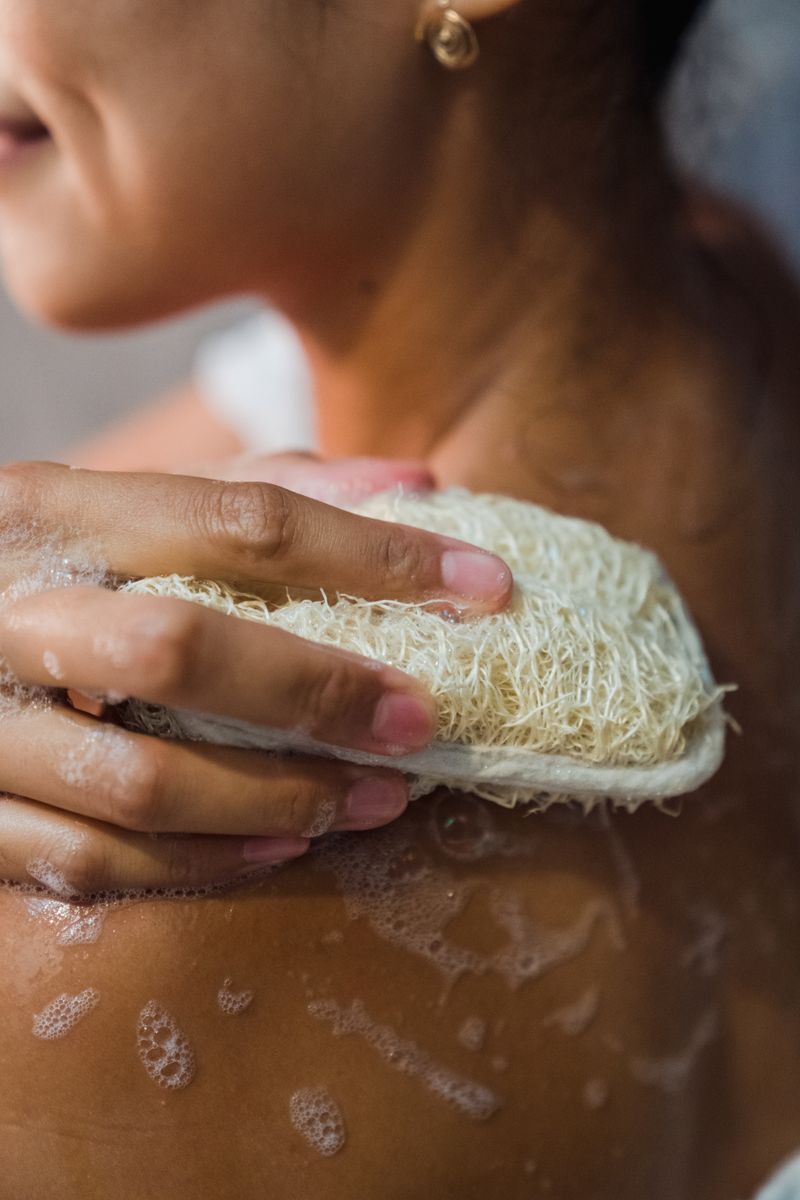
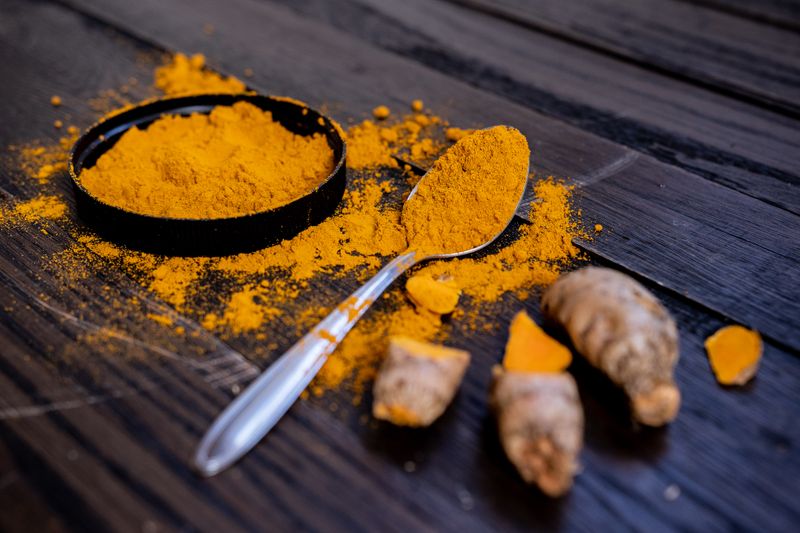
Lulur is a traditional Balinese body scrub that originated in the royal courts of Java centuries ago. It was a pre-wedding ritual: brides would undergo weeks of lulur treatments to achieve luminous skin before the ceremony. The paste is made from turmeric, sandalwood, and rice powder, mixed into a thick golden paste and applied in slow, circular motions across the whole body.
What makes it different from a standard spa scrub is what happens next. After the paste dries slightly on your skin, the therapist applies a layer of natural yoghurt. The lactic acid in the yoghurt dissolves the dead skin the turmeric has loosened, and the result is startling: my skin looked like it was glowing from the inside. I walked out of that first session, caught my reflection in a shop window, and thought I looked five years younger. Dramatic? Maybe. But turmeric’s curcumin has real anti-inflammatory and antioxidant properties, and the rice powder provides gentle mechanical exfoliation without the micro-tears you get from harsh scrubs.
A full mandi lulur (the complete ritual with massage and flower bath) takes about two hours. In a neighbourhood spa, you’re looking at around IDR 470,000 (roughly £20). For a treatment that royal brides relied on to look their absolute best, that’s remarkable value.
Boreh: The Warming Spice Paste That Fixes Everything
If lulur is the beauty treatment, boreh is its tougher, more therapeutic cousin. Honestly? I think I love it even more.
Boreh (the application ritual is called meboreh in Balinese) is a warming herbal paste made from a blend of spices: ginger, clove, cinnamon, galangal, nutmeg, and sometimes coffee or pepper. Balinese rice farmers created it centuries ago to ease aching muscles and improve circulation after long days in the paddies. They’d grind the spices fresh, mix them with a little liquid, and smooth the paste directly onto sore limbs.
What surprised me was learning there are actually three traditional types of boreh. Boreh anget is the classic warming version (the one you’ll find in most spas), designed for recovery and deep warmth. Boreh miyik is the fragrant variety, made with aromatic flowers like gardenia and rose, aimed more at relaxation and sensory pleasure. Boreh tis is a cooling version using avocado, papaya, and cucumber, perfect when the tropical heat has left your skin feeling angry.
The first time I had a boreh anget treatment, the warmth crept in gradually: not like a heat pack slapped on, but a deep, slow glow that spread from my shoulders down through my back. The ginger and clove do stimulate circulation, and the skin underneath felt incredibly smooth afterwards. At around IDR 290,000 (about £12) for a boreh scrub at a mid-range spa, it’s one of the best-value Balinese beauty secrets you can experience.
Jamu: Skincare That Starts from the Inside
Walk through any traditional market in Bali early enough in the morning and you’ll spot them: women carrying baskets of small glass bottles filled with vivid golden liquid. That’s jamu, and it’s the part of Balinese beauty secrets that most visitors completely overlook.
Jamu is the traditional Indonesian system of herbal medicine, and the most common variety you’ll find in Bali is a bright orange drink made from fresh turmeric, ginger, tamarind, and a squeeze of lime, sweetened with a little palm sugar or honey. Balinese women have been drinking it daily for generations, partly for digestion and immunity, but partly because they believe (and I’m inclined to agree) that it makes their skin glow.
The turmeric in jamu delivers curcumin internally: the same anti-inflammatory compound that makes lulur effective on the outside. Ginger supports digestion, which has a direct knock-on effect on skin clarity. It’s not magic; it’s just good ingredients doing obvious things.
You can buy a fresh bottle of jamu from a market vendor for around IDR 10,000–15,000 (less than £1). Bali Buda in Ubud and Canggu sells a concentrated version if you want something you can keep in the fridge. Several cafés now serve jamu shots alongside their smoothie bowls, though the market version, made by a woman who learnt the recipe from her grandmother, has a charm that no hipster café can replicate.
The Balinese approach to beauty has always been holistic: the concept of Tri Hita Karana, or three causes of wellbeing, emphasises harmony with nature, community, and the divine. Jamu is that philosophy in a bottle.
Coconut Oil, Rice Water, and the Kitchen-Shelf Balinese Beauty Secrets You Can Steal
Here’s what nobody tells you about traditional Balinese skincare: the most powerful ingredients aren’t locked in a spa cabinet. They’re in every kitchen on the island.
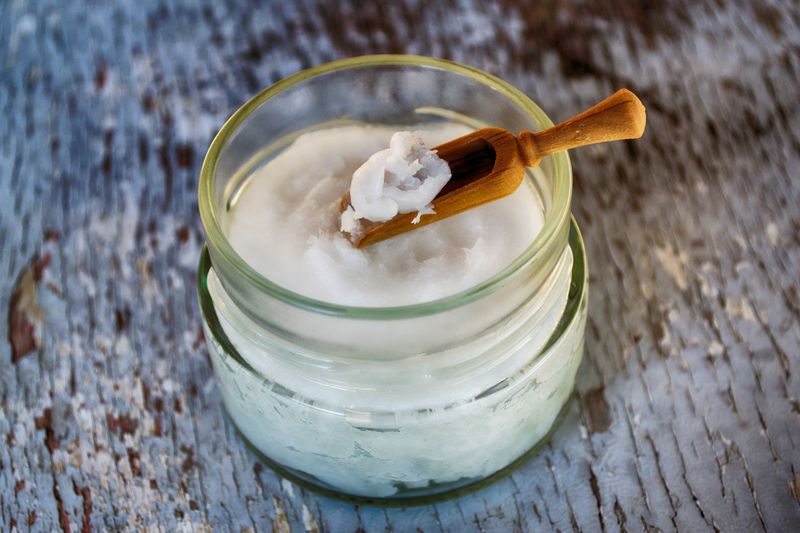
Coconut oil (called minyak kelapa) is the foundation of almost everything. Balinese women use it as a moisturiser, hair mask, makeup remover, and cooking oil, sometimes all in the same afternoon. The lauric acid in virgin coconut oil has antimicrobial properties, which is partly why it works so well in a humid tropical climate where skin infections and breakouts are common. I started using it as a night-time moisturiser during my first long stay and my chronically dry elbows have never recovered their former sandpaper status.
Rice water is another one. After washing rice, Balinese women often save the cloudy, starchy water and use it as a rinse for hair and skin. Rice starch has been shown to support skin barrier recovery in irritated skin: it’s not folklore, it’s chemistry. You’ll also find Balinese coffee repurposed as a body scrub in spas across the island (kopi Bali scrubs are wonderfully invigorating and leave your skin smelling incredible).
Then there’s the cream bath: a traditional Indonesian hair treatment using a rich conditioner infused with ingredients like avocado, aloe vera, or ginseng, massaged into the scalp and left to work under steam. It costs around IDR 100,000–150,000 (£4–6) at a local salon and leaves your hair feeling like you’ve had a £100 treatment in London. I get one every fortnight when I’m in Bali and properly dread going home to my bathroom shelf of overpriced conditioners.
Where to Try Traditional Balinese Beauty Treatments (and What They Actually Cost in 2026)
One of the best things about Balinese beauty treatments is that you don’t need a resort budget to experience them. The price range is enormous, and honestly, some of the best treatments I’ve had were in the simplest places.
Budget (IDR 100,000–250,000 per hour / £4–11): Neighbourhood spas (the ones with hand-painted signs and a slightly wobbly massage bed) often have the most experienced therapists. They’ve been doing this for decades. You won’t get fluffy robes or cucumber water, but the actual treatment quality can be exceptional. A one-hour Balinese massage at this level costs around IDR 200,000–300,000 (£8–13).
Mid-range (IDR 250,000–600,000 per hour / £11–25): Places like Bali Botanica in Sanggingan (treatments from IDR 150,000–600,000), Ubud Bodyworks Centre (massages from IDR 265,000), or AMO Spa in Canggu (from IDR 400,000 for 60 minutes) offer air conditioning, clean facilities, and trained therapists in a more polished setting. A full lulur treatment with massage and flower bath at this tier runs about IDR 400,000–600,000 (£17–25).
Resort (IDR 900,000–2,500,000+ per session / £38–105+): Five-star spa experiences at places like Six Senses Uluwatu or Hanging Gardens of Bali. Beautiful, certainly. Worth the premium? Occasionally, but for traditional treatments specifically, I’d argue the mid-range spas offer better value and often more authentic technique.
My honest advice: try a neighbourhood spa for your Balinese massage, a mid-range spa for lulur and boreh (the facilities matter more when you’re lying in paste for an hour), and save the resort splurge for a special occasion. And always tip your therapist: IDR 20,000–50,000 is standard and deeply appreciated.
Final Thoughts
Balinese beauty secrets aren’t secrets at all: they’re a living tradition, practised daily by women across the island using ingredients that grow in their gardens. What strikes me most, after years of poking around Bali’s spas and markets and kitchens, is how uncomplicated it all is. Turmeric, rice, coconut, spices. Applied with care, given time to work, and repeated consistently. No ten-step routines. No £40 serums. Just centuries of quiet knowledge about what actually makes skin glow.
Whether you book a full mandi lulur at a mid-range spa in Ubud, grab a bottle of fresh jamu from the morning market, or simply start using coconut oil as your travel moisturiser, you’ll be tapping into something that actually works. These aren’t Instagram wellness trends: they’re traditions that hold up because generations of Balinese women proved it long before anyone started hashtagging skincare.
FAQs
What is lulur and where does it come from?
Lulur is a traditional body scrub made from turmeric, sandalwood, and rice powder. It originated in the royal courts of Java as a pre-wedding beauty ritual and has been used across Bali for centuries. The paste is applied to the skin, followed by natural yoghurt, to exfoliate and brighten.
How much does a traditional Balinese spa treatment cost in 2026?
A: Prices vary hugely. A one-hour Balinese massage costs IDR 200,000–300,000 (£8–13) at a local spa, IDR 400,000–600,000 (£17–25) at a mid-range day spa, and IDR 900,000–2,500,000+ (£38–105+) at a five-star resort. Lulur scrubs start at around IDR 250,000 (£11) per hour.
What is boreh and how is it different from lulur?
Boreh is a warming herbal paste made from ginger, clove, cinnamon, and other spices. While lulur is primarily a beauty treatment for skin brightness, boreh is more therapeutic: it targets sore muscles, improves circulation, and provides deep warmth. Boreh was created by Balinese rice farmers for post-work recovery.
Is jamu safe to drink every day?
Traditional turmeric-ginger jamu is generally considered safe for daily consumption and has been drunk daily by Indonesians for generations. However, if you’re on blood-thinning medication or have gallbladder issues, check with your doctor first, as turmeric can interact with certain medicines. Start with small amounts if your stomach isn’t used to it.
What is the best area in Bali for spa treatments?
Ubud has the highest concentration of traditional spas and tends to be more affordable than beach areas. Seminyak and Canggu have excellent mid-range options like AMO Spa and Bodyworks. Sanur is quieter and often cheaper. Resort spas in Uluwatu and Nusa Dua offer luxury settings at premium prices.
Can I recreate Balinese beauty treatments at home?
Absolutely. A simple lulur paste needs just turmeric powder, rice flour, and a little water or coconut milk: apply to damp skin, let it dry slightly, then rinse. Use coconut oil as a moisturiser and drink a daily turmeric-ginger shot. You won’t replicate the full spa experience, but the ingredients work regardless of your postcode.
What is a Balinese cream bath?
A cream bath is a traditional Indonesian hair treatment where a rich conditioning cream (often infused with avocado, aloe, or ginseng) is massaged into the scalp and hair, then left to work under steam. It costs IDR 100,000–150,000 (£4–6) at a local salon and leaves hair deeply conditioned and incredibly soft.
Are Balinese spa treatments suitable for sensitive skin?
Most traditional treatments use natural ingredients, but turmeric can temporarily stain very fair skin and boreh’s warming spices may irritate highly sensitive or broken skin. Always tell your therapist about allergies or skin conditions before the treatment. Boreh tis (the cooling variety with cucumber and avocado) is a gentler alternative.
How much should I tip at a Bali spa?
At local and mid-range spas, IDR 20,000–50,000 per therapist is standard and appreciated. At luxury resorts, a 15–21% service charge is often already included in the bill: check before adding more. Cash tips directly to the therapist are preferred, as pooled tips don’t always reach them.
What does Tri Hita Karana mean and how does it connect to Balinese beauty?
Tri Hita Karana is the Balinese philosophy of three causes of wellbeing: harmony with God, harmony with nature, and harmony with other people. It underpins the holistic approach to Balinese beauty: the belief that true beauty comes from balance, not just from what you put on your skin. Jamu, spa rituals, and natural ingredients all reflect this philosophy.


