Bali Travel Insurance and Healthcare in 2026: What Visitors Really Need to Know
The honest, first-hand version of Bali travel insurance and healthcare in 2026, which hospitals to trust, the scooter and alcohol clauses that void claims, what evacuation really costs, and how to get properly covered.
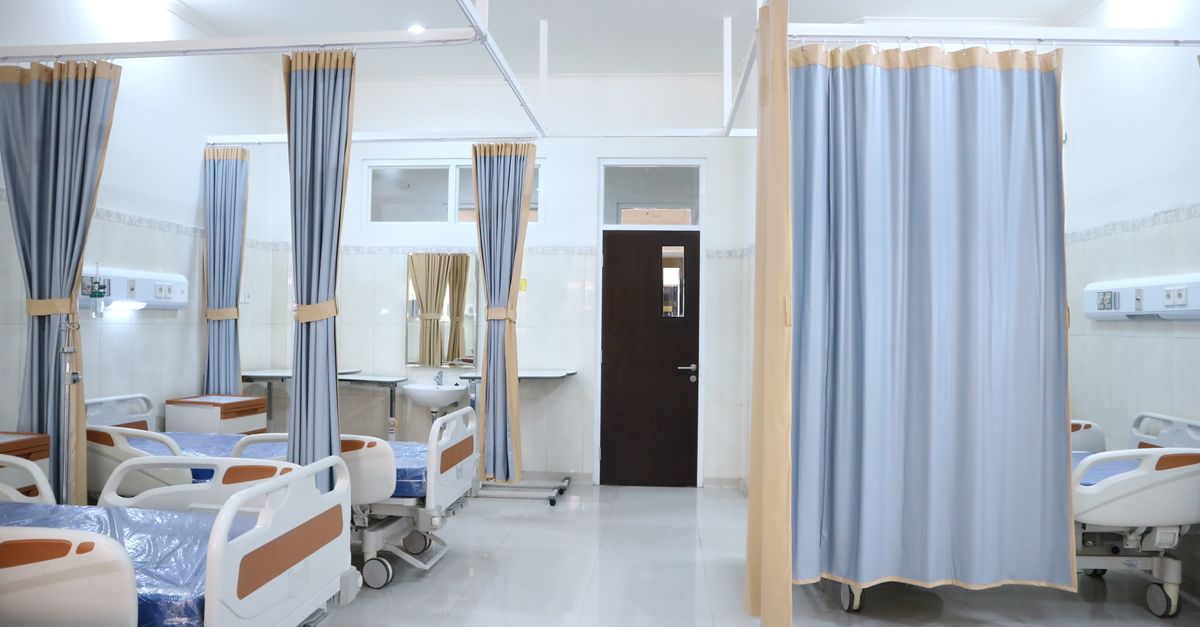
The first time I sat in BIMC Kuta’s waiting room it wasn’t for me, it was for a friend who’d come off a scooter on the way back from Canggu, a graze the size of a side plate down her shin. She was fine, in the end. But I remember the receptionist asking, gently, before anything else: “Do you have insurance, or will you be paying today?” That question is the whole point of this guide. Bali travel insurance and the island’s healthcare aren’t abstract admin, they’re the difference between a $40 dressing and a five-figure bill you didn’t budget for.
I’ve lived in and out of Bali for years now, and I’ve watched too many lovely trips wobble over something that could’ve been sorted in ten minutes before the flight. The good news: care here is genuinely capable, the private hospitals are used to treating visitors, and decent cover costs less than a couple of cocktails a day. The catch is in the small print, the bits about scooters, alcohol and evacuation that quietly void claims when people need them most. Let me walk you through what I actually tell friends before they come.
Bali healthcare in 2026: what visitors can (and can’t) use
Here’s the thing nobody mentions on the flight over, as a tourist, you have no access to Indonesia’s public health system. BPJS, the national scheme, is for Indonesian citizens and permanent residents on a KITAP, and even foreign workers only qualify after roughly six months on a proper residence permit (Insurance Indonesia, 2026). If you’re here on a visa-on-arrival or a B211 visit visa, BPJS simply isn’t an option. You’ll be treated at private hospitals and clinics, and you’ll either pay on the spot or your insurer settles it.
That’s not as grim as it sounds. Private healthcare in Bali is, frankly, the part most visitors will use anyway, the international hospitals are clean, English-speaking and quick. But the model is pay-first. I’ve seen people wave an EHIC-style card or assume their card from home covers them; it doesn’t. There’s no reciprocal arrangement.
For minor things, Bali belly, an ear infection, a reef cut that’s gone angry, a GP clinic or a doctor’s house-call is your friend, and far cheaper than walking into an emergency department. For anything that needs scans, stitches or admission, you’re into private hospital pricing, which is where insurance earns its keep. The single most useful habit: save two or three hospital numbers in your phone before you ever need them.
The hospitals worth knowing before you need one
If I had to point you at one name in the south, it’d be BIMC Hospital Kuta. It runs a 24-hour emergency department, it’s used to treating tourists, and it holds ACHS International accreditation (valid to September 2027), meaning it’s audited against Australian hospital standards (BIMC Bali, 2026). There’s a second BIMC at Nusa Dua, handy if you’re staying down on the peninsula.
Siloam Hospitals is the big national network, with branches across Bali including Denpasar and Kuta; they’re well equipped for serious cases and now operate the BIMC sites too. For a long-established, more local-feeling private hospital, Kasih Ibu in Denpasar has been going since the late 1980s and treats international patients perfectly well, often at gentler prices than the most tourist-facing places.
The newest arrival is Bali International Hospital in Sanur, opened in the island’s new healthcare special economic zone and inaugurated in June 2025. It’s a 239-bed facility designed with Mayo Clinic advising on the planning, though, to be clear, Mayo doesn’t staff it (Medical Travel Market, 2025). It’s aimed at raising the ceiling for complex and specialist care, the sort of thing that used to mean flying to Singapore. Worth knowing exists, even if you hope never to see the inside of it.
The scooter and alcohol clauses that quietly void claims
This is the section I’d tattoo on a few foreheads if I could. The most common way travellers end up with a denied claim isn’t fraud, it’s the scooter. To ride legally in Bali you need a motorcycle-endorsed International Driving Permit alongside your home licence (a car-only IDP doesn’t count). Ride without it and you’re committing an illegal act, which is precisely the loophole that lets insurers refuse to pay your medical bills (Travel Insurance Direct, 2026). And scooter injuries aren’t cheap, a serious one easily tops USD $20,000.
Beyond the licence, plenty of standard policies exclude motorbikes altogether, or only cover engines under a certain size, or insist on a helmet. Read the wording. If you genuinely intend to ride, buy a policy that explicitly covers scooters with your licence type, full stop.
Alcohol is the other quiet one. A glass of Bintang at dinner won’t void your cover. But if you have an accident and the insurer can show you were intoxicated and that being drunk caused it, the claim is usually declined (CHOICE, 2026). Same logic with adventure activities, diving below 30 metres, canyoning, the more thrilling stuff often needs an add-on pack. None of this is meant to scare you off; it’s meant to make you buy the right policy rather than the cheapest one.
Medical evacuation cover: the bit people skip and shouldn’t
Evacuation is the line item I check first on any policy, and the one travellers most often overlook because it sounds dramatic and unlikely. But Bali’s care, for all its strengths, has limits, and for certain complex emergencies you may need moving to Singapore or home. An air ambulance is always individually quoted, but a Bali-to-Singapore transfer commonly lands somewhere from around USD 10,000 to USD 50,000 or more, and long-haul repatriation to the UK or Australia can climb far higher again (SMC Insurance, 2026). Always check the latest figures, as quotes vary with distance and the level of care needed.
That’s why advisers suggest medical and evacuation cover of at least USD 100,000–250,000, with repatriation included. Check the policy actually says “medical evacuation” and “repatriation of remains”, grim, but real, not just a hospital cash benefit. I’ve genuinely watched a family scrambling to crowdfund a transfer because the cheap policy capped evacuation at a few thousand. Don’t be that story. The premium difference for proper evacuation cover is usually trivial; the gap if you don’t have it is life-altering.
What it costs, and why you should just see a doctor
Let’s talk numbers, because “expensive” is too vague to plan around. A GP consultation might be USD 20–60; an emergency department visit starts around USD 100–250 in facility fees alone before any treatment; a private room can be USD 100–500 a night, and major procedures run into the thousands (Insurance Indonesia, 2026). Uninsured, a serious accident can mean a $50,000-plus bill, and some hospitals will ask for a deposit or proof you can pay before non-urgent treatment.
The fix is dull and effective: get proper cover, then actually use it. The big private hospitals, BIMC, Siloam, offer direct billing with major insurers like Allianz, AXA, Cigna and IMG, so in many cases you’re not fronting the cash at all (BIMC Bali, 2026). Keep your insurer’s emergency number and policy reference on your phone, not buried in an email.
And please, see a doctor early. Bali belly that lingers, a cut that won’t heal in the humidity, a fever you can’t shake: these are cheap and quick to treat at day three and miserable at day seven. The whole system here rewards getting seen promptly.
Before you go - I wrote this in 2026 and double-checked every price, fee, opening time and rule I could, but Bali changes fast. Treat the figures here as a guide and confirm the latest details before you book or travel.
This is general information from lived experience, not medical advice. If you are badly dehydrated, cannot keep fluids down, have a high fever or blood in your stool, or symptoms last more than two to three days, see a doctor or clinic.