
The Impact of Tourism on Bali's Real Estate Prices
How Bali's 10 million annual visitors are driving real estate prices. Area-by-area breakdown of villa costs, rental yields, and risks for 2026 property investors.
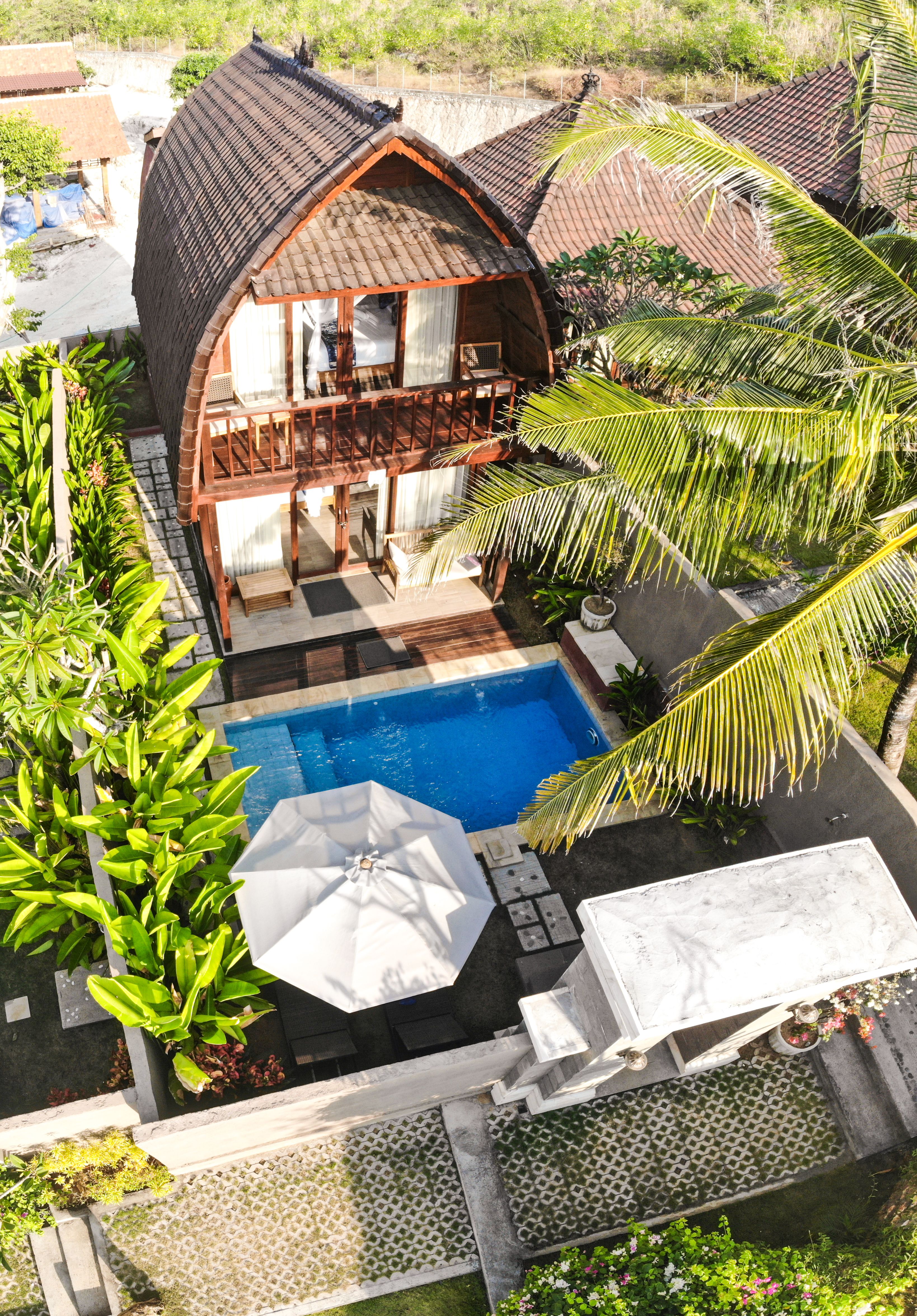
I still remember standing in a half-finished villa in Canggu back in 2019, watching a developer scribble a price on the back of a napkin. It was reasonable, cheap even. I hesitated. Eighteen months later that same plot had nearly doubled in asking price, and the villa next door was pulling in $150 a night on Airbnb.
That’s the thing about Bali real estate prices and tourism: they don’t move independently. They’re locked together. If you’re thinking about property investment in Bali, understanding that link is probably the most useful thing you can do before you spend a single rupiah. The Bali property market in 2026 looks very different from even two years ago: nearly 10 million visitors came through in the first seven months of this year alone, and those arrivals reshape everything from land values in Pererenan to villa yields in Uluwatu.
Here’s what I’ve learnt, from watching, from asking too many questions, and from a few expensive lessons of my own.
Nearly 10 million visitors and counting: how Bali’s tourism boom drives real estate prices
The numbers are hard to ignore. Between January and July 2026, Bali recorded 9.93 million total visitor arrivals: 3.92 million international and 5.91 million domestic. Australia alone sent nearly a million (982,403, to be exact), followed by China, India, and the UK. The island collected Rp 255 billion in tourist levy payments, and even that only covers a 43% compliance rate.
Here’s what matters for property: every one of those visitors needs somewhere to sleep. In Bali, “somewhere to sleep” increasingly means a private villa rather than a hotel room. That demand has changed the economics of owning property here. Properly changed it, not just nudged the numbers a little.
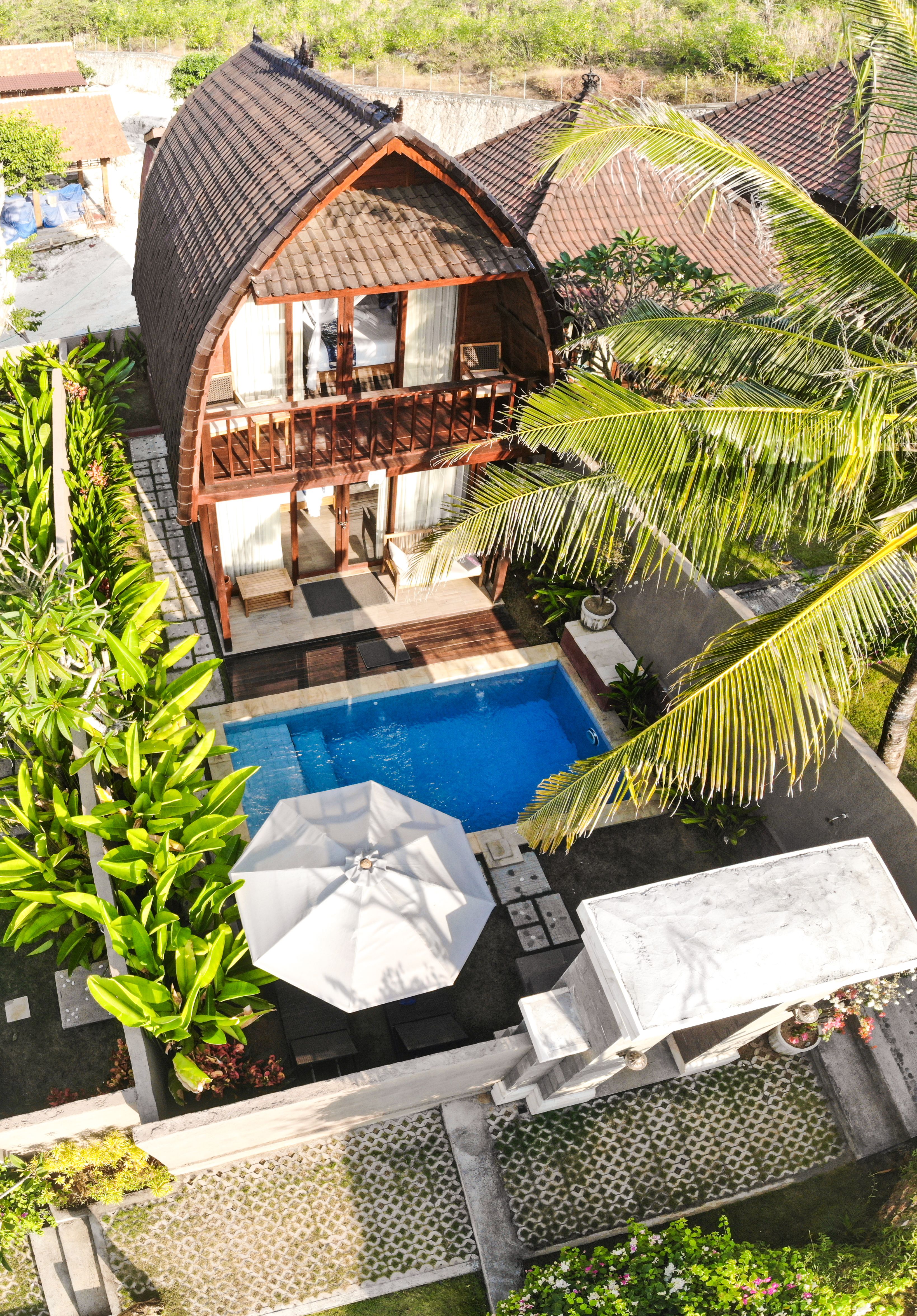
In the most tourism-heavy areas (Seminyak, Canggu, Uluwatu), property prices have risen by an average of 10% a year over the past five years. Land in select micro-markets has appreciated 15–30% over just two years. That’s not a gentle upward trend. It’s a surge, and it’s tied directly to tourism volume.
The cycle itself is simple. More visitors create more rental demand, which pushes up yields, which attracts more investors, which drives up land and villa prices. As long as arrivals keep climbing, or even just hold steady, it keeps going.
What a villa actually costs right now: Bali real estate prices by area
Prices vary enormously depending on where you look. The island-wide median sold price sits around $299,000, but that hides massive differences between Seminyak and, say, Tabanan.
A rough guide from the most recent transaction data. Seminyak is still the priciest per square metre: a three-bedroom villa here runs about $345,000 at the median, though luxury places regularly push $500,000 to $3 million, and land costs approximately $3,126 per square metre.
Canggu is the market’s centre of gravity, with 33.5% of all property sales happening here. It’s slightly more accessible: two-bedroom villas start from around $248,000, three-bedrooms with a pool from $355,000. Land sits at about $2,579 per square metre, though the Berawa side is catching Seminyak fast.
Ubud gives you more space for your money. A three-bedroom villa averages $250,000–$340,000, and land is considerably cheaper, at roughly $1,771 per square metre. The trade-off is lower rental occupancy outside peak season.
Uluwatu and the Bukit Peninsula are where the premium ocean-view properties sit now. Three-bedroom cliff-front villas range from $500,000 to $900,000. They’ve also delivered some of the strongest capital growth over the past two years, and accounted for 28.2% of all transactions in late 2025.
The pattern is pretty clear. The closer a property sits to tourism infrastructure (beach clubs, restaurants, coworking spaces), the higher the price, and the faster it moves.
The rental yield question: can tourism-fuelled returns live up to the hype?
This is where the tourism connection gets real for investors. Short-term rental yields in Bali are genuinely high by global standards, but they swing wildly depending on management, location, and how honest you are about occupancy.
The realistic range for professionally managed villas is 8–15% net. Canggu leads with gross yields of 12–18%, followed by Uluwatu at 10–16% and Ubud at 10–15%. Seminyak, despite higher absolute prices, returns a slightly narrower 10–14%.
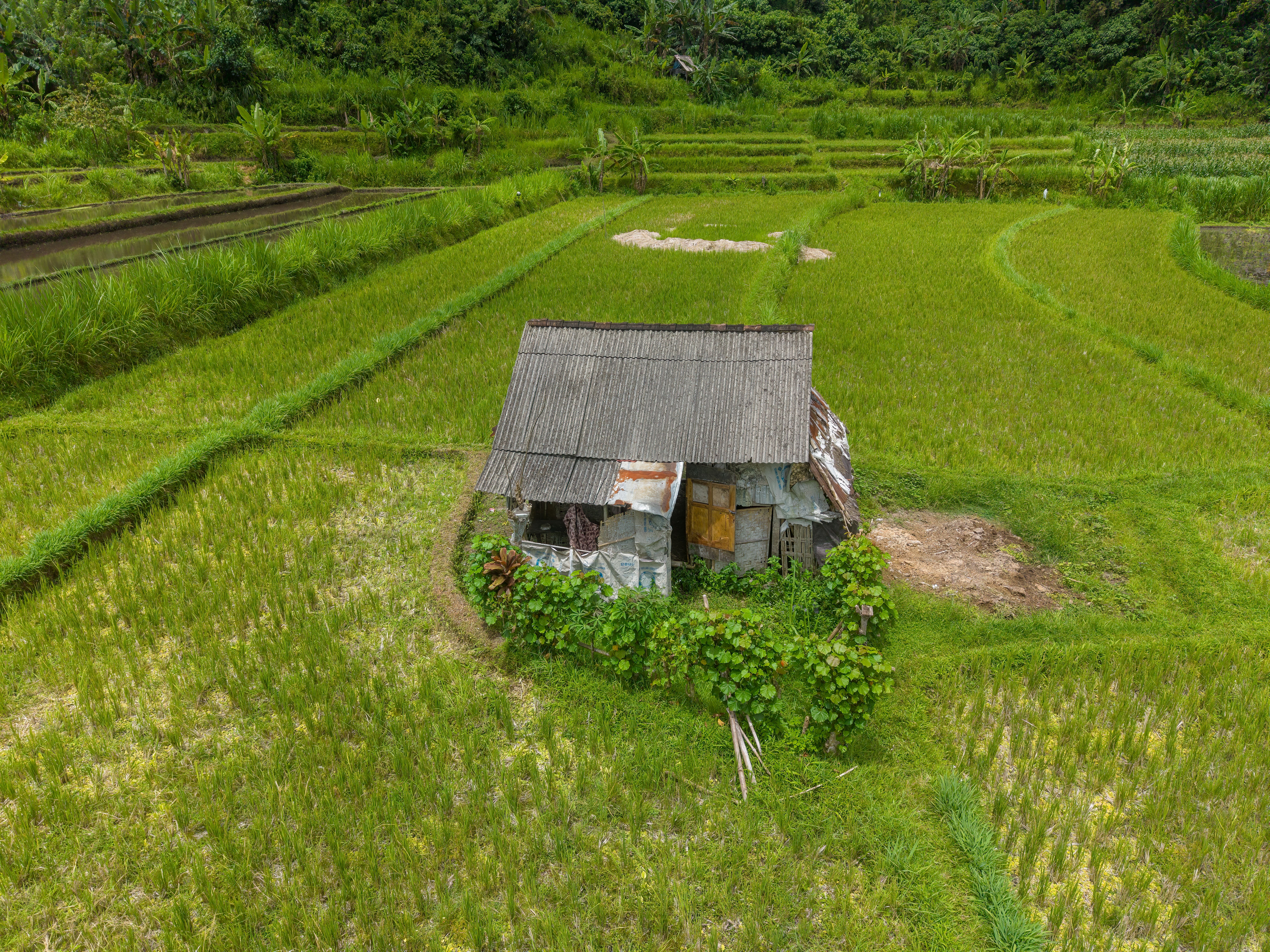
Peak-season occupancy looks encouraging. Prime-area villas hit 70–85% in high season, with the island average sitting around 65%. In July 2025, the most recent full peak dataset, occupancy reached 64.7%, and every single month beat the previous year’s figures.
But there are caveats I wish someone had told me earlier. Average daily rates for a one-bedroom villa run $74–$102, a two-bedroom $105–$160, and a three-bedroom $184–$282. Decent numbers, until you subtract the 20–30% management fee, platform commissions, cleaning, maintenance, and the months where occupancy drops to 47% (that’s January’s figure). The gap between gross yield and what actually lands in your account is wider than most marketing materials let on.
Managed resort-style developments promise projected yields of 17–20%, but those figures tend to come with a lot of fine print. My advice? Budget for 8–10% net, and be pleasantly surprised if you beat it.
What nobody tells you: the risks of riding Bali’s tourism wave
First thing to get your head around (and I mean properly, not just nod along with) is that foreigners cannot own freehold land in Bali. Full stop. What you’ll typically buy is a leasehold: a contract granting usage rights for 25–30 years, usually with extension options. Around 81.8% of current property listings are leasehold.
The alternative is a PT PMA, a foreign-owned Indonesian company, which lets you hold property for business purposes, renting it out basically. It costs more upfront and needs ongoing compliance, but it’s more secure than a nominee arrangement, where a local holds the title on your behalf. Nominee setups are common but legally unenforceable, and I’ve heard enough stories to steer well clear.
Then there’s the market itself. Bali saw a 5% average price correction in early 2025, a reminder that prices don’t only go up. The listing-to-sold price gap sits at 13.2%, meaning sellers are asking quite a bit more than buyers are actually paying. Off-plan developments now make up 38% of listings, and not every project that breaks ground gets finished.
Indonesia raised property VAT from 11% to 12% in 2025, which nibbles at returns. Annual property tax (PBB) is low, roughly 0.1% of assessed value, but the tax picture here shifts, and what holds today might not in eighteen months.
The biggest risk, though, is simpler than all of that. Bali’s property market depends on tourism. Almost entirely. If arrivals drop sharply, and they did during the pandemic, to zero, rental income vanishes overnight while lease payments, maintenance, and staff costs carry on regardless.
Where Bali real estate prices are heading next
Most market analysts are landing on a base case of 3–7% appreciation in prime corridors over the next twelve months, with flat to negative movement in oversupplied segments. The bull case, tourism growth continuing and infrastructure investment picking up, projects 8–12% in prime areas.

The areas I’m watching most closely are the emerging zones: East Bali around Amed and Sidemen, parts of Tabanan, and the stretch between Pererenan and Seseh. Land here still goes for $88–$214 per square metre, a fraction of Canggu’s $2,579, and the infrastructure is slowly catching up. Build costs island-wide average around $1,335 per square metre, so a well-designed two-bedroom villa on affordable land could come in under $200,000.
Indonesia’s GDP growth target for 2026 is 5.4%, and the government has signalled it will keep backing Bali’s tourism infrastructure. But the island is also pivoting toward “quality over quantity”: the 2026 foreign arrivals target is 6.63 million, actually lower than 2025’s 7.05 million. That shift could mean higher-spending visitors, which tends to help premium property more than budget stock.
My honest read? If you’re buying for yield and you understand leasehold, Bali still offers returns that are hard to match anywhere else in Southeast Asia. But buying on hype, especially off-plan in Canggu, is where people get burnt. Do the homework, budget conservatively, and remember that a 25-year lease is not the same thing as owning a house.
If you’re weighing up whether to buy, start with the area, not the villa. The numbers above should tell you which parts of the island are still worth the conversation with a lawyer, and which ones are running on hype alone.
FAQs
How much does a villa cost in Bali in 2026?
The island-wide median is about $299,000, but it varies a lot by area. Ubud three-bedroom villas average $250,000–$340,000, Canggu starts from around $248,000 for a two-bedroom, and Seminyak three-bedrooms sit at roughly $345,000. Luxury ocean-view villas in Uluwatu run $500,000 to $900,000.
Can a foreigner buy property in Bali?
Not freehold: foreigners can’t hold Hak Milik (freehold title) in Indonesia. The usual routes are leasehold agreements (typically 25–30 years with extensions) or setting up a PT PMA company for investment property. Nominee arrangements exist but they’re legally risky and unenforceable. I’d strongly recommend getting an independent lawyer.
What rental yields can you expect from Bali property?
Professionally managed villas tend to generate 8–15% net. Canggu leads at 12–18% gross, Uluwatu at 10–16%, Ubud at 10–15%, and Seminyak at 10–14%. Always ask for net figures after management fees, maintenance, and platform commissions. The gap between gross and net is bigger than you’d think.
How has tourism affected Bali property prices?
In the most popular tourist areas, property prices have risen by an average of 10% a year, driven by rental demand from nearly 10 million annual visitors. Land in select micro-markets has appreciated 15–30% over two years. The closer a property sits to tourism infrastructure, the steeper the climb.
Is Canggu still a good investment in 2026?
Canggu still accounts for 33.5% of all property transactions and has the highest gross rental yields (12–18%). But land prices have climbed sharply, to about $2,579 per square metre, and the market had a 5% correction in early 2025. The better value play may now be neighbouring areas like Pererenan and Seseh.
What are the risks of investing in Bali real estate?
The main ones: foreigners can only buy leasehold (not freehold), the market corrected by 5% in early 2025, it’s heavily dependent on tourism, regulations change, and popular areas face oversupply. Off-plan projects carry completion risk, and Indonesia raised property VAT from 11% to 12% in 2025.
Which areas in Bali have the cheapest property?
Emerging zones offer the best value right now. East Bali (Amed, Sidemen), Tabanan, and the Seseh corridor have land from $88–$214 per square metre, compared to $2,579 in Canggu and $3,126 in Seminyak. Build costs average $1,335 per square metre island-wide.
How many tourists visit Bali each year?
In the first seven months of 2026, Bali recorded 9.93 million total arrivals: 3.92 million international and 5.91 million domestic. The 2025 full-year figure was 7.05 million international visitors, up 9.7% on 2024. Australia is the biggest source market, sending nearly a million visitors in the first half of 2026.
What is the difference between leasehold and freehold in Bali?
Freehold (Hak Milik) is permanent ownership, but it’s only available to Indonesian citizens. Leasehold gives you usage rights for a set period, usually 25–30 years with extension options, and is the main route for foreign buyers. About 81.8% of Bali’s current property listings are leasehold.
Is Bali property a good long-term investment?
The base-case forecast is 3–7% annual appreciation in prime areas, with rental yields of 8–15%: combined returns of 10–15%+ that are strong for Southeast Asia. But it’s tied to tourism, and leasehold means your asset has an expiry date. Success comes down to buying in the right area, keeping your budget conservative, and getting proper legal advice on ownership.


