Bali's Most Scenic Hiking Trails: From Volcanoes to Rice Terraces
From the 4am scramble up Mount Batur to a free sunset stroll along Campuhan Ridge, here are the Bali hikes I send friends on: with real 2026 costs, guide rules and the best months to go.
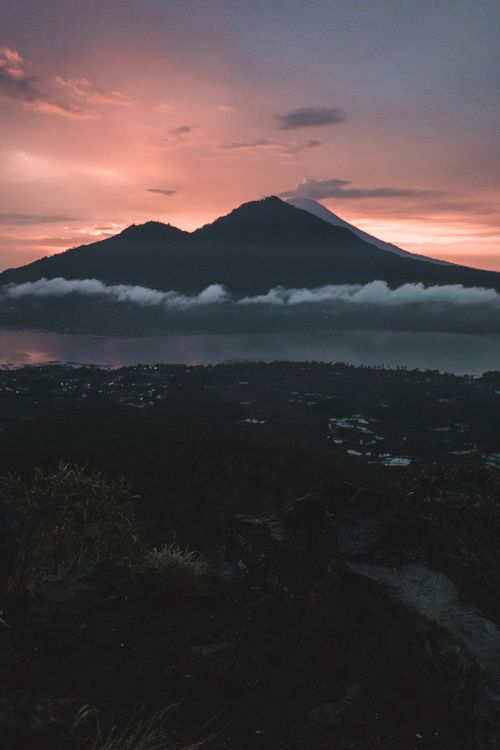
My alarm went off at half one in the morning, and for about thirty seconds I genuinely resented every decision that had led me there. Then I was standing on the black rim of Mount Batur with a paper cup of coffee, watching the sky behind Mount Agung turn the colour of a peach, and the resentment evaporated. That’s the thing about Bali hiking trails: the best ones ask something of you, and they pay it back with interest. After years of living here I’ve walked most of them, from leg-shaking volcano summits to flat rice-terrace loops you could do in flip-flops (please don’t). This is my honest shortlist: what each trail costs in 2026, whether you legally need a guide, when to set off, and which ones are genuinely worth losing sleep over. I’ve left out the overhyped and kept the ones I actually send friends on. A quick word before we start. Bali’s mountains are sacred to Balinese Hindus, not adventure playgrounds, so dress modestly at temple gates and follow your guide’s lead. Right. Headlamp on.
Mount Batur sunrise trek: the Bali volcano hike everyone starts with
If you do one Mount Batur sunrise trek, do it knowing the rules. A certified local guide is legally required: the mountain is managed by the PPPGB guides’ association, and turning up to hike alone simply won’t work; no guide, no entry. That’s not a tourist trap, it’s how the local community shares the income. Expect to pay roughly IDR 500,000–800,000 per person for a group trek, usually including hotel pickup, headtorch, a little summit breakfast (eggs cooked in volcanic steam, a gimmick I still love) and the ride home. Pickup from Ubud is around 2:00–2:30am, because you want to be standing on the 1,717m rim before the sun comes up around 6:00 to 6:30. The climb itself is about two hours of loose scree in the dark. It’s moderate, not brutal, but your calves will know about it.
Bring a fleece. I cannot stress this enough. The summit drops to around 12–15°C before dawn and the wind finds every gap in your clothing. I once lent my jacket to a shivering honeymooner in shorts and regretted it for an hour. If you’d rather have everything sorted, you can book a Batur sunrise trek with pickup here. Go early in your trip: if cloud spoils the first attempt, you’ll want a spare morning.
Mount Agung trek: Bali’s sacred mountain and its toughest summit
Now for the serious one. The Mount Agung trek is a different beast entirely: this is the highest and most sacred mountain on the island, home of the gods in Balinese belief, and the climb reflects that gravity. As of 2026 it sits at Level 1 (‘normal’) volcanic alert, so it’s open, but always check the latest status before you commit; Agung is an active volcano and access can close at short notice. It also shuts periodically for major temple ceremonies (it was closed for several weeks in spring 2026), so confirm the dates are clear before you book anything. A guide is legally mandatory here too, and the warning is blunt: climb without one and you risk being detained by immigration. Take it seriously.
There are two routes, and the difference matters. From Pasar Agung temple it’s the shorter option (around 3–4 hours up, roughly 1,500m of gain), and most people start near midnight to catch sunrise. From Besakih, Bali’s mother temple, it’s a 6–7 hour grind up some 2,150m of relentless slope, then five or six hours back down. The difficulty here ranges from hard to genuinely punishing; this is not a casual sunrise jaunt like Batur. I’ve done the Pasar Agung side and my thighs filed a formal complaint for three days. Skip it entirely in rainy season. The trail turns to greased rock. But on a clear morning, watching Batur’s caldera glow far below while you stand on the roof of Bali? Few hikes on earth top it.
Campuhan Ridge Walk: free, flat and the easiest Ubud hiking there is
After two volcanoes, here’s the antidote. The Campuhan Ridge Walk is the gentlest entry on this list and, brilliantly, it’s completely free, one of the few genuinely free things to do in Ubud in 2026. No ticket booth, no guide, no fuss (though you may pay a small parking fee if you arrive by scooter or car). It runs about 2km along a grassy spine between two river valleys, with tall feathery reeds on either side and the kind of soft green light that makes everyone’s photos look professional. From central Ubud you can stroll the out-and-back in around an hour and a half at an easy pace.
Timing is the whole game. Get there for 6am or save it for late afternoon around half five, because if you’re not off the ridge by about 7:30am you’ll be roasting in 30°C-plus heat with almost no shade anywhere. I learned that the slow, sweaty way on my first week here. Early morning you’ll share it with a handful of joggers and the occasional ceremony procession; by mid-morning it’s a queue for photos. Wear something that covers your shoulders if you plan to wander into the little warungs at the far end near Bangkiang Sidem. It’s not a wilderness experience, but as a sunrise warm-up or a sundowner stroll, this bit of Ubud hiking is hard to beat.
Sambangan and Munduk: the waterfall treks worth the drive north
For my money, the north is where Bali hiking gets underrated. The Sambangan trek (sometimes sold as the “Secret Garden”) strings together a run of waterfalls including the Aling-Aling waterfall, with its cliff jumps and natural rock slides. Entry to simply view the falls is about IDR 20,000, but if you want to actually slide and jump you’ll need the guided package at around IDR 125,000, which includes a life jacket and a local Sambangan guide. That guide isn’t optional for the jumps: it’s a safety rule, and a sensible one; people have hurt themselves freelancing here. The walking itself is easy: ten to fifteen minutes down some steep stone steps, then each fall is a couple of minutes from the next. Bring cash, as it’s the only thing accepted up here.
Further into the hills sits Munduk, my favourite cool-weather escape, where mist sits in the valleys and the air actually feels fresh. The Munduk waterfall hike costs about IDR 20,000 to enter and links several falls through coffee and clove plantations, a proper green-jungle walk rather than a quick photo stop. It’s a two-hour drive or so from Ubud, so I’d hire a private driver for the day and pair Munduk with the lakes nearby. Pack proper sandals; the paths get slick.
Jatiluwih and Tegallalang: walking the rice terraces, not just snapping them
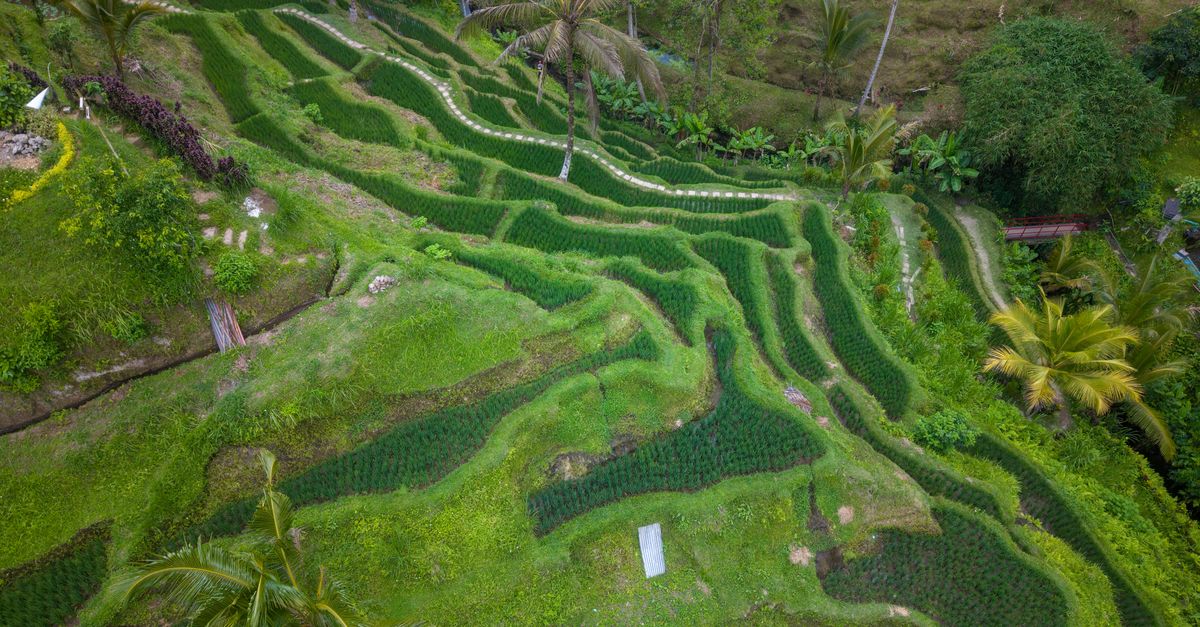
Most people photograph Bali’s rice fields. Far fewer actually walk them, which is a shame. The Jatiluwih rice terraces are the ones I’d choose every time: a UNESCO-listed landscape shaped by the centuries-old subak irrigation system, and blessedly quiet compared to the crowds elsewhere. Adult entry is around IDR 50,000–75,000 for foreign visitors in 2026, cash only and in rupiah, so bring notes. What makes Jatiluwih special is that it’s built for walking: colour-coded loops run from the easy 45-minute Red trail to the 5.5km White trail that drops deep into the valley. I usually do the Blue loop, just over 3km, about two hours of weaving between emerald paddies with barely another soul around.
Tegallalang, near Ubud, is the famous one: those dramatic stepped terraces you’ve seen a thousand times. It’s stunning and far more convenient, but be honest with yourself: it’s also crowded, commercialised, and you’ll dodge selfie sticks and pay small “donations” at viewpoints along the path. The Tegallalang rice terrace walk down one side and up the other takes maybe 45 minutes and your thighs will notice the climb back. My tip: go at opening for the light and the calm, then leave before the tour coaches roll in. For genuine subak rice terraces with room to breathe, point your driver at Jatiluwih instead.
When to go: timing your Bali hikes for the dry season
Here’s the bit that makes or breaks every trip. The best time to hike Bali is the dry season, roughly April to October, when mornings are clear, trails are dry and your odds of a clean sunrise are high. June (when I’m writing this) is a sweet spot: minimal rain, reliably clear dawns, and views of Lake Batur and distant Agung at their best, though you’ll get a touch more afternoon cloud as the month goes on. For any Bali sunrise hike, that early clarity is exactly what you’re chasing.
Avoid the volcanoes in rainy season, November to March. The trails turn slippery, visibility drops to grey soup, and there’s nothing more demoralising than scrambling up scree in the dark only to summit inside a cloud. Rice terraces and the Campuhan ridge are fine year-round, though they’re greenest just after the rains. Whatever you tackle, start stupidly early. Heat and crowds both build fast here. And drive sensibly getting to trailheads; Indonesia’s urban speed limit is 50km/h and the back roads to Batur are dark and twisty at 2am.
So that’s my honest map of the island’s trails, from knee-trembling volcano summits to a flat, free ridge you could do before breakfast. The one-line version? Pick your effort level, respect the mountains as the sacred places they are, and always set off before the sun. I’m forever tweaking this list: there’s a waterfall valley near Munduk I’m still trying to do justice to. If you’ve found a Bali hike I’ve missed, or you’ve just come back glowing from one of these, reply and tell me: my list is never finished, and the best tips I’ve ever had came from readers.
Before you go: I wrote this in 2026 and double-checked every price, fee, opening time and rule I could, but Bali changes fast. Treat the figures here as a guide and confirm the latest details before you book or travel.
Some of the links in this article are affiliate links: if you book through them I may earn a small commission at no extra cost to you. I only ever recommend things I would happily send a friend to.
FAQs
Do you legally need a guide to hike Mount Batur in Bali? Yes. A certified local guide is legally required to climb Mount Batur. The mountain is managed by the PPPGB guides’ association, and you cannot enter or hike without a registered guide. This supports the local community, and group treks typically include the guide in the IDR 500,000–800,000 price.
How much does the Mount Batur sunrise trek cost in 2026? Most group treks cost around IDR 500,000–800,000 per person in 2026. That usually covers hotel pickup, a headtorch, a simple summit breakfast and the return transfer. Private and small-group options cost more, and tipping your guide is customary.
What time do you start the Mount Batur sunrise hike? Pickup from Ubud is around 2:00–2:30am. You’ll reach the trailhead near 3:30–4:00am and climb in the dark to summit before sunrise, which falls around 6:00 to 6:30am in Bali. The climb up takes roughly two hours.
Is Mount Agung harder than Mount Batur? Much harder. Mount Agung ranges from hard to extreme, gaining up to 2,150m on the Besakih route over six to seven hours, versus Batur’s roughly two-hour moderate climb. Agung is for fit, experienced hikers; Batur suits most reasonably active beginners.
Is Mount Agung open to hike in 2026? As of 2026 Mount Agung sits at Level 1 (‘normal’) volcanic alert, the lowest level, so it is generally open to climb. It’s an active volcano and also closes periodically for temple ceremonies, so always check the current alert status and ceremony calendar before booking, as access can close at short notice.
Is the Campuhan Ridge Walk free? Yes, the Campuhan Ridge Walk is completely free: there’s no entrance fee (though you may pay a small parking fee). It’s about 2km along a grassy ridge in Ubud and takes around an hour and a half out-and-back. Go at 6am or late afternoon, as there’s almost no shade.
How much is the entrance fee for Jatiluwih rice terraces? The Jatiluwih entrance fee is around IDR 50,000–75,000 for foreign adults in 2026, payable in cash and in rupiah only. Children pay less. The fee gives you access to several colour-coded walking loops through the UNESCO-listed subak rice landscape.
Is Jatiluwih or Tegallalang better for walking? Jatiluwih is better for actual hiking: it’s quieter, UNESCO-listed and has proper marked loops from 45 minutes to 5.5km. Tegallalang is more dramatic and closer to Ubud but far more crowded and commercial, with short paths and donation points.
How much does the Aling-Aling waterfall trek cost? Viewing the Aling-Aling waterfalls in Sambangan costs about IDR 20,000. To cliff jump and use the natural slides you need the guided package at around IDR 125,000, which includes a life jacket and a licensed local guide. The jumps aren’t permitted without a guide.
When is the best time of year to hike in Bali? The dry season, roughly April to October, is best for hiking in Bali. Mornings are clear, trails are dry and sunrise views are reliable. June is a particular sweet spot. Avoid the volcanoes during the November–March rainy season, when trails get dangerously slippery.