Bali Scams in 2026: The Tourist Traps Every Visitor Should Know
The most common Bali scams in 2026 and how to sidestep each one, from money-changer tricks to fake taxis and rental deposit traps.
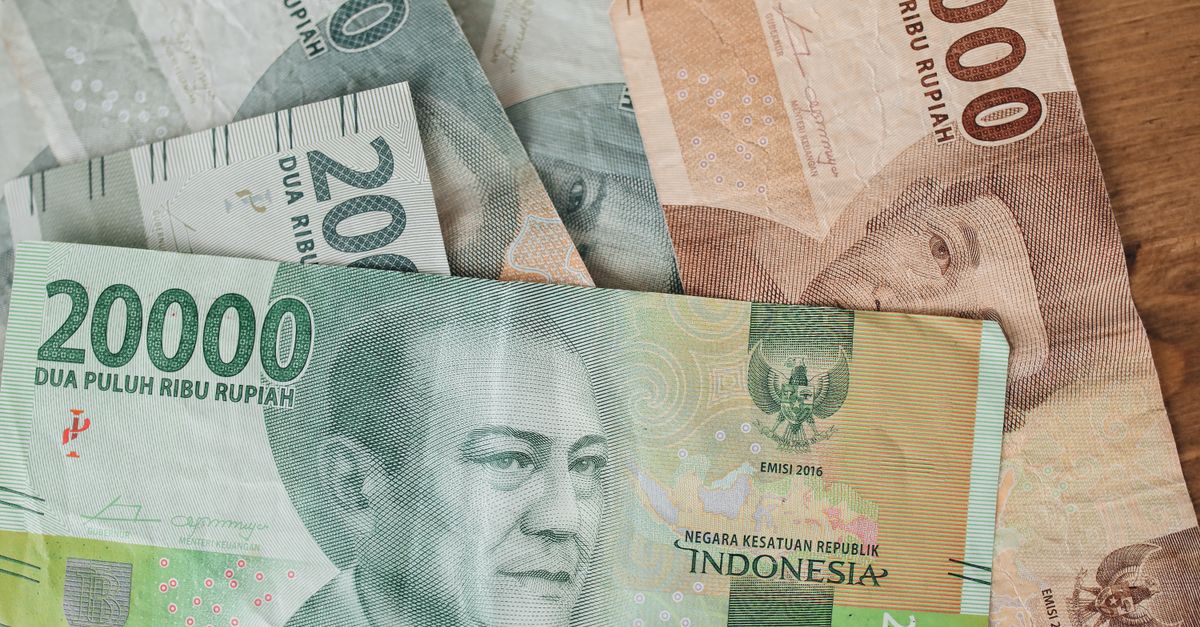
The rate on the board was too good, and I knew it, and I walked in anyway. A little exchange kiosk off a Kuta side street, USD 1 for a few hundred rupiah more than everyone else was offering. The chap behind the glass was lovely, asked where I was from, had a cousin in Manchester apparently, and counted my money out in a fast, folding shuffle that ended in a neat stack he pushed across the counter. Something made me recount it on the spot. I was short by nearly a full note, tucked out of sight in the fold. He smiled, “apologised”, and produced it instantly. I did not feel clever. I felt like I had nearly handed over my holiday money for a magic trick.
Most Bali scams are exactly that: sleight of hand dressed up as friendliness. They are not violent, they rarely involve threats, and they almost always rely on you being relaxed, jet-lagged, or too polite to make a fuss. After several long stints on the island I have seen most of them at least once, and been caught out by one or two. Here is the honest rundown of the tourist traps I would warn any friend about before they land, and the small habits that make you a much harder target.
The money changer scam: friendly, fast, and a note short
This is the one that nearly got me, and it is still the classic. A kiosk advertises a rate noticeably better than the banks and the bigger authorised changers. That inflated board is the bait. Once you are inside, the cashier is chatty and distracting, then counts your notes in a rapid fold, palming or dropping a note or two out of the pile before it reaches your hands.
The fix is boringly simple. Treat any rate more than about 3% above Google’s mid-market rate as a warning sign, not a windfall (as a rough guide, as of 2026 a fair rate is around IDR 17,000 to 18,000 to the US dollar, but verify locally on the day). Use an authorised money changer, PT Central Kuta being the well-known chain, or simply change money at your hotel. Bank Indonesia even runs a portal to check whether a changer is licensed. Then count every note yourself, twice, and be the last person to touch the money before you leave the desk. A legitimate operator will happily wait while you do. If it is a good idea to understand the currency before you arrive, my Bali money guide walks through the notes, the zeros, and how to avoid fumbling at the counter in the first place.
Taxi traps: fake Blue Birds and the “broken” meter
Bali’s genuinely reputable metered taxi firm is Blue Bird, and scammers know it, so they imitate it. At the airport and around the tourist strips you will see lookalikes painted a similar blue with names like “Blue Biru” or “Blue Bird Taxi” designed to blur at a glance. The real fleet has a bird logo on the roof, “BLUE BIRD” on the windscreen, a driver ID on the dash, and, crucially, a meter the driver actually uses.
The other version is the broken-meter switch. You get in, the driver agrees to the meter, and a few minutes later it is suddenly “not working” and the price becomes a fixed, non-negotiable and inflated number. The cleanest way around all of it is to book through an app so the fare is agreed before you move. Better still for airport runs and day trips, a pre-arranged driver removes the whole game. I use a Bali Private Car Charter for arrival days and longer excursions, because a fixed price agreed in advance means no meter theatre and no roadside haggling with luggage in the boot. If you are weighing up your options for the whole trip, my honest comparison of getting around Bali by scooter versus a driver lays out when each one actually makes sense.
The rental damage trap: scooters, jet skis, and pre-existing scratches
This is the scam I would most want a first-timer to be ready for, because it can cost real money. You rent a scooter or a jet ski, the handover is quick and friendly with barely a glance at the machine, and off you go. On return, the tone changes. Suddenly there is a cracked panel, a deep scratch, damage “underneath”, and a demand for hundreds of dollars on the spot to cover it. The scratch was almost certainly there before you arrived. You just were not shown it.
The passport makes it worse. Many shops ask for your passport as the deposit, which leaves you feeling trapped into paying to get it back. Protect yourself before you ride: take a slow video walking around the whole machine, every panel, mirror, exhaust and wheel, plus the odometer, and email it to yourself so it is time-stamped. Offer a cash deposit or a photocopy rather than your actual passport, and walk away if they insist on the original. Renting through your guesthouse adds a layer of protection, because that vendor depends on the hotel for repeat business. If a bike is your plan, read my full guide to renting a scooter in Bali first. And if a claim does land on you, do not pay under pressure, show your before-and-after footage, and call the Tourist Police, whose involvement usually settles it fast.
Money and drinks: ATM skimming and the arak switch
Two quieter risks worth naming. ATM skimming is common around the tourist hubs, where standalone street machines can be fitted with card readers. Stick to ATMs attached to real bank branches, BCA, BNI, Mandiri or CIMB Niaga, avoid any machine that looks isolated or unbranded, and cover your hand on the keypad.
The drinks one matters more for your health than your wallet. A known trick at cheaper venues is to swap a clear spirit like vodka for arak, a local moonshine that, when badly made, can contain methanol, which is genuinely dangerous. Order sealed beer or spirits poured from a branded bottle in front of you, stick to reputable bars, and never leave a drink unattended. This is also exactly the sort of situation where decent travel cover earns its keep, and I keep a SafetyWing policy running so that theft and medical mishaps are handled rather than becoming a holiday-ending panic.
Tickets, temples and the “it’s closed today” detour
The last cluster is about getting you to the wrong counter or the wrong shop. Near temple entrances, someone may step out before the official gate insisting on a “donation” or selling “tickets”, so only ever pay at the proper counter with a printed ticket. Then there is the closure con: a friendly local on a scooter tells you Ubud Palace, Tanah Lot or the Ubud Market is closed today for a ceremony, and kindly offers to take you somewhere “better”, which turns out to be a cousin’s high-pressure gem, art or batik showroom. Those sites are almost never actually closed. Check Google Maps for the real hours and walk past the informant to see for yourself.
One more of the moment: the fake Love Bali levy sites. Bali charges a tourist levy of around IDR 150,000 per visitor, and copycat .com pages try to collect it, or an inflated version of it, before you travel. Only pay through the official channel. I cover exactly how the levy works, and how to pay it safely, in my guide to the Bali tourist levy.
The top Bali scams at a glance
If you remember nothing else, remember this shortlist:
- Money changer sleight-of-hand: inflated rate, fast fold, a note goes missing. Use authorised changers and count twice.
- Fake Blue Bird taxis: lookalike blue cars and copycat names. Book the real app or a pre-arranged driver.
- Broken-meter switch: “meter’s broken”, price jumps. Agree the fare before you move.
- Rental damage claim: old scratches billed as new. Film the machine first, never leave your passport.
- ATM skimming: street machines cloned. Use bank-branch ATMs and cover the keypad.
- Arak drink switch: cheap spirits swapped for risky moonshine. Order sealed and branded.
- “Temple’s closed” detour: steered to a gem or batik shop. Verify hours, walk past.
- Fake Love Bali levy sites: copycat pages collecting the tourist levy. Pay only via the official portal.
A calmer way to think about it
None of this should put you off Bali, because it genuinely should not. The island is warm, generous and, for the most part, wonderfully safe, and the vast majority of drivers, changers and rental shops are honest people trying to make a living. The scams stand out precisely because they are the exception. What they share is a reliance on your good manners and your holiday haze, and that is the good news, because the defences are small and easy. Change money where it is licensed and count it yourself. Agree fares before you move. Film the scooter. Pay at official counters and through official sites. Cover the keypad, watch your drink, keep your passport in your own hands.
Do those few things on autopilot and you strip almost every trap of its power. I still walk into the occasional too-good-to-be-true kiosk out of curiosity, but now I count every note before I leave, and I have never been short again. Come for the rice terraces and the reef, stay a little sharp for the first day or two, and Bali will look after you far more than it ever tries to catch you out.
FAQs
What are the biggest scams in Bali in 2026?
The most common are the money-changer short-change trick, fake Blue Bird taxis and broken-meter fares, and scooter or jet-ski rental shops billing you for pre-existing damage.
How do I avoid the money changer scam in Bali?
Use an authorised changer or your hotel, treat any rate well above Google’s mid-market rate as bait, and count every note yourself, twice, before you leave the desk.
Are the taxis in Bali safe to use?
Genuine Blue Bird metered taxis are reliable, but lookalike “Blue Biru” cars and drivers with “broken” meters are not, so book through the official app or a pre-arranged driver.
How do I spot a fake Blue Bird taxi?
Look for the roof-mounted bird logo, “BLUE BIRD” on the windscreen, a visible driver ID on the dashboard, and a driver who actually starts the meter; when in doubt, book in the app.
How does the Bali scooter rental damage scam work?
The shop rents you a machine that already has scratches, then claims you caused them on return and demands a large cash payment, using your passport deposit as leverage.
Should I leave my passport as a scooter deposit in Bali?
No, offer a cash deposit or a photocopy instead, because holding your original passport is exactly what makes the damage-claim scam so hard to walk away from.
Is the Love Bali tourist levy a scam?
The official levy of around IDR 150,000 is real, but copycat .com sites collecting it are not, so only ever pay through the official Love Bali channel.
Is drink spiking a real risk in Bali?
It happens at some cheaper venues, often as a swap of clear spirits for risky bootleg arak, so order sealed or branded drinks poured in front of you and never leave a glass unattended.
Are ATMs safe to use in Bali?
Bank-branch ATMs from BCA, BNI, Mandiri or CIMB Niaga are generally fine, but avoid isolated street machines that can be fitted with skimmers, and always cover the keypad.
What should I do if I get scammed in Bali?
Stay calm and refuse to pay under pressure, show any photos or video you have, and contact the Tourist Police, whose involvement usually resolves rental and fare disputes quickly.
Before you go: I wrote this in 2026 and double-checked every price, fee, opening time and rule I could, but Bali changes fast. Treat the figures here as a guide and confirm the latest details before you book or travel.
Some of the links in this article are affiliate links: if you book through them I may earn a small commission at no extra cost to you. I only ever recommend things I would happily send a friend to.