Bali Safari and Marine Park: Tickets, Animals and What to Expect
An honest, first-hand walkthrough of Bali Safari and Marine Park in Gianyar, what the tickets actually get you, which animals and shows are worth your time, the welfare reality after Indonesia's 2025 elephant-riding ban, and how to plan a half-day that doesn't feel rushed.
The first time I took my niece to Bali Safari and Marine Park, the moment that stuck wasn’t the lions, it was the open-sided tram rolling slowly past a cluster of zebra while a keeper narrated in two languages and she went completely silent, nose pressed to the rail. That’s the thing about this place. It’s a proper day out in Gianyar, about half an hour east of Ubud, and it can be genuinely lovely. But it’s also a big commercial wildlife park with a confusing wall of ticket tiers and a few things I’d want you to know before you hand over your card.
So this is the honest version. I’ve been a handful of times over the years, with family, with visiting friends, once on my own just to see the new bits, and I’ll walk you through what the tickets actually get you, which animals and shows are worth your time, the welfare reality (including the 2025 elephant-riding ban), and roughly how long to set aside so the day doesn’t feel rushed or, frankly, overpriced. Bring sun cream and a refillable water bottle. You’ll be on your feet more than you think.
Where it is and getting to Gianyar without the stress
The park is on Jl. Bypass Prof. Ida Bagus Mantra in Serongga, Gianyar, out on the coastal-ish bypass road rather than up in the rice-terrace hills, which surprises people who picture it deep in the jungle. From central Ubud it’s about 30 minutes; from Kuta, Seminyak or the airport you’re looking at an hour to 75 minutes depending on how the bypass is behaving.
I’d skip the hire-scooter idea for this one. You’ll arrive hot and you’ve got a long day ahead, plus the bypass traffic isn’t where you want to be learning Balinese road etiquette. A hired driver for the day is the easy answer, book a private driver and they’ll wait while you’re inside, which means you can stay until closing without watching the clock. Reckon on roughly IDR 600,000–800,000 for a south-Bali return with waiting time, give or take.
If you’re already Ubud-based, it pairs neatly with a morning at the Sacred Monkey Forest before heading east, though honestly, the Safari alone is enough for one day with kids. Don’t over-stack it.
Tickets and packages: what the tiers actually mean
Right, the part everyone finds baffling. Bali Safari sells in tiers, and the names change more often than the actual contents. As a rough 2026 picture: the entry-level Safari Explorer / Jungle Hopper bracket covers the safari tram journey, the animal and elephant shows, the fun zone and waterpark; the mid Leopard tier adds express lanes, the freshwater aquarium, premium seating for the Bali Agung show, a photo with animals, a welcome drink and lunch; and the top VIP / Rhino tier piles on private extras. Day tickets for international visitors are commonly quoted from around IDR 720,000 for adults and a bit less for children (roughly 3–12).
My honest take: the cheaper end is fine if you mainly want the tram and a show or two. But the lunch-inclusive tiers genuinely save the faff of queuing for food in the heat with tired kids, and the express lane on a busy day is worth real money. Buy online before you go, gate prices are higher and the booking sites bundle transfers. Prices shift, so treat any figure here as a ballpark and check the live page when you book.
The safari tram, the shows and the Bali Agung spectacle
The heart of it is the safari tram, an open-sided journey through enclosures themed loosely by region, where you trundle past lions, zebra, hippos, deer and big cats with a guide pointing things out. It runs throughout the day while the day park’s open (roughly 09:00–17:00, with last admission usually around 16:00), and it’s the bit I’d never skip.
Then there are the scheduled shows. The elephant and big-cat presentations are the headline draws, and the cultural set-piece is Bali Agung, a genuinely ambitious theatre production telling a Balinese legend with dancers, puppetry, live animals and a gamelan score, staged in a purpose-built theatre Tuesday to Sunday, usually mid-afternoon around 14:30. It’s the one show I’d actually plan your day around; the costumes and staging are a cut above the usual tourist fare. Check the day’s timetable when you arrive because show slots shuffle, and the better seating is tied to the higher ticket tiers, worth knowing if you’ve bought the cheapest entry and then find yourself craning at the back.
The animals, the conservation work and the welfare bits I won’t gloss over
Here’s where I’ll be straight with you. Bali Safari does real conservation work, it’s part of Indonesia’s zoo association and runs breeding and conservation programmes for Sumatran tigers and orangutans, both critically threatened in the wild. Seeing those animals up close does land differently when you know the species is hanging on by a thread.
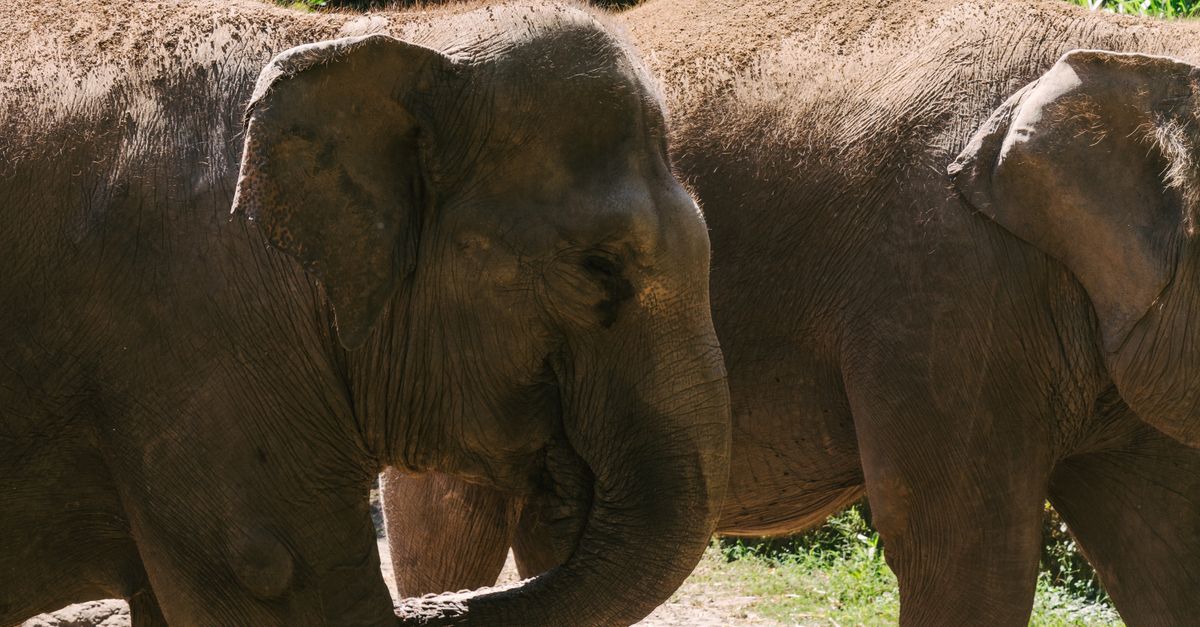
But it’s a commercial park, not a perfect sanctuary, and independent welfare groups including PETA and World Animal Protection have raised concerns about the performing-animal shows. The big change you should know about: as of late 2025, Indonesia’s Ministry of Forestry ended elephant-riding at tourism and conservation facilities nationwide, so you can no longer ride elephants here, and good. If you’re welfare-minded, I’d say enjoy the tram and the conservation talks, watch the cultural Bali Agung show, and feel free to give the trained-animal performances a miss. You can have a lovely, ethical-ish day here as long as you go in with your eyes open rather than expecting a flawless rescue centre.
Visiting with kids and how long to actually set aside
For families this is one of Bali’s easier big-ticket days, shade, toilets, food, a waterpark to burn off energy and animals that hold a toddler’s attention longer than any temple will. The waterpark and fun zone are genuine lifesavers for the post-lunch meltdown hour, so pack swimmers even if you weren’t planning to use them.
On timing: give it a solid half day, four to five hours minimum, and a full day if you’ve bought a lunch-inclusive tier and want the waterpark too. Arrive at opening (09:00) to do the tram while it’s cooler and the animals are more active, then slot the Bali Agung show and lunch into the hot middle of the day. Push it later than that and you’re paying premium prices to drag exhausted children round in 32-degree heat, nobody’s idea of fun. With under-fives, honestly, the tram plus one show plus the waterpark is plenty; you don’t need to “complete” the park.
In conclusion, no, I won’t say that. Here’s the real summary instead.
If you treat Bali Safari and Marine Park as a relaxed half-day in Gianyar, tram first, Bali Agung in the afternoon, eyes open about the welfare side, it’s one of the better family attractions on the island.
Have you been, or are you weighing it up against Bali Zoo or Bali Bird Park? Reply and tell me what your kids actually loved versus what got skipped, I’m forever updating my “is it worth it” notes, and the best tips always come from you lot, not the brochures.
FAQs
How much are Bali Safari and Marine Park tickets in 2026? Day tickets for international visitors start from around IDR 720,000 for adults, with several higher tiers. The cheapest tier covers the tram and basic shows; Leopard and VIP tiers add the aquarium, waterpark access, premium Bali Agung seating, lunch and express lanes. Prices change often and online booking is usually cheaper than the gate, so check the live page before you go.
Where exactly is Bali Safari and Marine Park? It’s in Serongga, Gianyar, on the Prof. Ida Bagus Mantra bypass road, about 19–20km east of central Bali’s tourist hubs. From Ubud it’s roughly 30 minutes by car; from Kuta or Seminyak it’s an hour to 75 minutes. It’s on the lower coastal road, not up in the hills.
What are the opening hours? The day park is generally open daily from 09:00 to 17:00, with last admission usually around 16:00; a separate Night Safari runs into the evening. The Bali Agung cultural show runs Tuesday to Sunday, usually mid-afternoon around 14:30. Times shift seasonally, so always grab the day’s schedule when you arrive.
Can you still ride elephants at Bali Safari? No. As of late 2025, Indonesia’s Ministry of Forestry ended elephant-riding at conservation and tourism facilities across the country, so it’s no longer offered here. You can still see the elephants and attend keeper presentations, but riding on their backs has stopped, a welcome change for the animals.
Is Bali Safari and Marine Park ethical? It’s a mixed picture. The park runs genuine breeding and conservation programmes for Sumatran tigers and orangutans, but welfare groups like PETA have criticised its performing-animal shows. Go in with eyes open: enjoy the tram and conservation side, and skip the shows you’re not comfortable with.
How long should I spend there? Set aside at least four to five hours for a comfortable visit, or a full day if you’ve got a waterpark-and-lunch package. Arrive at opening to do the tram while it’s cool, then use the hot middle of the day for the show, lunch and the waterpark.
Is it good for young children? Yes, it’s one of Bali’s more child-friendly big attractions, with a waterpark, fun zone, shade, food and animals that hold attention. For under-fives, the tram plus one show plus the waterpark is usually plenty without overdoing it.
What’s included in the basic ticket? The entry-level ticket typically includes the safari tram journey and the main animal and elephant shows. The Bali Agung show, aquarium, waterpark access, lunch and express lanes are bundled into the higher Leopard and VIP tiers.
Bali Safari or Bali Zoo, which is better? Bali Safari is bigger, has the tram safari and the Bali Agung show, and suits a full family day. Bali Zoo is smaller, more walkable and closer to Ubud. For a half-day with little ones, the Zoo is gentler; for the full spectacle, choose the Safari.
How do I get there without a scooter? Hire a private driver for the day, it’s the least stressful option and they’ll wait while you’re inside, so you’re not rushing. A south-Bali return with waiting time is usually around IDR 600,000–800,000, often cheaper bundled with your ticket through a booking site.
Before you go - I wrote this in 2026 and double-checked every price, fee, opening time and rule I could, but Bali changes fast. Treat the figures here as a guide and confirm the latest details before you book or travel.
Some of the links in this article are affiliate links: if you book through them I may earn a small commission at no extra cost to you. I only ever recommend things I would happily send a friend to.