
Bali in the Rainy Season: Why the Wet Months Might Be the Best Time to Visit
Bali's rainy season runs November to March, and it might be the best time to visit. Lower prices, fewer crowds, and the greenest landscapes you'll ever see.
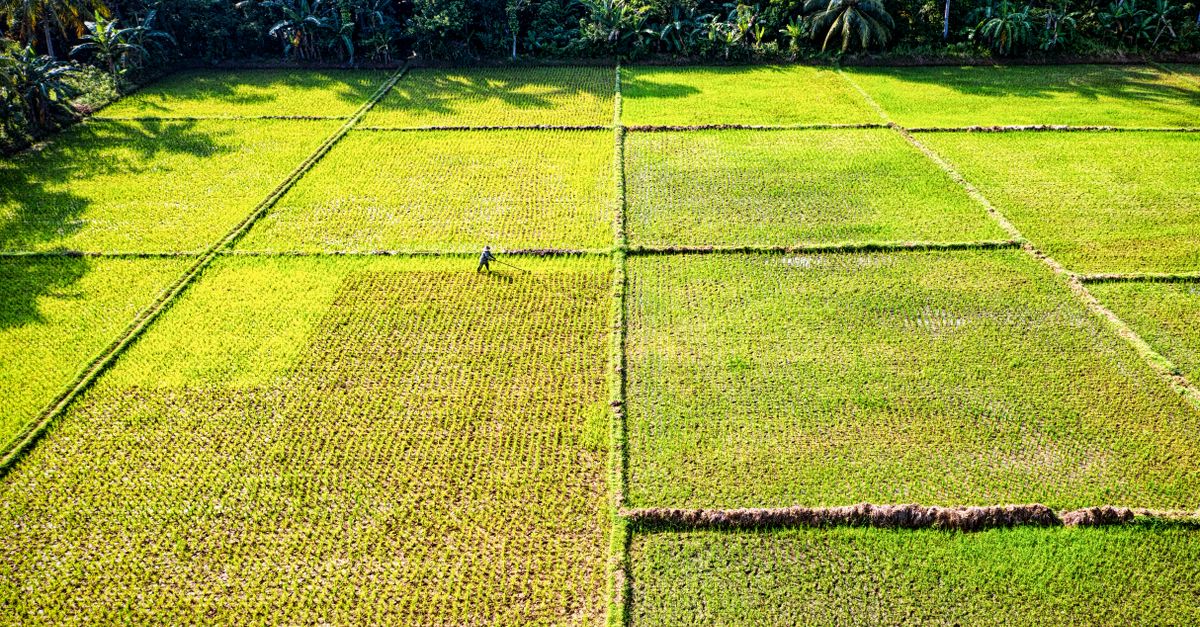
I landed at Ngurah Rai in mid-January last year, and the baggage hall smelled like warm rain and frangipani. The Australian family behind me in the queue were already complaining: “We picked the wrong month,” the dad muttered, scrolling through a weather app that showed nothing but cloud icons. Three days later, I watched them at a near-empty Tegalalang rice terrace, phones out, kids running along the pathways, not another tour group in sight. Nobody was complaining any more.
Here’s the thing about Bali’s rainy season: it has a branding problem. People hear “monsoon” and picture grey, relentless downpours, the sort of weather that cancels a holiday. The reality is nothing like that. Most days follow the same rough pattern: sunshine until early afternoon, a heavy hour-long downpour, then the sky clears again. In exchange for carrying a rain jacket, you get fewer crowds, lower prices, and an island so impossibly green it looks digitally enhanced.
This is my honest guide to visiting Bali between November and March: what to expect, what to do, what to pack, and the downsides nobody should gloss over.
What Bali’s Rainy Season Actually Looks Like
If you’ve only ever visited Bali between June and September, the wet season will feel like a different island. Not worse, just different.
The Daily Pattern
Most days during Bali’s rainy season start bright and hot. Mornings are clear more often than not, with sunshine strong enough to burn you pink by 10 a.m. Clouds build through late morning, and the rain usually arrives somewhere between 2 p.m. and 5 p.m.: a heavy downpour that hammers on corrugated roofs and turns gutters into rivers. Loud, dramatic, and over fast. It rarely lasts more than an hour or two.
By early evening, the sky has cleared. Sunsets during the wet months can be extraordinary, the leftover moisture scatters light into colours that the dry season rarely produces.
January is the wettest month, averaging around 350 mm of rainfall over roughly 19 rainy days. February follows at about 280 mm. But even at the peak of the wet season, completely washed-out days (rain from morning to night) are uncommon. I’ve had maybe three or four in all the Januarys I’ve spent here.
Regional Differences Worth Knowing
Rainfall isn’t uniform across the island. The mountains in central Bali attract far more rain than the coast. Munduk and the northern highlands can see 300–400 mm per month during peak wet season, while the east coast around Amed and Candidasa stays comparatively dry at 80–150 mm. South Bali (Canggu, Seminyak, Kuta) sits in the middle at 150–250 mm, and Ubud, being higher and more inland, tends toward 250–350 mm.
If rain genuinely bothers you, base yourself on the east coast. Amed in December feels more like a mild shoulder season than a monsoon.
Why I Prefer Bali in the Rainy Season
I’ll say this plainly: the wet months are my favourite time to be in Bali. Not despite the rain, partly because of it.
Fewer Crowds, Lower Prices
The difference is stark. Visit Tegalalang in August and you’ll queue for the swing, jostle for photo spots, and pay a premium for everything nearby. Go in late November and you might have entire sections of the terraces to yourself.
Accommodation prices drop noticeably outside the Christmas to New Year window (roughly 20 December to 5 January, when prices spike again). Boutique hotels that charge $130–180 per night in July drop to $80–120. Private villas with pools can be 30–40% cheaper. Flights from Australia to Bali run around $450–650 AUD in the low season, compared to $850–1,200 during July and August. From Europe, expect to save around 40%.
The savings extend to experiences too. Rafting operators, dive shops, and tour companies often run rainy-season promotions or are more willing to negotiate group discounts.
The Island at Its Greenest
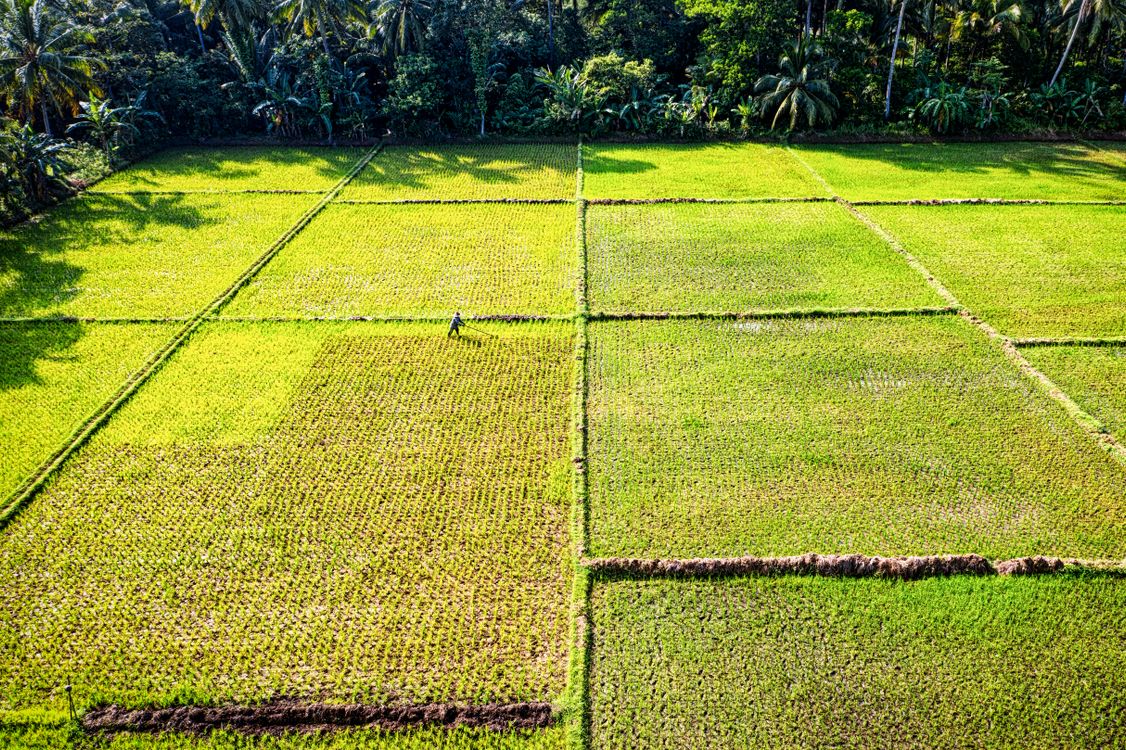
This is the part that photographs can’t quite convey. Bali’s rice terraces during the dry season are beautiful: golden, sculptural, layered. During the wet season they’re luminous. The paddies fill with water, the new rice shoots glow an almost neon green, and the humidity softens the light into something cinematic.
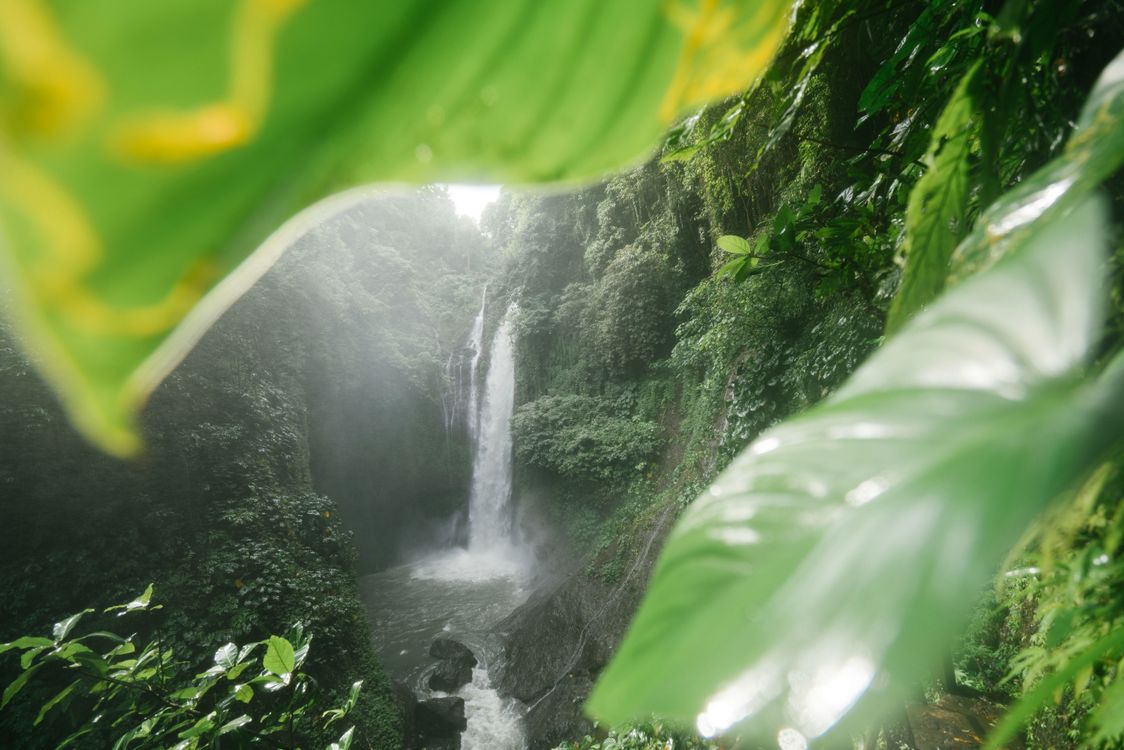
Waterfalls hit their peak too. Sekumpul, Tukad Cepung, Tibumana, all flowing at full force, and it’s spectacular. If waterfall-chasing is on your list, there’s no better time.
What to Do in Bali During the Rainy Season
The wet season doesn’t shrink your itinerary, it reshuffles it. You learn to front-load outdoor plans into the morning and save indoor activities for when the afternoon rain rolls in.
Outdoor Adventures That Improve in the Wet
White-water rafting on the Ayung River near Ubud is actually better during the rainy season. Higher water levels mean stronger rapids, and most operators run year-round. Expect to pay around IDR 450,000–550,000 per person (roughly £22–27), which typically includes a guide, equipment, insurance, and lunch. The Telaga Waja river is a step up in difficulty at IDR 450,000–600,000.
Surfing shifts to the east coast during the wet months. Keramas, Sanur Reef, and Nusa Dua pick up consistent swells, and if you’re an intermediate surfer, the east-coast breaks are more forgiving than the west-coast reefs of dry season.
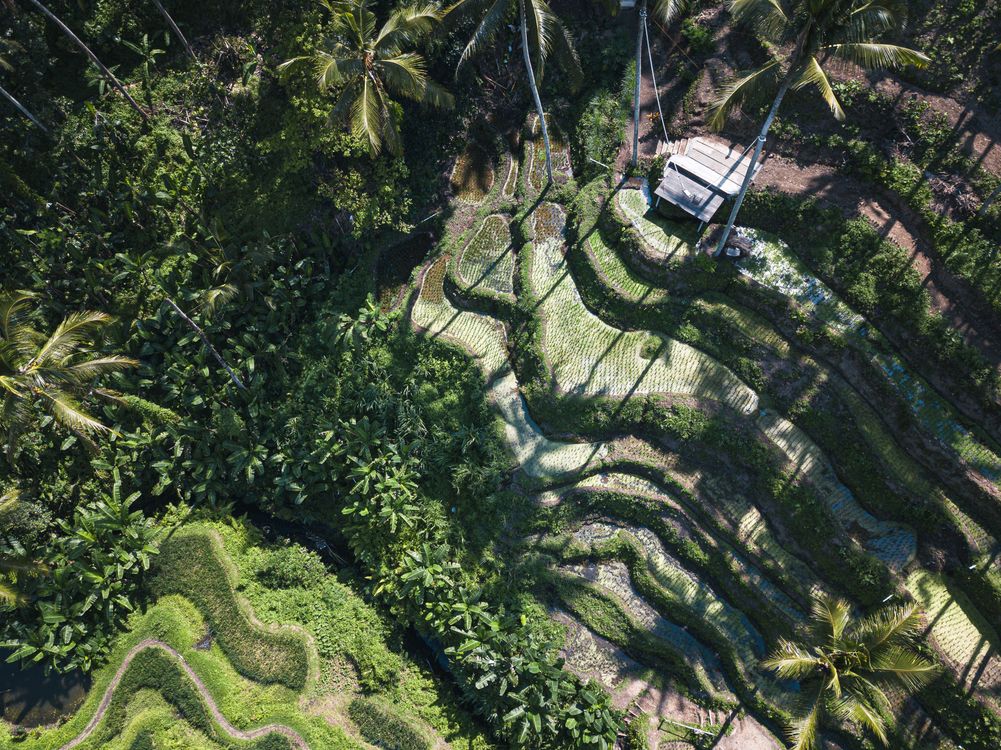
And honestly? Walking through Ubud’s Campuhan Ridge or the Jatiluwih rice terraces just after a downpour, when the air is cool and everything smells of wet earth and grass, is one of my favourite things to do anywhere in the world.
Indoor Escapes for Rainy Afternoons
Balinese cooking classes run rain or shine, and they’re one of the best things you can do on the island regardless of weather. I’d recommend booking one in Ubud: you’ll typically visit a local market in the morning (before the rain), then spend the afternoon learning to make babi guling or lawar in a covered kitchen.
Bali’s spa culture comes into its own during the wet months. A two-hour Balinese massage at a mid-range spa runs about IDR 250,000–400,000 (£12–20), and when it’s raining outside the experience feels especially indulgent. I genuinely miss that sound, rain on a thatched roof while someone works on your shoulders, when I’m back in the UK.
Other rainy-afternoon options: silver jewellery workshops in Celuk, batik painting in Ubud, visiting the Blanco Renaissance Museum, or simply settling into a café with a good book and a turmeric latte.
The Honest Downsides of Bali’s Rainy Season
I wouldn’t be doing my job if I made this sound entirely idyllic. There are real trade-offs.
Health and Safety
Dengue fever cases spike during the wet season. The mosquitoes that carry dengue (Aedes aegypti) breed in standing water, and there’s plenty of that from November onwards. October marks the start of Bali’s high-risk mosquito season, with cases climbing through January and February.
Prevention matters more than worry: wear DEET-based repellent (at least 30%), especially at dawn and dusk. Stay in accommodation with screens or air conditioning. Wear light long sleeves in the evenings. And make sure your travel insurance explicitly covers dengue treatment. A hospital stay in Bali can run to several million rupiah, and without insurance you’ll pay out of pocket.
Scooter riding also gets riskier. Roads get slippery, drainage in some areas is poor, and visibility drops during downpours. If you’re not a confident rider, avoid riding during or just after heavy rain. Speed limits in built-up areas are 50 km/h, slower than many tourists assume, and an International Driving Permit is legally required.
Travel Disruptions
Fast boats to the Gili Islands and Nusa Penida can be cancelled during rough weather, particularly in December through February. Flights to and from Ngurah Rai generally operate normally (the airport handles rain well), but inter-island ferries and small-boat transfers can be unreliable.
If island-hopping is a priority, build buffer days into your itinerary. I’ve been stuck on Nusa Lembongan for an extra night more than once because the crossing was too rough. It’s not the end of the world (the island’s lovely), but it does require flexibility.
Localised flooding happens in low-lying areas, particularly around Kuta and parts of south Denpasar. Rarely dangerous, but it can disrupt scooter routes and cause traffic jams.
What to Pack for Bali’s Rainy Season
Packing for Bali’s wet season is mostly about quick-drying fabrics and waterproof protection for your electronics. You don’t need heavy rain gear, a lightweight, packable rain jacket is enough. Here’s what I always bring:
A compact waterproof jacket, not a thick hiking one. Something you can stuff into a daypack. A dry bag or waterproof pouch for your phone, wallet, and passport. Quick-dry clothing (cotton absorbs moisture and takes forever to dry in Bali’s humidity). Reef-safe sunscreen, because the mornings are still scorching. DEET insect repellent (30% or higher). Sandals with grip, the pavement outside temples can be treacherous when wet. And a small travel umbrella, though honestly I use mine less than I expect to. The rain comes hard and fast, and by the time you’ve found the umbrella, it’s usually passing.
Month-by-Month: What to Expect from November to March
November: The transition month. Rain picks up but stays sporadic, maybe a shower every other day. Humidity climbs. Prices are at their lowest. This is arguably the sweet spot: green landscapes, few tourists, and mostly manageable weather.
December: Rainfall increases to 200–250 mm. The first three weeks are still good value for accommodation, but Christmas week onwards sees prices jump sharply, sometimes matching or exceeding dry-season rates. Book early if you’re travelling over the holidays.
January: The wettest month. Around 350 mm of rain over 19 days. The afternoon downpours are heavier and occasionally last into the evening. But mornings stay mostly clear, and prices (outside New Year’s week) are rock-bottom. This is when the rice terraces are at peak green.
February: Still heavy at around 280 mm, but the intensity starts to ease. Surf conditions on the east coast are excellent. Hotel availability is high and rates stay low.
March: The tail end. Rain tapers off through the month. By late March, the weather starts to resemble the dry season. Prices creep up as the shoulder season approaches. A good month for travellers who want green landscapes without the heaviest rain.
Final Thoughts
Bali’s rainy season isn’t something to endure, it’s something to plan for. The lower prices alone make it worth considering, but it’s the quieter temples, the luminous rice terraces, and the waterfalls at full power that make November to March my preferred time to visit.
You do need to be sensible about it. Pack the right gear, take mosquito prevention seriously, build flexibility into any island-hopping plans, and accept that the odd afternoon will be a write-off. But if you can make peace with a daily downpour, and discover how spectacular Bali looks when it’s drenched, you might find, like I did, that the “wrong” season is actually the right one.
Have you visited Bali during the rainy season? I’d love to hear what surprised you most, drop me a reply or a comment. And if you’re still planning, my guides to Bali’s best hiking trails and local markets are worth a read before you go.
FAQs
Does it rain all day during Bali’s rainy season?
No. Rain during Bali’s wet season typically falls as a heavy afternoon downpour lasting one to two hours. Mornings are usually sunny and clear, even in the wettest months of January and February. All-day grey rain is uncommon.
What months are Bali’s rainy season?
Bali’s rainy season runs from November to March, with December through February being the wettest period. January is the peak month, averaging around 350 mm of rainfall. November and March are transition months with lighter, more sporadic showers.
Is it worth visiting Bali in the rainy season?
I think it’s one of the best times to go. Prices for accommodation and flights drop significantly (hotels can be 30–40% cheaper), tourist crowds thin out, the landscape turns a vivid green, and waterfalls flow at full force. The trade-off is afternoon showers and higher humidity.
Can you still surf in Bali during the rainy season?
Yes. Surfing shifts from the west coast to the east coast during the wet months. Breaks like Keramas, Sanur Reef, and Nusa Dua pick up consistent swells and suit intermediate surfers well. The east-coast conditions are often more forgiving than the west-coast reefs popular in dry season.
How much cheaper is Bali in the rainy season?
Outside the Christmas to New Year window, accommodation can be 30–40% cheaper than dry-season rates. Flights from Australia drop from $850–1,200 AUD to $450–650 AUD. From Europe, savings of around 40% are common. Local tours and activities often have rainy-season promotions too.
Is dengue fever a risk during Bali’s rainy season?
Dengue cases go up during the wet season because mosquitoes breed in standing water. October marks the start of the high-risk period, peaking in January and February. Wear DEET-based repellent (30% or higher), sleep in screened or air-conditioned rooms, and make sure your travel insurance covers dengue treatment.
What should I pack for Bali’s rainy season?
A lightweight packable rain jacket, quick-dry clothing, a waterproof phone pouch, DEET insect repellent, grip sandals, and reef-safe sunscreen for sunny mornings. Skip heavy rain gear, it’s too hot, and bring a dry bag for electronics. Avoid cotton clothing; it stays damp in the humidity.
Are boat trips to Nusa Penida and the Gili Islands affected by the rainy season?
Yes. Fast-boat services can be cancelled during rough seas, particularly December through February. Flights to and from Bali operate normally, but inter-island boat transfers are less reliable. Build buffer days into island-hopping plans and avoid booking tight connections after a boat crossing.
What are the best activities in Bali during the rainy season?
Morning outdoor activities work well: waterfall hikes, rice-terrace walks, and white-water rafting on the Ayung River (IDR 450,000–550,000 per person, roughly £22–27). For rainy afternoons, try Balinese cooking classes, spa treatments (IDR 250,000–400,000 for a two-hour massage), silver workshops, or Ubud’s museums and galleries.
Which part of Bali gets the least rain during the wet season?
The east coast (Amed and Candidasa) gets the least rainfall at 80–150 mm per month during peak wet season, compared to 250–350 mm in Ubud and 300–400 mm in the northern highlands around Munduk. If rain is a concern, basing yourself in east Bali cuts its impact on your trip a lot.


