
The Complete Buyer's Guide: Hidden Costs and Due Diligence for Bali Property
Discover the hidden costs of buying property in Bali: from BPHTB tax and PPAT fees to PT PMA setup and leasehold renewal. Your complete 2026 buyer's guide.
I sat in a notary’s office in Denpasar, watching my friend sign what she thought was the final document for her Bali villa purchase. She’d budgeted for the villa itself (a gorgeous two-bedroom place in Berawa) and felt pretty chuffed about negotiating the price down by $15,000. Then the notary slid a breakdown of additional costs across the desk. BPHTB acquisition tax. PPAT fees. Legal review. Company setup charges. She added it all up and those “savings” had vanished. And then some.
The hidden costs of buying property in Bali catch almost every foreign buyer off guard. Not because the information isn’t out there, but because most of it lives in Indonesian-language regulations and gets glossed over by agents who’d rather talk about infinity pools than tax obligations. I’ve watched enough friends go through this (some smoothly, some disastrously), and the purchase price is just the starting point.
This guide covers every cost I’ve seen land on a buyer’s desk, the due diligence steps that separate a good investment from an expensive headache, and the red flags that should make you walk away.
The Price Tag Nobody Mentions: Hidden Costs of Buying Property in Bali
Here’s the figure that tends to make people go quiet: on top of your agreed purchase price, expect to pay an additional 8–15% in taxes, fees, and legal costs. That range depends on whether you’re buying leasehold or through a company structure. For a villa priced at IDR 5 billion (roughly $310,000), that’s an extra $25,000 to $47,000 that wasn’t in anyone’s Instagram caption.
Acquisition Taxes That Catch Buyers Off Guard
The big one is BPHTB: the land and building acquisition tax. It’s 5% of the property value minus a regional exemption threshold (typically IDR 60–80 million in most Bali regencies). On that IDR 5 billion villa, you’re looking at roughly IDR 246 million (about $15,400) before you’ve paid a single legal fee. This only applies if you’re buying Hak Pakai or HGB title. Leasehold (Hak Sewa) avoids BPHTB entirely, which is one reason it stays so popular with foreign buyers.
Then there’s PPN (VAT). If you’re buying a new-build directly from a developer, you’ll pay 11% VAT on top. Not on resales, mind: only new properties. And for anything above IDR 30 billion (about $2 million), there’s an additional 20% luxury goods tax. Most buyers won’t hit that threshold, but it’s worth knowing.

Always read every document before signing: the fine print in Bali property transactions contains most of the costs that catch buyers out.
Legal Fees, Notary Costs, and Agent Commissions
Your PPAT (the certified land deed official) will charge 1–2.5% of the transaction value. On a IDR 5 billion property, that’s IDR 50–125 million ($3,100–$7,800). You’ll also want an independent property lawyer (separate from the PPAT), and that runs $1,000–$5,000 depending on how complicated the deal is.
Agent commissions in Bali are around 5% of the sale price, typically paid by the seller. In practice, though, that cost gets baked into the asking price, so it affects you either way.
The seller pays their own tax too: PPh (income tax) at 2.5% of the transaction value. That’s their problem, not yours, but if a seller tries to negotiate you into covering it, walk away.
Setting Up a PT PMA: What It Actually Costs to Own Property in Bali
If you want to hold property through a company, which gives you HGB (right to build) for up to 80 years and is the most secure structure for foreign ownership, you’ll need a PT PMA (foreign-owned limited company).
Minimum Capital Requirements
The paid-up capital requirement dropped from IDR 10 billion to IDR 2.5 billion (roughly $155,000) under the Omnibus Law reforms. That’s a big drop, but it’s still a lot of money. This isn’t a fee you pay to someone; it’s capital that must sit within your company structure.
Setting up the company itself costs $3,000–$8,000 in legal and registration fees, depending on your lawyer and the complexity of your business activities.
Ongoing Annual Compliance Costs
This is the part most agents don’t mention. A PT PMA requires annual bookkeeping, tax filings, and compliance reporting. Budget $2,000–$5,000 per year, every year, for as long as you own the company. Miss a filing and you risk penalties, or worse, your company’s status being questioned, which puts the property itself at risk.
Your Due Diligence Checklist for Buying Property in Bali
I can’t say this strongly enough: skipping due diligence in Bali is like skipping the foundations on a house. Everything looks fine until it doesn’t. The process typically takes 2–6 weeks and costs $1,000–$5,000, a fraction of what you’ll lose if something goes wrong.
Title Verification and BPN Checks
Start at the BPN (National Land Agency). Request a formal title search to confirm the certificate is genuine, the seller’s name matches, and there are no mortgages, liens, or disputes registered against the property. This costs $50–$200 and takes 3–7 business days. It’s the single most useful check you’ll do.
Verify the full chain of ownership. If the land was inherited, every legal heir must have signed consent: one missing signature can void your entire purchase. And if someone offers you a Girik or Letter C certificate (old customary land titles), those should have been converted to formal titles before February 2026.

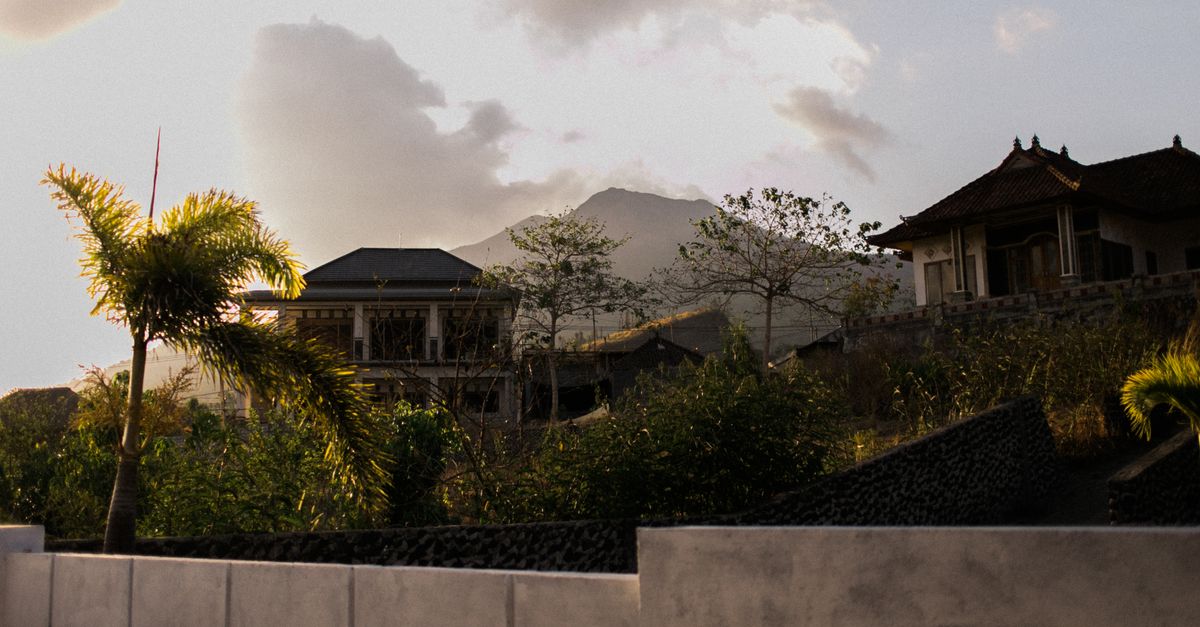
Beautiful from the outside, but without proper due diligence, you can’t know what legal complications might lie beneath the surface.
Zoning, Permits, and Access Rights
Get written zoning confirmation from the local kecamatan (district office). Don’t rely on what the seller or agent tells you; verify the land use classification yourself: residential, commercial, tourism, agricultural, or green zone. If you plan to rent the property out, confirm that a Pondok Wisata licence is obtainable for that specific plot.
Check for legal road access: a registered right of way from a public road, documented on the certificate. Properties without formal access rights can become landlocked disputes that drag on for years. Hire a licensed surveyor ($200–$500) to verify that the physical boundaries match what’s on the certificate.
The Costs That Keep Coming: Annual Expenses Every Bali Property Owner Faces
Buying the property is one cost event. Owning it is a rolling commitment.
Taxes, Insurance, and Management Fees
PBB (annual property tax) is 0.1–0.5% of the government-assessed value. On a mid-range villa, expect IDR 2–10 million ($125–$625) per year. Property insurance adds $500–$2,000 annually. Maintenance (pool care, garden upkeep, tropical weather repairs) adds another $2,000–$5,000.
If you’re renting the property out, property management companies take 10–20% of your rental income. The tax on that rental income depends on your residency status: 10% if you’re an Indonesian tax resident, 20% if you’re not. Through a PT PMA, you’ll pay 22% corporate income tax on net profit.
Leasehold Renewal: The Bill Most Buyers Forget
If you’ve bought leasehold (and roughly 82% of property listings in Bali are leasehold), you’ll eventually need to renew. Current rates for prime areas like Canggu and Seminyak are IDR 35–50 million per are per year ($2,200–$3,100). For a typical 5-are plot renewed for 25 years, you could be looking at $275,000–$390,000 in Canggu. Some estimates put renewal costs at around 30% of the villa’s value at the time of extension.
The smartest move? Include a pre-agreed valuation method in your original contract: something like “the average valuation of three independent licensed agencies at renewal time.” It stops you losing leverage later, when the landowner knows you’ve already invested heavily in the property.
Red Flags and Deal Breakers: What to Walk Away From
Nominee Arrangements and Why They’re a Crime
I still hear people discussing nominee arrangements in cafés in Canggu as though they’re a clever workaround. They’re not: they’re illegal. Under Perda 4/2026 and earlier regulations, using an Indonesian citizen to hold property on your behalf (batal demi hukum, void by law) is now a criminal offence, not just a civil risk. The nominee can legally claim the property as their own, and you have no legal recourse.
The Warning Signs That Should Stop Any Deal
Walk away if the seller refuses a BPN title search. Walk away if there’s pressure to skip due diligence or rush the timeline. Walk away if the agent or developer insists you use only their notary. Walk away if the zoning doesn’t match the intended use. And absolutely walk away from unconverted Girik or Letter C certificates and any building where the structure exceeds the dimensions on the PBG (building permit): enforcement risk is real.
How to Protect Yourself: Building a Trustworthy Team in Bali
The best protection isn’t a contract clause: it’s the people around you. Find a PPAT who is independent from the seller, agent, and developer. Verify their licence number. Then hire a separate property lawyer to review everything the PPAT does. Yes, it’s two sets of fees. The independence is what protects you.
Structure your payments in stages: a deposit on signing the preliminary agreement, a second payment once BPN verification is complete, and the final balance only when the AJB (deed of sale) is signed and the title transfer is confirmed. Never pay 100% upfront. I’ve seen this go wrong too many times.
Keep certified copies of everything: land certificate, seller’s ID, PBG, SLF, tax receipts, utility payments, survey results, and all contracts. You’ll need them for any future sale, and you’ll be glad you have them if a dispute ever comes up.
If all of this sounds like a lot of work, it is. Buying property in Bali isn’t like buying a flat in Manchester. The legal system is different, the ownership structures are unfamiliar, and the stakes are real. But thousands of foreigners own property here successfully. The ones who do well went in with their eyes open and their due diligence done properly.
FAQs
What percentage should I budget on top of the purchase price for hidden costs when buying property in Bali?
Budget an additional 8–15% of the purchase price for taxes, legal fees, and administrative costs. Leasehold purchases sit at the lower end (around 2–4% in additional costs), while Hak Pakai acquisitions add roughly 8–12%, and PT PMA company structures can push total add-on costs to 10–15% or more when you include the minimum paid-up capital requirement.
What is BPHTB and how much does it cost?
BPHTB is the land and building acquisition tax, charged at 5% of the property value minus a regional exemption threshold (typically IDR 60–80 million in Bali). On a IDR 5 billion villa, that works out to roughly IDR 246 million (about $15,400). It applies to Hak Pakai and HGB transfers but not to leasehold (Hak Sewa) transactions.
How much does it cost to set up a PT PMA to buy property in Bali?
The minimum paid-up capital is IDR 2.5 billion (approximately $155,000), which must sit within the company structure. Company registration and legal setup fees range from $3,000 to $8,000. Ongoing annual compliance (bookkeeping, tax filings, and reporting) adds another $2,000–$5,000 per year.
What does property due diligence cost in Bali and how long does it take?
Due diligence typically costs $1,000–$5,000 in total, covering BPN title searches ($50–$200), licensed surveyor fees ($200–$500), zoning confirmation ($50–$150), legal review ($500–$2,000), and physical inspection ($200–$800). The process takes 2–6 weeks depending on how complicated the transaction is.
Are nominee arrangements legal for buying Bali property as a foreigner?
No. Nominee arrangements (where an Indonesian citizen holds property on your behalf) are illegal and classified as void by law (batal demi hukum). The nominee can legally claim the property as their own, and you’d have no legal recourse. Under current regulations, nominee arrangements carry criminal penalties.
How much does it cost to renew a leasehold in Bali?
Renewal costs vary a lot by location. In prime areas like Canggu and Seminyak, land renewal rates are IDR 35–50 million per are per year ($2,200–$3,100). For a typical 5-are plot renewed for 25 years, expect to pay $275,000–$390,000 in Canggu. Some estimates put the cost at roughly 30% of the villa’s market value at renewal time.
What annual taxes and fees do Bali property owners pay?
Annual property tax (PBB) is 0.1–0.5% of the government-assessed value, typically $125–$625 for a mid-range villa. Property insurance costs $500–$2,000 per year. Maintenance averages $2,000–$5,000. If you use a property management company, they take 10–20% of rental income. PT PMA owners also face $2,000–$5,000 in annual compliance costs.
What is the difference between a notary and a PPAT in Bali property transactions?
A PPAT (Pejabat Pembuat Akta Tanah) is a certified land deed official authorised to handle property transfer documents. A notary handles broader legal documentation. For property purchases, you need a licensed PPAT to process the deed of sale (AJB). I’d also recommend hiring a separate independent property lawyer to review the PPAT’s work: the independence between the two is what protects you.
What are the biggest red flags when buying property in Bali?
Walk away if the seller refuses a BPN title verification, if nominee ownership is proposed, if there’s no registered legal road access, if you’re pressured to skip due diligence, if the zoning doesn’t match your intended use, if the certificate is an unconverted Girik or Letter C, or if the building exceeds the dimensions on its PBG (building permit).
How should I structure payments when buying property in Bali?
Never pay 100% upfront. Structure payments in stages: a deposit when signing the preliminary agreement, a second payment once BPN verification and due diligence are complete, and the final balance only when the AJB (deed of sale) is signed and title transfer is confirmed. This staged approach protects you if problems come up during due diligence.


