Local Festivals in Bali: Participating in Authentic Celebrations
Discover Bali local festivals: Galungan, Nyepi, and temple ceremonies you can attend as a visitor. 2026 dates, dress code, and etiquette from a UK expat.

I wasn’t supposed to be there. I’d been walking down a side street in Ubud, trying to find a warung someone had recommended, when I heard the gamelan. Not the polished performance you’d catch at a hotel. This was raw, alive, spilling out of a family compound where dozens of people in white lace tops and bright sarongs carried towers of fruit and flowers on their heads. A woman near the gate caught my eye and waved me over. “Come, come,” she said, pressing a stick of incense into my hand.
That was the moment I realised Bali’s festivals aren’t spectacles held behind velvet ropes. They’re part of the island’s daily rhythm and if you show up with the right attitude (and the right sarong), you might just find yourself invited in.
Most visitors fly to Bali and never experience any of this. They see the canang sari offerings on the pavement and step over them without knowing what they mean. They hear the word “Galungan” and assume it’s something that doesn’t involve them. This guide is here to change that to help you understand Bali’s local festivals, participate with real respect, and have the kind of experiences you’ll still be talking about years from now.
Why Bali’s Local Festivals Changed How I Travel
There’s a version of Bali that exists on Instagram: infinity pools, acai bowls, sunset cocktails at a beach club. I’ve done all of that, and it’s lovely. But the Bali that stayed with me (the one that made me rebook flights and eventually start writing about this island) is the one I found inside temple walls and family compounds during ceremony days.
The difference between watching and being welcomed
Bali runs on the Pawukon calendar, a 210-day cycle that means there’s almost always a ceremony happening somewhere. On any given day, someone’s village temple is celebrating its odalan (anniversary), a family is marking a tooth-filing rite, or an entire community is preparing offerings for a holy day. The Balinese don’t hide their faith away. It’s woven into the streets, literally: canang sari offerings turn up on doorsteps, motorbike seats, even ATM machines every single morning.
What surprised me most was how welcoming people were. A complete stranger guided me to a seat at a temple ceremony. A family handed me a plate of food after a village celebration. A grandmother who spoke about six words of English taught me how to fold a palm-leaf offering. But the welcome comes with an unspoken expectation: you show respect. You dress properly. You don’t shove a phone camera into someone’s prayer. Get that right, and you’ll find yourself included in ways no tour package can arrange.
Galungan and Kuningan: The Bali Local Festivals You’ll Never Forget
If you can only time your trip around one festival, make it Galungan. It’s the most visually striking day on Bali’s calendar, and it carries a weight you can feel the moment you step outside.
What happens during Galungan
Galungan falls on June 17, 2026, and celebrates the victory of dharma (good) over adharma (evil). In the days leading up to it, the whole island shifts gear. Families build penjor (tall, curved bamboo poles decorated with coconut leaves, fruit, and woven ornaments) and plant them along both sides of the road outside their compounds. The effect is extraordinary. Entire streets become green-and-gold tunnels, the tips of the penjor arching overhead.
On the morning of Galungan itself, families dress in their finest ceremonial clothes and visit their local temple to pray. Offerings are stacked high (rice, flowers, fruit, incense) and the air is thick with the scent of frangipani and clove. Nobody expects you to pray. But if you’re dressed properly and standing quietly at the edge, someone will often wave you over to sit and watch.
Kuningan and the final farewell
Ten days later, on June 27, Kuningan marks the end of the Galungan period. It’s the day the ancestral spirits return to heaven. Yellow rice is the signature offering: you’ll see it everywhere, pressed into small banana-leaf packets. Kuningan is slightly quieter than Galungan itself, which actually makes it a beautiful time to wander through villages. The penjor are still standing, the atmosphere is still festive, but the crowds are thinner. I once sat on a step outside a village temple in Gianyar on Kuningan morning, eating jaja (Balinese rice cakes) that a neighbour brought out, and it’s one of my favourite memories of this island.

Nyepi: When the Entire Island Falls Silent
Nyepi is unlike anything you’ll experience anywhere else on Earth. On March 19, 2026, the entire island of Bali shuts down for 24 hours. No flights in or out. No cars on the road. No lights after dark. Even the Wi-Fi is switched off in most areas. It’s the Balinese New Year (Saka New Year, to be precise) and it’s designed as a day of total silence and self-reflection.
Ogoh-Ogoh parades the night before
The real spectacle happens the evening before Nyepi, during the Ogoh-Ogoh parades. Communities spend weeks building enormous papier-mâché demons (some of them three or four metres tall), which are then paraded through the streets on bamboo platforms carried by dozens of young men. The figures are meant to represent evil spirits, and the noise, fire, and chaos of the parade is intended to drive those spirits away before the silence begins. It’s loud, chaotic, joyful, and completely unforgettable. Head to Denpasar or Kuta for the biggest parades, though even the small village versions hit differently.
What to expect during the 24-hour silence
If you’re on the island during Nyepi, you must stay indoors. Hotels remain open but guests are expected to stay on the property , no beach walks, no popping out for coffee. The traditional Balinese pecalang (village security officers) patrol the streets to enforce the quiet. Some travellers find it frustrating. I found it extraordinary. No traffic noise. No construction. Just birds. And at night, the stars are staggering, because, there are zero artificial lights anywhere on the island.

Smaller Ceremonies Worth Planning Your Trip Around
Galungan and Nyepi get the attention, but Bali’s local festival calendar is full of quieter celebrations that are just as special, and far less crowded.
Saraswati, Pagerwesi, and the Tumpek days
Saraswati Day (April 4 and October 31, 2026) honours Dewi Saraswati, the goddess of knowledge and the arts. On this day, Balinese families place offerings on books, laptops, and musical instruments. Schools hold special ceremonies. It’s a beautiful, quiet festival that you’ll notice if you’re paying attention: stacks of books draped with flowers outside homes and offices.
Four days after each Saraswati, Pagerwesi arrives (April 8 and November 4, 2026). The name means “iron fence” and it’s about strengthening your inner spiritual protection. Families visit their house temples and village temples to pray.
Then there are the Tumpek days, which honour different aspects of the natural and human-made world. Tumpek Kandang (September 5, 2026) blesses animals: you might see cows with flowers on their horns and offerings placed beside family dogs. Tumpek Landep (November 14, 2026) blesses metal objects: computers, cars, even motorbikes get offerings and a splash of holy water. It never stops being charming.
The Bali Arts Festival and Ubud literary events
Beyond the religious calendar, Bali has some brilliant cultural events. The Bali Arts Festival (mid-June to mid-July at the Bajra Sandhi area in Denpasar) runs for a full month: traditional dance, music, weaving, and food from across the Indonesian archipelago. Many performances are free. The Ubud Writers & Readers Festival (October 21–25, 2026) draws authors and thinkers from around the world. It’s smaller than you’d expect, and the panel discussions on Balinese culture are worth the trip alone.
What to Wear and How to Behave at Bali Temple Ceremonies
This is the section that could save you from an awkward moment or worse, from properly offending someone whose ceremony you’re hoping to observe. Bali temple etiquette isn’t complicated, but it’s non-negotiable.
The dress code for attending a Bali temple ceremony:
- Wear a sarong (kain) that covers you from waist to ankles. Both men and women must wear one. Most major temples rent them at the entrance for around IDR 10,000–20,000 (roughly 50p–£1), but I’d recommend buying your own at a local market they cost about IDR 50,000–100,000 and make a lovely keepsake.
- Tie a sash (selendang) around your waist. This symbolises your readiness to enter a sacred space. Temples often provide these alongside the sarong rental.
- Cover your shoulders. Short sleeves are fine. Sleeveless tops or strappy vests need a scarf draped over them.
- Women should not enter a temple during menstruation. This is a deeply held Balinese Hindu belief about spiritual purity it’s not a suggestion, and you’ll sometimes see a sign at the entrance.
- Never step on an offering. Walk around canang sari and other offerings on the ground, even if they’re on a busy pavement.
- Ask before photographing. Taking photos of the temple architecture is usually fine. Photographing people during prayer requires permission, catch someone’s eye and gesture to your camera. Most will nod, but respect a no.
- Stay outside the inner courtyard (jeroan) unless specifically invited. The outer courtyard is generally open to visitors. The innermost area is reserved for worshippers.
- Sit lower than the priest. If you’re invited to sit during a ceremony, choose a spot that isn’t physically higher than where the priest (pemangku) is conducting prayers.

Planning Your Visit Around Bali’s Local Festival Calendar
The trick to experiencing Bali local festivals isn’t just knowing the dates, it’s understanding that the biggest celebrations aren’t always the most rewarding ones for visitors.
2026 dates at a glance
Here are the key dates I’d plan around:
- March 18: Ogoh-Ogoh parades (the evening before Nyepi)
- March 19: Nyepi: Day of Silence
- April 4: Saraswati Day
- June 17: Galungan
- June 27: Kuningan
- Mid-June to mid-July: Bali Arts Festival
- September 5: Tumpek Kandang (animal blessings)
- October 21–25: Ubud Writers & Readers Festival
- October 31: Saraswati Day (second occurrence)
- November 14: Tumpek Landep (blessing of metal objects)
How to find out about village ceremonies
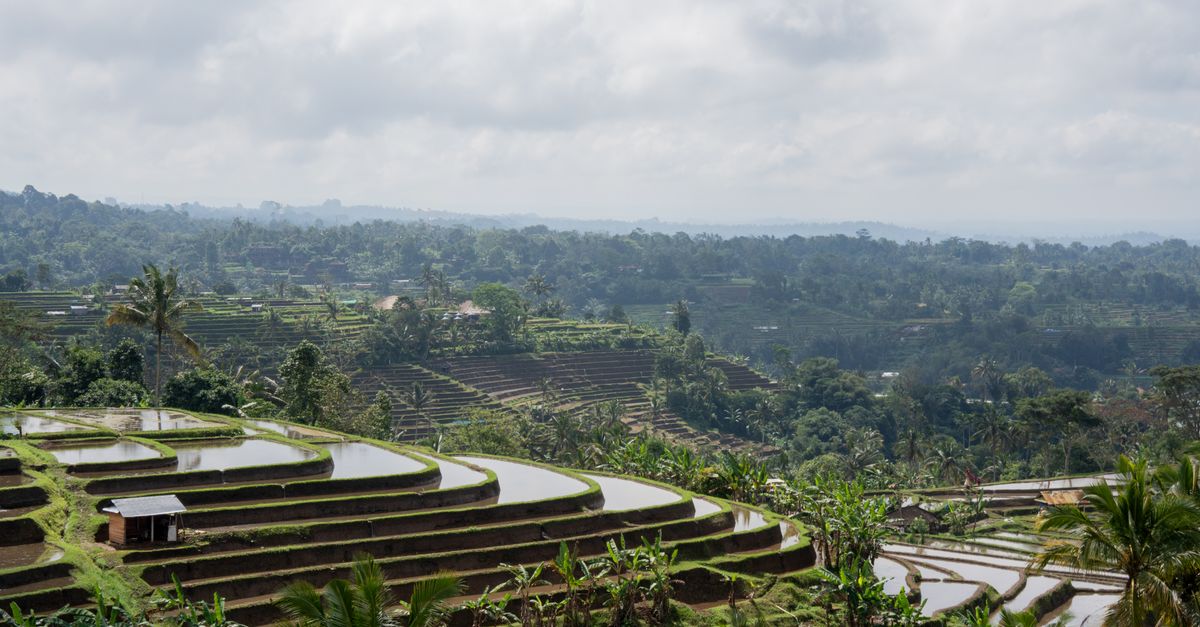
The honest truth is that many of the most intimate ceremonies won’t appear on any tourist website. Village odalan (temple anniversary) celebrations happen constantly, rotating through thousands of temples on Bali’s 210-day calendar. Your best source of information is local: ask your villa host, your Grab driver, the staff at your guesthouse. Say “Ada upacara hari ini?” (it means “Is there a ceremony today?”) and nine times out of ten, someone will point you in the right direction. In Ubud especially, I’ve found that simply walking through the rice paddies and side streets during late afternoon often leads you to the sound of gamelan music and the sight of families in procession.
One practical note: if you’re planning to attend Nyepi, book your accommodation well in advance and stock up on snacks and entertainment the day before. You genuinely cannot leave your hotel for 24 hours, and room service options can be limited at smaller guesthouses.
Final Thoughts
Bali’s festivals are still here, untouched by the overdevelopment and tourist crowds that have changed so much else. The offerings still appear on the pavements each morning. The gamelan still rings out from family compounds on ceremony days. The penjor still arch over village streets every Galungan, same as they have for centuries.
You don’t need a special invitation. You need a sarong, a respectful attitude, and the willingness to slow down long enough to notice what’s happening around you. Some of my best Bali memories aren’t from beach clubs or rice terrace photo spots: they’re from sitting cross-legged on a temple floor, incense smoke drifting past, feeling properly welcomed into something old and alive.
Drop a reply and tell me which festival you’re thinking of timing your trip around. And if you’ve already been to a Balinese ceremony, I want to hear that story too.
FAQs
Can tourists attend Bali local festivals and temple ceremonies?
Yes. You’re welcome to observe most Balinese festivals and temple ceremonies as long as you wear a sarong and sash, cover your shoulders, and behave respectfully. Stay in the outer courtyard unless invited further in, and always ask before photographing worshippers.
When is Galungan in 2026?
Galungan falls on June 17, 2026. It’s followed ten days later by Kuningan on June 27, 2026. Both dates follow the Balinese Pawukon calendar, which runs on a 210-day cycle, so dates shift each year.
What is Nyepi and can I still visit Bali during it?
Nyepi is the Balinese Day of Silence, falling on March 19, 2026. The entire island shuts down for 24 hours: no flights, no traffic, no lights. You can be in Bali, but you must stay within your accommodation. A lot of travellers say it’s one of their best Bali experiences.
What should I wear to a Bali temple ceremony?
Wear a sarong from waist to ankles, a sash tied at the waist, and a top that covers your shoulders. Sarongs and sashes can be rented at most major temple entrances for around IDR 10,000–20,000. Avoid revealing clothing, shorts, and sleeveless tops.
Are there Bali festivals happening every month of the year?
Pretty much, yes. Bali follows the 210-day Pawukon calendar alongside the Gregorian calendar, so religious ceremonies happen all the time. On any given week, there’s a village temple anniversary (odalan) or a holy day somewhere on the island.
What is a penjor and why are they everywhere during Galungan?
A penjor is a tall, curved bamboo pole decorated with coconut leaves, flowers, and fruit. Families place them outside their compounds during Galungan to symbolise gratitude and the victory of good over evil. They line both sides of village streets, turning whole streets into green-and-gold tunnels.
Can I take photos during a Balinese ceremony?
You can usually photograph temple architecture and the general atmosphere. For photos of people praying or priests performing rituals, always ask permission first with a gesture or quiet word. Flash photography during ceremonies is considered disrespectful.
How do I find out about village ceremonies that aren’t on tourist calendars?
Ask locally. Villa hosts, guesthouse staff, and drivers are your best sources. The phrase “Ada upacara hari ini?” (“Is there a ceremony today?”) works well. In areas like Ubud, walking through residential streets in the late afternoon often leads you to ceremony processions.
Is the Bali Arts Festival free to attend?
Many performances at the annual Bali Arts Festival (mid-June to mid-July in Denpasar) are free to attend. Some headline evening performances may require tickets, but daytime events including dance competitions, craft exhibitions, and food stalls are generally open to all visitors.
What are canang sari and should I avoid stepping on them?
Canang sari are small palm-leaf baskets filled with flowers, rice, and incense: they’re daily offerings placed by Balinese Hindus to give thanks and maintain spiritual balance. You’ll see them on pavements, doorsteps, and temple entrances everywhere. Always walk around them, never step on or over them. It’s one of the simplest ways to show respect.