Bali on a Budget: Eating Well for Under $10 a Day
A cost-framed guide to eating genuinely well in Bali for roughly under $10 a day, with real warung prices in IDR and sample food days.
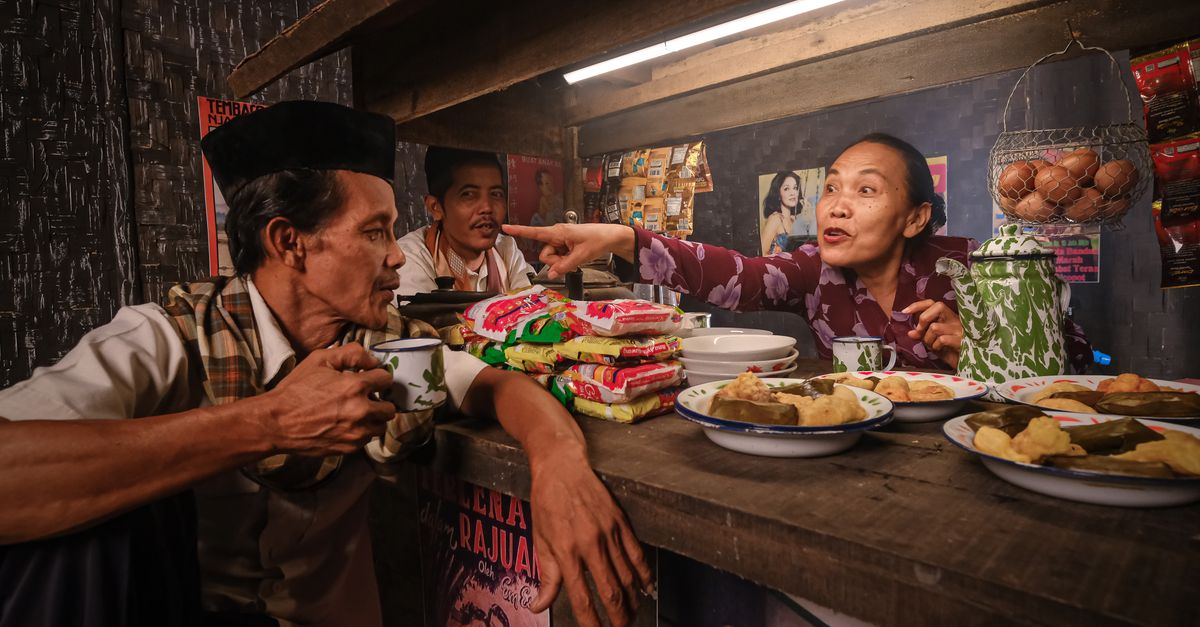
I still have the paper bill somewhere: nasi campur, a fried egg on top, a glass of iced tea, all for Rp 22,000. That’s about $1.20. I ate it perched on a plastic stool at a warung near Sidemen while the owner’s cat tried to climb my leg, and it was one of the best plates of food I had all month. If you’ve been told Bali is getting expensive, that’s true in the café-brunch, beach-club version of the island. But eating in Bali on a budget is not only possible in 2026: it’s genuinely lovely, and it’s how most of the island actually eats.
This is a cost guide, not a list of pretty restaurants. I want to show you what a day of food really costs when you eat local: what a warung plate runs, what breakfast and coffee come to, and how it all adds up. The short version is that you can eat well for under $10 a day without trying very hard. The honest trade-off is that “well” here means warung food, market fruit and local coffee, not a Rp 250,000 açai bowl. Once you make peace with that, Bali becomes one of the cheapest places in the world to eat happily.
A quick note before we start: at the time of writing, one US dollar was worth roughly Rp 18,000, so $10 is about Rp 180,000. Rates move, so check the current one, but that’s the number I’ll use throughout.
What $10 a day actually buys you
Here’s the direct answer: $10 a day (around Rp 180,000 in 2026) comfortably covers three warung meals plus coffee, water and a snack, with money to spare. Eating this cheaply isn’t about scrimping or skipping meals. It’s about eating where locals eat.
A realistic budget day looks like this:
- Breakfast: bubur ayam (rice porridge) or a banana pancake from a warung, Rp 15,000–20,000
- Local kopi: Rp 8,000–12,000
- Lunch: nasi campur with a fried egg, Rp 22,000–30,000
- Afternoon snack: a couple of pisang goreng (fried banana) or a fresh coconut, Rp 10,000–20,000
- Dinner: nasi goreng or mie goreng, Rp 25,000–35,000
- Large bottle of water: Rp 8,000–12,000
That comes to roughly Rp 90,000–130,000, or about $5–7. You’d have to add a beer or a proper café coffee to push it towards the $10 line. In other words, under $10 a day is not a hardship budget in Bali, it’s a comfortable one. As of 2026 these figures hold across most of the island; verify locally, because tourist hotspots like central Canggu can run double.
Real warung prices in IDR
The warung is the engine of a cheap Bali food budget, so it’s worth knowing the going rates. These are typical 2026 prices at genuine local warungs (the ones with laminated menus or no menu at all, not the polished “warung-style” cafés in tourist lanes):
- Nasi campur (mixed rice with a few sides): Rp 20,000–35,000
- Nasi goreng (fried rice): Rp 20,000–40,000
- Mie goreng (fried noodles): Rp 20,000–35,000
- Gado-gado (vegetables and peanut sauce): Rp 15,000–30,000
- Sate ayam (chicken skewers): Rp 20,000–35,000 a portion
- Extra fried egg or tempeh: Rp 3,000–5,000
A full meal with a drink at a warung rarely tops Rp 60,000, and often comes in under Rp 30,000. The trick is that prices climb sharply by location. That same nasi campur is Rp 20,000–35,000 in a back lane in Sidemen or Amlapura, but a tourist-facing version in central Canggu can be Rp 80,000 or more. The food isn’t three times better. You’re paying for the address. Walk one street back from the main strip and prices tend to drop by 40–60%.
A sample day of eating cheaply
Let me make it concrete with a real day I logged in Ubud, away from the Jalan Raya tourist crush.
Breakfast was black rice pudding (bubur injin) from a market stall, Rp 15,000, with a local kopi susu for Rp 10,000. Mid-morning I bought a bag of salak and mangosteen from a fruit seller for Rp 20,000, which lasted two days. Lunch was nasi campur at a family warung: Rp 25,000, including a scoop of everything and a heap of rice. Late afternoon, a fresh young coconut from a roadside cart cost Rp 15,000. Dinner was mie goreng with prawn crackers for Rp 28,000, plus a big bottle of water at Rp 10,000.
Total for the day: about Rp 123,000, or roughly $7 as of 2026. I wasn’t hungry once, and none of it felt like sacrifice. The days I blew past $10 were always the days I sat down in an air-conditioned café for a Western breakfast, which brings us to the real budget-killers later on. Prices shift, so treat these as a guide and check locally.
Breakfast and coffee for next to nothing
Breakfast is where budgets quietly recover, because the local options are so cheap. A bowl of bubur ayam is Rp 15,000–25,000. Nasi kuning (yellow rice) wrapped in banana leaf from a morning market is often Rp 10,000–15,000. Even a warung banana pancake rarely passes Rp 20,000.
Coffee is the bigger fork in the road. A local kopi (kopi tubruk or kopi susu made the Indonesian way) costs about Rp 5,000–15,000 at a warung. A café latte or cappuccino in a specialty spot is more like Rp 19,000–49,000, and prices at tourist cafés crept up again in 2026. Neither is wrong; they’re just different budgets. If you drink two café flat whites a day, that’s Rp 60,000–100,000 gone before you’ve eaten: more than a whole day of warung food. My compromise: local kopi most mornings, one proper café coffee as a treat. Buying local coffee beans to brew yourself is cheaper still, and makes a nice gift home.
Drinks, water and the Bintang question
Drinks are where budgets leak, so it’s worth being deliberate. Large bottled water is about Rp 5,000–15,000 from a minimart, and many guesthouses offer free refill stations: bring a reusable bottle and you’ll save a surprising amount over a fortnight while cutting plastic.
Beer is the classic budget trap. A Bintang from a minimart or warung is roughly Rp 35,000–50,000 a can. The same beer in a beach bar or club is Rp 40,000–70,000 or more. Two sunset beers at a fashionable spot can cost more than everything else you ate that day. If you love a cold Bintang (I do), buy from a minimart, or drink at a local warung rather than a beach club.
Fresh coconuts (Rp 10,000–20,000) and fruit juices from a warung (Rp 15,000–25,000) are far cheaper than café smoothies, which run Rp 35,000–65,000. Order the juice where the locals do and you’ll barely notice the cost. All figures are 2026 estimates. Verify on the ground.
Mistakes that quietly blow the budget
The people who tell me Bali is expensive are almost always eating in the tourist bubble. Here are the habits that quietly blow a cheap food budget:
- Defaulting to café brunch. A smoothie bowl, coffee and juice at a tourist café is Rp 180,000–300,000 per person, three to five times a warung plate. One a week is a lovely treat; one a day is your whole budget.
- Eating on the main strip. Prices on the busiest tourist streets can be double the lane behind them for near-identical food.
- Beach-club drinks. Cocktails at Rp 120,000–200,000 add up faster than any meal.
- Hotel breakfasts you didn’t need. If your stay includes it, great; if you’re paying extra, a warung breakfast is a fraction of the price.
- Only ordering food you recognise. The Western dishes are usually the priciest things on any menu. The local dishes are cheaper and, honestly, better.
None of this means never treating yourself: it means knowing that the treats are the expensive part, and warung food is not.
Final Thoughts
Eating in Bali on a budget isn’t about depriving yourself; it’s about eating the way the island actually eats. Pull up a plastic stool, order the nasi campur, drink the local kopi, and you’ll spend a fraction of what the café crowd spends, and often eat better for it. Under $10 a day, roughly Rp 180,000 in 2026, is a comfortable food budget here, not a tight one, and it comes with the bonus of warmer, more local days.
My honest advice: budget for one or two café or restaurant treats a week, and let warungs, markets and roadside carts carry the rest. That balance keeps costs low without turning your trip into an endurance test. Prices move and the exchange rate shifts, so always check the current numbers when you arrive, but the principle holds. Come hungry, be curious, and let Bali feed you cheaply and well. If you’re planning a longer stay, browse the rest of our Food & Culture guides for where to point that appetite next.
FAQs
How much does food cost per day in Bali?
Eating local, you can eat three warung meals plus coffee and water for about Rp 90,000–130,000, or roughly $5–7 a day in 2026. Adding café meals or drinks pushes it higher.
Can you really eat for under $10 a day in Bali?
Yes, comfortably. $10 is around Rp 180,000, which covers three warung meals, coffee, water and snacks with room to spare, as long as you eat local rather than at tourist cafés.
How much is a warung meal in Bali?
A typical warung plate such as nasi campur or nasi goreng costs about Rp 15,000–40,000. A full meal with a drink rarely tops Rp 60,000, and is often under Rp 30,000.
What is the cheapest food to eat in Bali?
Nasi campur, nasi goreng, mie goreng, gado-gado and market snacks like nasi kuning are the cheapest filling options, usually Rp 15,000–35,000 each.
How much is coffee in Bali?
A local kopi at a warung is about Rp 5,000–15,000. A café latte or cappuccino is more like Rp 19,000–49,000, with tourist-café prices at the higher end in 2026.
How much is a Bintang beer in Bali?
Roughly Rp 35,000–50,000 a can from a minimart or warung, and Rp 40,000–70,000 or more in a beach bar or club.
Is bottled water expensive in Bali?
No. A large bottle is about Rp 5,000–15,000. Many guesthouses have free refill stations, so a reusable bottle saves money and plastic.
What’s the difference between warung and café prices?
Café and tourist-restaurant meals typically cost three to five times a comparable warung plate. The same dish can also cost 40–60% more on a main tourist strip than one lane back.
Do I need cash to eat at warungs?
Yes, mostly. Small local warungs and market stalls are cash-only, so carry small rupiah notes. Cafés and tourist restaurants usually take cards or QRIS.
Is it rude to eat cheaply in Bali?
Not at all. Warung food is the heart of Balinese eating, not a compromise. Eating local is respectful, supports family businesses, and is genuinely some of the best food on the island.
Before you go: I wrote this in 2026 and double-checked every price, fee, opening time and rule I could, but Bali changes fast. Treat the figures here as a guide and confirm the latest details before you book or travel.