
Bali's Extreme Sports: Pushing Your Limits in Paradise
From white-water rapids to a 2am volcano climb, here's what Bali's extreme sports actually cost in 2026, and which one's worth the money most.
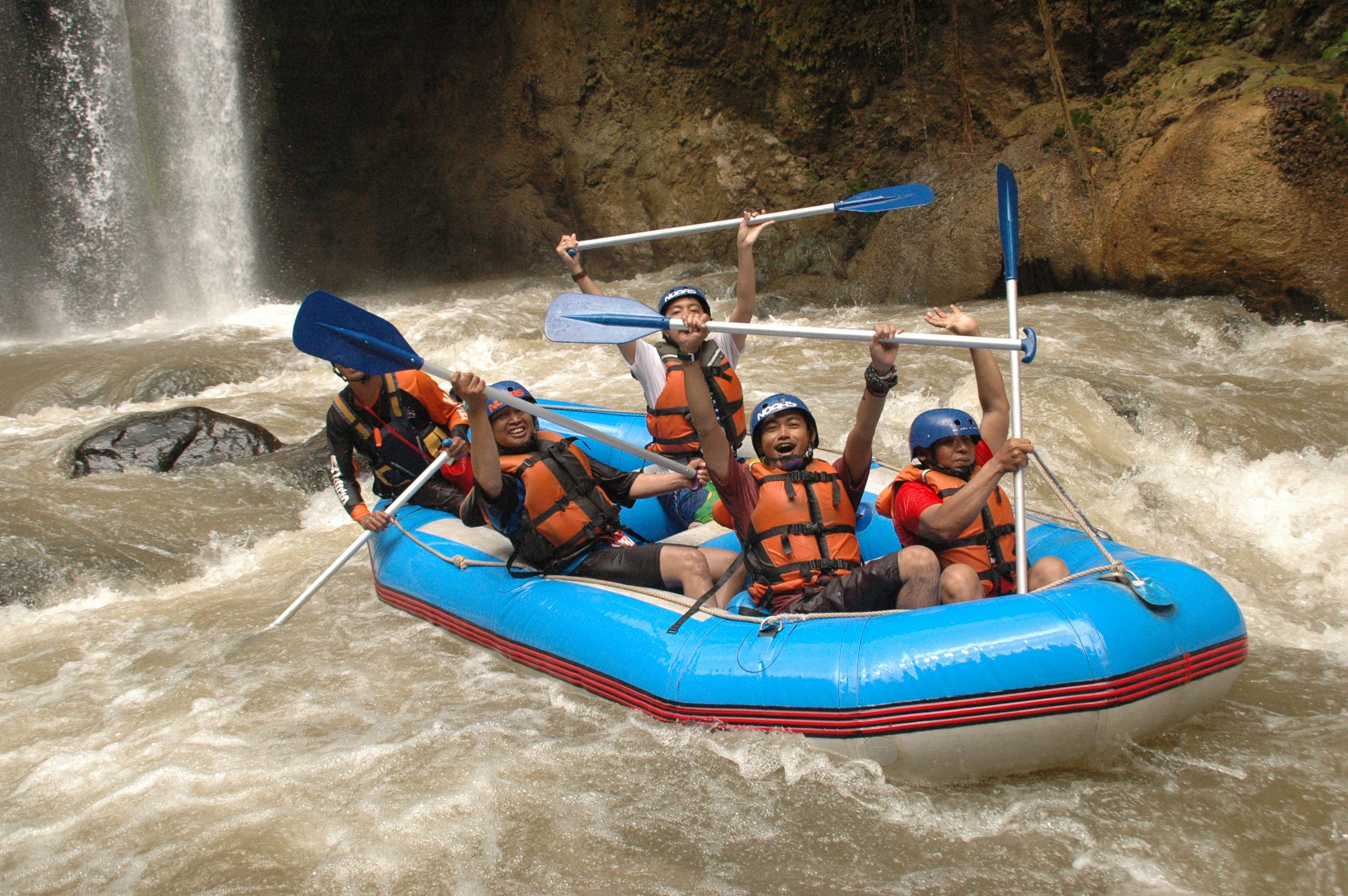
The first time I went white water rafting in Bali, I fell out of the boat within thirty seconds of hitting the first rapid. The guide hauled me back in by my life jacket, laughing, and I spent the next two hours gripping the sides and grinning like an idiot. I was hooked.
Bali extreme sports are one of those things that most visitors don’t plan for. You come for the temples and the rice terraces, maybe a yoga class and a smoothie bowl. But the island has this other side: volcanic peaks you can climb before dawn, rivers that drop through gorges, cliffs you can throw yourself off with a bungee cord and a prayer. And because this is Bali, most of it costs a fraction of what you’d pay anywhere else.
I’ve spent years working through the list of adventure activities in Bali, and I still haven’t ticked them all off. Here’s what I’ve tried, what I’d go back for, and what it all costs in 2026.
Rafting Two Rivers: Ayung for the Views, Telaga Waja for the Rush
Bali has two main rafting rivers and they couldn’t be more different. The Ayung runs through Ubud: Class II rapids, carved gorges, and stone carvings peeking out from the jungle walls. The Telaga Waja is further east in Karangasem, rougher and faster, with Class III-IV rapids that will get your heart properly going.
I’d recommend doing both if you have time. The Ayung is the one you take your mum on. It’s beautiful. The gorge walls are draped in moss and ferns, there are small waterfalls trickling down the sides, and the rapids are just enough to be exciting without being scary. The run takes about two hours. Most operators include hotel pickup, equipment, and lunch. Prices start at around IDR 250,000 (roughly £10) per person with budget operators like Graha Adventure. Premium companies like Sobek charge up to IDR 770,000 (about £32).
The Telaga Waja is where things get real. The rapids are bigger, the drops steeper, and there’s a four-metre waterfall section near the end that I’m fairly sure took a year off my life. It’s Class III-IV depending on the water level, and the scenery is wilder: rice terraces above, jungle below, Mount Agung looming in the distance if you can take your eyes off the water long enough. Prices run IDR 270,000-495,000 (£11-21) per person depending on the operator. I’d say Telaga Waja is the better adventure, but the Ayung is the better day out.
Canyoning: The Bali Extreme Sport Most People Haven’t Heard Of
If I had to pick one activity from this entire list, it would be canyoning. It’s the most underrated of all the Bali extreme sports, and it’s absolutely brilliant.
Canyoning is basically descending a river gorge using everything: rappelling down waterfalls, jumping off cliff ledges into pools, sliding down natural rock chutes, swimming through narrow passages. Bali’s volcanic terrain is perfect for it, and the gorges in the north of the island are spectacular.
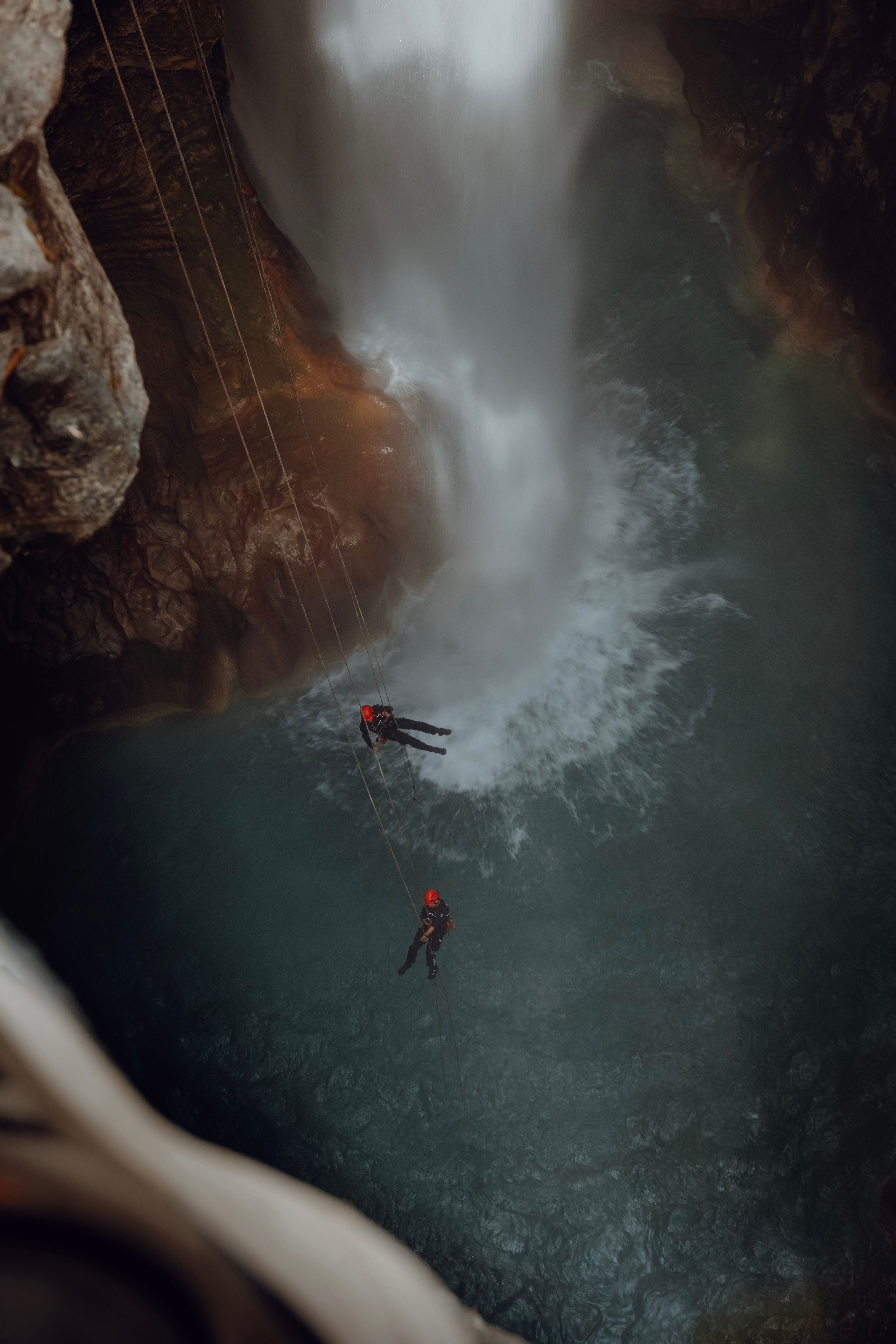
For beginners, Springs Canyon or Sudamala Canyon are the places to start. They’re graded easy, the jumps are optional, and the guides walk you through every rappel. Springs Canyon starts from IDR 1,100,000 (about £46) per person in a group of ten or more, rising to IDR 1,485,000 (roughly £62) for smaller groups of two to four. That includes all equipment, transport, and a meal.
For something more challenging, Aling-Aling Canyon is the one that stays with you. It’s graded advanced: big rappels, a proper cliff jump (around 15 metres if you want it, with shorter options), and a natural waterslide that drops you into a pool at speed. Prices range from IDR 2,300,000 to IDR 2,700,000 (£96-113) per person depending on group size. Worth every rupiah.
The canyoning operators I’ve used, CanyoningTrip and Bali Canyoning Adventure, provide wetsuits, helmets, harnesses, and certified guides. You don’t need any experience, just a willingness to get very wet and a head for heights.
Going Vertical: Bungee Jumping and Paragliding in Bali
Two ways to leave the ground, two very different feelings.
Bungee jumping in Bali has a few options. Alas Harum in Tegalalang (near Ubud) offers jumps from around 35-40 metres over the rice terrace valley (not the highest, but the setting is gorgeous). Prices are IDR 350,000-500,000 (£15-21) and they also do giant swings and zip lines at the same complex, so you can make a morning of it.
For proper height, XPark in Nusa Penida had a 130-metre bungee, the highest in Southeast Asia, priced at IDR 2,700,000-3,000,000 (£113-125). It was undergoing renovation in late 2025, so check directly whether it’s reopened before booking a trip over specifically for it.
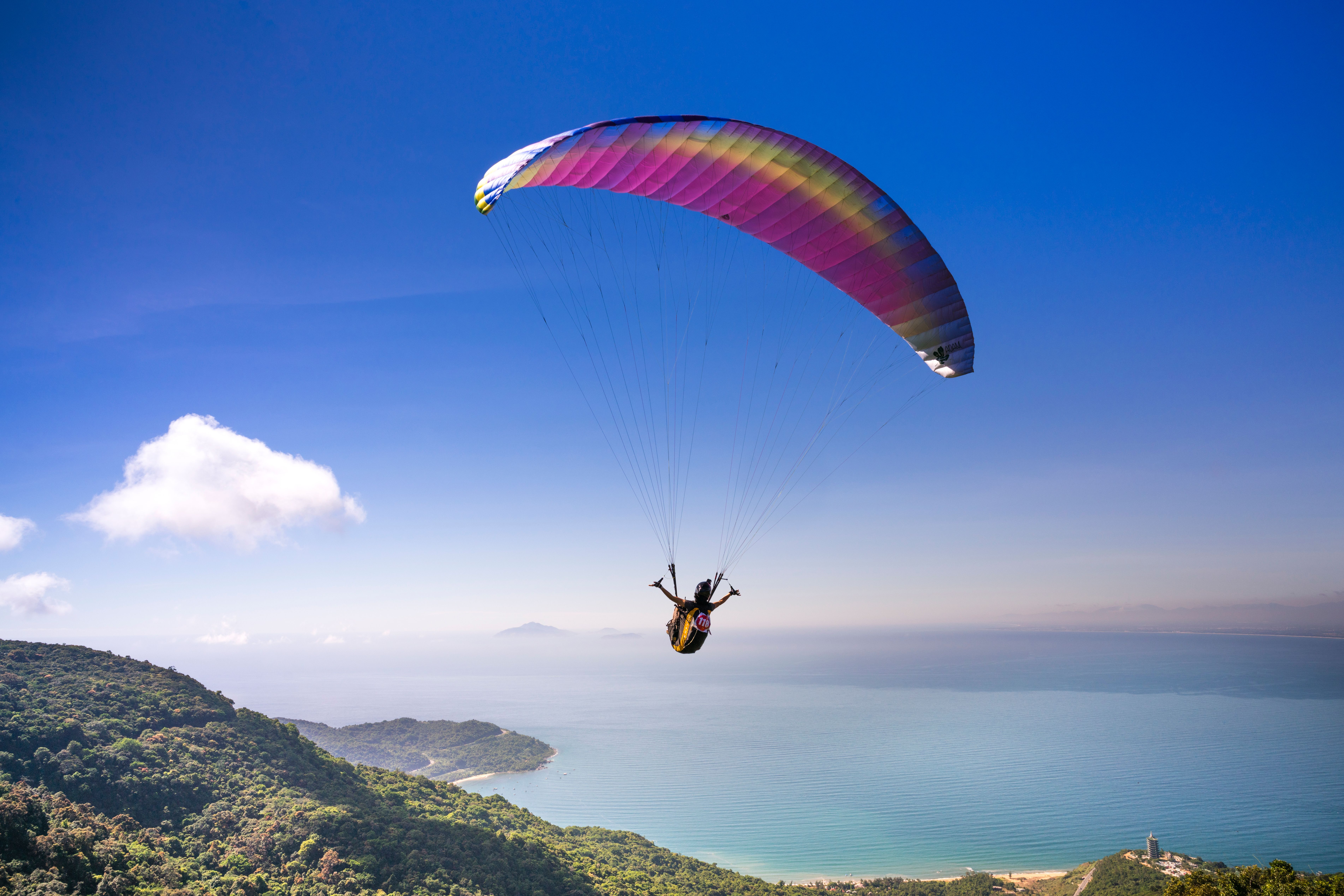
Paragliding is the gentler option, if you can call throwing yourself off a cliff gentle. Tandem flights run from the cliffs around Timbis Beach and Uluwatu on Bali’s southern Bukit peninsula, and the views are absurd: the Indian Ocean stretching out below you, the limestone cliffs behind, the whole southern coastline laid out like a postcard. Flights cost IDR 850,000-1,800,000 (£36-75) depending on duration and what’s included, and I’d say the mid-range option is the sweet spot. Bali Paragliding Tours and Timbis Paragliding have both been running since the mid-1990s.
The sensation is nothing like bungee. Bungee is five seconds of pure terror followed by bouncing. Paragliding is a slow, quiet float. You have time to actually take it in. Both worth doing at least once.
On Solid Ground: ATV Rides and the Mount Batur Sunrise Trek
Not everything has to involve falling or floating. Two of the best Bali extreme sports happen with your feet closer to the earth, though “extreme” might be stretching it for the ATV ride, depending on how you drive.
ATV riding through Ubud is a proper laugh. You’re on a quad bike tearing through jungle trails, splashing through rivers, weaving between rice paddies. At one point you ride through a properly long cave tunnel. Most operators offer 1-1.5 hour rides through private tracks. Online prices are much cheaper than walk-up: expect IDR 550,000-750,000 (£23-31) if you book ahead versus IDR 1,300,000+ at the gate. KeepAll ATV and Kuber ATV in Ubud are both reliable operators with well-maintained bikes.
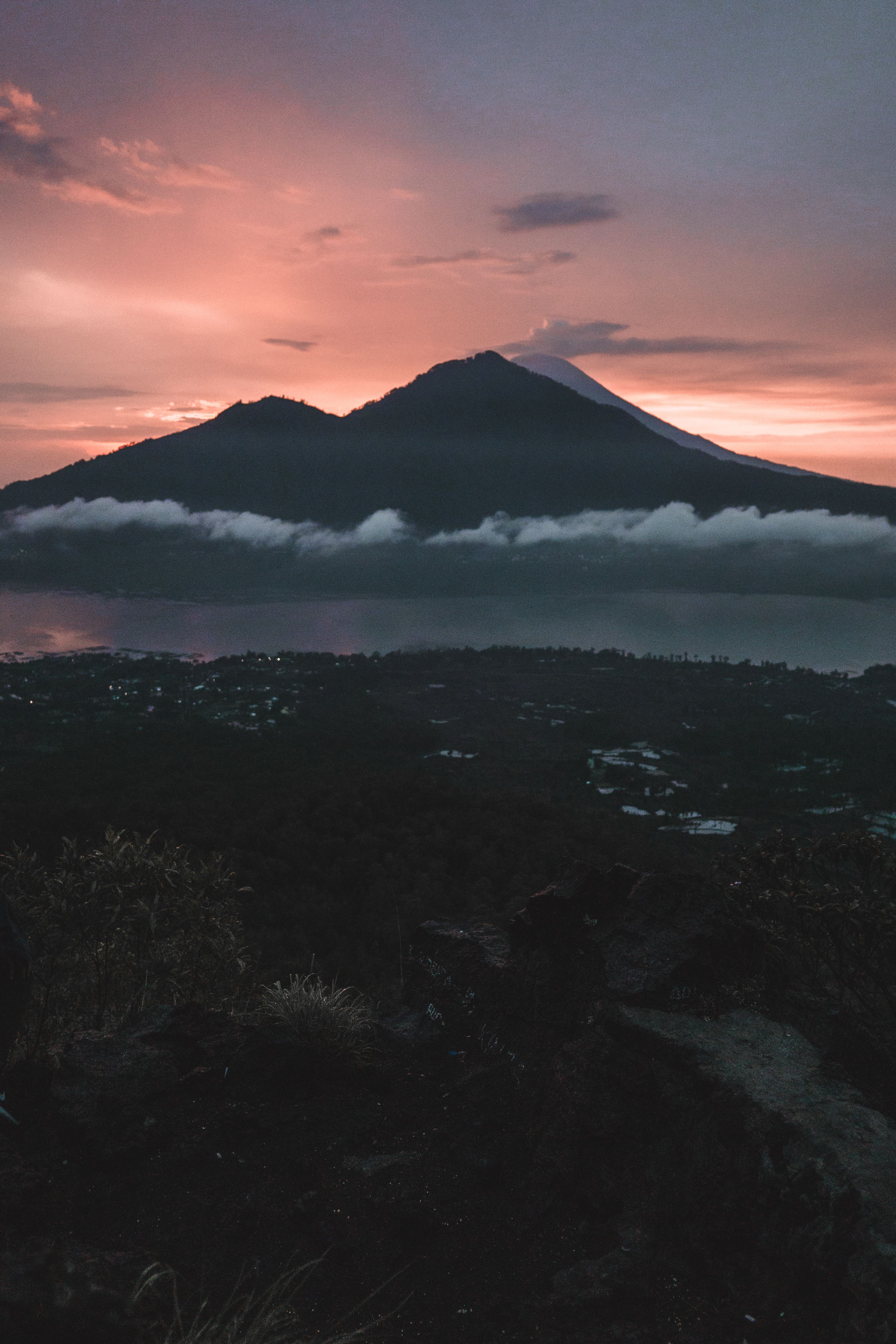
The Mount Batur sunrise trek is a different beast entirely. You’re picked up from your hotel at around 2am, driven to the trailhead, and then hike two hours in the dark up an active volcano to reach the summit for sunrise. The hike itself isn’t technical. It’s a well-worn path, steep in places but manageable, and the reward at the top is a sunrise over Mount Agung, the caldera lake below, and sometimes Lombok’s Mount Rinjani in the distance.
A shared group trek costs around IDR 800,000 per person for two people (roughly £33), including hotel pickup, guide, entrance fee, and breakfast at the summit. The price per person drops with larger groups. Private treks cost more but let you set your own pace.
Fair warning: it is cold at the top. This is the one time in Bali you’ll actually want a jacket.
What Bali Extreme Sports Actually Cost in 2026
Here’s the honest breakdown of what everything costs, so you can plan properly:
White water rafting: IDR 250,000-770,000 per person (£10-32). Ayung River from IDR 250,000; Telaga Waja from IDR 270,000. Most include transport, gear, and lunch.
Canyoning: IDR 1,100,000-2,700,000 per person (£46-113). Beginner canyons from IDR 1,100,000; advanced (Aling-Aling) from IDR 2,300,000. All equipment and meals included.
Bungee jumping: IDR 350,000-3,000,000 (£15-125). Alas Harum (Ubud) from IDR 350,000; XPark (Nusa Penida) from IDR 2,700,000. Check current operating status.
Paragliding: IDR 850,000-1,800,000 (£36-75) for tandem flights from Timbis Beach / Uluwatu.
ATV riding: IDR 550,000-750,000 online (£23-31) for 1-1.5 hours in Ubud. Book ahead: walk-up prices are nearly double.
Mount Batur sunrise trek: From IDR 800,000 per person (about £33) in a shared group of two, including transport, guide, entrance fee, and summit breakfast.
Surfing lessons: IDR 300,000-450,000 (£13-19) for a two-hour group lesson in Canggu or Kuta. Private lessons IDR 900,000-1,200,000 (£38-50).
My advice: rafting and ATV are the best value for a half-day adventure. Canyoning is the most memorable but the priciest. And book everything online. The difference between online and walk-up prices in Bali is enormous.
Bali’s extreme sports scene is one of those things that catches people off guard. You arrive expecting beaches and temples, and then someone talks you into a white water rafting trip or a sunrise volcano hike, and suddenly you’ve spent a week chasing adrenaline through jungles and gorges.
What I like most about adventure activities in Bali is how accessible they are. You don’t need to be fit or fearless. Most operators cater to complete beginners, and the prices mean you can try three or four things without blowing your budget. The canyoning alone made my last trip, and the Telaga Waja rafting is something I’d happily do again every time I’m on the island.
If you try any of these, I’d love to hear about it. Drop me a reply or find me on Instagram at @destinedforbali. And if you’re still planning your trip, my Bali adventure guide has more on what to book and what to skip.
FAQs
What is the best extreme sport to try in Bali for beginners?
White water rafting on the Ayung River is the easiest starting point: it’s Class II rapids, beautiful scenery, and no experience needed. ATV riding in Ubud is another good option if you’d rather stay on land. Both cost under £30 and include all equipment.
Is bungee jumping in Bali safe?
The established operators (Alas Harum in Ubud) use modern equipment and follow international safety standards. Always check recent reviews and make sure the operator provides a safety briefing. Avoid any operator that can’t show you their maintenance records or insurance.
How much does white water rafting cost in Bali in 2026?
Ayung River rafting starts at around IDR 250,000 (£10) per person with budget operators, going up to IDR 770,000 (£32) with premium companies. Telaga Waja River runs IDR 270,000-495,000 (£11-21). Most prices include hotel pickup, equipment, and lunch.
What should I wear for canyoning in Bali?
A: Wear a swimsuit or quick-dry clothes underneath: the operator provides a wetsuit, helmet, and harness. Bring water shoes or trainers you don’t mind getting soaked (no flip-flops). Sunscreen and a waterproof phone case are worth having.
Can I do the Mount Batur sunrise trek without a guide?
Technically yes, but it’s not recommended. The trail is confusing in the dark, and local regulations strongly encourage hiring a guide. The guides know the terrain, carry first aid, and the price includes breakfast and transport, so it’s better value than going solo.
Is paragliding in Bali weather-dependent?
Yes. Tandem flights from Timbis Beach and Uluwatu depend on wind conditions. The dry season (April-October) has the most reliable flying weather. Most operators will reschedule or refund if conditions are unsafe, so always confirm the cancellation policy when booking.
Which is better: Ayung River or Telaga Waja River rafting?
The Ayung is more scenic and relaxed (Class II), perfect for first-timers or a family outing. Telaga Waja is rougher (Class III-IV) with a four-metre waterfall drop: it’s the better choice if you want a proper adrenaline rush. Both run about two hours.
Are Bali extreme sports suitable for children?
Rafting on the Ayung River generally accepts children from around 7 years old. ATV operators often allow children to ride tandem with an adult. Bungee jumping, canyoning, and paragliding typically have minimum age requirements of 12-16 depending on the operator. Always check with the specific company before booking.
Do I need travel insurance for extreme sports in Bali?
Yes. Standard travel insurance often excludes adventure activities. Check your policy and add extreme sports cover if needed. Most operators include basic activity insurance, but this won’t cover medical evacuation or extended hospital stays. Make sure your policy specifically lists the activities you’re planning.
What is the best time of year for extreme sports in Bali?
The dry season (April-October) is best for most activities: more reliable weather for paragliding, drier trails for Mount Batur, and consistent river levels for rafting. The wet season (November-March) can make trails slippery and rivers unpredictable, though rafting operators do run year-round with adjusted routes.


