
Coffee Culture in Bali: The Best Cafés from Ubud to Canggu
From Canggu roasteries to Ubud studios, the best cafés in Bali for speciality coffee, with prices, hours, and how to drink kopi tubruk like a local.
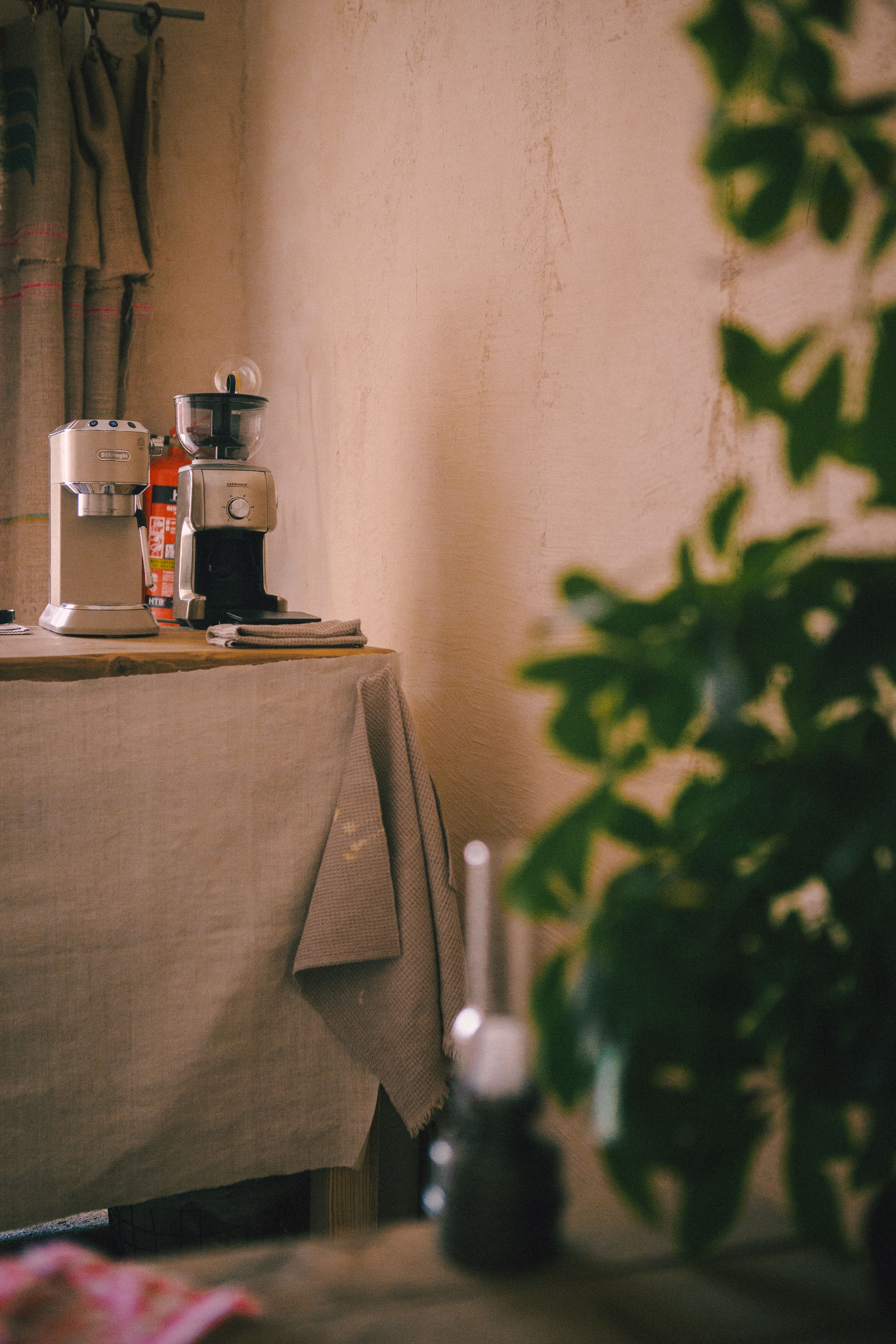
I wasn’t a coffee person before Bali. I’d drink it, sure: instant stuff at my desk, a Starbucks at the airport, the sort of coffee you tolerate rather than enjoy. Then I sat down at a tiny roastery in Ubud one morning, ordered whatever the barista suggested, and tasted something that changed how I think about the drink. Properly changed it. Citrusy. Clean. Grown about forty minutes up the road on the slopes of Mount Batur.
That’s what catches people off guard about Bali’s coffee culture: the best cafés here aren’t just importing beans from somewhere fashionable. They’re roasting what grows on the island. Indonesia is the world’s sixth-largest coffee producer, turning out 813,345 tons in 2024 alone, and Bali itself has over 33,000 hectares of coffee plantation. The speciality café scene that’s built up around that supply is, honestly, one of the best in Southeast Asia.
Here’s my guide to the cafés I keep going back to, from Canggu to Ubud and a few places in between, plus how to drink coffee the way locals actually do.
Why Bali’s coffee culture punches so far above its weight
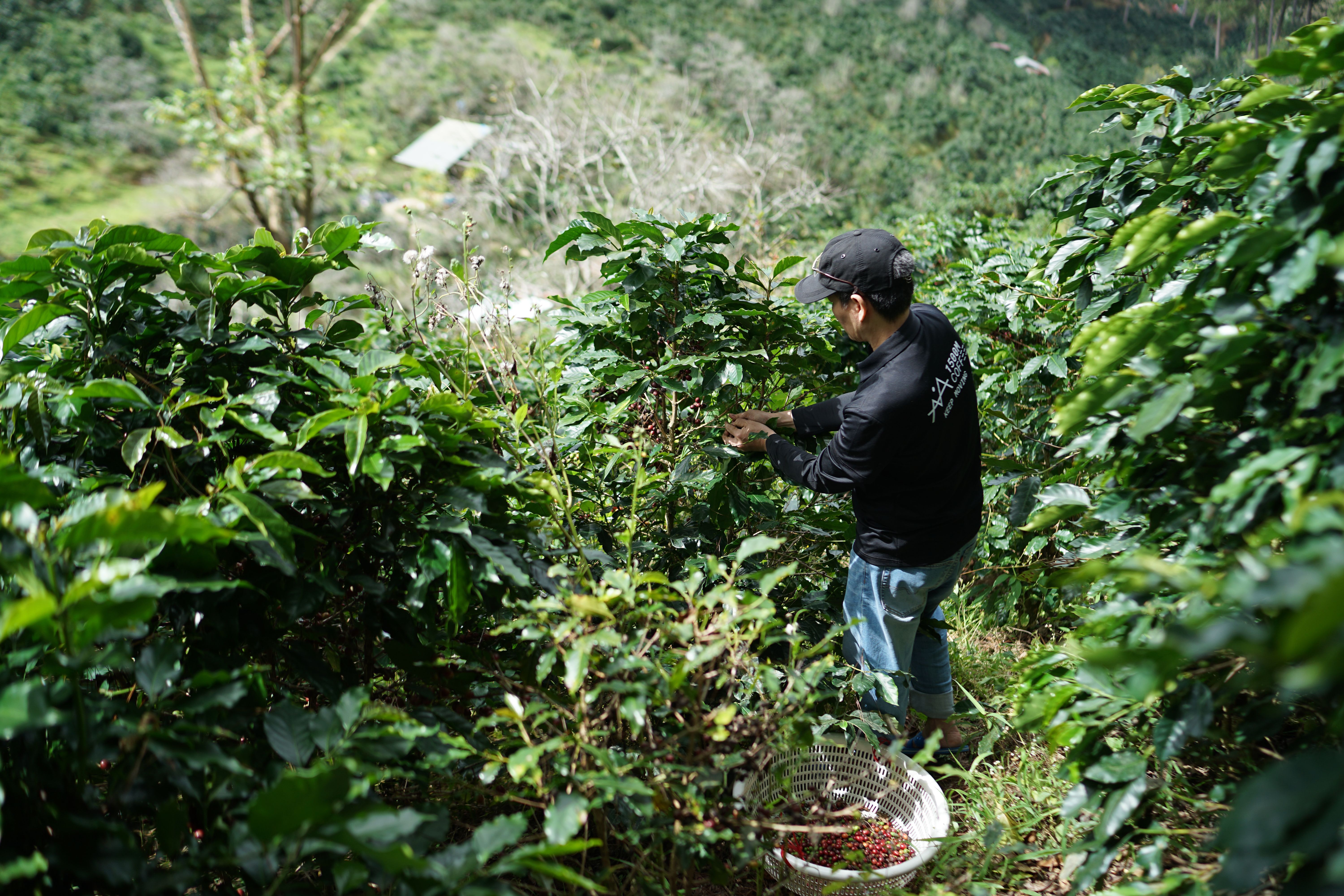
It starts with what’s in the ground. Bali’s Kintamani region, on the slopes of Mount Batur at over 1,200 metres elevation, grows arabica beans with a flavour profile you won’t find elsewhere: bright, citrusy, almost grapefruit-like, with a clean finish. The volcanic soil does something particular to the beans, and the traditional Subak Abian farming system means the coffee plants grow alongside citrus and cacao trees, which subtly affects the flavour through the soil.
Indonesia as a whole produces mostly robusta, about 87% of its output, but Bali’s highland arabica is the stuff that ends up in the speciality cafés. The island produced around 14,711 tons of coffee in 2024 from those 33,749 hectares of plantation, and a growing share of it stays on-island rather than being exported.
The café boom followed the beans. Fifteen years ago, your options were hotel coffee or a warung serving kopi tubruk (more on that later). Then Australian and European roasters started setting up in Seminyak, local Indonesian roasters like Seniman and Anomali opened proper studios, and the whole thing snowballed. Canggu now has, and I’m not exaggerating, probably the highest concentration of good cafés per square kilometre of anywhere I’ve been.
What makes the scene different from, say, Melbourne or London is the price. An espresso at a top-tier Bali roastery costs IDR 25,000–35,000 (roughly £1.30–£1.80). A flat white, IDR 35,000–55,000. Try getting that in Shoreditch.
The best cafés in Canggu: Bali’s coffee culture capital
Canggu is where most people discover Bali’s coffee scene, and for good reason. There are a lot of cafés here, a ridiculous number, really, and the quality at the top end is as good as anything I’ve had in Melbourne or London.
The Goat Father is where I’d send anyone who actually cares about the coffee itself. It’s an SCA-affiliated roastery on a quiet Canggu side street, open from 6am daily, and the single-origin pour-overs, particularly the Java Puntang and the Rosella Anferara, are exceptional. Espresso starts at IDR 28,000. No pretension, just very good coffee.
Blacklist Coffee Roasters is the other serious roastery in Canggu: an award-winning Australian operation with cupping sessions and tasting flights. Espresso IDR 35,000. If you want to understand what Kintamani arabica tastes like at its best, sit at the bar and ask them to walk you through it. Open 7am–6pm daily.
Hungry Bird does something similar on a smaller scale: a micro-roaster with a cupping room tucked behind the main café. Espresso IDR 30,000. The food’s decent but you’re really here for the beans. Open 8am–5pm.
Satu-Satu Coffee Company is worth knowing because it focuses on traditional Balinese coffee methods alongside modern speciality brewing. Government-endorsed, which sounds dull but actually means they’ve got proper traceability on their beans. Espresso IDR 25,000. Open 7:30am–4pm.
For the all-day brunch crowd (and I’ll be honest, I’m often in this category), Crate Café opens at 6am, costs about IDR 50,000 for breakfast, and is packed with digital nomads by 8am. Copenhagen does Scandinavian-style breakfast tapas from 6am. And ST. ALi in Pererenan brings Melbourne-quality coffee in a Japanese-minimalist space, espresso IDR 30,000, open 6am–5pm.
Ubud’s quieter coffee scene, and why it might be better
Ubud doesn’t have Canggu’s volume, but it might have its soul. The cafés here tend to be slower, more thoughtful, and (this matters) less crowded.
Seniman Coffee Studio is the one everyone knows, and it deserves the reputation. It’s been open since 2007, has its own micro-roastery, runs coffee workshops, and the filter programme alone is worth the trip. Espresso IDR 36,000. The swing chairs on the terrace have become a minor Instagram landmark, but don’t let that put you off: the coffee is taken seriously here. Open 7:30am–10pm daily.
Anomali Coffee is an Indonesian chain, but a good one: they pull beans from Aceh, Toraja, and Kintamani and the baristas actually know what they’re serving. Espresso IDR 28,000. Open 7am–9pm.
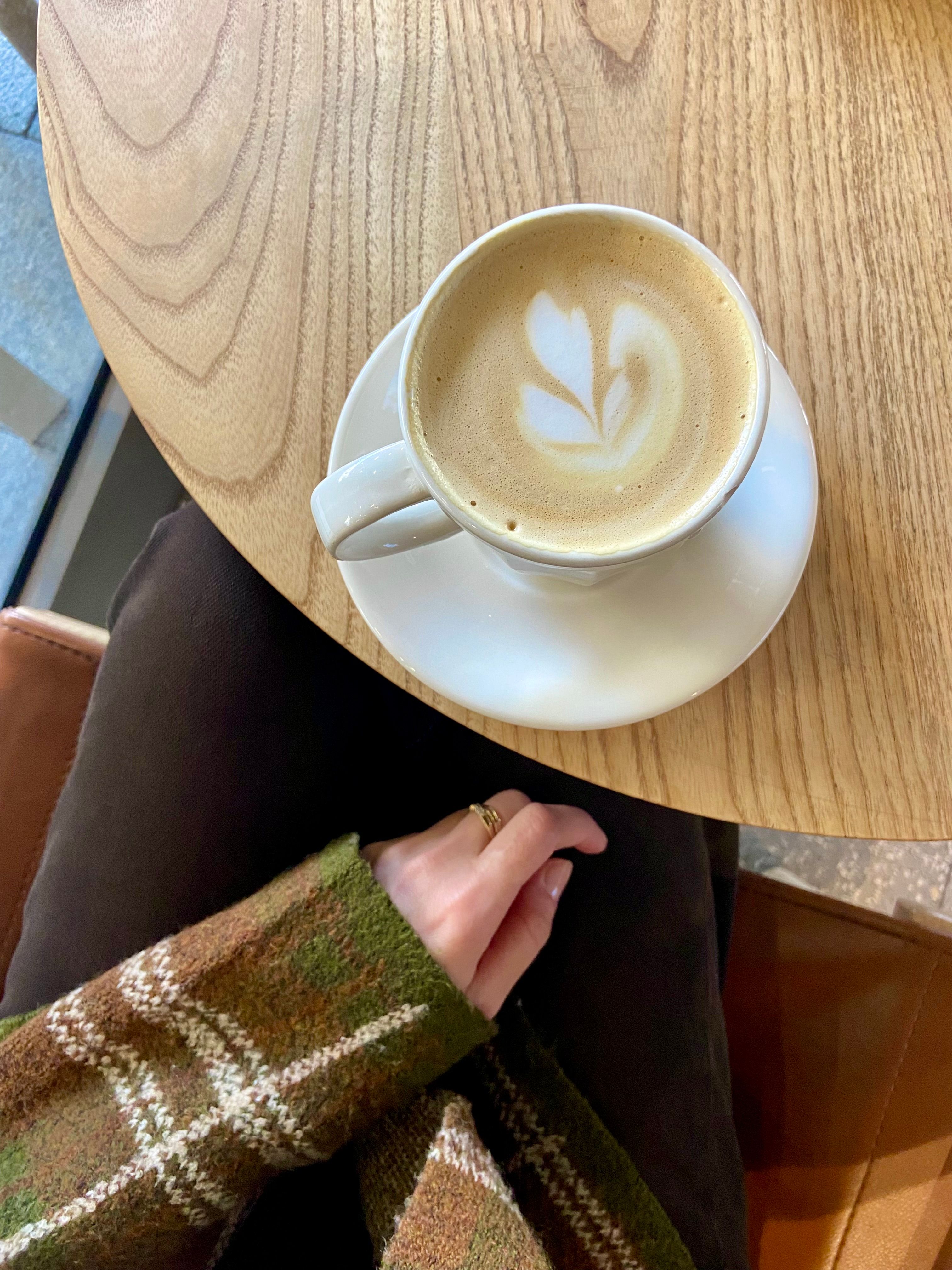
The strip along Jl. Penestanan in the Sayan area is where Ubud’s café culture really clusters. Within a ten-minute walk you’ll find BGS Ubud (Scandinavian-chic, great pastries, espresso IDR 25,000), Alchemy (fully vegan, rattan-heavy interior), and several rice-field-view spots like Rusters Café where you can watch the sunset over the paddies with a flat white.
If you’re willing to drive fifteen minutes out of town, Huma Café by Goldmine in Tegallalang has the kind of rice terrace views that made Ubud famous, and the coffee is better than you’d expect from a place with a view that good. Open 8am–10pm.
Seminyak, Uluwatu, and everywhere else worth a detour
Seminyak is where Bali’s speciality coffee scene started, and two of the originals are still going strong.
Revolver Espresso opened over a decade ago down a narrow lane off Jl. Kayu Aya and has that lived-in, slightly rough-around-the-edges feel that newer cafés try to manufacture. They roast on-site, the house blend is reliably strong, and they’re open until 11pm, unusual for a serious coffee spot. Espresso IDR 30,000.
Expat. Roasters supplies beans to cafés across Bali, but their Seminyak flagship (open 6:30am–7pm) is where you can try the full range. Single origins, experimental preparations, and baristas who actually know their stuff. Espresso IDR 30,000.
In Uluwatu, the café scene is newer but growing fast. Suka Espresso is the standout: Australian-owned, locally roasted Indonesian and South American beans, and a brunch menu that’s earned it a proper following. Espresso IDR 30,000. Open 7:30am–10pm. Drifter Surf Shop & Café combines surf culture with Sumatran Mandailing coffee in an eco-conscious setting, and JinjeRoot Coffee is a hilltop spot with strong brews and premium croissants at IDR 20,000 for an espresso, the cheapest serious coffee on this list.
And a quick mention for % Arabica at Beachwalk in Kuta: the Kyoto-born chain has a minimalist outpost there, espresso IDR 35,000, and it’s a solid option if you’re passing through.
How to drink coffee like a local: a Bali coffee culture guide
The café scene I’ve just described is wonderful, but it’s not how most Balinese people drink their coffee. If you want to understand Bali’s coffee culture properly, you need to try kopi tubruk at a warung.
Kopi tubruk is the traditional method: finely ground coffee powder goes straight into a glass, boiling water is poured over it, sugar is added (usually a lot of sugar), and you wait two to three minutes for the grounds to settle. Then you drink the top three-quarters and leave the sludge at the bottom. It costs IDR 5,000–10,000 (about 35–70p) and it’s the coffee that actual Balinese people drink every day.
The first time I tried it, I made the mistake of draining the whole glass. Don’t do that. The bottom quarter is essentially mud.
A note on kopi luwak: You’ll see civet coffee offered at plantation tours and tourist markets, often at IDR 50,000–150,000 per cup. I’d encourage you to skip it. The ethical concerns are real and well-documented: most “wild-sourced” luwak coffee comes from caged civets kept in poor conditions. PETA and multiple animal welfare organisations have investigated this extensively. The speciality cafés listed above don’t serve it, and the Kintamani arabica you’ll get at places like Seniman or Blacklist is better coffee anyway.
Prices at a glance: A warung coffee runs IDR 5,000–10,000, a tourist-area café charges IDR 30,000–45,000, and a speciality roastery IDR 35,000–55,000. Tipping isn’t expected at warungs. At cafés, rounding up or leaving 5–10% is appreciated but not obligatory.
One more thing worth knowing: most Bali cafés don’t do table service. You order at the counter, find a seat, and they’ll bring it over. It threw me the first time, but honestly it makes the whole thing faster and less awkward.
If you’re a serious coffee person visiting Bali, block out a morning in Kintamani to visit a plantation. Bali Pulina near Tegalalang is the most accessible: they’ll walk you through the growing and roasting process, and the tasting flights are worth the IDR 50,000 entry. It’s touristy, yes. But standing in the actual grove where the beans grow puts everything I’ve described into context.
Got a favourite café I’ve missed, or a Bali coffee question of your own? Drop me a reply or find me on Instagram @destinedforBali, I read every message.
FAQs
What is the best café in Bali for coffee
It depends on what you’re after, but for pure coffee quality, The Goat Father in Canggu and Seniman Coffee Studio in Ubud are hard to beat. Both roast their own beans and take sourcing seriously. Blacklist Coffee Roasters in Canggu is another excellent choice if you want cupping sessions and tasting flights.
How much does coffee cost in Bali
At a local warung, kopi tubruk costs IDR 5,000–10,000 (about £0.35–£0.70). Tourist cafés charge IDR 30,000–45,000 (£1.70–£2.70), and speciality roasteries IDR 35,000–55,000 (£2.40–£3.80). Even the top-end places are a fraction of what you’d pay in London.
What is Kintamani coffee
Kintamani is Bali’s premier arabica coffee region, on the slopes of Mount Batur at over 1,200 metres elevation. The volcanic soil and high altitude produce beans with a distinctive citrusy, grapefruit-like flavour and a clean finish. It’s grown under the traditional Subak Abian farming system alongside citrus and cacao trees.
Is kopi luwak worth trying in Bali
I’d say no. Most kopi luwak in Bali comes from caged civets kept in poor conditions, and multiple animal welfare investigations have confirmed this. The speciality cafés on the island don’t serve it because the ethical sourcing claims are rarely verifiable. You’ll get better coffee (and feel better about it) from a Kintamani single-origin at any good roastery.
What is kopi tubruk
The traditional Balinese coffee method. Finely ground coffee powder goes straight into a glass, boiling water is poured over, sugar is added, and you wait two to three minutes for the grounds to settle. Drink the top three-quarters and leave the sediment. It costs IDR 5,000–10,000 at any warung.
Where is the best coffee in Canggu
The Goat Father, Blacklist Coffee Roasters, and Hungry Bird are the top picks for serious coffee. For the brunch-plus-good-coffee combo, Crate Café, Copenhagen, and ST. ALi in Pererenan are all reliable. Canggu has the highest concentration of quality cafés in Bali. You’d struggle to have a bad flat white here.
Are there good cafés in Ubud
Absolutely. Seniman Coffee Studio has been roasting since 2007 and is arguably the island’s most important speciality coffee venue. Anomali Coffee is excellent for trying beans from across the Indonesian archipelago. The Jl. Penestanan strip in Sayan has a cluster of cafés (BGS, Alchemy, Rusters) within walking distance of each other.
Can I visit a coffee plantation in Bali
Yes. Bali Pulina near Tegalalang is the most accessible option: it’s about fifteen minutes outside Ubud and offers garden tours, roasting demonstrations, and tasting flights of 10–15 coffee varieties for around IDR 50,000 entry. Segara Windhu on the Kintamani road is another good choice. Most are agro-tourism showcases rather than active commercial farms.
What coffee beans should I bring home from Bali
Kintamani arabica is the signature choice: look for it at Seniman, Expat. Roasters, or Anomali Coffee rather than at souvenir shops, where quality varies. Packaged beans run IDR 25,000–180,000 depending on grade. Local brands like Banyuatis are reliable for everyday drinking. Avoid anything labelled “100% wild luwak” since it almost certainly isn’t.
Is Bali good for working from cafés
Very. Most Canggu and Ubud cafés have WiFi and power outlets, and many actively cater to remote workers. Crate Café, BGS Bali, and Milk and Madu in Canggu are popular digital nomad spots. Expect to spend IDR 50,000–100,000 per session on food and coffee. The unwritten rule is to order something every couple of hours if you’re staying to work.


