Bali Wellness 2.0: Ice Baths, Cold Plunges and the Longevity Obsession Taking Over the Island in 2026
Bali's wellness scene has grown up. Here's my honest guide to the island's ice baths, cold plunges and longevity clinics in 2026: where to actually go, what it costs, and how to start without traumatising yourself on day one.
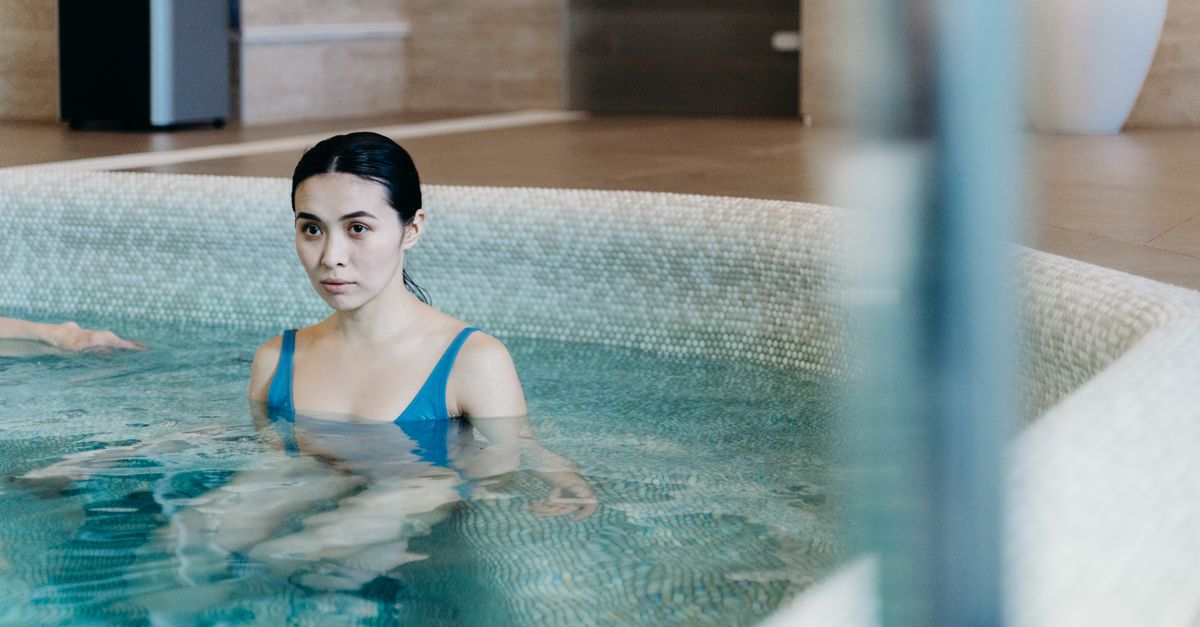
The first time I lowered myself into a 4°C ice barrel in Canggu, I made a noise I’m not proud of. Somewhere between a gasp and a swear word, with a couple of strangers in the sauna politely pretending not to hear. Ninety seconds later I climbed out feeling like someone had switched a light on in my chest: wired, clear-headed, weirdly elated. I got it immediately. And I understood why half the island now seems to be doing the same thing before breakfast.
Because here’s what’s changed. For years, wellness in Bali meant a sunrise yoga class, a green smoothie, maybe a massage. Lovely, but gentle. In 2026 the conversation has shifted hard towards recovery and performance, and the ice bath Bali scene is the clearest sign of it. Cold plunges, contrast therapy, cryotherapy, longevity clinics: the island has quietly become one of the best places in the world to do this stuff, and at a fraction of what it costs back home.
This is my honest guide to Bali’s “Wellness 2.0”: what it is, where to actually go, what it costs, and how to start without traumatising yourself on day one.
From Smoothie Bowls to Ice Barrels: How Bali Wellness Changed
Bali’s reputation as a wellness destination took off in the late 2000s and hardened through the 2010s. Yoga shalas, raw cafés, sound healing. None of that has gone away, but something new has grown up alongside it, and it’s louder, colder, and far more data-obsessed.
The shift is partly cultural. The crowd coming to Bali now skews towards remote workers, founders, and a surf community that treats their body like equipment to be maintained. They don’t want to “relax” so much as recover and optimise. And the island has rushed to meet them: studios that were yoga rooms three years ago have bolted on ice baths and saunas, and entire recovery bathhouses have opened from scratch.
There’s also something genuinely Balinese underneath the hype, if you look for it. Traditional Balinese philosophy already honours the elements (fire and water, heat and cold) and the island’s oldest healing rituals are built around purification through water. So when a Canggu bathhouse sends you from a 100°C sauna into an ice plunge, it’s dressing up something old in very new clothes. That blend of ancient ritual and modern biohacking is exactly why Bali does this better than a clinical recovery centre in London ever could. And it’s why I keep coming back to it.
What Contrast Therapy Actually Is (and Why Everyone’s Doing It)
Let me explain the thing everyone’s talking about, because the jargon makes it sound more intimidating than it is.
Contrast therapy is simply alternating between heat and cold: usually a hot sauna followed by a cold plunge, repeated a few times. The heat (typically 80–100°C in a sauna) opens your blood vessels and relaxes your muscles. The cold (anywhere from a manageable 10–15°C plunge down to a brutal 4°C barrel) slams them shut again. That push-pull is the whole point: it’s a workout for your circulation, not just a nice sit-down.
The reported benefits are why people get hooked. Cold immersion floods your system with norepinephrine, which is behind that sharp, almost euphoric focus you feel afterwards. It can reduce muscle soreness and inflammation, which is why Bali’s surfers swear by it after long sessions in the water. And the repeated “controlled stress” of going cold, then warm, then cold again is thought to build genuine resilience in your nervous system: a calmer baseline over time. I won’t pretend the science is fully settled on every claim, because it isn’t. But the consensus on recovery and mood is strong enough that I’ve made it a weekly habit.
One practical note: the goal isn’t endurance. You don’t win by staying in longest. Most guided sessions keep cold exposure to one to three minutes, with the magic being in the repeated transitions. Anyone telling you to tough out ten minutes in an ice barrel is showing off, not coaching.
Where to Do an Ice Bath in Bali: My Honest Area-by-Area Guide
This is the part people actually want, so here’s where I’d send you depending on where you’re staying.
Canggu is the beating heart of the scene. The anchor is AMO Bathhouse on Jl. Batu Bolong: it’s been running the recovery-bathhouse format since 2017 and has the most complete circuit on the island: ice plunge pools at 12–15°C, ice barrels at a savage 4°C, a Finnish rock sauna at 100°C, a Turkish hammam, steam room, jacuzzi and a poolside café, open daily 8am to 10pm. It’s social, buzzy, and a genuinely good place to meet people: there’s a healthy tonic bar right by the pools. If you want a serious cold shock, Body Factory Canggu pairs a heaving gym with one of the coldest plunges around at 4°C and a strong flow rate that makes it bite. And if crowds aren’t your thing, sundaymood does fully private infrared sauna and ice-bath sessions: just you, no audience.
Uluwatu has gone all-in on a more intense, surf-and-recovery vibe. The Istana, perched on the cliffs, is the island’s biohacking flagship: a strict no-phone recovery space with cold plunges, cryotherapy, hyperbaric chambers and sensory deprivation tanks. The Asa Maia, also on the Uluwatu cliffs, leans into contrast therapy and breathwork, with a dramatic subterranean cold plunge. And Ice Break Bali over in Pecatu pairs a freezing plunge with red light therapy and guided breathing, with a community feel that regulars rave about.
Ubud does it more gently and more medically. Titi Batu is an unpretentious family-and-fitness club with a sauna, steam room and cold plunge: the accessible option if you’re staying inland and don’t want a scene.
Wherever you go, a guided first session is worth it. The breathing coaching alone is the difference between panic and calm.
The Longevity Clinics: Biohacking Goes Mainstream
If contrast therapy is the gateway, longevity medicine is where Bali’s Wellness 2.0 gets seriously high-tech in 2026.
A handful of clinics have moved well beyond saunas into proper diagnostics and intervention. Bali Eden Longevity Centre in Mas, Ubud runs as a doctor-led clinic with on-site physicians and nurses, offering whole-body cryotherapy, NAD+ infusions, red light therapy, hyperbaric oxygen and detailed blood panels, with individual treatments starting from around 290,000 IDR (roughly £12). What I find genuinely interesting is that they pair all the machines with a 250-plant medicinal garden rooted in traditional Balinese herbal medicine. Again: old and new, side by side.
At the luxury end, REVĪVŌ Wellness Resort in Nusa Dua opened its Vitality Centre in 2025, offering photobiomodulation, IV nutrient drips and hyperbaric sessions alongside DNA-led programmes. Over in Canggu, Rejuvo Life has built a slick following around IV drips and aesthetic-meets-longevity treatments. These places aren’t cheap, and I’d urge a healthy scepticism about some of the bolder anti-ageing claims, but as a place to do a blood panel and a recovery reset under medical supervision, Bali now competes with clinics charging five times more elsewhere.
What It Costs, and Whether It’s Worth It
Here’s where Bali genuinely shines, especially if you’re earning in pounds or dollars (the rupiah sits at roughly 23,800 to the pound as I write this in June 2026).
A single bathhouse entry runs around 300,000 IDR (about £12–13) for up to two hours of sauna and ice access. If you’re staying a while, the maths gets silly: a four-week unlimited membership at a place like AMO is around 1,800,000 IDR, roughly £75 for a month of daily contrast therapy. Try pricing that in a European city and you’ll fall off your chair. Entry-level clinic treatments start around the same £12 mark, climbing steeply for the high-tech longevity work and luxury-resort programmes.
So is it worth it? For me, unequivocally, but with honesty about what you’re buying. The bathhouses are exceptional value and the most reliable mood-and-recovery boost I’ve found. The longevity clinics are where I’d spend more carefully: brilliant for diagnostics and a structured reset, less so if you’re chasing miracle anti-ageing promises. Buy the experience and the recovery. Be sceptical of anyone selling you immortality.
How to Start Without Hating Your First Plunge
If you’ve never done this, the first plunge is a genuine shock, so a little strategy helps.
Start short: 30 seconds to a minute is plenty, and you can build towards two to five minutes over weeks, not days. Choose a milder plunge (10–15°C) before you go anywhere near a 4°C barrel; there’s no medal for skipping straight to the brutal one. The single most important thing is your breathing: long, slow exhales calm your nervous system and stop the panicky gasp. Go with a guided session your first time so someone talks you through it. Hydrate well, ideally with electrolytes, and don’t do it on a completely empty or overly full stomach. And one real safety note: cold immersion isn’t for everyone. If you have heart issues, high blood pressure, or you’re pregnant, talk to a doctor before you plunge. This is a stimulant for your system, not a gentle spa dip.
Get those basics right and the second session is a world away from the first. By the third, you’ll be the insufferable one telling friends they have to try it.
Conclusion
Bali’s wellness scene has grown up. It’s no longer just sunrise yoga and a smoothie: it’s a serious, surprisingly affordable hub for cold plunges, contrast therapy and longevity medicine, wrapped in the island’s own ancient relationship with heat, cold and water. Whether you want a £12 ice bath before work or a doctor-led recovery week, it’s all here, and it’s better value than almost anywhere on earth.
My honest advice: start with one guided bathhouse session in Canggu or Uluwatu, breathe through it, and see how you feel an hour later. That hour is what sells everyone.
Have you tried an ice bath or cold plunge in Bali, or is it on your list for 2026? Reply and tell me where you went and whether you made the same undignified noise I did. I read every message.
FAQs
Where can I do an ice bath in Bali?
The best-known spots are in Canggu and Uluwatu. AMO Bathhouse in Canggu offers the most complete sauna-and-ice circuit, Body Factory Canggu has one of the coldest plunges at 4°C, and in Uluwatu, The Istana, The Asa Maia and Ice Break Bali all specialise in cold therapy. Ubud’s Titi Batu is a gentler inland option.
What is contrast therapy?
Contrast therapy means alternating between heat and cold: typically a hot sauna followed by a cold plunge, repeated a few times. The heat opens your blood vessels and the cold contracts them, which is thought to improve circulation, reduce muscle soreness, and build nervous-system resilience.
How cold are the ice baths in Bali?
It varies by venue. Standard ice plunge pools sit around 10–15°C, which is challenging but manageable. Dedicated ice barrels for advanced users run as cold as 4°C. Always start with a milder temperature before attempting the coldest options.
How much does an ice bath cost in Bali?
A single bathhouse entry is around 300,000 IDR (roughly £12–13) for up to two hours of sauna and ice access. Monthly unlimited memberships at places like AMO run about 1,800,000 IDR (around £75), which is exceptional value for daily use.
How long should I stay in a cold plunge?
Most guided sessions keep cold exposure to one to three minutes. Beginners should start with 30 seconds to a minute. The benefit comes from repeated hot-cold transitions, not from staying in as long as possible. Endurance isn’t the goal.
Is an ice bath safe for everyone?
No. Cold immersion is a strong physiological stimulus and isn’t suitable for everyone. If you have heart conditions, high blood pressure, or you’re pregnant, consult a doctor before trying it. Always start gently and prioritise slow, controlled breathing.
What is biohacking in Bali?
Biohacking in Bali refers to science-led recovery and performance treatments such as cryotherapy, infrared saunas, NAD+ IV drips, red light therapy and hyperbaric oxygen. It’s offered at recovery centres and longevity clinics, often blended with traditional Balinese healing practices.
Where are the best longevity clinics in Bali?
Bali Eden Longevity Centre in Ubud is a doctor-led clinic offering cryotherapy, IV therapy and blood diagnostics from around 290,000 IDR per treatment. REVĪVŌ in Nusa Dua and Rejuvo Life in Canggu are other well-regarded options for biohacking and longevity work.
Do I need to book an ice bath session in advance?
Some bathhouses like AMO allow walk-ins, though capacity can be limited at busy times. Guided sessions, private studios, and clinic treatments usually need booking ahead. For your first time, booking a guided session is worth it for the coaching.
Is cold plunging good for surfers?
Yes, it’s hugely popular in Bali’s surf communities, especially in Uluwatu. Cold immersion after long surf sessions may reduce muscle soreness and inflammation, helping the body shift from exertion into recovery. Several Uluwatu recovery centres are built specifically around surf recovery.
🌿 Health & wellness disclaimer: This article reflects my personal experience and independent research as of June 2026. Cold immersion, contrast therapy, and biohacking treatments carry individual risks and aren’t suitable for everyone, particularly anyone with heart conditions, high blood pressure, or during pregnancy. Venue details, temperatures, and prices change; always verify current information and consult a qualified medical professional before starting any new recovery or wellness practice. This is general information, not medical advice.
A note from Anne
Destined for Bali shares my personal experiences, opinions, and independent research. Everything I write reflects what I’ve found to be true at the time of publishing, but Bali changes constantly, and what works for me may not work for you. Always do your own research and seek qualified professional advice before making decisions about travel, visas, property, business, health, or anything else that matters. Some links in my posts are affiliate links, meaning I may earn a small commission at no extra cost to you. Sponsored content is always clearly labelled. Read the full Terms and Privacy Policy.