The Best Bali Cafes: Brunch, Smoothie Bowls and Laptop-Friendly Spots
The best cafes in Bali for brunch, smoothie bowls and laptop-friendly work: great coffee, fast Wi-Fi and the island's buzziest spots.
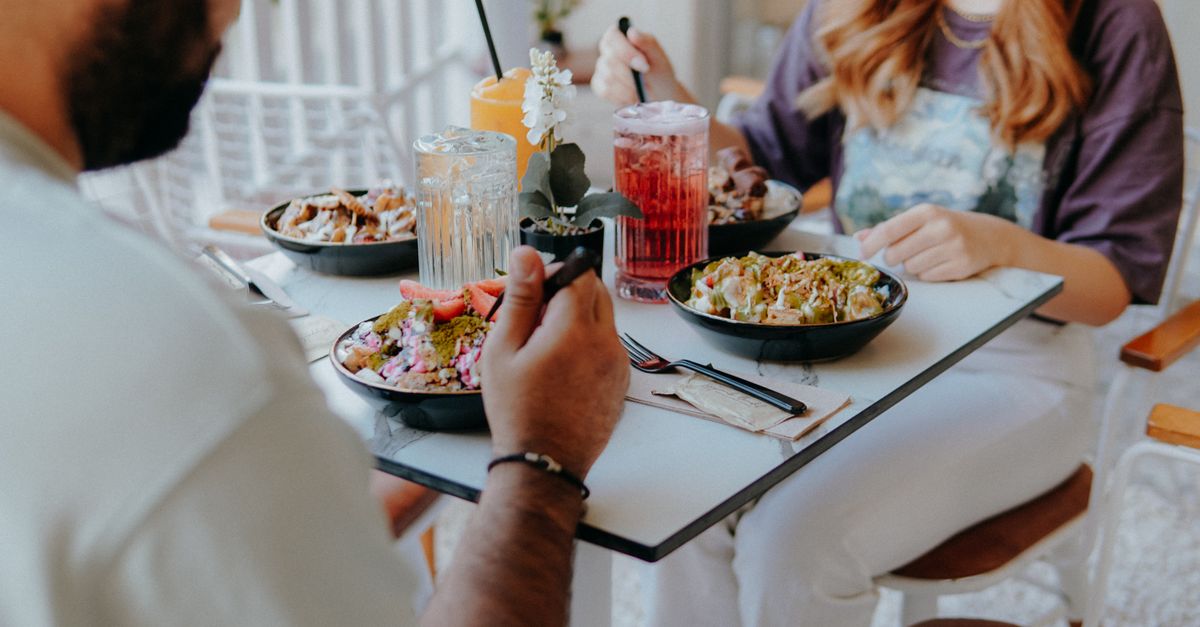
Bali’s café scene has quietly become one of the most compelling reasons to linger on the island longer than planned. Whether you’re a digital nomad hunting for reliable Wi-Fi and a second flat white, a holidaymaker craving a picture-perfect acai bowl before a temple tour, or an expat who’s made the island home and demands more than just instant coffee, Bali delivers with genuine flair. From the rice-paddy-view terraces of Ubud to the breezy beachside tables of Seminyak and Canggu, the sheer variety (and quality) of Bali’s café culture is extraordinary.
What makes Bali’s café landscape particularly exciting is how it blends local Indonesian ingredients with international techniques. You’ll find cold-pressed juices using local dragon fruit, single-origin Flores coffee roasted in-house, and smoothie bowls topped with house-made granola and edible flowers, all at prices that remain startlingly reasonable by Western standards. Most establishments accept card payments, offer strong Wi-Fi passwords written on chalkboards, and are staffed by teams who genuinely understand the needs of long-stay visitors.
This guide focuses on real, currently operating establishments across the island’s key café districts, with honest notes on cost, connectivity, and what to order.
Where to Find Bali’s Best Café Districts: Canggu, Ubud and Seminyak
Understanding Bali’s geography saves you a great deal of time. The island’s café culture clusters in three main zones, each with a distinct personality.
Canggu is the undisputed home of the digital nomad café. The area around Batu Bolong and Berawa is packed with co-working-adjacent cafés that take their speciality coffee seriously. Café Organic on Jl. Batu Bolong is one of the long-standing favourites: a garden setting with solid Wi-Fi, a menu heavy on nourishing bowls (from around IDR 75,000 / £3.80 for a smoothie bowl), and a genuinely calm atmosphere even on busy mornings. The Shady Shack on Jl. Tanah Barak is another institution: a vegetarian and vegan café with a lush green setting that feels entirely removed from the busy roads outside. Expect to pay IDR 85,000–130,000 (£4.25–£6.50) for a main brunch plate.
Ubud tends towards a more relaxed, spiritual aesthetic. Cafés here often back onto jungle or rice-field views, and the clientele skews towards wellness tourists and long-stay creatives. Seniman Coffee Studio on Jl. Sri Wedari is arguably the best single-origin coffee experience on the island, with beans sourced from across the Indonesian archipelago and baristas trained to espresso-competition standard. A single origin pour-over costs around IDR 60,000 (£3.00).
Seminyak is more polished and upmarket. Cafés here are designed with Instagram in mind, but many also deliver on substance. Revolver Espresso, tucked down a narrow lane off Jl. Kayu Aya in Seminyak, is a beloved institution: a tiny, moody space famous for its short, precise espresso menu and superb toasted sandwiches.
If you’re moving between zones, hiring a scooter (from around IDR 70,000–100,000 / £3.50–£5.00 per day) or booking a private driver through Viator makes visiting multiple café districts in a single day entirely manageable.
The Top Smoothie Bowl Cafés in Bali: Worth the Hype
Bali essentially invented the modern smoothie bowl trend, and the best versions here are genuinely superior to anything you’ll find elsewhere. The combination of ultra-fresh tropical fruit, house-made granola, and carefully sourced superfoods creates something that tastes as good as it photographs.
Kynd Community in Seminyak (Jl. Petitenget, Kerobokan Kelod) is the island’s most photographed smoothie bowl destination, and for good reason. Their rotating menu of vibrant bowls, built on a base of blended pitaya (dragon fruit), mango, or açaí, starts at around IDR 95,000 (£4.75). The toppings are generous: house granola, coconut flakes, seasonal fruit, and bee pollen, and the café itself is a riot of colour, with hanging rattan décor and painted walls that make it impossible not to reach for your phone. Wi-Fi is available but the space is more suited to a leisurely breakfast than a work session.
Bali Buda has multiple locations across the island, including Ubud on Jl. Jembawan and Kerobokan, and is a genuine institution for health-conscious eating. Their smoothie bowls use certified organic ingredients where possible, and the menu rotates with the seasons. A Bali Buda bowl will set you back IDR 80,000–105,000 (£4.00–£5.25). The Ubud branch doubles as an organic shop, making it an excellent stop if you’re self-catering from an Airbnb: book your Ubud stay through a platform like Airbnb to ensure you have kitchen access.
Alchemy Raw in Ubud (Jl. Penestanan Kelod) caters to the raw-food and vegan community with a salad bar, smoothies, and raw desserts alongside their bowls. It’s one of the few places where you’ll find spirulina, activated charcoal, and maca regularly on the menu. Pricing is slightly higher than average at IDR 100,000–140,000 (£5.00–£7.00) for a full bowl, reflecting the quality of ingredients.
The key tip for smoothie bowls in Bali: go before 10am. Most of the best bowls sell out or are made fresher in the early morning rush, and you’ll avoid the midday heat that makes eating a cold bowl outdoors considerably less pleasant.
Laptop-Friendly Cafés in Bali: Reliable Wi-Fi, Power Points and Good Coffee
Working from a Bali café is one of the genuine pleasures of the digital nomad lifestyle, if you know where to go. The wrong choice means three hours of frustration with a weak signal, a dead laptop battery, and a proprietor giving pointed looks at your empty cup. The right choice feels like the best office in the world.
Dojo Bali in Canggu (Jl. Batu Mejan) straddles the line between café and co-working space, which is precisely what makes it excellent. A day pass costs from around IDR 150,000 (£7.50) and includes high-speed internet (typically 50–100 Mbps), access to power points at every seat, and a pool. The café side is open to non-members but power-point access is prioritised for pass holders. The coffee is genuinely good: house blend espresso drinks from IDR 40,000 (£2.00).
Crate Café in Canggu (Jl. Canggu Padang Linjong) is a consistently popular choice for working nomads. The space is large, airy, and designed to accommodate laptops: power points are plentiful, the Wi-Fi holds up even during peak hours, and the brunch menu is substantial enough to justify a four-hour session. Their eggs benedict with pulled pork (IDR 115,000 / £5.75) is one of the better brunch plates in the area.
For a dedicated co-working environment in Ubud, spaces such as Outpost and Kaja Kangin offer bamboo-structure settings, strong community vibes, and day rates that typically start around IDR 150,000–200,000 (£7.50–£10.00), often including café-quality coffee.
If you’re planning to work remotely from Bali for a sustained period, travel insurance is non-negotiable: SafetyWing offers nomad-specific coverage that includes medical repatriation and is widely used by the Canggu community. Also worth setting up Wise before you arrive: transferring money at the live exchange rate rather than bank rates saves meaningfully over a longer stay.
Bali Brunch Culture: What to Order and When to Go
Bali’s brunch scene has evolved significantly over the past five years. Gone are the days when a “Western breakfast” meant a disappointing plate of rubbery eggs and supermarket bread. Today’s Bali brunch plates rival those of any Melbourne or east London café.
Avocado toast remains the benchmark dish, and Bali’s version is typically built on house-baked sourdough, loaded with good avocado, topped with dukkah or za’atar, and finished with a poached or soft-boiled egg. The best version in Canggu is arguably at Motion Café (Jl. Batu Mejan Echo Beach), where the sourdough is baked daily on-site and the avocado smash comes with pickled red onion and micro herbs (IDR 90,000 / £4.50).
Nasi goreng (Indonesian fried rice) appears on almost every brunch menu, and rightly so. A well-made nasi goreng with egg, prawn crackers, and sambal is deeply satisfying and typically costs IDR 45,000–70,000 (£2.25–£3.50), making it the best-value option on most menus.
Eggs benedict variations are served everywhere, but the most inventive interpretation is at FINNS Beach Club in Berawa (Jl. Pantai Berawa), where crab cakes replace the traditional English muffin base. At IDR 160,000 (£8.00) it’s pricier than most, but the beach-club setting and quality justifies it for a special occasion brunch.
Timing matters enormously. Cafés in Canggu and Seminyak fill up rapidly between 9am and 11am at weekends. Arriving before 8:30am secures the best tables and often means fresher produce and a more relaxed atmosphere. Ubud’s café rhythm is slightly later, with the brunch rush peaking closer to 10am.
Hidden Gems and Local Favourites: Beyond the Tourist Trail
The most memorable café experiences in Bali are often found away from the main tourist drags. These are places frequented by long-term expats, local creatives, and travellers who’ve been on the island long enough to explore beyond the obvious.
Anomali Coffee has become a well-regarded local chain, but its roastery and flagship café in Seminyak (Jl. Raya Seminyak) remains the best branch. The house-roasted single-origin coffees from Aceh, Toraja, and Flores are exceptional, and the space is calm enough for work. A filter coffee costs IDR 45,000–65,000 (£2.25–£3.25).
Lazy Cats Café in Ubud (Jl. Goutama Selatan) is a tiny, book-lined café with a genuinely homely atmosphere. It attracts writers, artists, and long-stay residents who value quiet. The menu is small: coffees, teas, a handful of cakes and sandwiches, but everything is made with care. Cash only, and expect to pay IDR 25,000–50,000 (£1.25–£2.50) for most items.
Milk & Madu in Canggu (Jl. Pantai Berawa) occupies a beautiful two-storey space and has evolved from a simple café into a full-service brunch destination. Their banana pancake stack with salted caramel (IDR 95,000 / £4.75) has developed something of a cult following, and the coffee programme is taken seriously. It’s busier than it once was, but still delivers on quality.
For those exploring the island more broadly and combining café stops with cultural experiences, GetYourGuide offers half-day and full-day tours that can be combined with a morning café visit before heading to temples or rice terraces in the afternoon.
FAQs
What is the average price for a coffee in a Bali café? A well-made espresso-based coffee (flat white, latte, or cappuccino) typically costs between IDR 35,000 and IDR 65,000 (approximately £1.75–£3.25) in most Canggu and Ubud cafés. Upmarket beach clubs and hotel cafés can charge IDR 80,000–100,000 (£4.00–£5.00).
Do Bali cafés have reliable Wi-Fi for remote work? The best cafés in Canggu and Ubud offer genuinely reliable Wi-Fi: 20–100 Mbps is common in purpose-built co-working cafés like Dojo Bali and Crate Café. Always ask for the speed before settling in for a long session, and carry a local SIM with data as a backup. Telkomsel and XL Axiata both offer strong 4G coverage across café districts.
Is it acceptable to work on a laptop in Bali cafés? Yes, particularly in Canggu and Ubud, where the café culture is heavily oriented towards digital nomads. Most cafés welcome laptop users provided you order regularly. A common unwritten rule is to order something every two hours if you’re using a power point.
Which Bali neighbourhood has the best café scene for digital nomads? Canggu is the most developed area for nomad-friendly cafés, with the highest concentration of co-working spaces, strong Wi-Fi infrastructure, and a large expat community. Ubud is the better choice if you prioritise a quieter, more creative atmosphere.
Are smoothie bowls in Bali actually healthy? The best versions (made with whole fruit, no added sugar, and quality toppings) are genuinely nutritious. Some cafés add sweetened yoghurt or granola with high sugar content, so it’s worth reading the menu carefully. Asking for no added sweetener is always an option and is generally accommodated without issue.
What currency should I use in Bali cafés? Most cafés in tourist areas accept both Indonesian Rupiah (IDR) and major credit or debit cards. Paying in IDR always gives you the best value. Use Wise to transfer money at the live mid-market rate, and withdraw IDR from an ATM in Bali rather than exchanging currency before you travel.
Can I find good coffee in Bali outside of Canggu and Ubud? Absolutely. Seminyak has a strong café scene with Revolver Espresso and Anomali as standout options. Sanur is developing quickly and has several excellent neighbourhood cafés. Even areas like Uluwatu and Nusa Dua now have quality coffee options, though the selection is smaller.
What should I order for brunch if I want a local experience? Try nasi goreng (Indonesian fried rice with egg and sambal) or mie goreng (fried noodles), both are widely available on café brunch menus and offer excellent flavour at low cost. Bubur ayam (rice porridge with chicken) is a traditional Balinese breakfast that some cafés serve, and well worth trying.
Are Bali cafés dog-friendly? Many of the open-air, garden-style cafés in Canggu and Ubud are welcoming to dogs, reflecting Bali’s generally relaxed attitude towards animals. The Shady Shack, Crate Café, and several others are known to be dog-friendly. Indoor, air-conditioned cafés are less likely to permit dogs.
How do I get between café districts in Bali? Hiring a scooter is the most flexible option and costs from around IDR 70,000–100,000 (£3.50–£5.00) per day from most rental shops. If you prefer not to ride, Grab (Southeast Asia’s equivalent of Uber) operates across the island and is reliable for point-to-point trips. Private driver bookings through Viator are a comfortable option for longer journeys between Canggu, Seminyak, and Ubud.
Before you go: I wrote this in 2026 and double-checked every price, fee, opening time and rule I could, but Bali changes fast. Treat the figures here as a guide and confirm the latest details before you book or travel.
Some of the links in this article are affiliate links: if you book through them I may earn a small commission at no extra cost to you. I only ever recommend things I would happily send a friend to.