Bringing a Pet to Bali 2026: The Honest Guide to the Rules, the Rabies Ban & Your Real Options
The relocation question nobody answers honestly: can you actually bring your dog or cat to Bali? A clear 2026 look at Indonesia's import rules, the rabies-driven restrictions, and the realistic options for pet owners moving to the island.
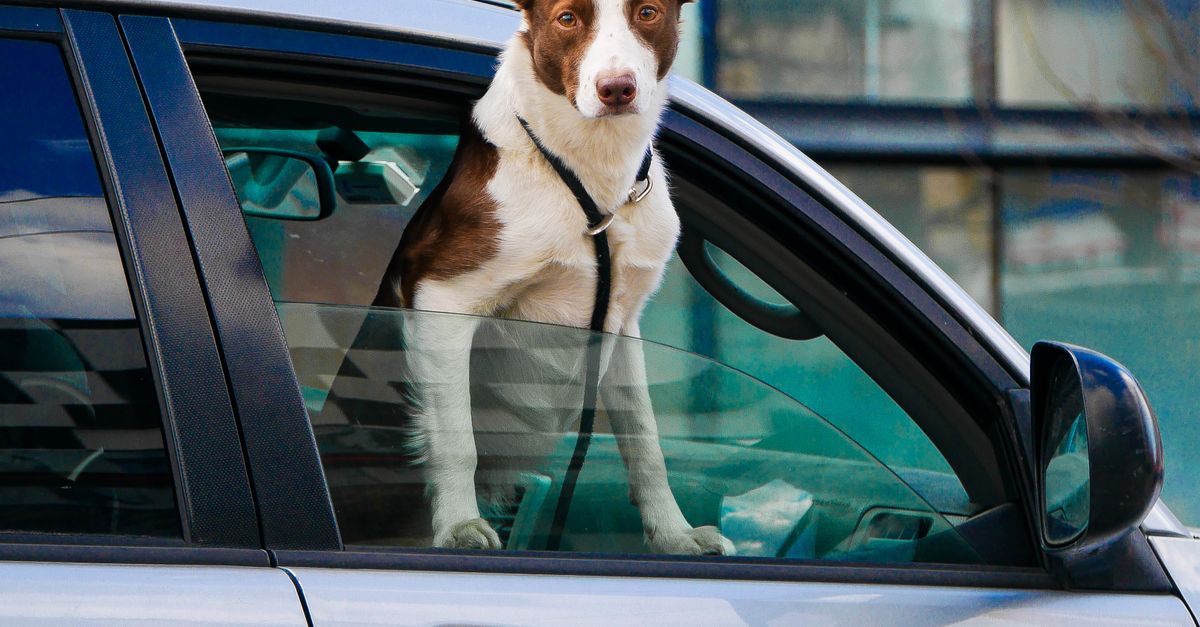
Of all the questions that come with moving to Bali: the visa, the villa, the bank account, there’s one that quietly breaks hearts more than any other. ‘Can I bring my dog?’ If you’re reading this with a cat on your lap or a dog at your feet, I already know how much is riding on the answer, so I’m not going to dress it up.
Here’s the hard truth most relocation adverts skip: you cannot simply fly your pet into Bali. Not in cabin, not in the hold, not with the world’s most complete folder of paperwork. Bali is treated as a rabies-restricted province, and dogs and cats aren’t permitted to clear customs or even transit at Denpasar airport at all. The glossy ‘we’ll relocate your fur baby to paradise’ pitch you may have seen is, at best, telling you only part of a very complicated story.
I’m Annie, I live here, and I’d rather give you the honest, useful version than a comforting one that ends in heartbreak at an airport. So let’s walk through it properly: why the rules are the way they are, the one difficult route that does exist, what it really costs, and the kind, humane options if bringing your pet turns out not to be possible. This is bringing a pet to Bali, told straight.
Can you actually bring a pet to Bali? The honest answer
Let’s not bury it. The honest answer to can you bring a dog to Bali, or a cat, is not directly, and not easily. There is no legal way to fly your pet straight into Denpasar. The island sits on Indonesia’s list of protected provinces where importing dogs and cats is banned outright, and the airport will not process them.
That single fact catches out almost everyone, because it’s so counter to how pet travel works elsewhere. You can’t do the thing you’d do for most countries: book a pet-friendly airline, complete a health certificate, and land together. Flying with a pet to Bali as a direct journey simply isn’t on the table.
What does technically exist is a long way round: bring your pet into Indonesia through an approved entry point on another island (in practice Jakarta), clear the national quarantine and paperwork there, and then apply for special permission to move the animal on to Bali domestically. It is difficult, slow and expensive, and the part the relocation adverts gloss over is that it can still be refused at the final step. I’ll walk you through it honestly in a moment, but please hold onto this: ‘possible in theory’ and ‘a good idea for your pet’ are not the same sentence.
Why the rules are so strict: Bali, rabies and the import ban
To make peace with these rules, it helps to understand why they exist, and to correct a myth while we’re here. You’ll read on some websites that Bali is ‘rabies-free’. It isn’t, and believing that could lead you badly astray. Bali has been rabies-endemic since 2008, when the disease arrived via an animal brought from another island, and it has struggled with serious outbreaks ever since.
The numbers behind the Bali rabies pet ban are sobering. Rabies is now endemic across most of Indonesia, and Bali records some of the highest case counts of all: tens of thousands of animal bites a year, and deaths annually. In the first months of 2026 alone, close to 30,000 people were bitten by suspected rabid animals, and ‘red zones’ have been declared in tourist areas including Nusa Dua, Jimbaran, Tanjung Benoa and the Mengwi district near Canggu.
That context is the whole reason for the restrictions. The ban on moving dogs and cats into Bali exists to stop new strains and fresh outbreaks arriving with imported animals, and to protect an already-stretched rabies-control effort. When you frame it that way, the rules stop feeling like bureaucratic cruelty and start looking like what they are: a public-health wall around a genuine problem. It doesn’t make it easier if you’re the one trying to bring a beloved dog, but it does explain why nobody at the airport is going to bend it for you.
The only legal route in, and why it’s so hard
Right, the practical path, told without sugar-coating. If you’re set on it, the only route runs through Jakarta, and the Indonesia pet import 2026 process looks roughly like this. Your pet needs an ISO-standard 15-digit microchip fitted before its rabies vaccination. After vaccinating, there’s a waiting period, commonly around a month, before a rabies antibody blood test (the FAVN or RNATT titre test), which must come back at 0.5 IU/ml or higher. You’ll also need an import permit from Barantin, Indonesia’s quarantine agency, which itself takes several weeks, plus a vet health certificate issued close to travel.
Then comes Bali quarantine, except the quarantine happens in Jakarta, not Bali. On arrival your pet enters government quarantine, commonly cited at anywhere from a week to a fortnight, at a cost of a few million rupiah. Realistically, the whole preparation timeline runs three to four months from start to finish.
And here is the sting in the tail, the bit that makes this more than just onerous: even after all of that, moving the animal on from Jakarta to Bali requires a separate inter-area movement permit, and that permission can be refused or suspended, especially when rabies flare-ups are active. Animals moved without the right documentation can be seized. So this is not a difficult-but-guaranteed process; it’s a difficult process that can still end in ‘no’ after you’ve spent months and thousands. Anyone promising you it’s routine is not being straight with you.
Flying, costs and the reality check
Let’s talk logistics and money, because they’re sobering too. Because Bali is off-limits directly, any journey means flying into Jakarta first, and most pets travel there as manifest cargo rather than in the cabin. Airlines commonly used for Indonesia include KLM, Qatar Airways, Singapore Airlines, Lufthansa, Turkish and Malaysia Airlines, though in-cabin options for anything but the smallest pets are rare on these long routes. Larger dogs go as cargo, full stop.
For Bali pet relocation, budget realistically. A professional pet-relocation service handling an international move into Indonesia typically runs somewhere from USD 1,500 to well over 3,000, and that’s before the added complexity and cost of the onward leg to Bali. Add the microchip, vaccinations, titre test, permits, quarantine fees and health certificates, and you’re looking at a serious, multi-thousand-pound commitment with, as we’ve covered, no cast-iron guarantee at the end.
Two more honest flags. First, there’s conflicting information about breed restrictions (some sources suggest certain breeds such as pit bull types may be barred), so if you have a bully breed, verify directly before you spend a penny. Second, pets from officially rabies-free countries (like the UK, Australia, New Zealand, Singapore or Japan) may face lighter quarantine into Indonesia if everything is in perfect order, but they still can’t skip the Jakarta route into Bali. When you add it all up (the money, the months, the cargo hold, the quarantine, and the possibility of a final refusal) the reality check writes itself, and it leads a lot of loving owners to a different decision.
If you can’t bring them: the kind options
If you’ve read this far and your heart has sunk, take a breath. Choosing not to put your pet through all of this can be the most loving decision, not a failure. There are genuinely good options.
The gentlest, for many, is to rehome, foster or board your pet with trusted family or friends back home, especially if your Bali move is a trial or you’re not sure how long you’ll stay. A settled, familiar life at home often beats a stressful cargo journey and quarantine for an older or anxious animal. It’s not giving up on them; it’s putting their wellbeing first.
And if it’s Bali life with a dog or cat that you’re really craving, there’s a beautiful alternative: adopt a dog in Bali once you’ve arrived. The island is full of loving animals who desperately need homes, and reputable shelters do wonderful, careful work: BAWA, the Bali Animal Welfare Association in Ubud, runs adoption, fostering and a free animal ambulance; Villa Kitty near Ubud rescues and rehomes cats; and groups like The Bali Dogs place rescue dogs with expat families all the time. Most of these shelters are clustered around Ubud, so a private driver makes an afternoon of meeting the animals easy. Adopting locally sidesteps the entire import nightmare, gives a Bali animal a home, and supports the very organisations fighting the island’s rabies problem. One firm, final word: whatever you do, never try to smuggle a pet into Bali. Undocumented animals face seizure and worse, and no shortcut is worth that risk.
Before you go: I wrote this in 2026 and checked the rules against the best sources I could, but pet-import regulations and enforcement change, and the details are genuinely complex. This is my honest research, not official or veterinary advice. Always confirm the current requirements directly with Indonesia’s quarantine agency (Barantin) and a reputable, accredited pet-relocation specialist before making any decision or spending any money.
One of the links in this article is an affiliate link: if you book through it I may earn a small commission at no extra cost to you. I only ever recommend things I’d happily send a friend to.
FAQs
Can I bring my dog or cat directly to Bali?
No. You cannot legally fly a pet dog or cat directly into Bali. The island is a rabies-restricted province and pets can’t clear or transit Denpasar airport. The only route is importing into Indonesia via Jakarta, then seeking a separate permit to move the pet on to Bali, which can be refused.
Why can’t pets enter Bali when they can enter other countries?
Because Bali has been rabies-endemic since 2008 and sits on Indonesia’s list of protected provinces where importing dogs and cats is banned. The rules exist to stop new rabies strains and outbreaks arriving with imported animals. It’s a public-health measure, strictly enforced.
Is Bali rabies-free?
No. This is a common and dangerous myth. Bali is rabies-endemic with ongoing outbreaks and tens of thousands of animal bites a year. Some sites confuse a legal ‘protected area’ classification with being disease-free; they are not the same thing.
What’s the process to import a pet into Indonesia via Jakarta?
In brief: an ISO microchip before vaccination, rabies vaccination with a waiting period, a rabies titre test at 0.5 IU/ml or above, a Barantin import permit, a vet health certificate, and government quarantine on arrival in Jakarta. It takes around three to four months to prepare.
How long is quarantine and how much does it cost?
Arrival quarantine in Jakarta is commonly cited as around one to two weeks, costing a few million rupiah (very roughly USD 190–320). That’s on top of microchip, vaccination, titre test, permit and relocation costs, which together run into the thousands.
How much does it cost to relocate a pet to Bali?
A professional international pet relocation into Indonesia typically costs from about USD 1,500 to over 3,000, before the extra cost and complexity of the onward journey to Bali. It’s a significant commitment with no guaranteed final approval.
Can my pet fly in the cabin with me?
Rarely on the long-haul routes into Indonesia, and only for the smallest pets where an airline allows it. Most pets travel as cargo into Jakarta, and larger dogs go as cargo only. Either way, the flight is to Jakarta, not directly to Bali.
Are any dog breeds banned from Indonesia?
Sources conflict: some suggest certain breeds such as pit bull types may be restricted, while others report no breed-specific ban. If you have a bully breed, confirm directly with Barantin before starting the process, as this is unresolved.
What if I can’t bring my pet? What are my options?
The kindest options are often rehoming, fostering or boarding your pet with trusted people at home, especially for a trial move or an older, anxious animal. Alternatively, adopt a rescue animal locally in Bali through a reputable shelter once you’ve settled in.
Where can I adopt a pet in Bali instead?
Reputable shelters include BAWA (Bali Animal Welfare Association) and The Bali Dogs for dogs, and Villa Kitty for cats, all around Ubud. Adopting locally avoids the entire import process, gives a Bali animal a home, and supports groups tackling the island’s rabies problem.
Related reading
Moving to or visiting Bali comes with a few other practical realities worth understanding first: