Bali Street Food & Night Markets: The Honest Guide to Eating Like a Local
The honest guide to Bali's street food and night markets: from Gianyar pasar malam to jamu stalls, with what to eat, real prices, and how to eat safely.
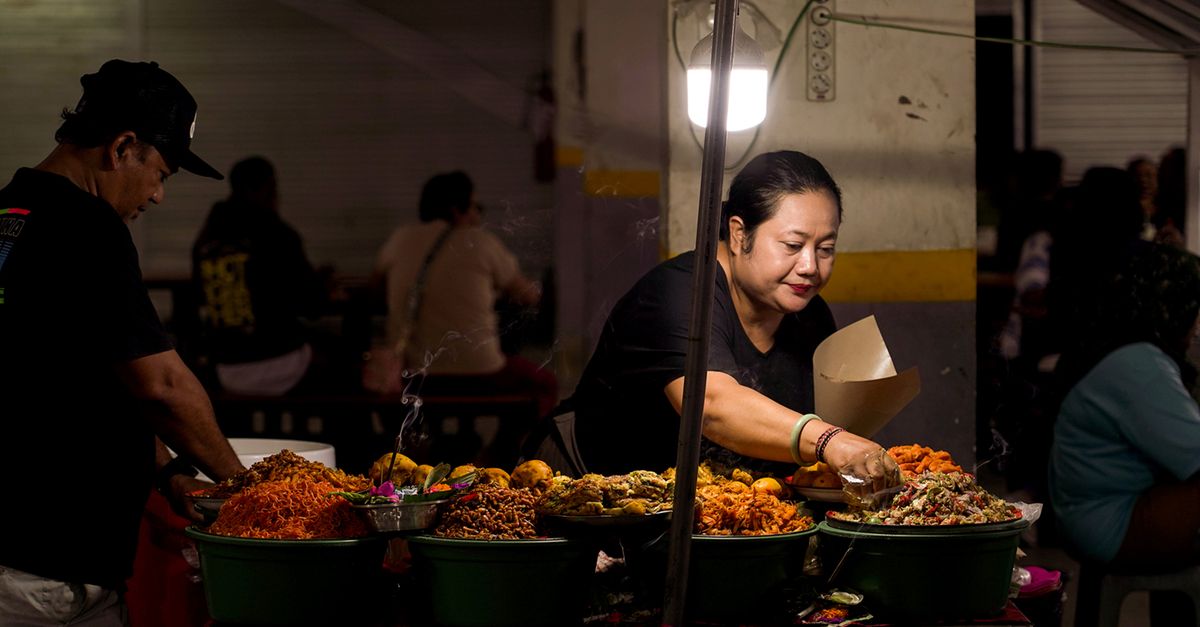
If you’re planning a trip to Bali, you’re in for a culinary treat that extends far beyond resort restaurants and beachfront cafés. The real magic of Balinese cuisine happens on the streets: in humble warungs, bustling night markets, and cosy roadside stalls where locals gather to eat. You might be overwhelmed by choice, uncertain where to start, or worried about food safety when eating from vendors with no proper signage. But here’s the good news: Bali’s street food culture is not only delicious. It’s also incredibly affordable and, when you know the right tricks, perfectly safe. In this guide, I’ll walk you through the best warungs, most iconic dishes, and hidden gems that’ll transform how you experience Balinese food.
What Are Warungs? The Heart of Bali’s Food Culture
A warung is the backbone of Balinese food culture. Far from being a simple roadside shack, a warung is typically a family-run or locally-owned eatery, often just a few plastic tables and chairs, or a counter where you can perch on a stool. These establishments range from tiny breakfast spots to fully-fledged restaurants, but what they all share is authenticity and value for money.
Warungs are where Balinese people eat every single day. They’re where families gather after school, where office workers grab lunch, and where locals meet friends on weekend evenings. You’ll find warungs everywhere: tucked into alleyways in Ubud, lining the night markets of Gianyar, and dotting the quiet streets of Canggu. The lack of fancy décor or English menus is precisely why they’re so special: you’re eating exactly what the locals eat, prepared by people who’ve been making the same dishes for generations.
The Iconic Dishes: From Nasi Campur to Babi Guling
Nasi campur is the most common street food you’ll encounter in Bali, and for good reason. The name means “mixed rice,” and that’s exactly what you get: a scoop of steamed white rice served with small portions of various side dishes. This might include satay, chicken, minced meat lawar, fried tofu, a fried egg, and a portion of sambal (chilli paste). A nasi campur meal typically costs between 20,000 and 50,000 IDR (roughly £1–3) depending on where you eat and what’s included.
Nasi jinggo is Bali’s answer to quick, portable street food. These are small portions of rice wrapped in banana leaf, sold at night markets and early-morning stalls. Perfect for breakfast on the go or a light lunch, nasi jinggo is inexpensive and flavourful, and the banana leaf wrapping adds an earthy, aromatic quality to the rice.
Babi guling is the crown jewel of Balinese specialities: a whole suckling pig, roasted until the skin is crackling and golden, then served sliced with turmeric rice, crackling skin, spiced blood and offal, and a generous dollop of sambal. It’s rich, complex, and unforgettable. The most famous spots are Ibu Oka in Ubud (a Balinese institution) and Warung Babi Guling Pak Malen, where queues form well before lunchtime. Be warned: babi guling is an acquired taste and definitely not for vegetarians or those who prefer mild flavours.
Satay (sate) is grilled perfection on a stick. Whether it’s chicken, pork, or fish, satay is charcoal-grilled and served with a rich peanut sauce or a spiced soy reduction. You’ll find satay vendors at markets, night bazaars, and standalone warung stalls throughout the island.
Mie goreng (fried noodles) and nasi goreng (fried rice) are ubiquitous, cheap, and infinitely customisable. A plate typically costs 15,000–35,000 IDR and can be made with egg, chicken, prawns, or vegetables. These dishes are cooked fresh to order in front of you, which is both entertaining and reassuring for food safety.
Where to Find the Best Street Food: Markets & Night Bazaars
The best street food experiences in Bali happen at markets and pasar malam (night markets). Here are the top spots:
Ubud Market opens early and is best visited in the morning when locals are buying fresh produce and grabbing breakfast. You’ll find nasi campur stalls, fresh fruit, local snacks, and vendors grilling satay and fish cakes. The energy is authentic and buzzing.
Gianyar Night Market is one of Bali’s most famous pasar malam. It’s a sprawling bazaar that comes alive at dusk, with dozens of food stalls selling nasi jinggo, satay, grilled fish, fried snacks, and drinks. It’s chaotic and brilliant, perfect for exploring multiple dishes in one evening.
Kuta Night Market and Sanur Night Market are other excellent options, especially if you’re based in the southern resorts. These markets are smaller and less overwhelming than Gianyar but still packed with quality street food vendors.
Seminyak’s Petitenget area has several excellent local warungs tucked away from the beach tourist trail, where you can eat alongside locals for a fraction of tourist prices.
Canggu has a thriving local food scene away from the main tourist strips. Ask locals or explore the quieter streets: you’ll find family-run warungs serving authentic Balinese breakfasts and lunches.
A Taste of Authenticity: Must-Try Specialities
Beyond the classics, there are several dishes that showcase the depth of Balinese cuisine:
Lawar is a traditional minced meat or vegetable dish mixed with freshly grated coconut, spices, and often a touch of blood (in non-vegetarian versions). It’s complex, earthy, and deeply flavourful, though it’s definitely an adventurous choice for those unfamiliar with Balinese food.
Bubur injin (black rice pudding) is a beloved breakfast dish made with black sticky rice, coconut milk, jaggery, and topped with a drizzle of condensed milk. Sweet, comforting, and beautifully coloured, it’s the perfect way to start a Balinese day.
Kopi Bali is thick, strong, and served in a glass, often prepared Kopi tubruk style, where coffee grounds are added directly to hot water. It’s intense and delicious, though quite different from espresso or filter coffee.
Jamu are traditional herbal drinks that appear throughout warungs and markets. Turmeric jamu, ginger jamu, and tamarind jamu are sold in small bottles or fresh-pressed. They’re said to have medicinal properties and are a fascinating glimpse into Balinese wellness traditions.
Food Safety & Smart Eating Tips for Travellers
The biggest concern for travellers is food safety. Here’s how to eat confidently from Balinese warungs:
Choose busy stalls with high turnover. If a warung is packed with locals during meal times, it’s a good sign. Food is being made fresh and consumed quickly, which means minimal risk of foodborne illness.
Avoid pre-cooked food sitting in the sun. Look for stalls where dishes are cooked to order or kept warm in covered containers. Satay, fried items, and freshly-grilled foods are your safest bets.
Bring hand sanitiser and wash your hands before eating. Many warungs have basic facilities, but carrying hand gel gives you extra peace of mind.
Drink bottled water only, unless you’re at a well-established restaurant with purified water systems. Stick to sealed bottles or cans.
Avoid raw salads and unpeeled fruit if your stomach is sensitive. Cooked foods are generally safer for travellers new to Asian street food.
Trust your instincts. If a stall looks genuinely unsanitary (not just humble), move on. There are plenty of other options.
Bali’s street food culture is one of the island’s greatest treasures. A meal at a warung, whether it’s a simple nasi campur, a crispy satay, or a legendary plate of babi guling, is about so much more than just eating. It’s an invitation into Balinese daily life, a chance to taste generations of culinary wisdom, and an experience that no resort restaurant can replicate. The beauty of Balinese street food is that it’s accessible, affordable, and authentic. You don’t need a travel guide to find the best warungs; just follow the locals, trust the queues, and be willing to try something new.
The next time you’re in Bali, skip the tourist-trap restaurants and head to the nearest pasar malam or local warung. Your taste buds (and your wallet) will thank you.
FAQs
What’s the difference between a warung and a restaurant in Bali?
A warung is a casual, family-run eatery focused on serving locals with authentic, affordable food. Restaurants are more formal establishments often catering to tourists. Warungs typically cost significantly less and offer more authentic Balinese cuisine.
How much does a typical street food meal cost in Bali?
A basic meal like nasi campur costs 20,000–50,000 IDR (£1–3). Satay and mie goreng run 15,000–35,000 IDR. Even premium dishes like babi guling rarely exceed 80,000 IDR. Street food is incredibly affordable compared to Western prices. For how those daily prices add up across a whole trip, see my Bali food costs guide.
Is it safe to eat street food in Bali?
Yes, when you’re sensible. Eat at busy stalls with high turnover, avoid pre-cooked food sitting in the sun, and stick to cooked rather than raw dishes. Millions of tourists eat Balinese street food safely every year. Your biggest risk is probably just overeating!
Where should I go for the best babi guling in Bali?
Ibu Oka in Ubud is the most famous spot and absolutely worth the visit, though expect queues. Warung Babi Guling Pak Malen is another excellent option. Both have legendary reputations and loyal local followings.
What’s the best time to visit night markets in Bali?
Night markets (pasar malam) typically open around 5–6 p.m. and go until late evening. Visit between 6 and 8 p.m. for the best selection of food and the liveliest atmosphere. Food stalls are most active when the sun sets.
Can vegetarians find good street food in Bali?
Absolutely. Nasi campur can be ordered vegetarian with tempeh, tofu, and vegetables. Satay comes in vegetarian options. Bubur injin is vegan-friendly. Many warungs are happy to customise dishes, so just ask what’s available.
What should I avoid when eating Balinese street food?
Avoid raw salads and unpeeled fruit if your stomach is sensitive. Skip tap water and stick to bottled. Be cautious with pre-cooked food left uncovered in hot weather. Trust your instincts: if something looks genuinely questionable, there are plenty of alternatives.
Is Kopi Bali very different from regular coffee?
Yes, Balinese coffee is thick, strong, and often served as Kopi tubruk, where grounds are added directly to hot water. It’s intense and full-bodied, quite different from filter or espresso coffee. If you prefer milder coffee, ask for less sugar or try a kopi susu (coffee with condensed milk).
What are jamu drinks and should I try them?
Jamu are traditional herbal drinks made with turmeric, ginger, tamarind, and other spices. They’re said to support digestion, immunity, and wellness. They taste earthy and are definitely worth trying. They’re refreshing and deeply Balinese.
Can I find English menus at local warungs?
Many local warungs have no English menu. This is part of the charm! Point to dishes you see other people eating, use your phone to translate, or ask the staff what they recommend. Simple hand gestures work surprisingly well, and locals are usually very helpful.