Bali's Secret Gardens: Hidden Green Spaces & Peaceful Escapes Worth Seeking Out
Bali's quietest green corners: hidden gardens and peaceful nature escapes well away from the tourist crowds, and how to find them.
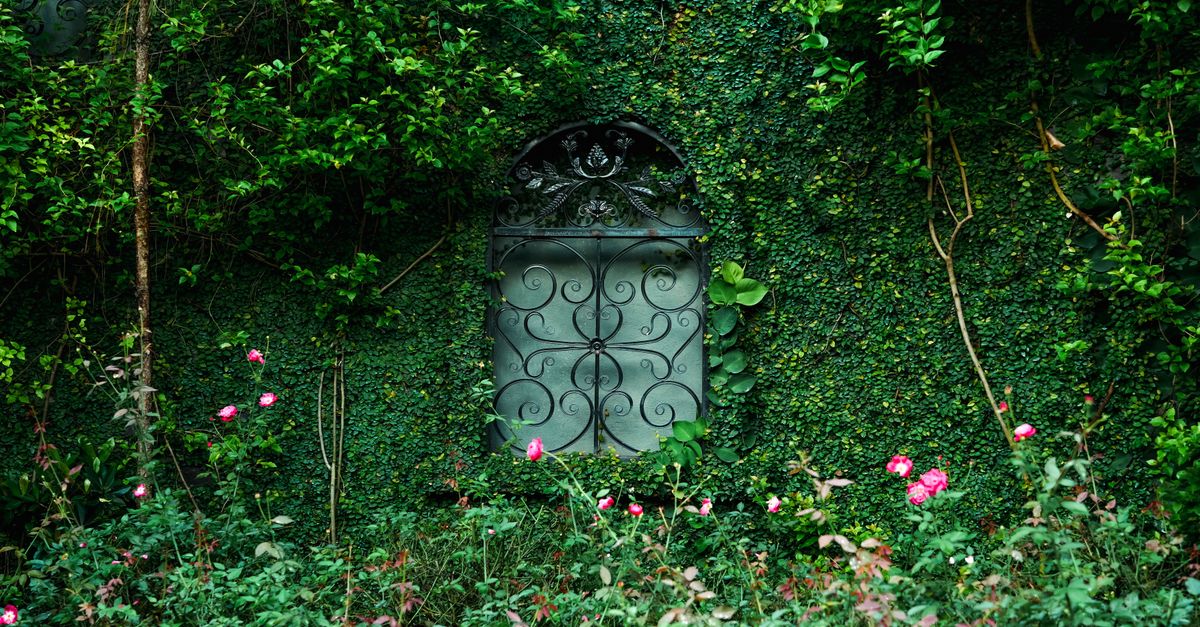
If you’ve seen Instagram’s version of Bali, you’ve seen swing photos, rice terrace selfies, and temple crowds. But Bali also holds profound spaces of stillness: gardens where you’ll encounter far more locals than tourists, where the real rhythm of the island pulses quietly. For expats settling into long-term Bali life, wellness seekers wanting genuine retreat, and travellers seeking authentic connection with nature, these hidden gardens become sanctuaries. They’re places to breathe deeply, walk alone through sculpted landscapes, sit by water features that have stood for centuries, and understand why Balinese culture venerates nature so deeply. This guide reveals Bali’s most rewarding gardens beyond the typical tourist trail: where to go, what makes each unique, how to get there, and why they matter.
Why Gardens Matter When Moving to or Visiting Bali
Bali’s rapid commercialisation has transformed the island. Canggu’s beach clubs pulse with electronic music. Ubud’s main streets heave with tourist shops. For mental health and grounding, access to genuinely peaceful nature becomes essential. Gardens serve this function powerfully. They’re spaces where you can reset nervous systems overstimulated by traffic and noise. They’re places where Balinese spiritual values (respect for natural cycles, understanding nature as a teacher) become tangible.
The Balinese relationship with gardens is deeply spiritual. In Hindu-Balinese philosophy, gardens represent the cosmos in miniature, with water features symbolising purification, plants representing life force (chi), and careful spatial arrangement reflecting the principle of balance called Tri Hita Karana. When you visit a Balinese garden, you’re not just looking at flowers. You’re encountering a spiritual geography.
For long-term residents, I recommend visiting at least one garden monthly, especially during stressful periods. For digital nomads, gardens offer respite from screen time and overstimulation. For property investors curious about Bali’s agricultural heritage, gardens provide context for understanding land value and local relationships with earth.
Bali Botanic Garden (Kebun Raya): Indonesia’s Largest Tropical Flora
Located in Bedugul, north-central Bali at 1,300 metres elevation, the Bali Botanic Garden is Indonesia’s largest botanical collection. The 600-hectare site sits overlooking Bratan Lake with Ulun Danu temple visible on distant slopes, a landscape of extraordinary beauty.
The garden houses over 2,000 plant species from across the tropics: orchids, ferns, medicinal plants, flowering trees, and rare specimens preserved for conservation. Walking through, you’re engaged in genuine botanical education, not theatre. The species labels are detailed. The landscape evolves through distinct ecological zones.
Opening hours are 8:00 AM–6:00 PM daily (Friday closes at 12:00 PM). Entrance costs 20,000 IDR weekdays (£1), 30,000 IDR weekends (£1.50). The cool mountain air makes morning visits ideal: the temperature is noticeably lower than Ubud or Canggu, which can be refreshing when you’ve been in lowland heat.
Plan 2–3 hours for a proper visit. Paths are well-maintained. Walking shoes are sensible: terrain includes slopes. The gardens have a café serving basic drinks and snacks. Most visitors are Indonesian families and botanical enthusiasts rather than package tourists.
Why go? The medicinal plant section is fascinating: you’ll recognise ingredients from your Jamu (herbal medicine) bottles. The orchid houses are extraordinary. The lake views provide meditative focal points. It’s genuinely peaceful.
Tirta Gangga Water Palace: Royal Retreat with Sacred Significance
Tirta Gangga, in East Bali’s Karangasem region, is a former royal palace built in 1946 by the Raja (King) of Karangasem. The palace nearly destroyed entirely by Mount Agung’s eruption in 1963, has been lovingly restored by local people, a testament to community dedication and cultural pride.
The palace’s centrepiece is an 11-tiered lotus-shaped fountain (Nawa Sanga) representing the nine guardian gods of Balinese Hindu directional compass. Surrounding this are ornamental ponds stocked with massive golden koi fish, elegant stepping stones allowing you to “walk on water,” and manicured gardens blending tropical plants with formal design.
Two crystal-clear spring-fed swimming pools are open to visitors: the water is cool, clean, and refreshing. Many people swim fully clothed out of respect for the site’s spiritual significance. Water in Balinese Hinduism is sacred, purifying both body and spirit.
Located in Ababi Village near Amlapura, Tirta Gangga is approximately 2.5 hours drive from Denpasar (3 hours from central Ubud). Entrance is 50,000 IDR adults (£2.50), 15,000 IDR children (£0.75). Open 8:00 AM–5:00 PM daily. Best visited mid-morning when light is optimal for photography and crowds are minimal.
Why go? The palace gardens blend formal landscape design with spiritual geometry. The stepping stones require concentration and presence. You can’t rush them. Swimming in sacred water generates genuine calm. The location is relatively quiet: locals outnumber tourists. It’s genuinely special.
Jatiluwih Rice Terraces: UNESCO Heritage & Walking Trails
Jatiluwih, 90 minutes northwest of Ubud, is UNESCO-listed since 2012, not for beauty alone, but for the sophisticated subak irrigation system sustaining these fields since the 9th century. The subak is a communal water management system reflecting Balinese Hindu philosophy of water as sacred and shared resource. Over 600 hectares of terraced hillside sculpt the landscape into extraordinary green waves.
Entrance is 40,000 IDR adults (£2), 30,000 IDR children (£1.50). Parking costs 5,000–10,000 IDR. Open daily sunrise to sunset. The site offers three colour-coded walking trails:
Red trail (3 km, 1 hour): Main viewpoints, good for quick visits.
Blue trail (5–6 km, 2–3 hours): Best balance of immersion and effort, winds through working rice fields with excellent views.
Black trail (7–8 km, 3–4 hours): Solitude and panoramic vistas, requires good fitness and planning.
Trail maps are available at entrance. Go early: mornings are cooler, quieter, and the light is unmatched. May–July are lushest (pre-harvest greens). Bring plenty of water, sun protection, and sturdy walking shoes. The paths descend steeply in places.
Why go? Walking through UNESCO-listed rice terraces connects you to centuries of Balinese agricultural wisdom. The landscape is genuinely humbling. You’ll encounter farmers, water buffalo, and village life unmediated by tourism. It feels authentic because it is: Jatiluwih is functional agriculture, not museum exhibit.
Alas Harum & Lesser-Known Gems Off the Tourist Trail
Alas Harum, in Tegallalang near Ubud, is an 8-hectare agrotourism destination blending rice terraces, coffee plantations, adventure activities, and cultural experiences. The Kailash Fairy Garden within the site is Instagram-famous but genuinely beautiful: every corner thoughtfully designed. An 18-metre-tall Ganesha statue (weighing 40–48 tonnes) stands as spiritual centrepiece, visible from considerable distance.
You can tour traditional luwak (civet) coffee production, sample multiple coffee varieties, and relax at infinity pools overlooking rice fields. Opening hours are generally 8:00 AM–6:00 PM. Entrance varies by activity package (typically 100,000–250,000 IDR or £5–12).
Beyond mainstream sites, North Bali’s Sambangan area features a secret garden network with seven interconnected waterfalls through jungle, coffee plantations, and villages. The Blue Lagoon at Sambangan offers impossibly clear turquoise water framed by vine-clad canyon walls. Access involves driving to Warung D’Jurang and walking downhill: definitely off-beaten-path territory.
Sidemen, in East Bali near Mount Agung, is a picturesque village with lush rice terraces, authentic weaving traditions, and minimal tourism. The landscape invites leisurely walks. Munduk, in northern mountains, offers serene forest walks, waterfalls, and dramatic altitude-driven views.
Bali’s gardens are more than photogenic destinations: they’re sanctuaries for nervous systems, places to ground in Balinese spirituality, and literal gardens where you understand land, water, and plant relationships sustaining island life. Whether you’re seeking monthly mental health resets, photographing UNESCO landscapes, or simply needing quiet space, these gardens deserve intentional visits. Start with one nearby. Return seasonally. Notice how visits shift your perspective on Bali beyond tourism into something deeper.
Have questions about which gardens suit your interests, how to combine visits into a route, or photography tips? I’d love to help: feel free to reach out via Substack.
FAQs
Which garden should I visit if I have limited time?
Alas Harum (2 hours from Ubud) or Bali Botanic Garden (90 minutes). Both offer distinct experiences without requiring full-day commitment.
Are there entrance fees at all gardens?
Yes. Bali Botanic costs 20,000–30,000 IDR. Tirta Gangga costs 50,000 IDR. Jatiluwih costs 40,000 IDR. Alas Harum varies by package. All are very affordable.
What’s the best season to visit gardens?
Dry season (May–October) offers clearer skies and easier walking. May–July is ideal for rice terraces (bright green pre-harvest). Gardens are less muddy and more accessible overall during dry season.
Can I swim at any of these gardens?
Yes. Tirta Gangga has two public pools with spring-fed water. Sambangan waterfalls allow swimming. Most others are for walking only.
How do I get to these gardens without a driver?
Hire a driver (£30–50/day) or rent a scooter if confident riding. Ride-hailing apps (Grab) work but pricing varies. Organised tours are available from Ubud but less flexible.
Are gardens suitable for families with young children?
Yes, though walking trails suit older children better. Alas Harum and Tirta Gangga have easier terrain. Jatiluwih’s trails can be steep for toddlers.
What should I bring when visiting gardens?
Water (essential), sun protection (hat, sunscreen), insect repellent, sturdy shoes, a camera, and respectful attitude. Many gardens are near temples: dress modestly.
Are photography restrictions in place?
Generally no, but ask before photographing people, ceremonies, or temple areas. Always respect “no photography” signs.
How long should I spend at each garden?
Bali Botanic: 2–3 hours. Tirta Gangga: 1–2 hours. Jatiluwih: 2–4 hours (depending on trail). Alas Harum: 2–3 hours. Adjust based on your pace and interests.
Do I need a guide to visit gardens?
Not required, but guides enhance understanding significantly, particularly at Jatiluwih (agricultural knowledge) and Alas Harum (coffee production). Local guides cost £10–25/hour.