Bali's Best Eco-Luxury Villas 2026: Where Sustainability Meets Serious Style
Six Bali villas where sustainable design and serious style genuinely coexist in 2026, plus how to spot greenwashing before you book.
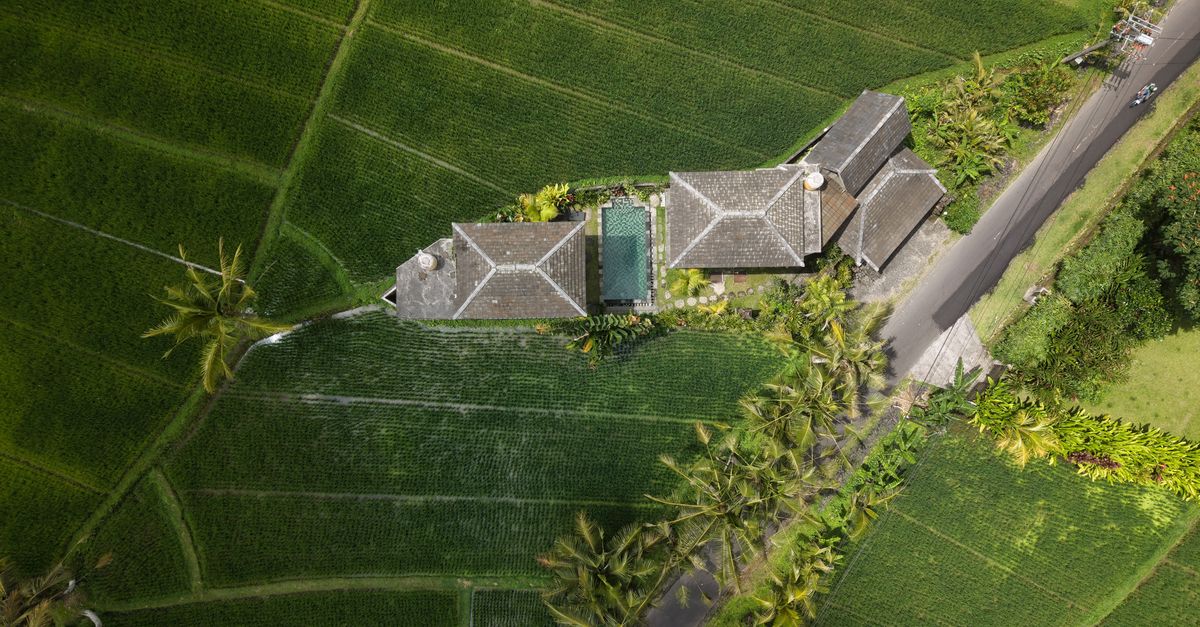
For a long time, “eco-friendly accommodation” in Bali meant a certain trade: you got bamboo walls and natural ventilation in exchange for foregoing the pool and the thread count. Sustainability was an aesthetic choice that came with genuine compromises.
That trade is, increasingly, no longer the deal on offer. The villas I’m going to write about here have taken the environmental credentials seriously: solar power, rainwater collection, responsible building materials, genuine local engagement, but they haven’t treated sustainability as a reason to make the experience less extraordinary. If anything, the constraint of building responsibly has pushed the design towards something more interesting than the generic infinity-pool villa template.
These are the properties I’d actually stay in, or have stayed in, and the ones I’d recommend without hesitation to people who want their Bali experience to sit well with both their comfort standards and their conscience.
What Makes an Eco-Luxury Villa Genuinely Eco
Before the list, a note on the term. “Eco” in Bali hospitality has been applied to everything from a recycling bin in a conventional villa to a fully off-grid bamboo compound. The category means almost nothing without specifics.
The properties I consider genuinely in this space tend to share several features: construction materials sourced responsibly (bamboo, volcanic stone, reclaimed wood rather than imported concrete and glass); energy systems that include meaningful solar capacity and reduce or eliminate reliance on the Bali grid; water management that includes rainwater harvesting and/or water recycling; waste management that goes beyond recycling boxes; and an employment model that actively supports local communities rather than importing staff from outside the island.
The best ones also have something harder to quantify: an architecture that uses the landscape rather than fighting it. Buildings oriented for natural ventilation. Pools positioned for solar gain rather than Instagram angle. Gardens that use endemic Balinese plants rather than imported ornamental varieties. The design intelligence that makes the building feel like it belongs to Bali rather than having been dropped onto it.
Six Properties Worth Knowing
Bambu Indah (Ubud) remains the benchmark for what eco-luxury can be when someone has taken both words equally seriously. John and Cynthia Hardy built this property using antique Javanese wooden homes (centuries-old joglo structures, transported and reassembled) alongside bamboo constructions by Elora Hardy. The spring-fed swimming pool, the organic gardens, the artisan workshop programme, the commitment to sourcing everything possible from within Bali: Bambu Indah is the property that made the category credible. Staying here is an education in what the integration of traditional craft, environmental responsibility, and genuine luxury looks like.
SUARA (Seminyak/Berawa) is a newer entry that takes a different approach: less about heritage craft, more about contemporary sustainability design. Solar panels generate a significant proportion of the property’s energy. The pool is chemical-free (using a natural mineral filtration system). The food programme sources from within a radius that’s taken seriously as a constraint rather than as a marketing claim. The interiors are beautiful in the way that restraint sometimes produces more beautiful rooms than abundance does.
Firefly Eco Resort (near Tabanan) sits in the rice terrace highlands of southwest Bali, in the kind of landscape that development hasn’t reached and this property is specifically designed to protect. The buildings are constructed from volcanic stone and bamboo. The electricity is solar. The water comes from mountain springs. The nearest convenience store is forty minutes away, which is the point: this is a property for people who want the real Bali landscape, not the tourist infrastructure. The communal space, the evening sounds of the rice fields, the darkness that lets you see stars properly. None of this is manufactured.
Komaneka at Bisma (Ubud) occupies a genuinely extraordinary stretch of the Campuhan ridge, with river valley views that require you to stay for a moment rather than immediately reaching for your phone. The property takes sustainability seriously at the operational level (energy efficiency, waste management, local sourcing) without making it the dominant design identity. The results are a property that feels rooted in Ubud’s culture and landscape while providing the comfort level that five-star guests expect. The spa is one of the best in Ubud.
Nihiwatu (Sumba, via Bali) is technically not in Bali, it’s on the island of Sumba, reached via a short regional flight from Denpasar, but I include it because it’s the most important property in the region for understanding what eco-luxury at full ambition looks like. Claude Graves and James McBride built a resort that directly funds malaria eradication, school construction, and community development on one of Indonesia’s most underserved islands. The property is extraordinary (arguably the best surf and ocean setting in the Indonesian archipelago) and the development model is a genuine example of tourism as a force for good rather than extraction. For serious eco-luxury travellers, it belongs on the list even with the short flight.
Desa Hay (Kerobokan) is a smaller, more accessible entry point into this category in south Bali. Not fully off-grid or architecturally radical, but committed to responsible sourcing, minimal chemical use, local employment, and waste management at a genuinely operational level. It’s what you want when you need south Bali location and amenity without the environmental dissonance of the conventional beach club villa complex.
What to Ask When Booking “Eco” Accommodation
The proliferation of greenwashing in Bali hospitality makes the asking-questions step important. A few questions that reveal whether the eco credentials are real or cosmetic.
What percentage of energy comes from solar or renewable sources? Properties with meaningful solar capacity can answer this precisely. Properties that have installed a couple of panels for the marketing can’t.
What is the water source, and how is it managed? Bali has genuine water pressure issues in areas with high tourist density. Properties using bore water without management, or consuming municipal water at high rates, have an environmental impact that their bamboo walls don’t offset.
Where do the staff come from? Properties that employ local Balinese in real roles, with real training and advancement pathways, are doing something different from those that import management from overseas while hiring local staff only in cleaning and grounds roles.
Is the food programme genuinely locally sourced, or is it local-sourced for breakfast and imported for the dinner menu? The distinction is more common than you’d think.
A property that can answer these questions with specifics rather than vague gestures towards the environment is probably doing the real thing.
FAQs
What makes a Bali villa genuinely eco-friendly rather than just eco-branded?
Specific, verifiable features: meaningful solar energy capacity, water collection and recycling systems, construction from local sustainable materials, active local employment and community engagement, and waste management beyond a recycling bin.
Is Bambu Indah worth the price?
For the right traveller, someone who values exceptional design, cultural authenticity, and environmental responsibility as much as or more than standard luxury amenities, yes, genuinely. It’s not the most conventionally luxurious property in Bali, but it’s one of the most interesting.
Are eco-luxury villas more expensive than conventional villas?
Not necessarily. The range is wide. Some genuinely sustainable properties (particularly smaller homestay-scale operations in the highlands or north Bali) are significantly cheaper than conventional south Bali luxury. The Bambu Indahs and Komanekas sit at premium pricing, but the category contains options at various price points.
Can I find eco-friendly villas in Canggu or Seminyak?
The south Bali tourist corridor has fewer genuinely sustainable options than Ubud or north Bali, because the land values and development economics push towards conventional villa construction. Desa Hay (Kerobokan) and a handful of others are the exceptions. The further from the dense tourist corridor, generally, the more viable genuinely sustainable construction becomes.
What is the best area in Bali for eco-accommodation?
Ubud and the surrounding highlands (Payangan, Tegalalang, Tabanan hills) have the highest concentration of properties that have taken sustainability seriously as an architectural and operational matter. The landscape also makes the investment more worthwhile: building responsibly in a rice terrace valley produces something extraordinary.
How do I verify eco credentials before booking?
Ask specific questions (as outlined above). Look for third-party certifications: Green Globe, EarthCheck, or Indonesia’s own Green Hotel certification. Check reviews on platforms like Booking.com or TripAdvisor for mentions of sustainability in practice rather than just marketing. And look at what the property is actually made of in the photos.
A note from Anne. Destined for Bali shares personal experiences and research. Property details, pricing, and operations change, so always verify current status directly with properties before booking.